Bottle Filler——Efficient and Precise Bottle Filling for Industrial Production
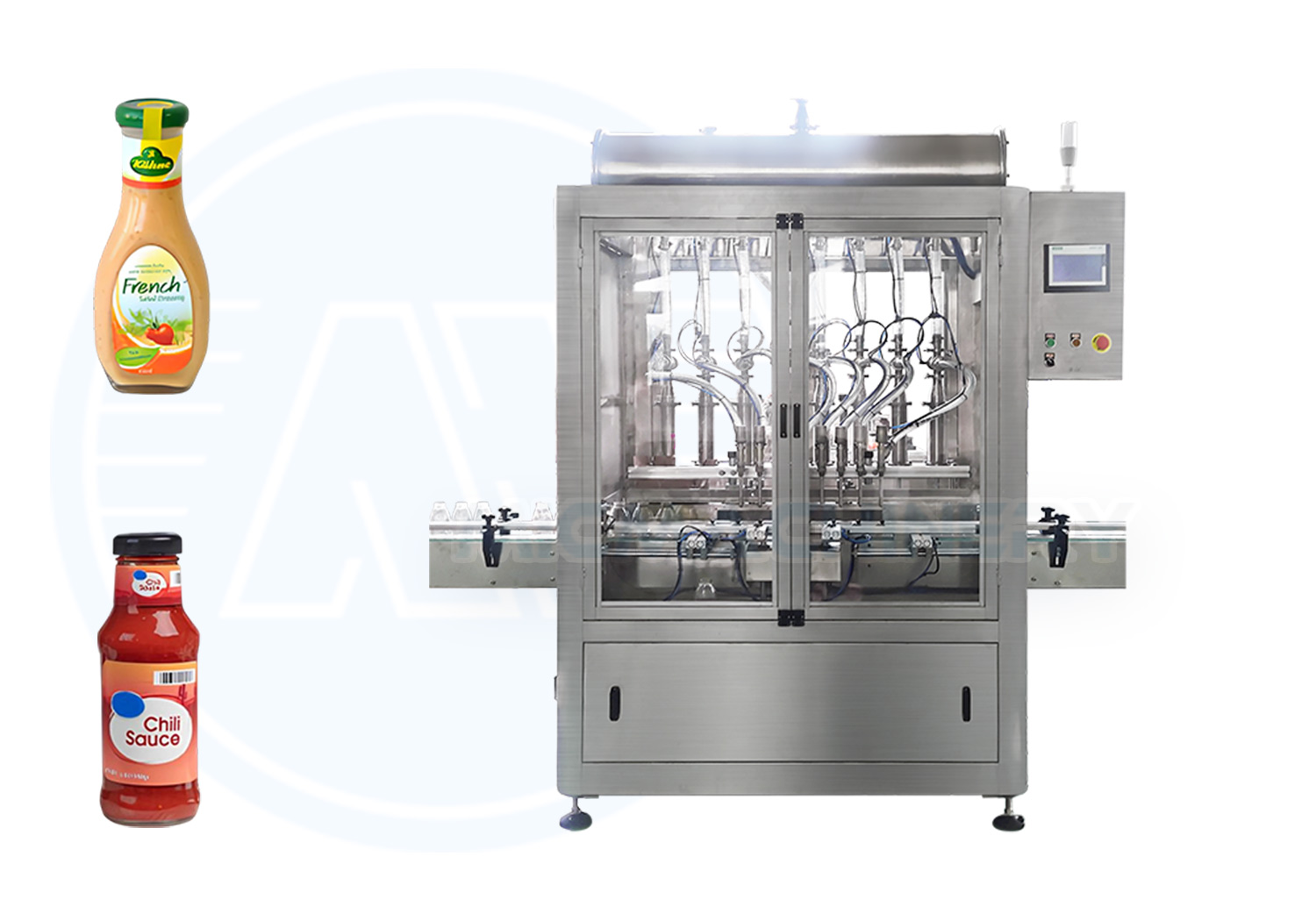
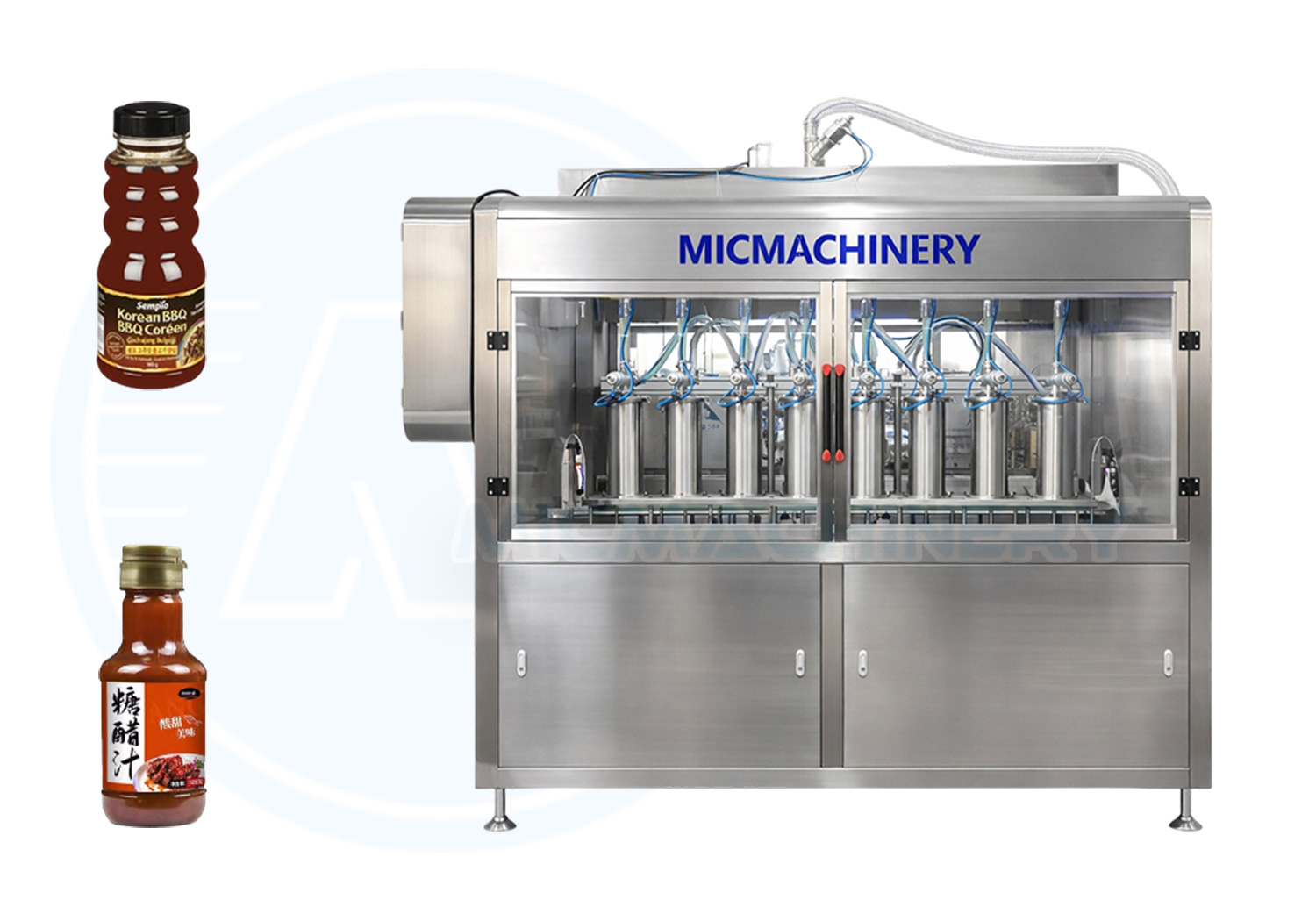
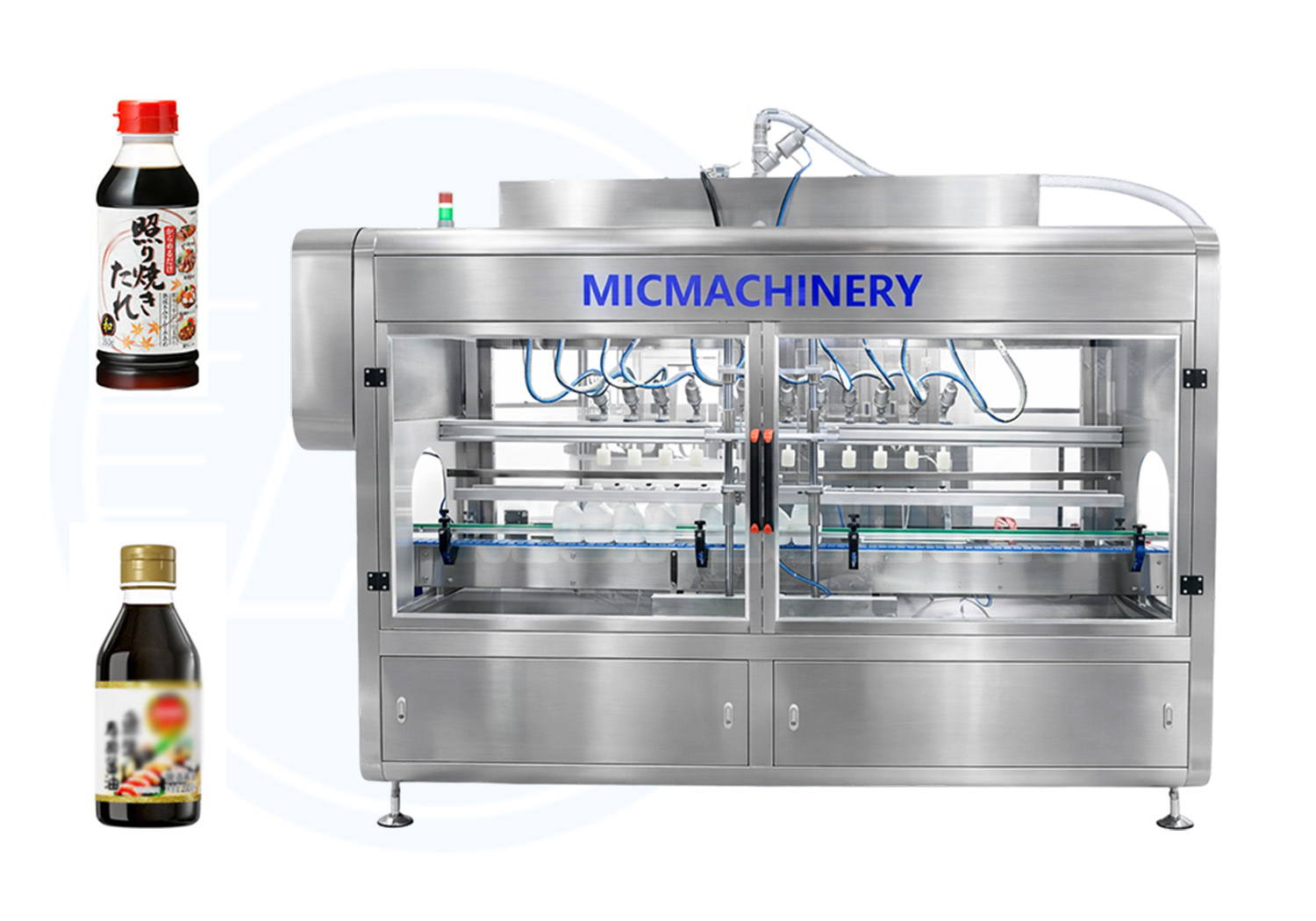
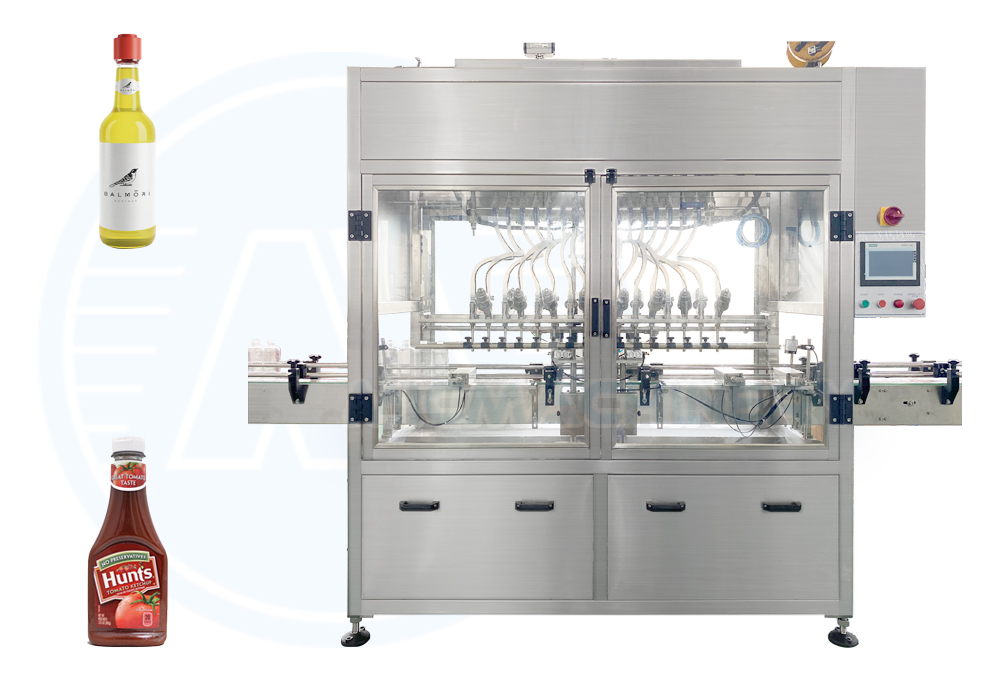
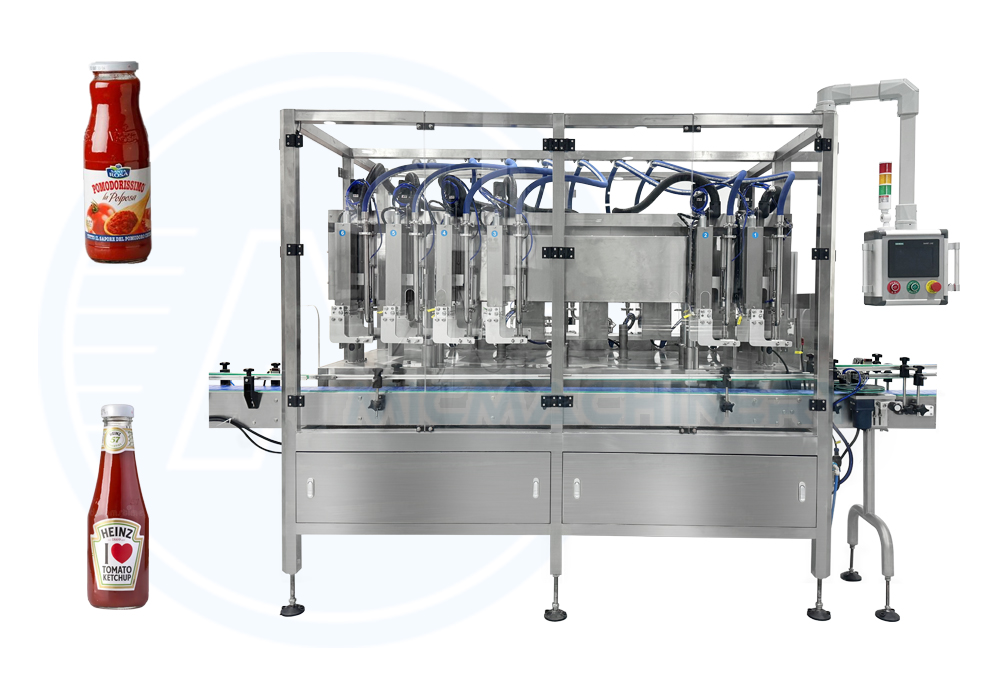
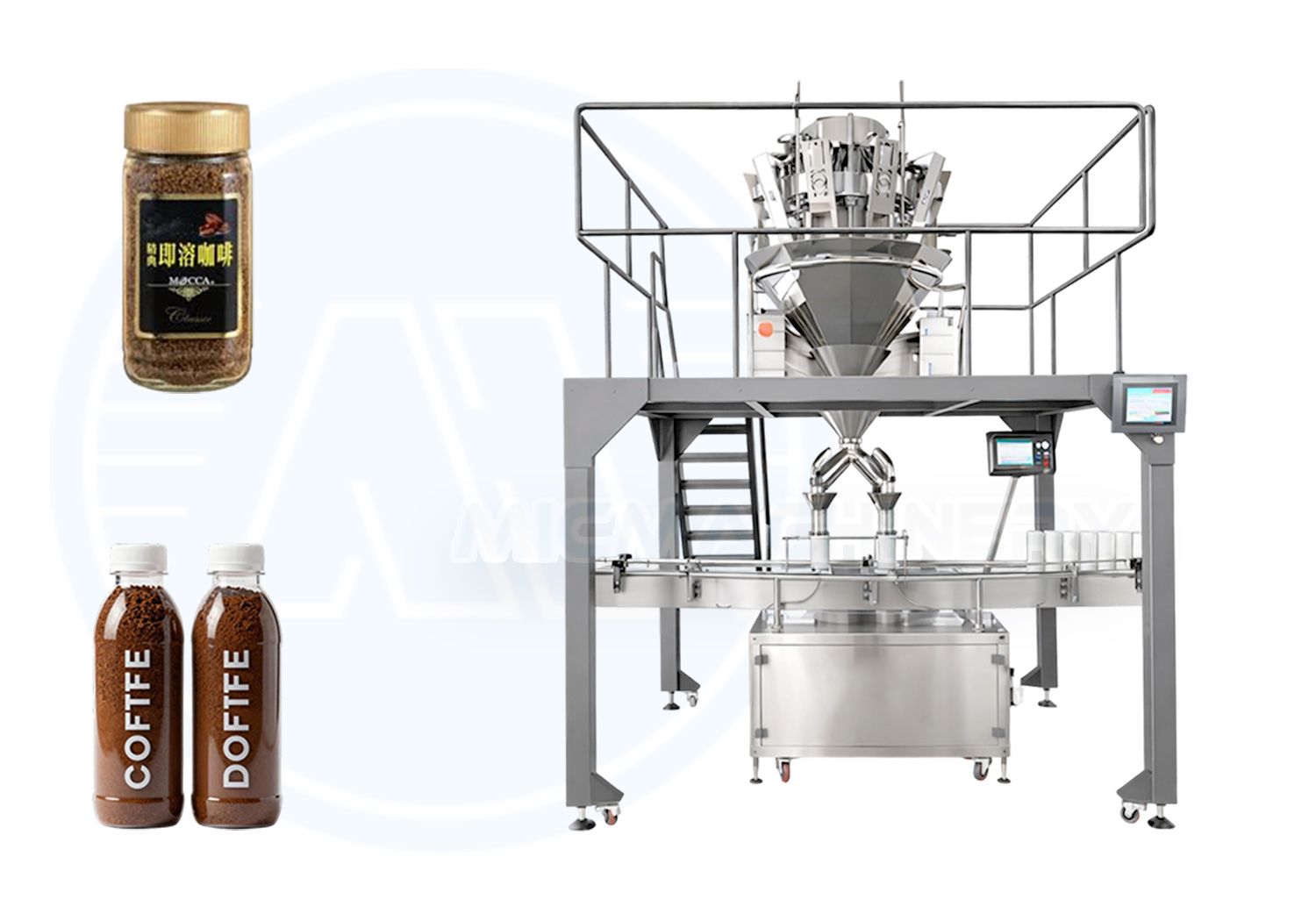
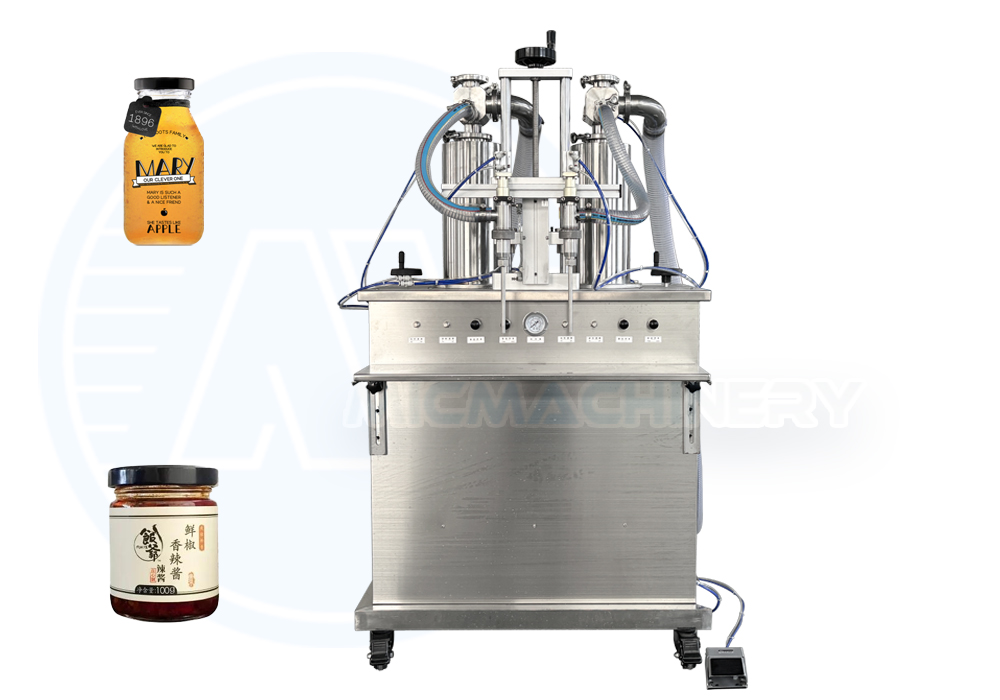
A Bottle Filler is designed to fill liquid, semi-liquid, or viscous products into bottles with high precision and speed. Unlike manual or semi-automatic filling methods, industrial bottle fillers utilize automated systems for container positioning, liquid dosing, and synchronization with production lines, ensuring consistent fill levels and reducing product waste. MIC Machinery develops bottle filling machines with advanced sensors, PLC control, and modular configurations to accommodate different bottle sizes, materials, and product viscosities, making them suitable for chemical, pharmaceutical, food, beverage, cosmetic, and household product industries.
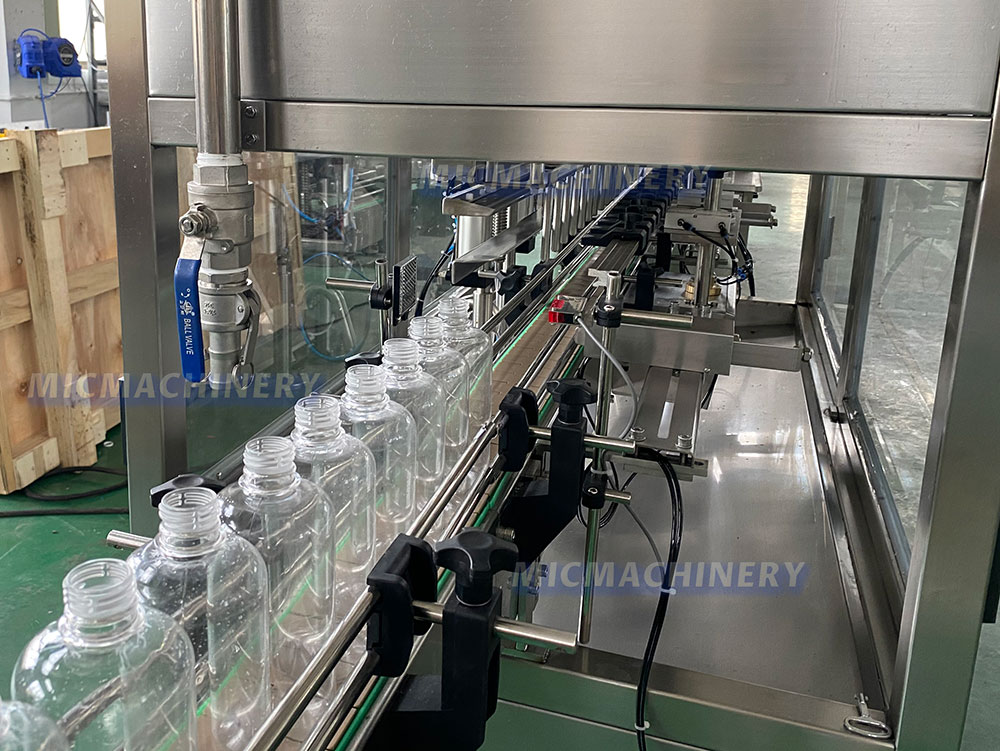
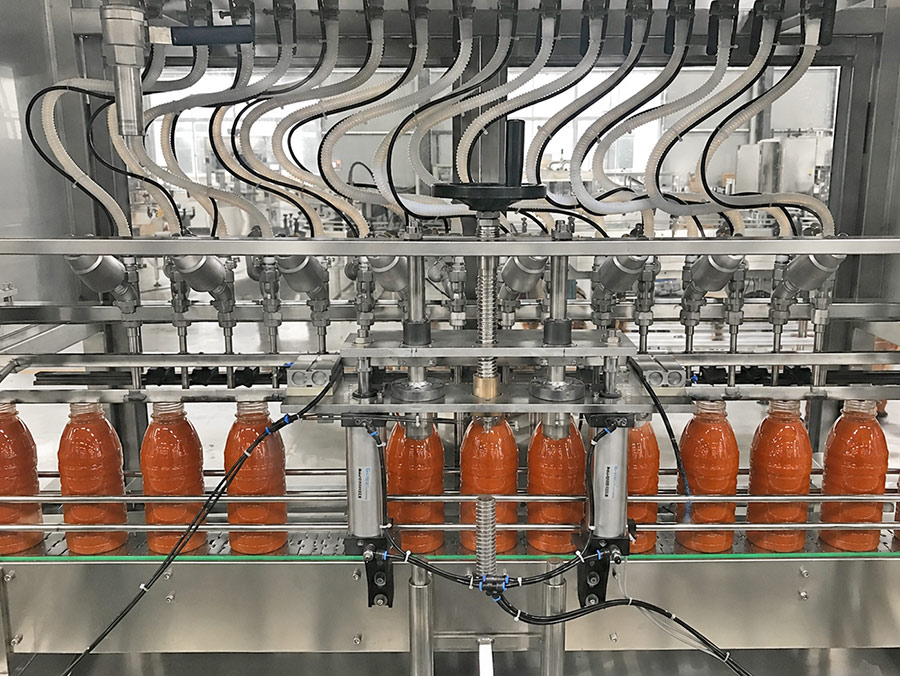
The bottle filling process begins with bottles being automatically fed onto a conveyor system and detected by sensors to ensure proper alignment under the filling nozzle.
Once a bottle is positioned, the filling system dispenses the target product volume. For liquids, gravity or flow-meter controlled filling is commonly used, while viscous or shear-sensitive products often employ piston or servo-driven pumps for precise dosing.
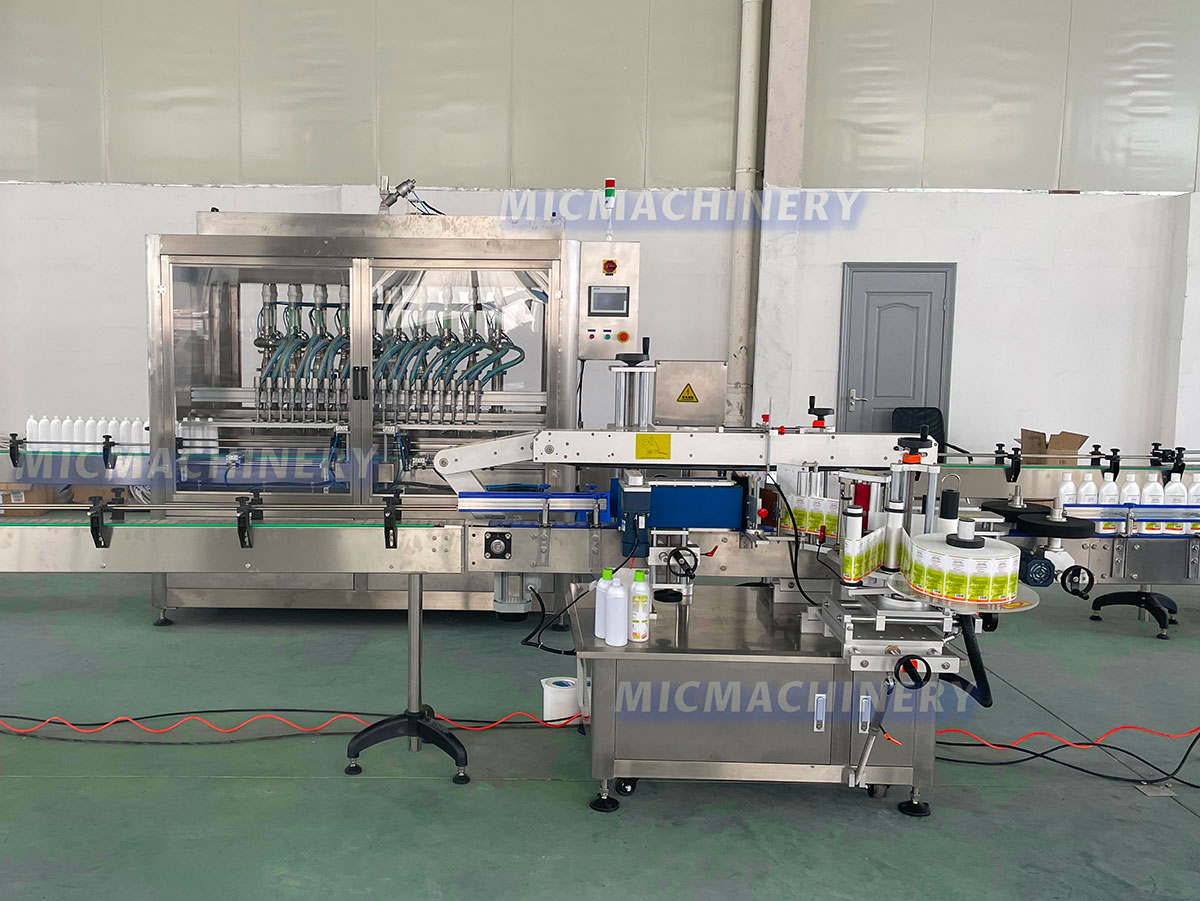
After filling, bottles are conveyed to subsequent operations, which may include capping, induction sealing, labeling, or inspection. Multi-head filling systems allow simultaneous processing of multiple bottles, increasing line efficiency while maintaining uniform fill levels.
Advanced bottle fillers can integrate with container orientation systems, anti-drip nozzles, and real-time monitoring to ensure minimal product loss and maintain hygienic standards.
Video Demonstration
Applications
Chemical Industry
Used for industrial chemicals, solvents, lubricants, adhesives, and liquid additives requiring accurate dosing and consistent bottle fill levels.
Food and Beverage Industry
Filling oils, sauces, syrups, juices, and condiments with precise volume control and hygienic operation.
Cosmetic Industry
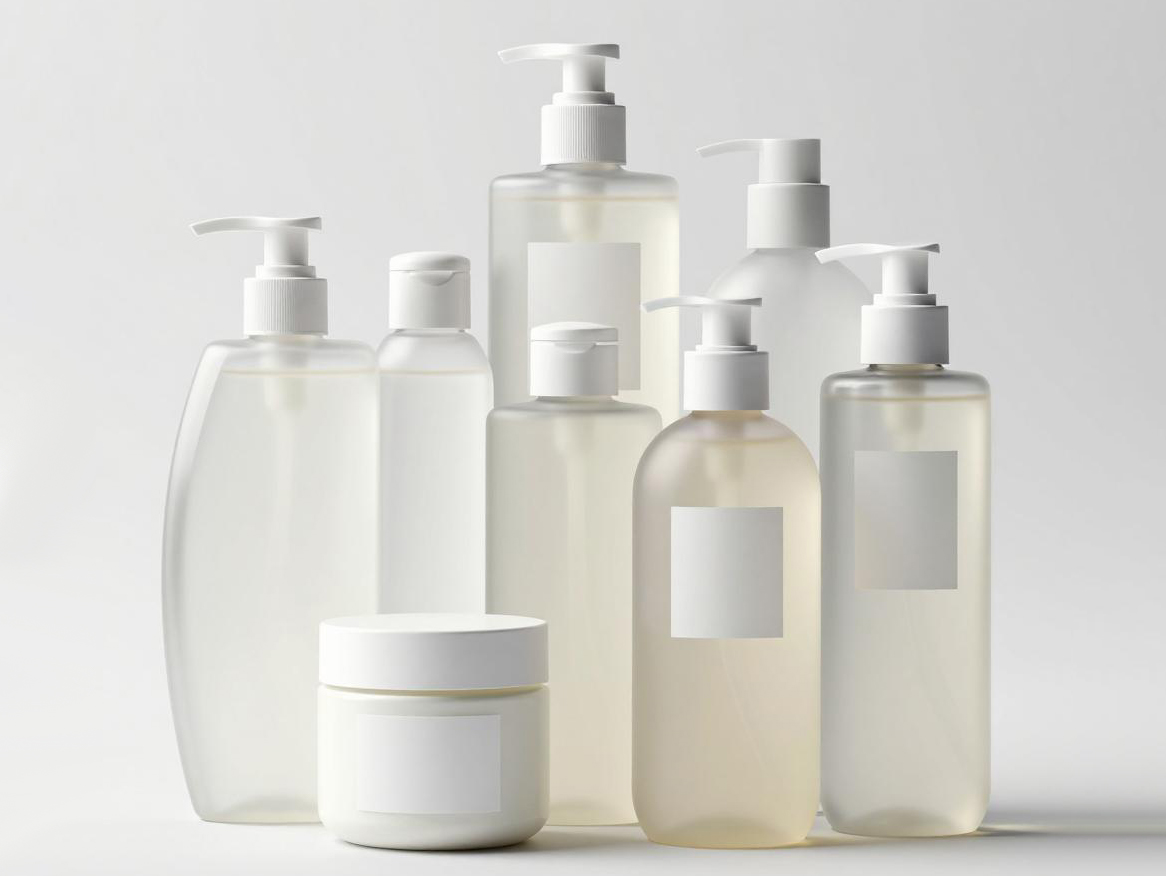
Used for lotions, shampoos, creams, conditioners, and other personal care liquids with controlled fill volume and clean dispensing.
Customization Options
MIC Machinery provides customization to meet unique production needs:
· Single or multi-head filling systems
· Adjustable filling volume and speed
· Piston, servo, gravity, or flow meter filling options
· High-viscosity and shear-sensitive product handling
· Explosion-proof or corrosion-resistant construction
· Integration with capping, labeling, coding, inspection, and packaging systems
· Quick product changeover for multi-product production lines
· CIP cleaning systems for hygienic applications
These options ensure the bottle filler adapts to different bottle sizes, materials, and production conditions.
Maintenance and Daily Operation
Proper maintenance ensures accurate filling and long-term machine reliability:
· Regular cleaning of filling nozzles and product-contact parts
· Inspection of sensors, valves, and conveyors
· Calibration of dosing systems and flow meters
· Verification of PLC control signals and alarm logs
· Preventive maintenance of pumps, motors, and pneumatic components
· Periodic inspection for wear or corrosion on stainless steel surfaces
· Scheduled maintenance reduces downtime, maintains production quality, and ensures regulatory compliance.
FAQ
1)What types of bottles can be filled?
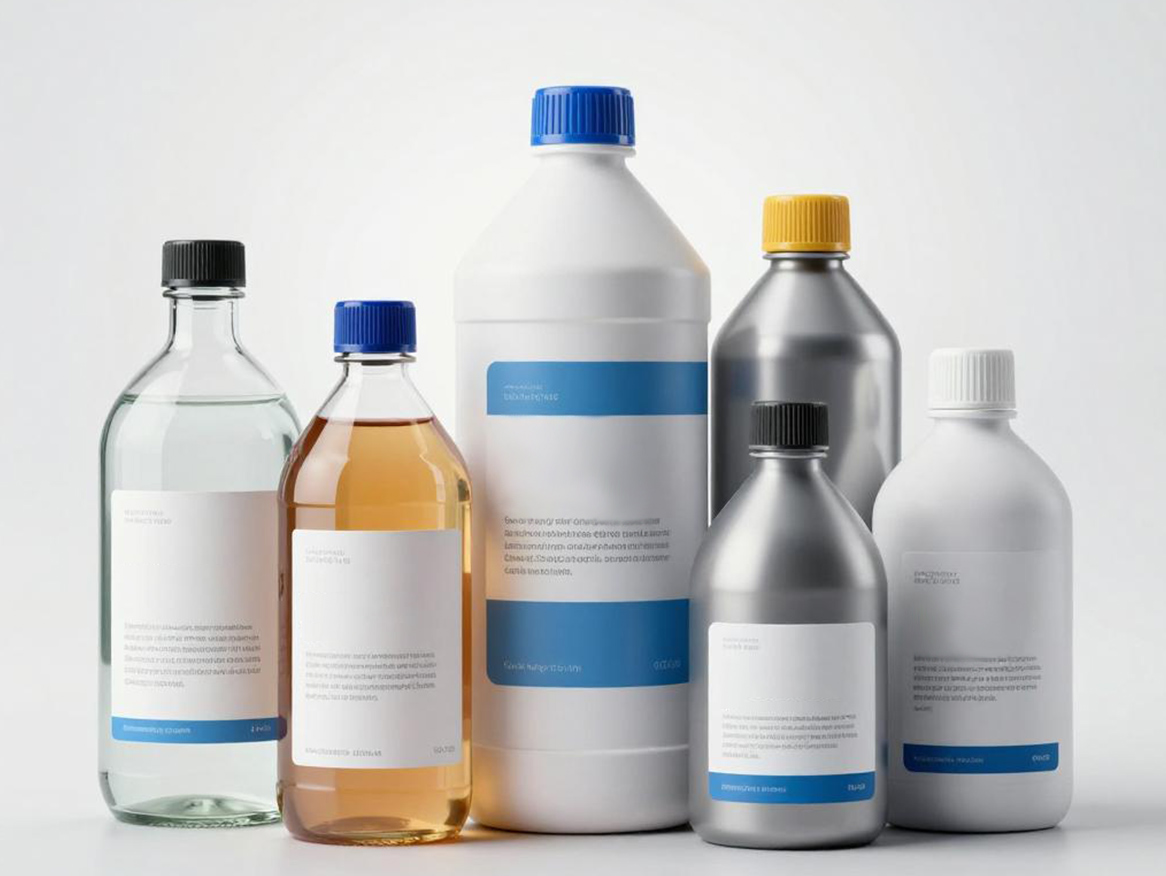
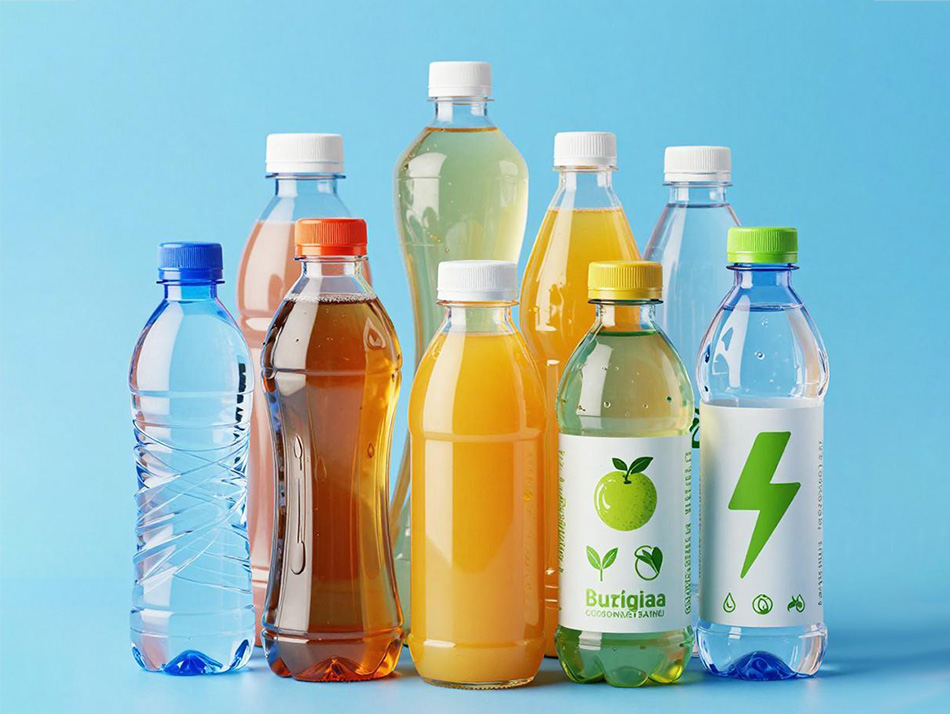
Glass, PET, HDPE, and other plastic bottles are compatible, with adjustable guides for different sizes.
2)Can the machine operate automatically with downstream systems?
Yes. Bottle fillers can be integrated with capping, labeling, coding, inspection, and packaging equipment.
3)How often should the machine be maintained?
Maintenance depends on production volume and product type, but daily cleaning, periodic calibration, and preventive checks are recommended.
Industrial Bottle Filling Solutions
A Bottle Filler from MIC Machinery provides reliable, precise, and high-speed filling suitable for a wide range of liquids and viscous products. With advanced automation, multi-head filling options, and flexible integration, these systems support efficient and hygienic production across chemical, pharmaceutical, food, beverage, cosmetic, and household product lines.