Peanut Butter Filling Machine——High-Viscosity Paste Filling System – MIC Machinery
Peanut butter is one of the most demanding products in the food filling industry. Its extremely high viscosity, sticky texture, and tendency to separate under temperature changes make it significantly more complex to handle than standard sauces or liquids. In industrial production, even small variations in flow stability can lead to inconsistent weight, clogged nozzles, or excessive product waste.
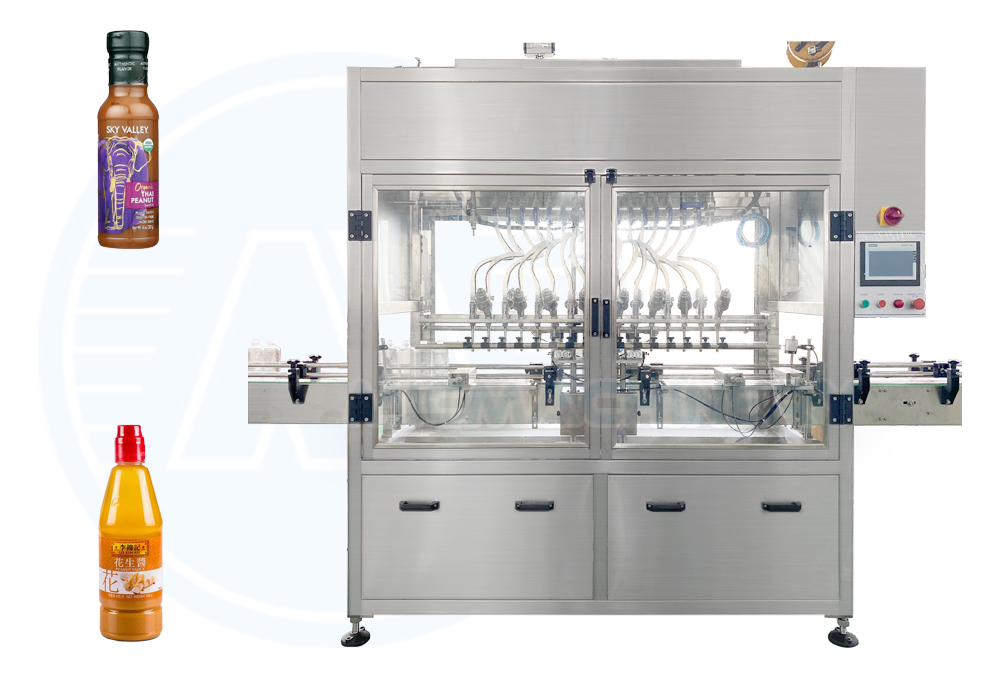
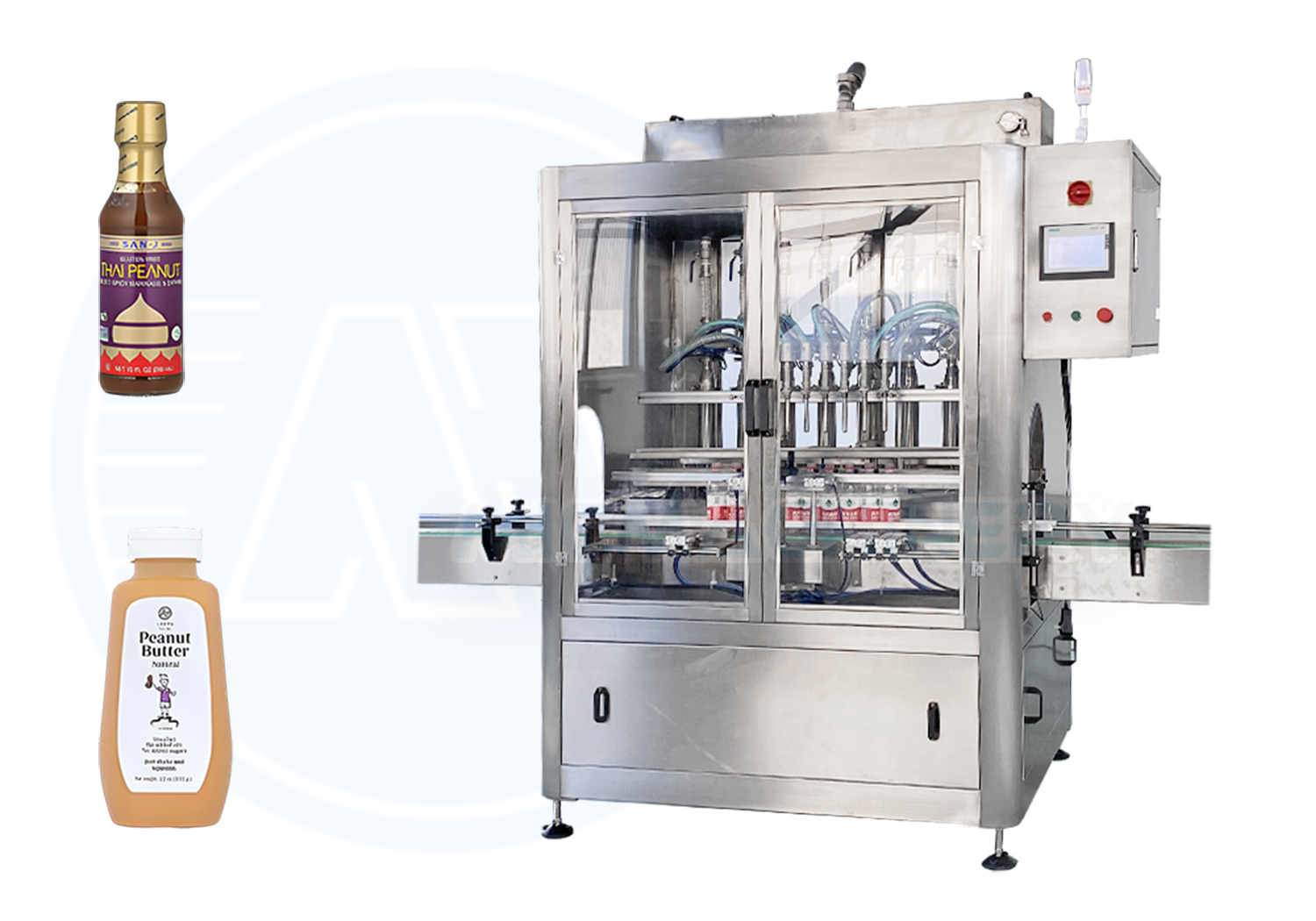
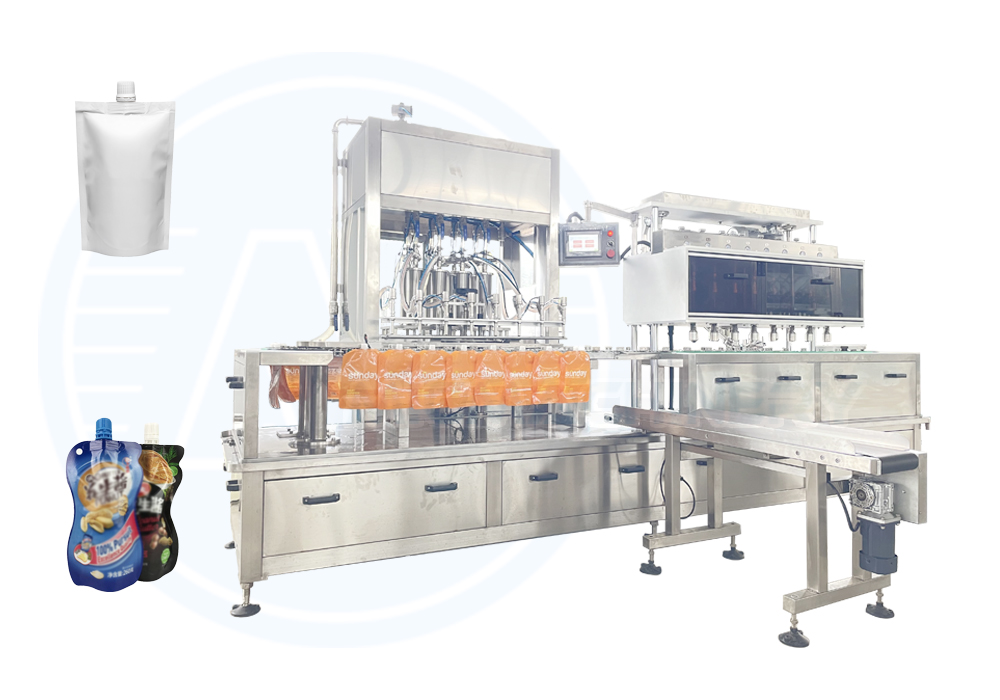
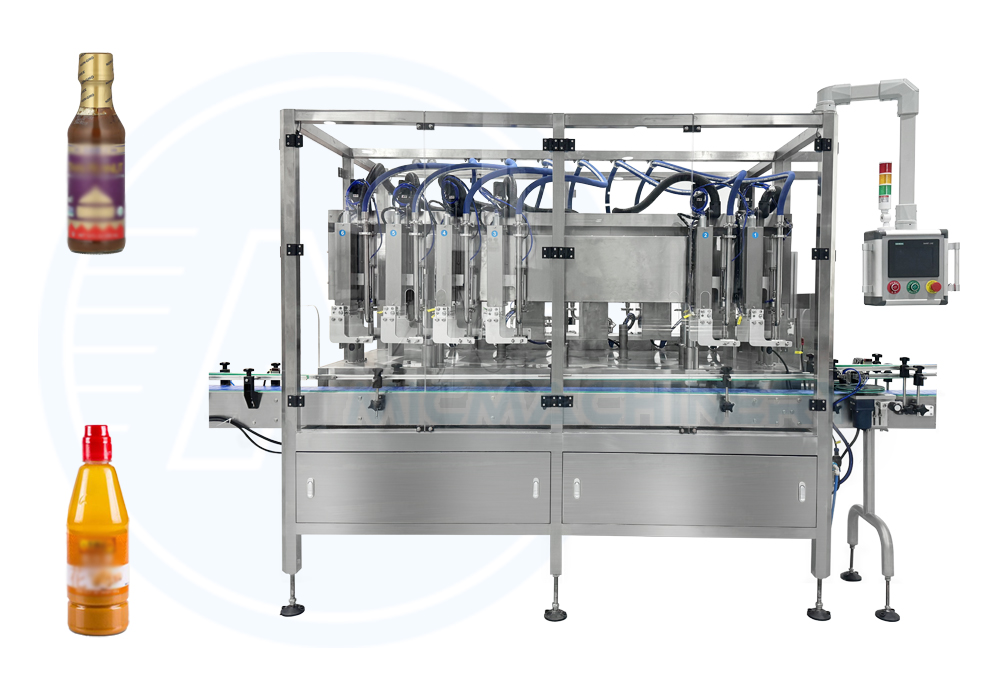
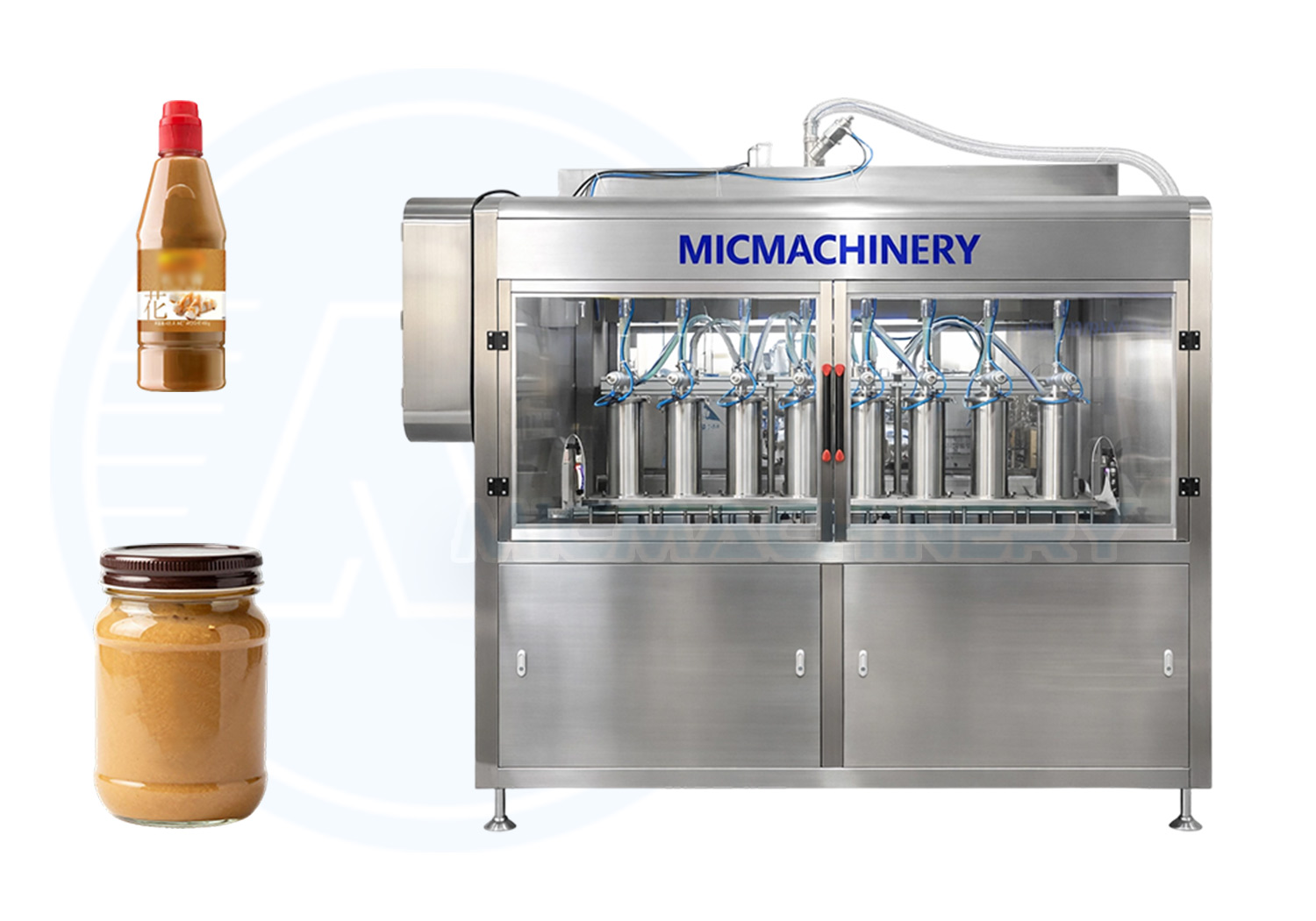
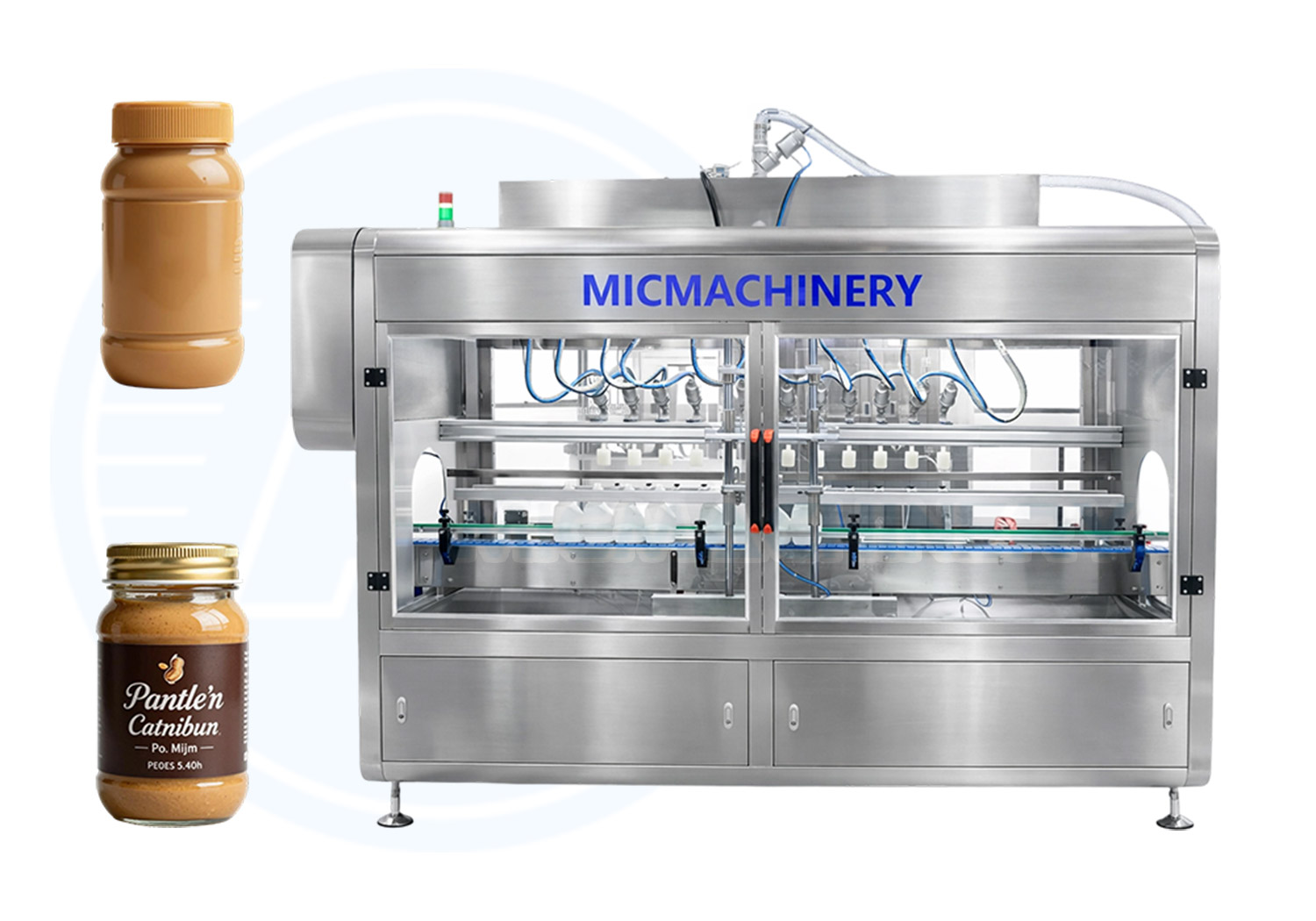
The Peanut Butter Filling Machine developed by MIC Machinery is designed specifically for dense, non-flowing or semi-flowing paste products. It uses controlled piston or servo-driven metering technology to ensure stable discharge even under high resistance conditions.
The system is widely used in nut butter production lines, confectionery factories, and large-scale food processing plants where accuracy and hygiene are critical.
The filling process is designed to overcome the resistance and stickiness of peanut butter while maintaining consistent dosing accuracy.
Product Feeding
Peanut butter is delivered from a mixing tank or storage hopper into the machine’s main feeding system. For high-density formulations, a heated jacket may be activated to slightly reduce viscosity and improve flow stability.
Metering Stage
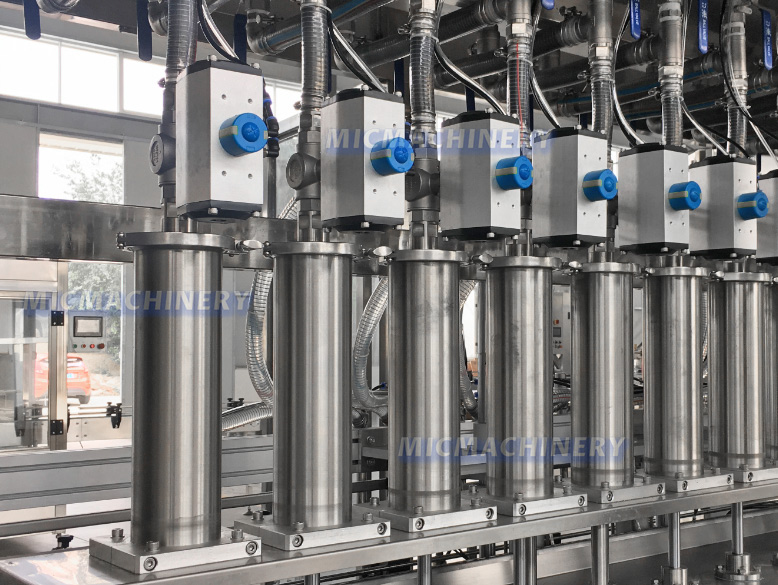
The servo-driven piston system or volumetric pump draws a precise amount of product into the measuring chamber. Due to the high resistance of peanut butter, the system applies controlled pressure rather than rapid suction to avoid cavitation or uneven filling.
Container Positioning
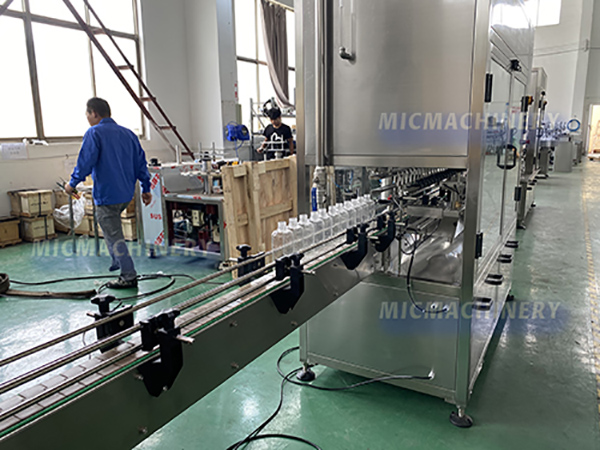
Empty jars are automatically conveyed into position beneath the filling nozzles. Sensor-based alignment ensures that each container is correctly centered before filling begins.
Filling Operation
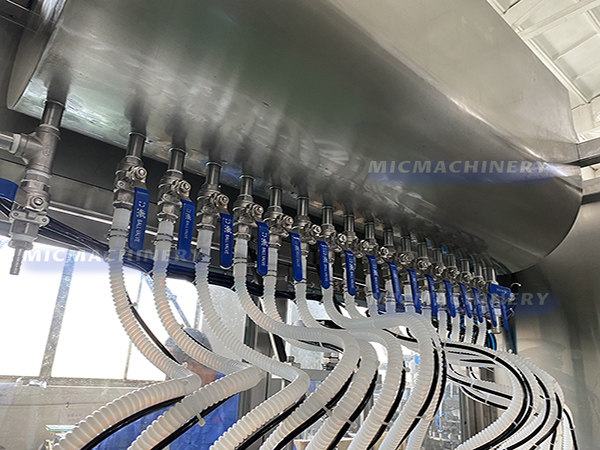
The filling nozzles dispense peanut butter into each jar at a controlled speed. Anti-drip nozzle design helps prevent stringing and residue buildup. For wide-mouth containers, filling speed is adjusted to avoid air entrapment and surface unevenness.
Product Release
After filling, the conveyor moves the jars to downstream equipment such as vacuum sealing machines, capping machines, or labeling systems.
The entire process is synchronized through PLC control to maintain consistent cycle timing and reduce mechanical fluctuations.
Machine Overview
Unlike low-viscosity filling systems, peanut butter requires strong displacement force and stable pressure control. MIC Machinery designs its filling system around reinforced piston cylinders or heavy-duty servo pumps capable of handling thick, sticky materials with or without small nut particles.
The machine is built with food-grade stainless steel and polished internal contact surfaces to reduce material adhesion. Special attention is given to hopper design, as peanut butter tends to bridge or settle during operation. For this reason, most configurations include a slow-speed agitator or heating jacket system to maintain consistent flow behavior.
The system can operate as a standalone unit or be fully integrated into a complete production line, including roasting, mixing, filling, capping, labeling, and carton packaging equipment.
Video Demonstration
Applications
The Peanut Butter Filling Machine is widely used in food manufacturing environments where thick, dense, or semi-solid products must be packaged accurately.
Typical applications include:
Peanut butter (smooth and crunchy)
Almond butter
Cashew butter
Hazelnut spreads
Sesame paste (tahini)
Chocolate nut spreads
Protein nut-based pastes
Bakery fillings and dessert creams
The system is compatible with a wide range of container types, particularly glass jars, PET jars, and wide-mouth packaging formats commonly used in retail and export markets.
Customization Options
Every peanut butter production line has its own packaging format and process layout. MIC Machinery therefore offers a wide range of customization options.
For plants packaging large jars, the machine can be fitted with larger-diameter nozzles and a heavier-duty dosing system. For smaller retail jars, the focus is usually on speed, neck cleanliness, and accurate low-volume filling.
Common customization options include:
Heating hopper for high-viscosity products Agitator mixing device to prevent separation Servo control for improved accuracy and easier adjustment Diving nozzle design for anti-splash filling CIP cleaning system for faster sanitation Different head numbers to match target output Special conveyor widths for jar and bottle sizes Integration with capping, labeling, and cartoning machines
For some customers, the line must also be compatible with existing cookers, vacuum tanks, or upstream mixing systems. In that case, the filling machine is configured to work as part of the overall process rather than as a separate unit.
Maintenance
Peanut butter is sticky, so maintenance matters. If the machine is not cleaned properly, residue can build up in the hopper, cylinder, nozzle, or valve area and affect long-term stability.
Daily maintenance should include rinsing product-contact parts after production, especially when the line will be idle for several hours. If the product contains sugar, oil, or fine solids, cleaning should be done promptly before residue hardens.
Routine inspection should focus on piston seals, nozzle opening, conveyor movement, and pneumatic pressure. Operators should also check whether the agitator is rotating smoothly and whether product feed remains consistent.
For plants running two or three shifts, preventive maintenance is better than waiting for a breakdown. A small leak or seal wear issue can quickly affect filling accuracy and increase product waste.
FAQ
Q1: Can the machine handle chunky peanut butter? Yes. The system can be configured with larger valves, suitable nozzle dimensions, and an agitator to handle products with small particles.
Q2: Is heating necessary for peanut butter filling? Not always, but heating can improve flowability when the product is very thick or when the ambient temperature is low.
Q3: What container types are supported? Glass jars, plastic jars, wide-mouth bottles, and other rigid containers can be handled with the proper conveyor and guide adjustments.
Q4: Can one machine fill other nut butters? Yes. Almond butter, sesame paste, hazelnut spread, and similar products can usually be handled with the same equipment after parameter adjustment.
Q5: How is filling accuracy maintained? Accuracy comes from volumetric piston control, stable product feeding, and PLC synchronization across each filling head.
Q6: Is the machine easy to clean? Yes. Product-contact parts are designed for practical disassembly and cleaning, and CIP options are available for faster washdown.
Industrial Peanut Butter Filling Machinefrom MIC Machinery
The MIC Machinery Peanut Butter Filling Machine is built for manufacturers that require stable, repeatable performance when handling extremely viscous food products. With its reinforced structure, precise metering system, and flexible configuration options, it is suitable for both medium-scale producers and high-capacity industrial food factories.