Wet Glue Labeling Machine——Automatic Glue Label Applicator System
Wet glue labeling technology has been widely used in industrial packaging for decades, especially in industries where paper labels, high-speed production, and cost-effective labeling solutions are required. Compared with self-adhesive labels, wet glue labels use liquid adhesive applied during the labeling process, providing a flexible and economical option for large-volume packaging applications.
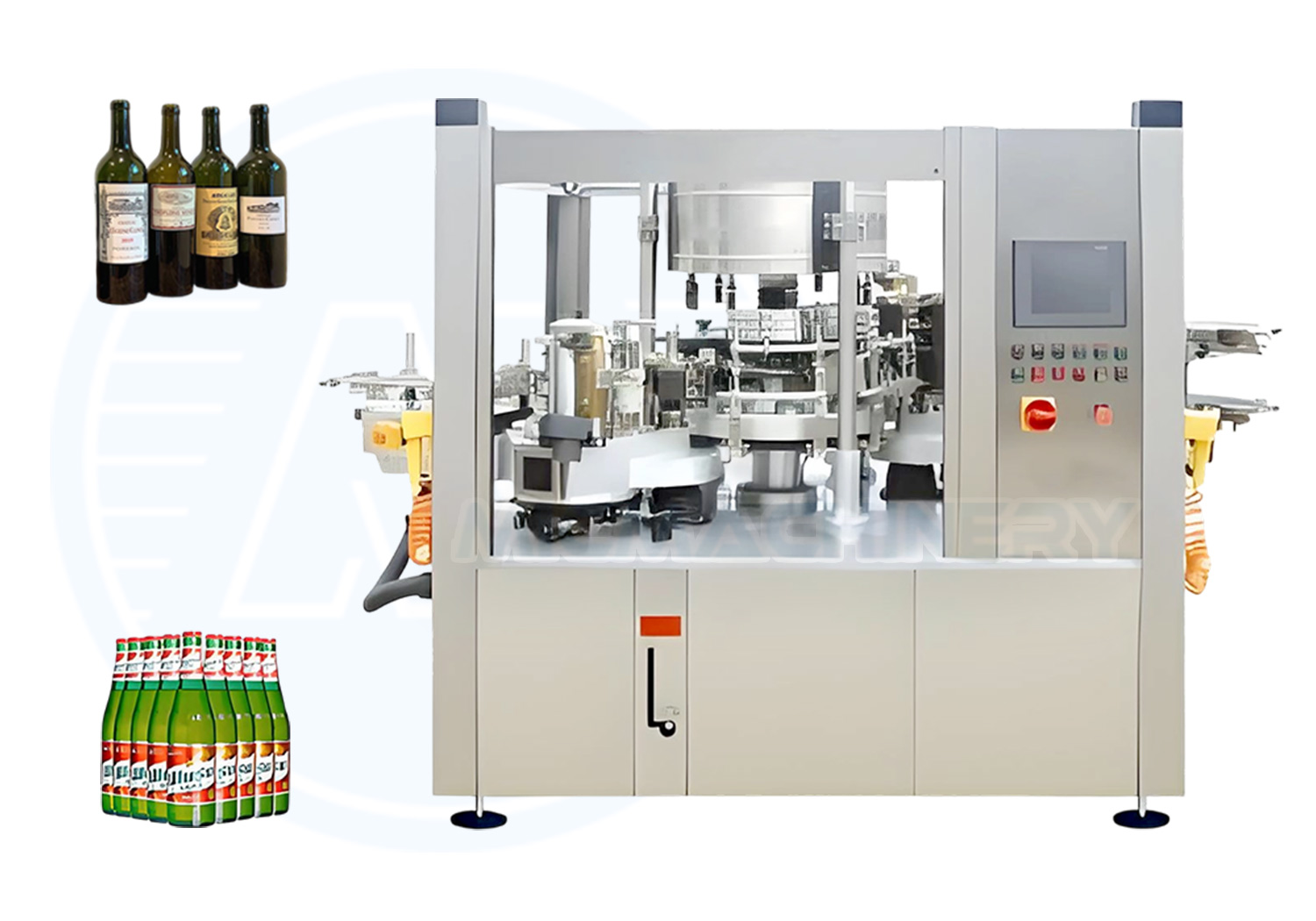
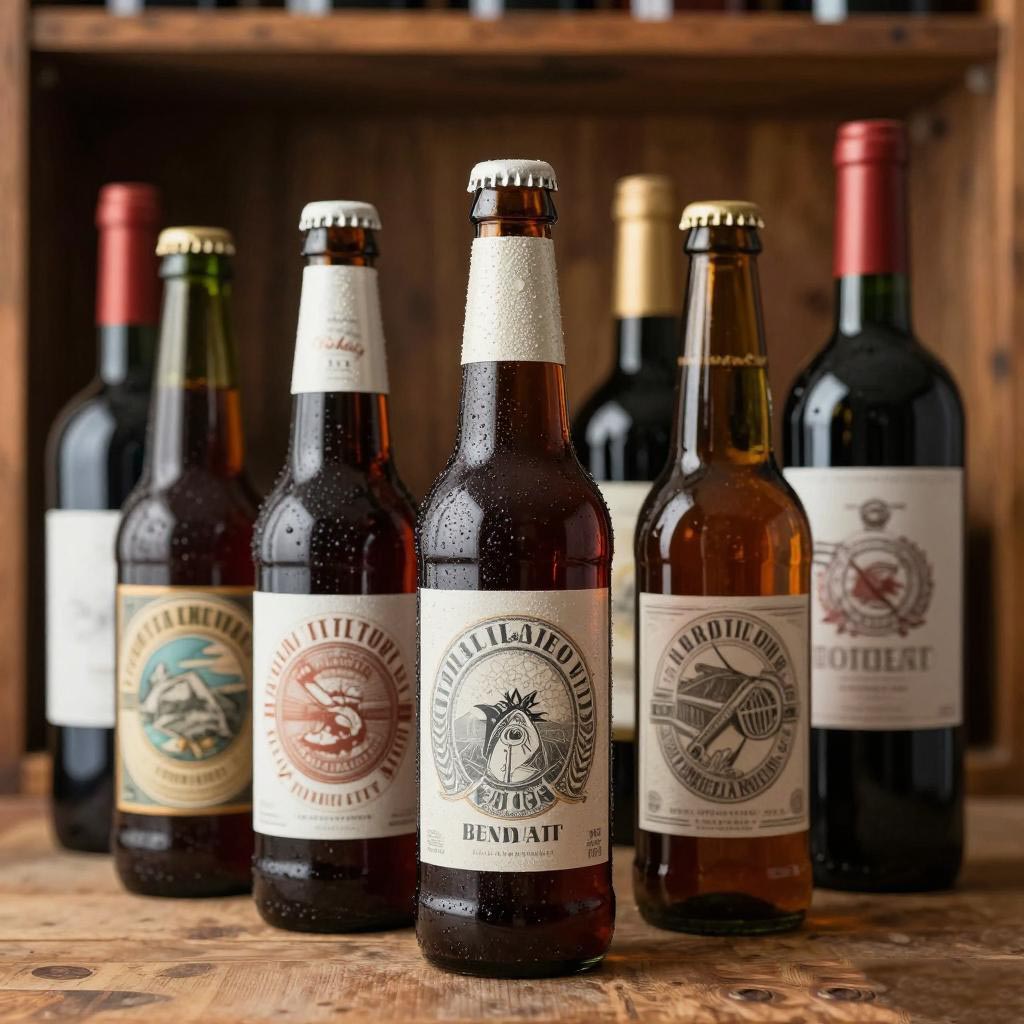
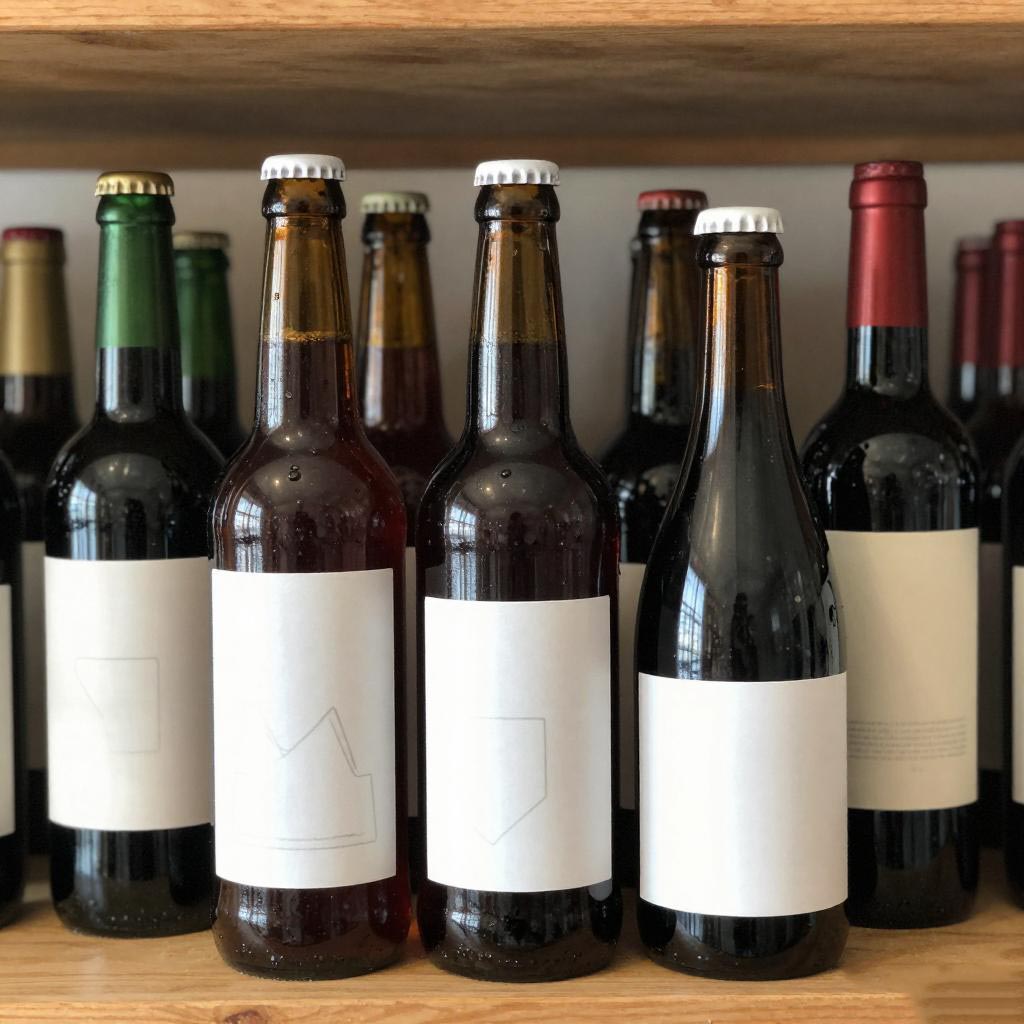
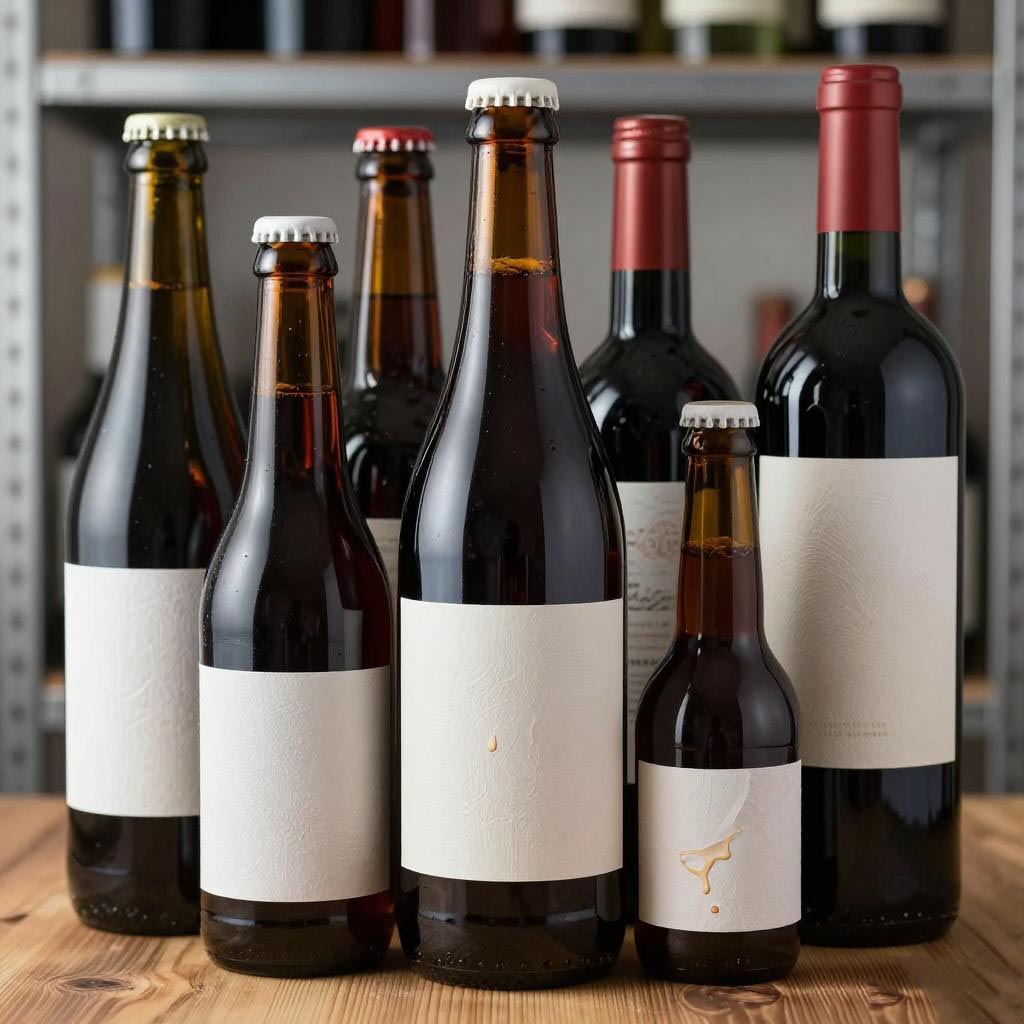
The Wet Glue Labeling Machine from MIC Machinery is designed for automatic application of paper labels onto glass bottles, plastic containers, cans, and jars. The machine applies a controlled layer of glue to the label surface before attaching it to the container, ensuring stable adhesion and consistent labeling performance.
Wet glue labeling systems are commonly used in beverage, food, chemical, and daily product industries because they can handle high production speeds while reducing label material costs. MIC Machinery develops labeling solutions according to container shape, production capacity, label type, and complete packaging line requirements.
Working Process
The wet glue labeling process begins when containers enter the machine through the conveyor system. The bottle positioning mechanism ensures that each container reaches the labeling station at the correct position.
At the same time, paper labels are supplied from the label magazine or label feeding system. The label is separated and transferred toward the glue application area.
The glue roller applies a controlled amount of adhesive onto the back surface of the label. The adhesive thickness must be properly adjusted because insufficient glue may reduce bonding strength, while excessive glue can cause overflow and affect product appearance.
After glue application, the label is transferred onto the container surface. The bottle rotates while passing through the labeling section, allowing the label to wrap smoothly around the container.
Pressure rollers or brushes press the label firmly against the container surface, removing air gaps and improving adhesion.
Once labeling is completed, containers move along the conveyor to the next production process, such as inspection, packing, or palletizing.
The entire process is synchronized through mechanical transmission and control systems, ensuring stable labeling performance during continuous operation.
Video Demonstration
Applications
Wet Glue Labeling Machines are widely used in industries that require economical labeling solutions for large-scale production.
Beverage Industry
Glass beverage bottles
Beer bottles
Juice bottles
Mineral water containers
Wine packaging
Food Industry
Sauce bottles
Pickle jars
Food cans
Seasoning containers
Cooking product packaging
Chemical Industry
Detergent containers
Lubricant bottles
Industrial chemical packaging
Cleaning product containers
Daily Chemical Industry
Household product packaging
Personal care containers
Cosmetic jars
Other Industries
Glass containers
Metal cans
Plastic bottles
Special-shaped packaging
Wet glue labeling is particularly suitable for manufacturers requiring large quantities of paper labels with reliable adhesion and low operating costs.
Customization Options
MIC Machinery provides customized wet glue labeling solutions according to different production requirements.
Container Design Adaptation
The machine can be adjusted for different bottle diameters, heights, and container shapes.
Label Size Customization
Label feeding and pressing systems can be configured for different label dimensions and materials.
Production Speed Adjustment
Different drive systems and labeling mechanisms can be selected according to required output capacity.
Glue System Configuration
The adhesive application system can be customized according to glue type, viscosity, and production environment.
Packaging Line Integration
The machine can connect with filling machines, capping machines, conveyors, and packing systems to create a complete automated line.
Additional Functions
Optional equipment includes:
Date coding systems
Barcode inspection
Label detection sensors
Automatic rejection systems
Maintenance and Operation
Regular maintenance is necessary to maintain labeling accuracy and stable machine operation.
The glue application components should be cleaned regularly to prevent dried adhesive buildup. Glue rollers, glue plates, and transfer parts should be inspected frequently because adhesive residue may affect label quality.
Operators should check label feeding mechanisms, bottle positioning devices, and pressure rollers to ensure smooth operation. Any worn parts should be replaced promptly.
The conveyor system should be kept clean and properly adjusted to prevent bottle movement problems during labeling.
Electrical components such as PLC controllers, sensors, and motors should be inspected according to the recommended maintenance schedule.
Proper lubrication of moving mechanical components helps reduce wear and ensures long-term equipment reliability.
FAQ
Q1: What is a wet glue labeling machine? A wet glue labeling machine is an automatic labeling system that applies liquid adhesive to paper labels before attaching them to containers.
Q2: What products can be labeled by this machine? It is commonly used for glass bottles, plastic containers, jars, and cans in beverage, food, chemical, and daily product industries.
Q3: What type of labels can be used? The machine mainly uses paper labels suitable for wet glue application.
Q4: What are the advantages of wet glue labeling? Wet glue labeling provides economical label costs, strong adhesion, and suitability for high-speed production.
Q5: Can the machine handle different bottle sizes? Yes. The labeling system can be adjusted or customized according to different container dimensions.
Q6: Can it work with a complete filling line? Yes. The machine can be integrated with filling, capping, inspection, and packing equipment.
Wet Glue Labeling Machine Solutions from MIC Machinery
The MIC Machinery Wet Glue Labeling Machine provides a practical solution for manufacturers requiring reliable and economical labeling performance. With accurate glue control, flexible configuration options, and compatibility with various packaging applications, it is suitable for high-volume industrial production lines.