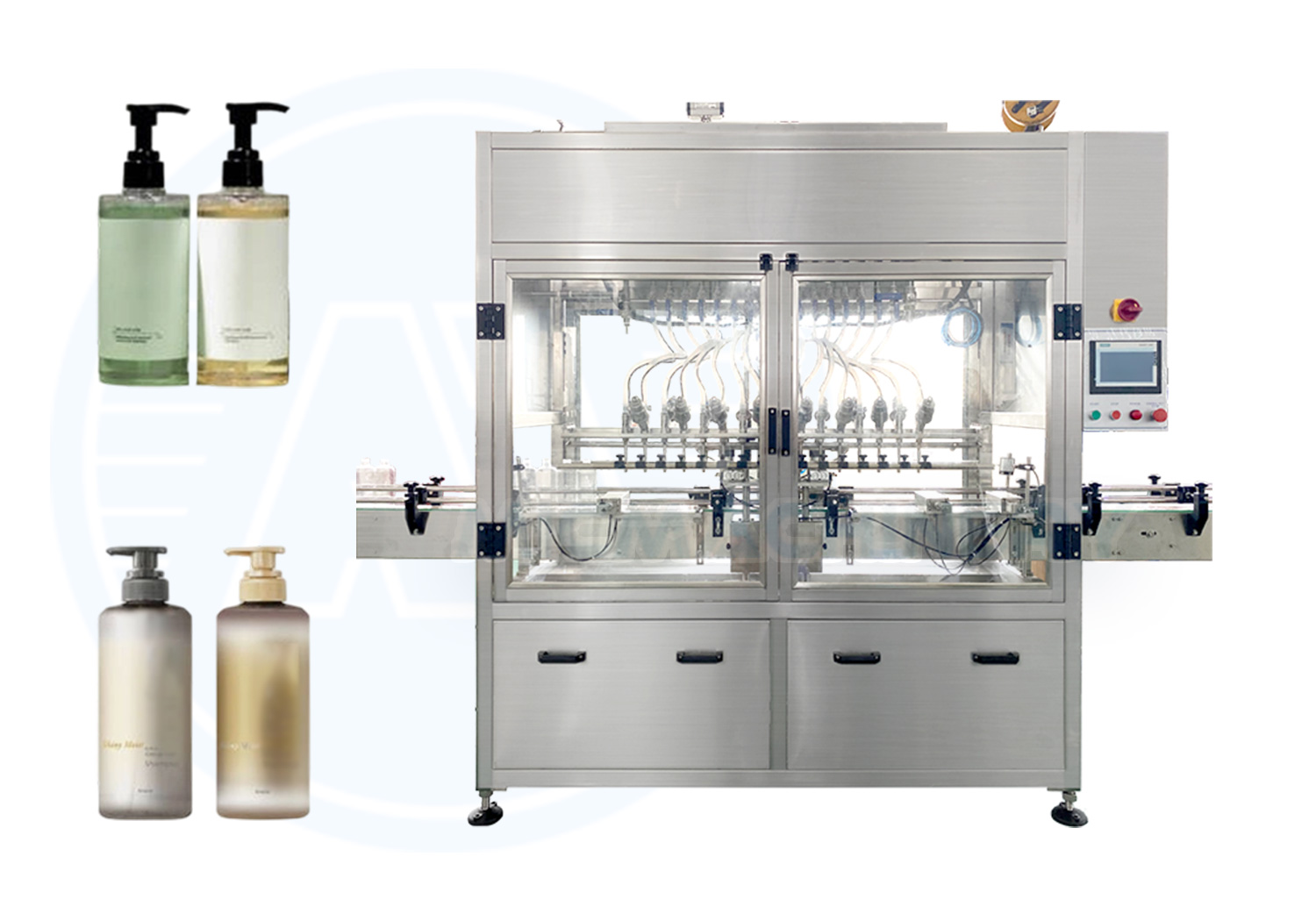
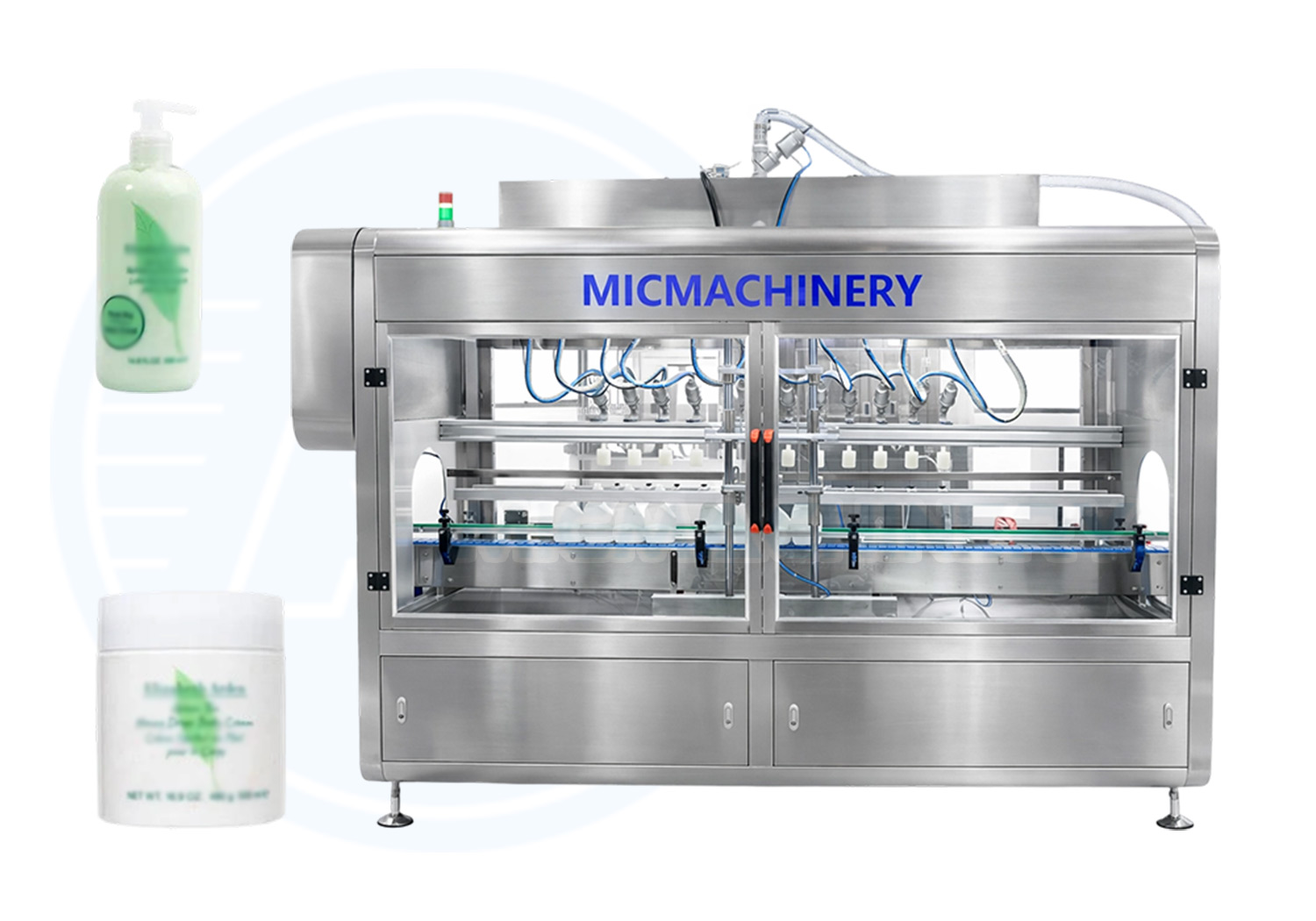
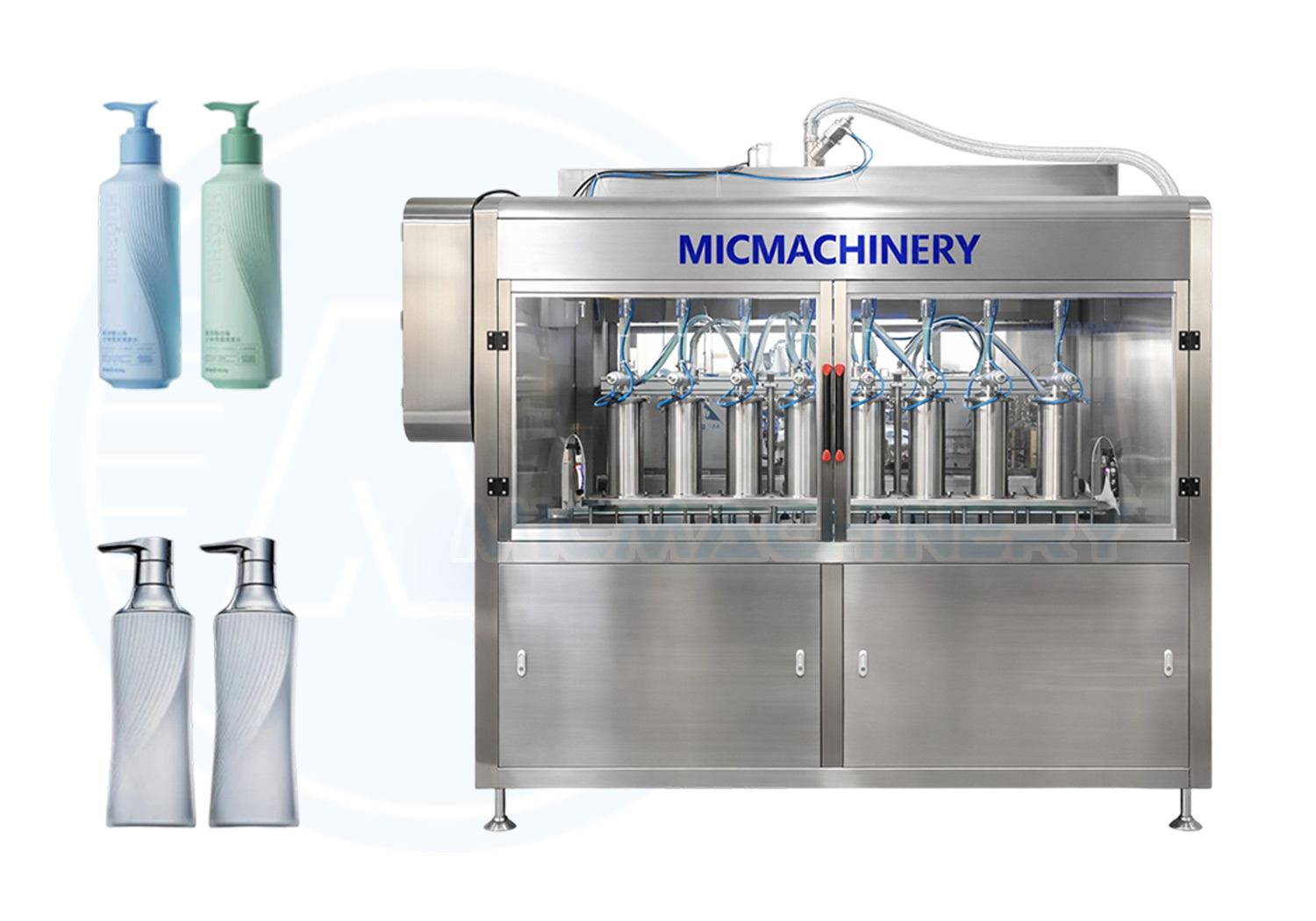
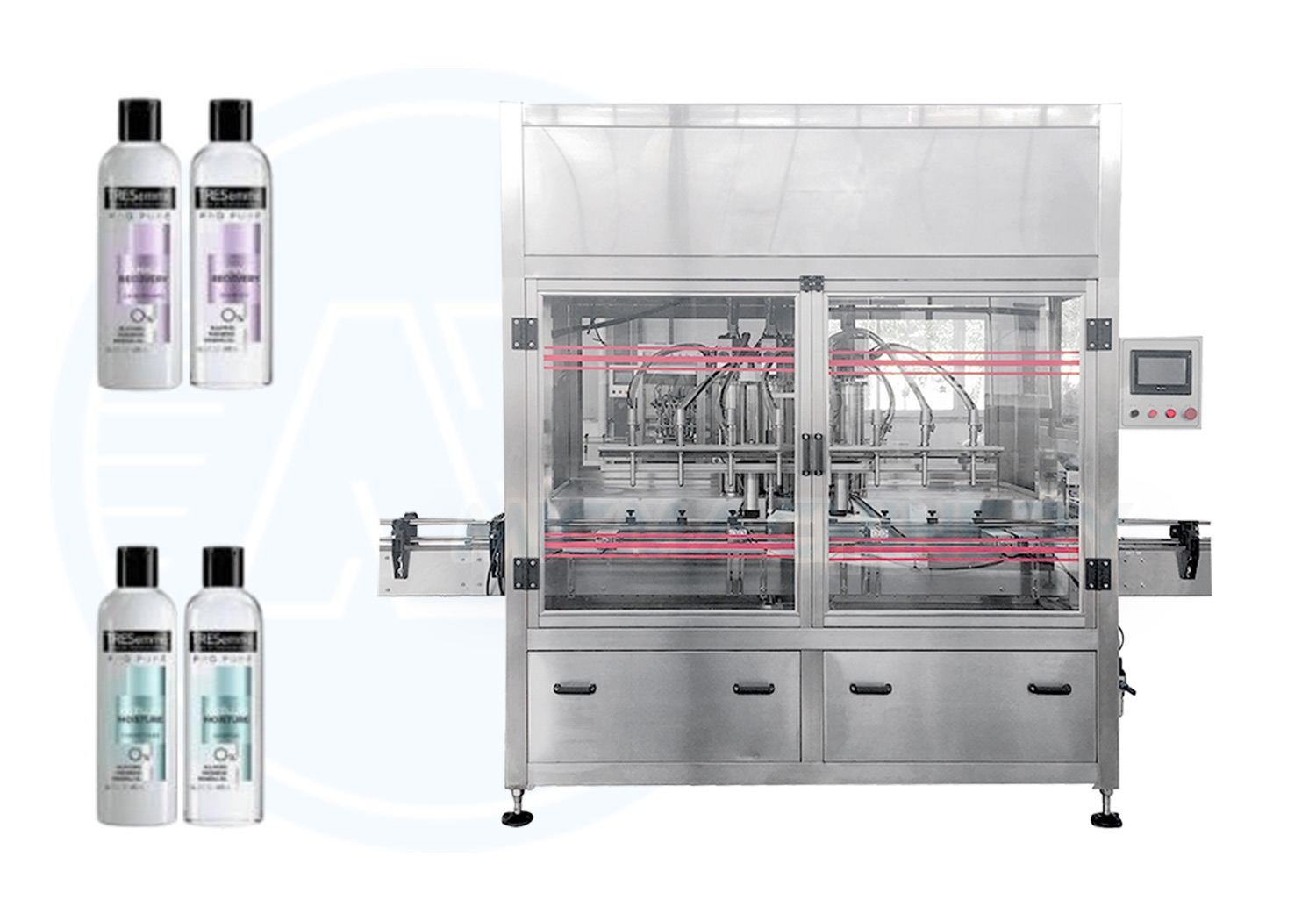
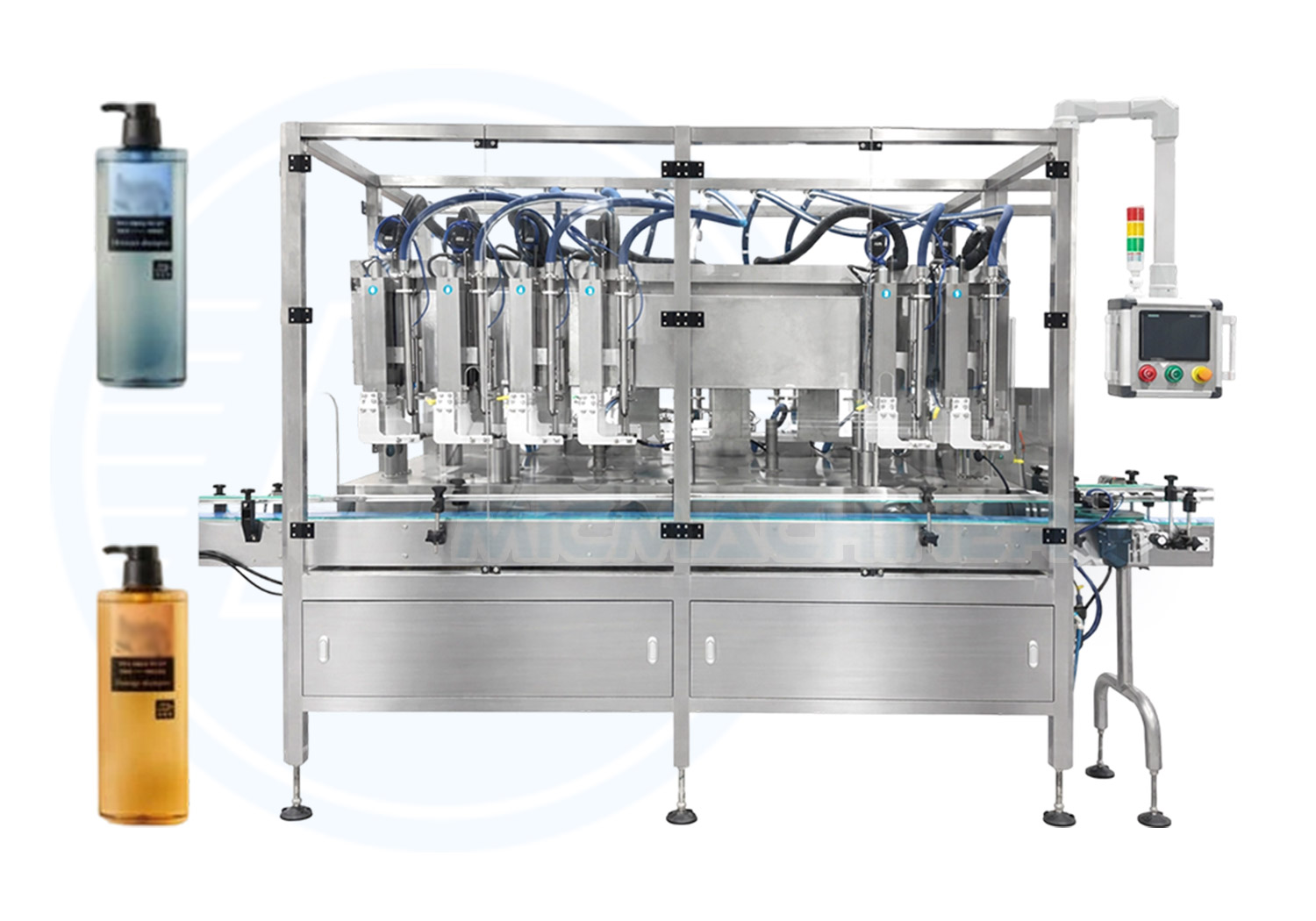
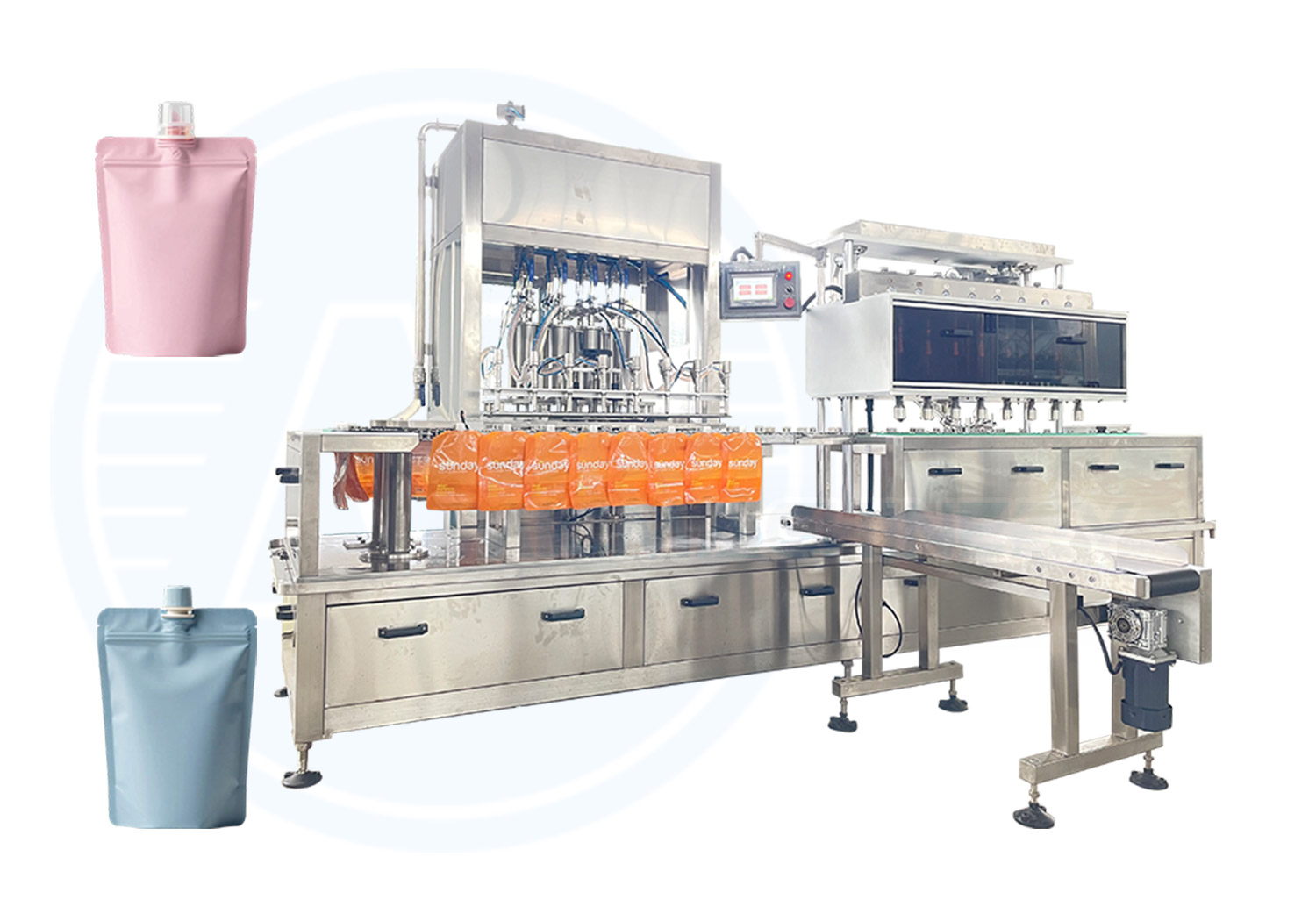
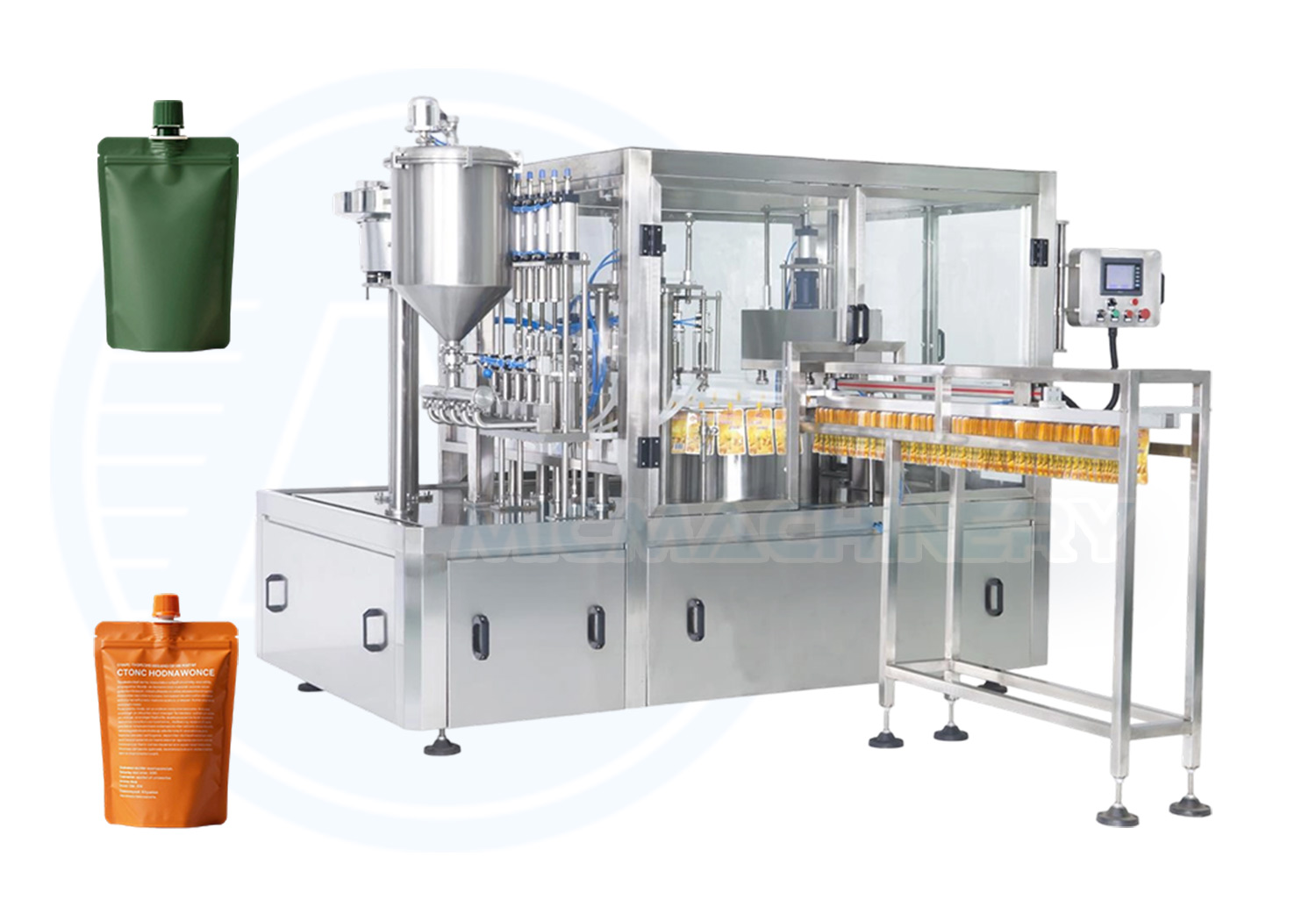
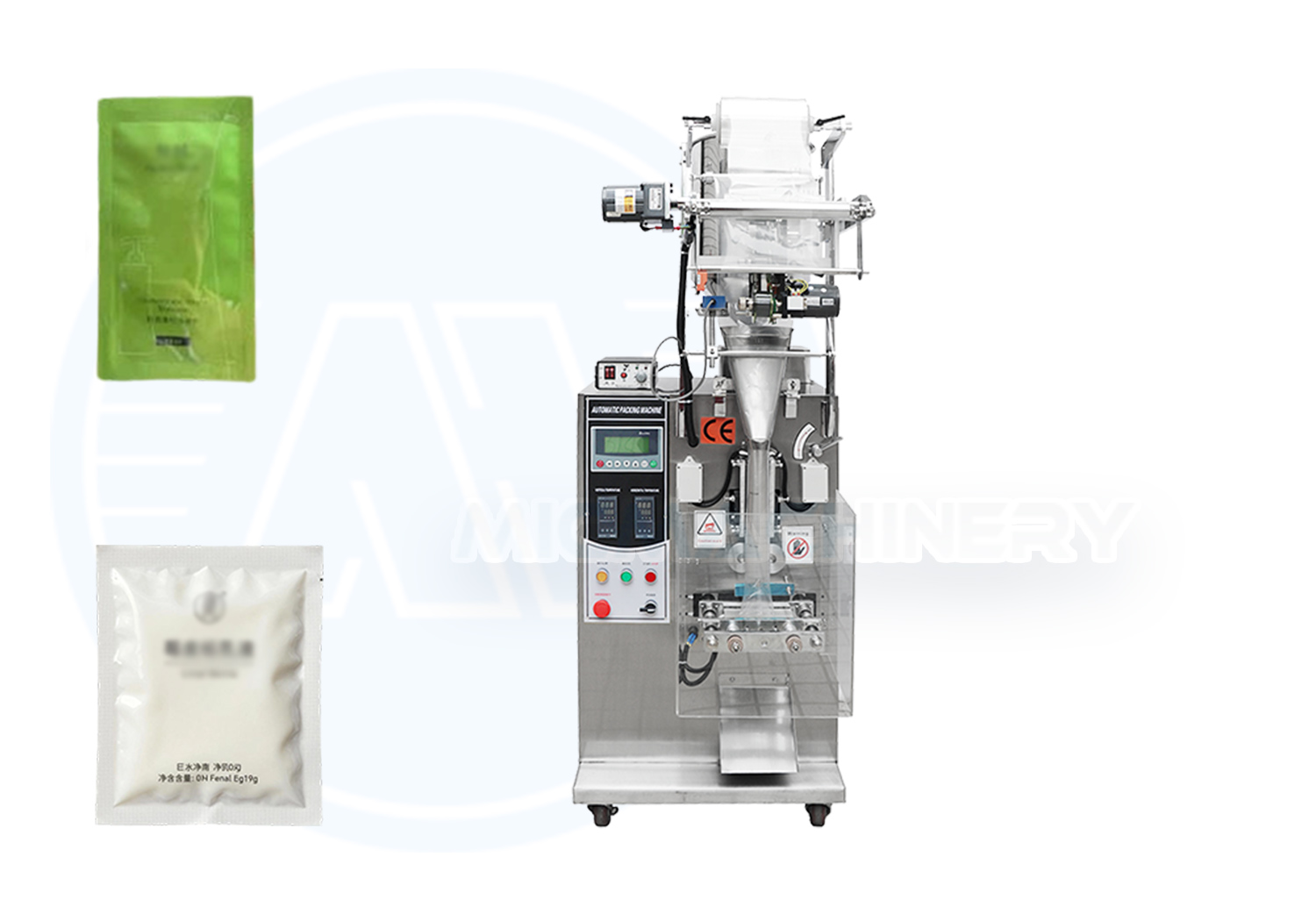
Cream Filling Machine——High-Viscosity Cosmetic Filling System
Cream products are among the most demanding materials in cosmetic filling. Their high viscosity, temperature sensitivity, and tendency to trap air make stable filling difficult, especially in high-speed production environments. Unlike liquids or light lotions, creams require stronger displacement control and more precise flow regulation to maintain consistent weight and appearance in every container.
The Cream Filling Machine developed by MIC Machinery is designed specifically for thick cosmetic formulations such as face cream, cold cream, whitening cream, anti-aging cream, and medical ointments. The system focuses on accurate volumetric dosing, stable pressure control, and clean filling without product stringing or air entrapment.
In real production, cream filling is not only about speed. It is about maintaining texture integrity, preventing separation, and ensuring every jar looks identical on the retail shelf.
The cream filling process begins with product preparation in a mixing or holding tank where viscosity and texture are stabilized. In many production lines, gentle agitation is applied to prevent phase separation and maintain uniform consistency throughout the batch. For temperature-sensitive creams, heating jackets are used to ensure stable flow behavior before filling.
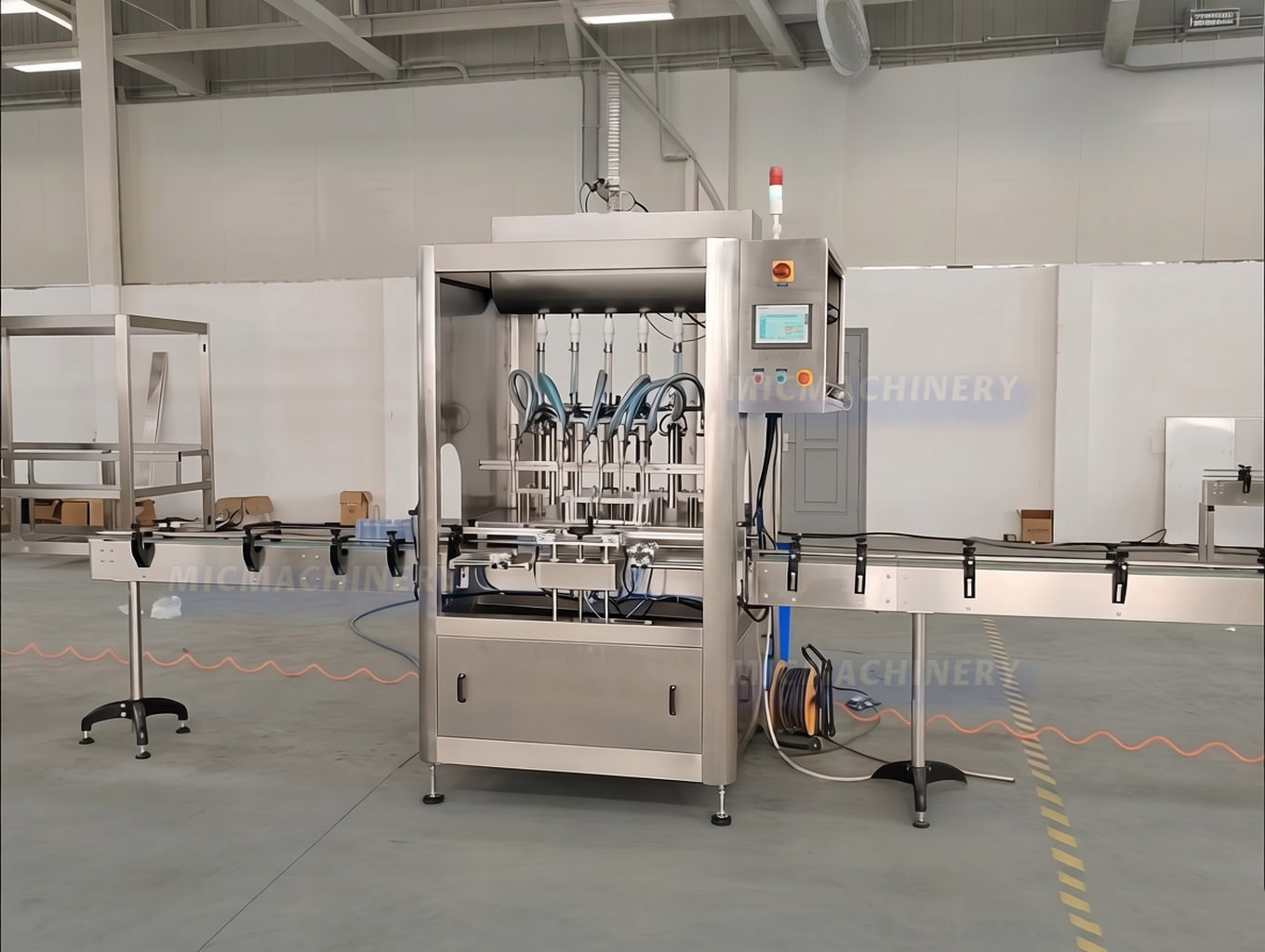
Once prepared, the cream is transferred into a buffer hopper that feeds the filling system at a constant rate. Bottles or jars are automatically transported by the conveyor system and positioned under the filling nozzles using sensor-based alignment. Accurate positioning is essential to avoid overflow and ensure consistent filling across all containers.
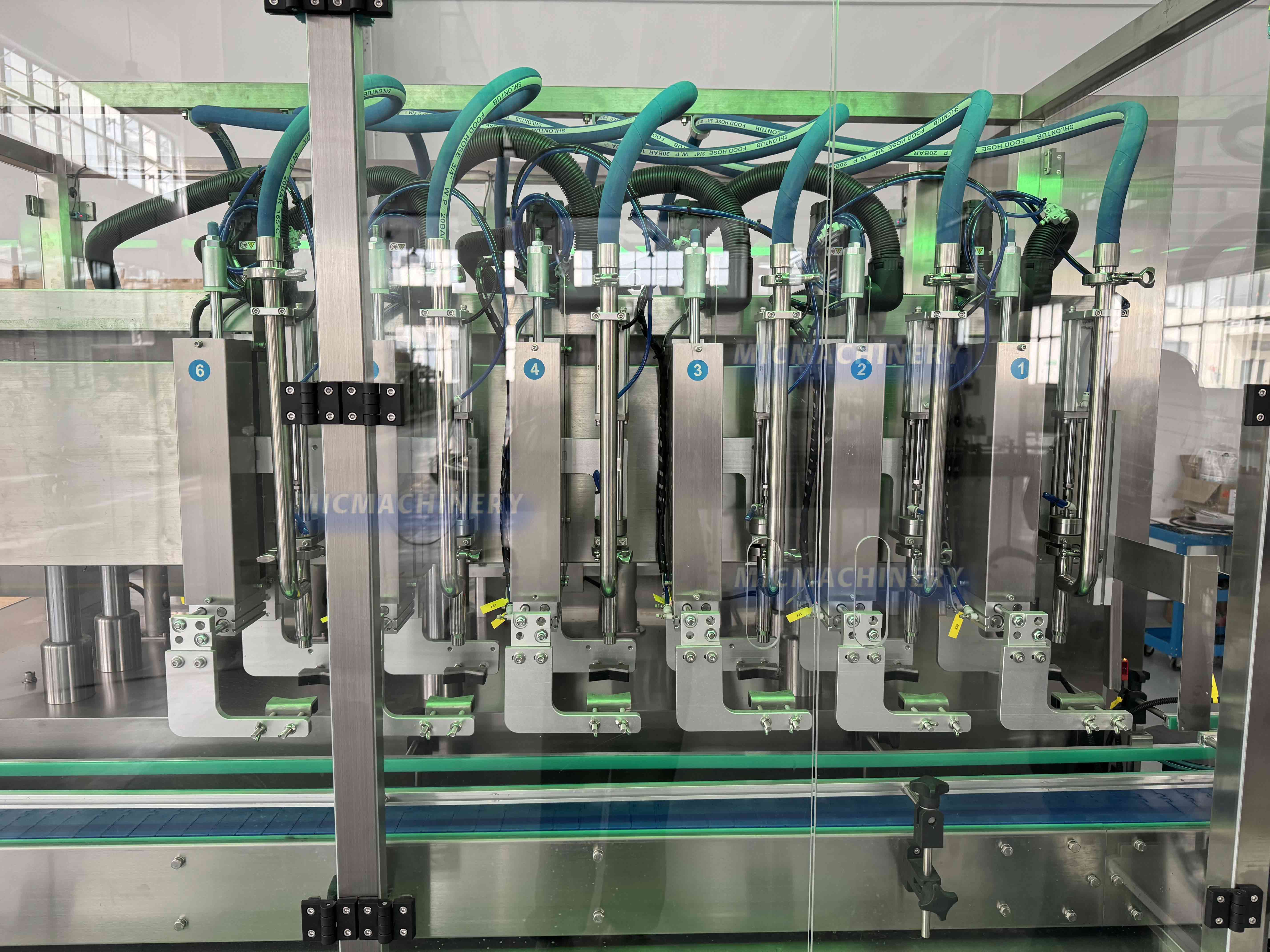
The filling cycle begins when the piston or servo system draws a precise amount of cream into the dosing chamber. The material is then dispensed into each container at a controlled speed to avoid air entrapment and maintain a smooth surface finish. Depending on container shape, diving nozzles may be used to reduce splashing and improve filling quality in narrow-neck jars.
After filling, anti-drip valves ensure a clean cut-off without stringing or residue on the container opening. Filled jars are then transferred to downstream equipment such as capping machines, induction sealers, or labeling systems. The entire process is synchronized through PLC control to maintain consistent timing and stable output across all filling heads.
Video Demonstration
Applications
The cream filling machine is widely used in the cosmetic, pharmaceutical, and personal care industries where thick emulsified products require precise packaging. Typical applications include face creams, whitening creams, anti-aging creams, moisturizing creams, sunscreen creams, and night repair creams. It is also suitable for medical ointments, herbal creams, and specialty dermatological formulations used in clinical or pharmacy packaging.
The system supports a wide range of containers including glass jars, plastic cosmetic jars, HDPE containers, and airless pump packaging depending on product requirements. It is commonly used in OEM cosmetic production lines where multiple cream formulations are filled on the same equipment with fast changeover capability.
Customization Options
Cream production lines often require customized configurations due to differences in viscosity, packaging design, and product sensitivity. MIC Machinery offers several customization options including heated or insulated hoppers for temperature-controlled filling, servo-driven dosing systems for higher precision, and anti-string nozzle designs for improved filling appearance.
CIP cleaning systems can be integrated to simplify cleaning between batches and reduce downtime in multi-product facilities. Recipe-based PLC control allows operators to switch between different cream formulations without mechanical adjustment. The system can also be integrated into full cosmetic production lines including automatic jar unscramblers, capping systems, labeling machines, and carton packaging equipment.
Maintenance and Operation
Proper maintenance is essential for ensuring stable long-term operation, especially when handling thick emulsified creams that may leave residues inside the system. Daily cleaning typically involves flushing the hopper, piston chamber, and filling nozzles with warm water or approved cleaning agents to prevent buildup and maintain hygiene standards.
Weekly inspection should include checking piston seals, nozzle condition, and sensor alignment to ensure stable operation. Pneumatic pressure systems should be monitored regularly, and servo-driven systems should be checked for synchronization accuracy across all filling heads. For heated systems, temperature control stability should also be verified.
With proper maintenance routines, the machine can maintain consistent accuracy and smooth operation even under continuous multi-shift production conditions.
FAQ
Q1: Can the machine handle very thick creams? Yes, the system is designed for high-viscosity products including dense cosmetic and pharmaceutical creams.
Q2: How is air bubble formation prevented? Controlled filling speed and diving nozzle design help minimize air entrapment.
Q3: What container types are supported? Glass jars, plastic jars, HDPE containers, and airless pump bottles are supported.
Q4: Can it handle multiple cream formulations? Yes, PLC recipe control allows fast switching between different products.
Q5: Is heating required for cream filling? It depends on product formulation; heating is optional but useful for temperature-sensitive creams.
Q6: Can it be integrated into a full production line? Yes, it can connect with capping, sealing, labeling, and packaging systems for full automation.
Industrial Cream Filling Machine from MIC Machinery
The MIC Machinery Cream Filling Machine is engineered for stable, precise, and clean handling of high-viscosity cosmetic products in real industrial production environments. It focuses on dosing accuracy, product appearance, and reliable integration into automated cosmetic packaging lines where consistency is essential.