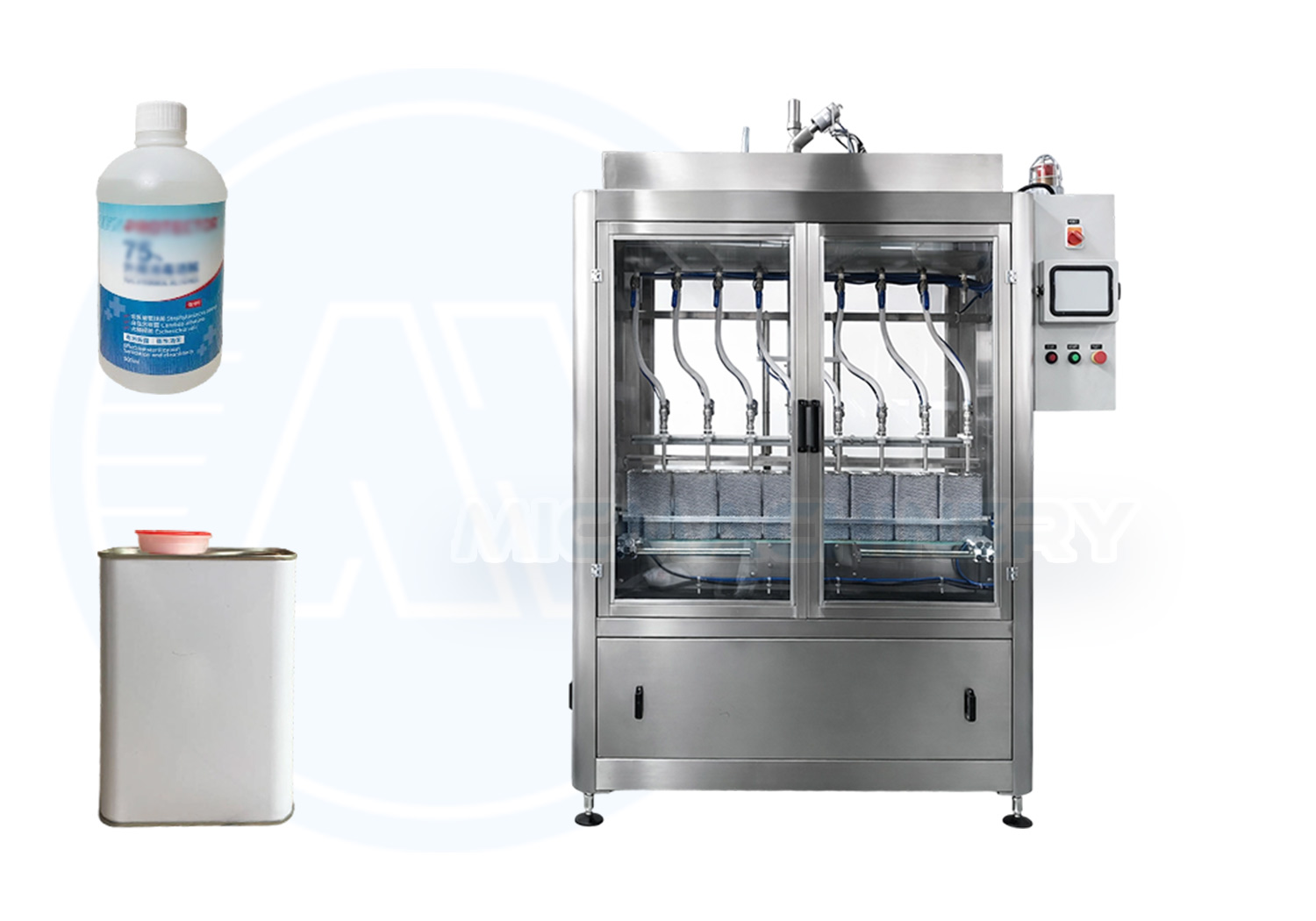
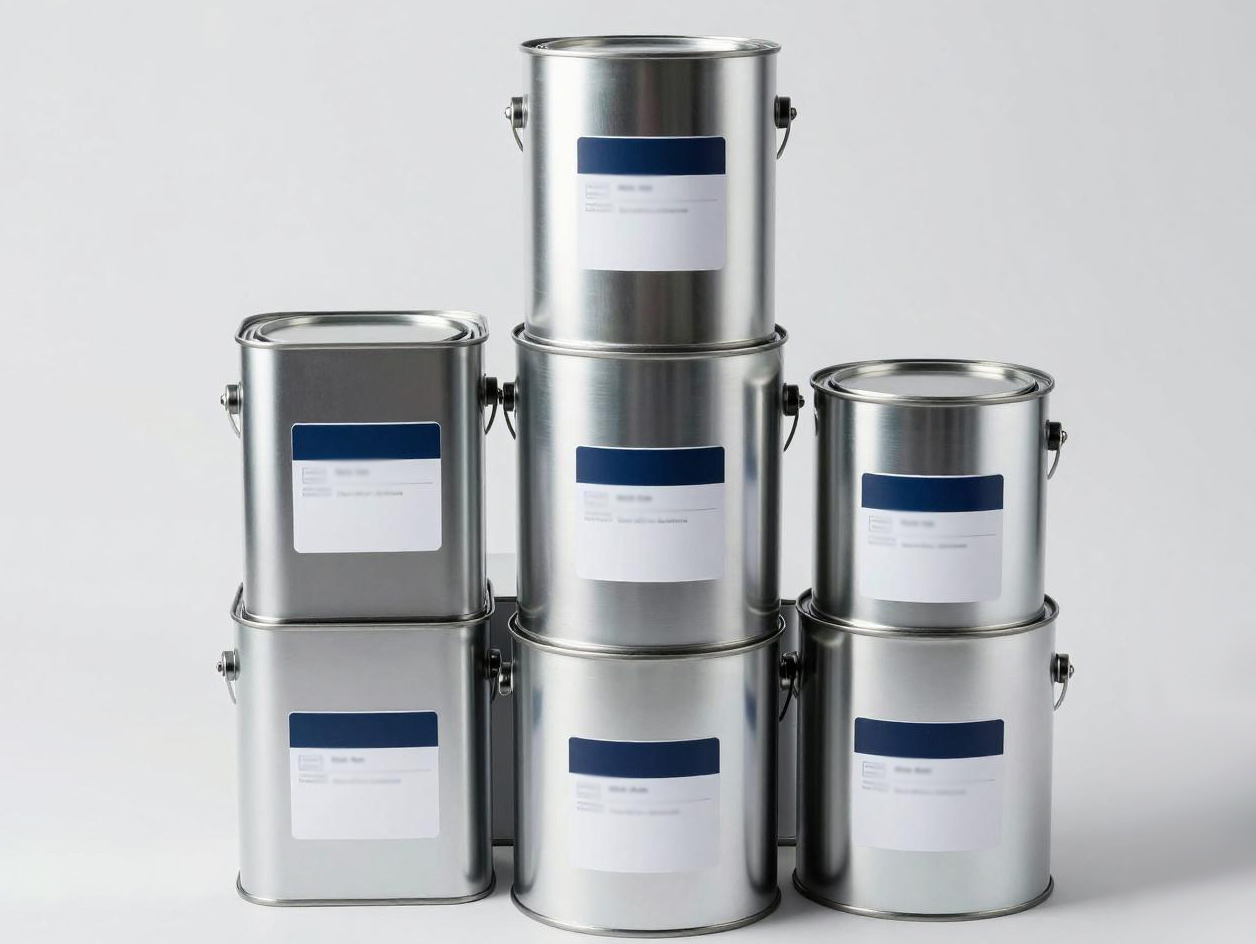
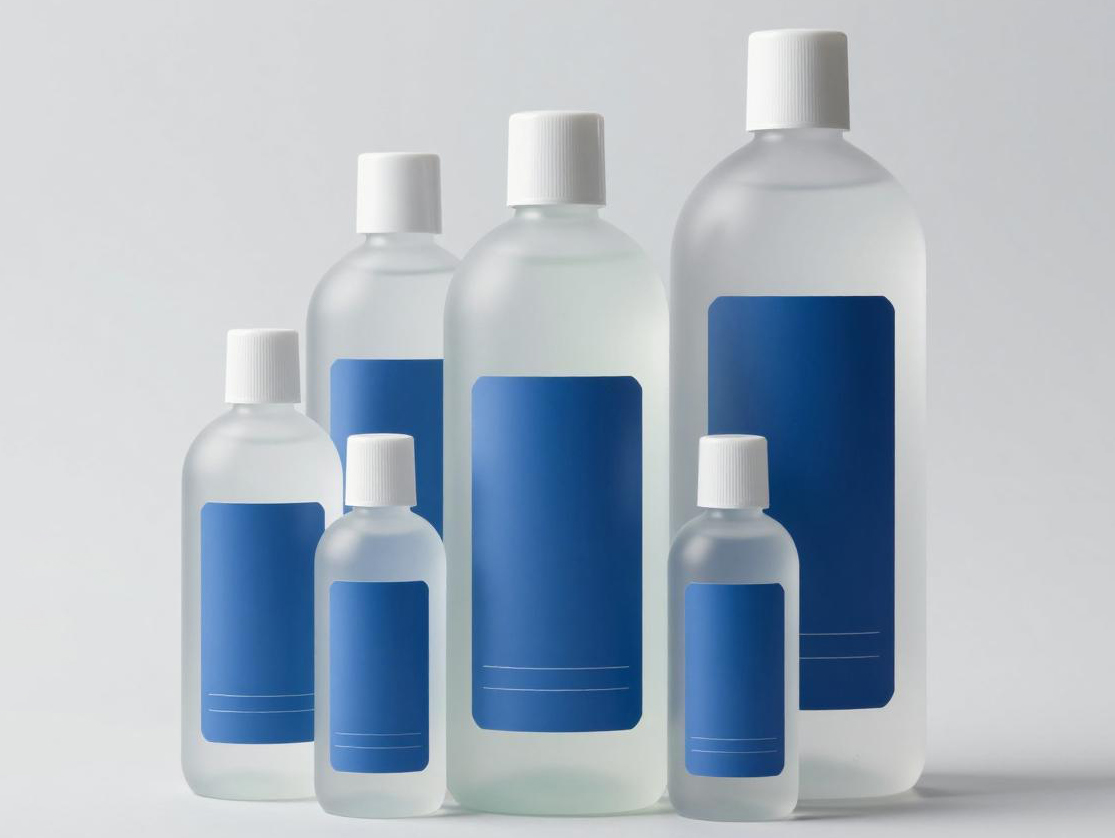
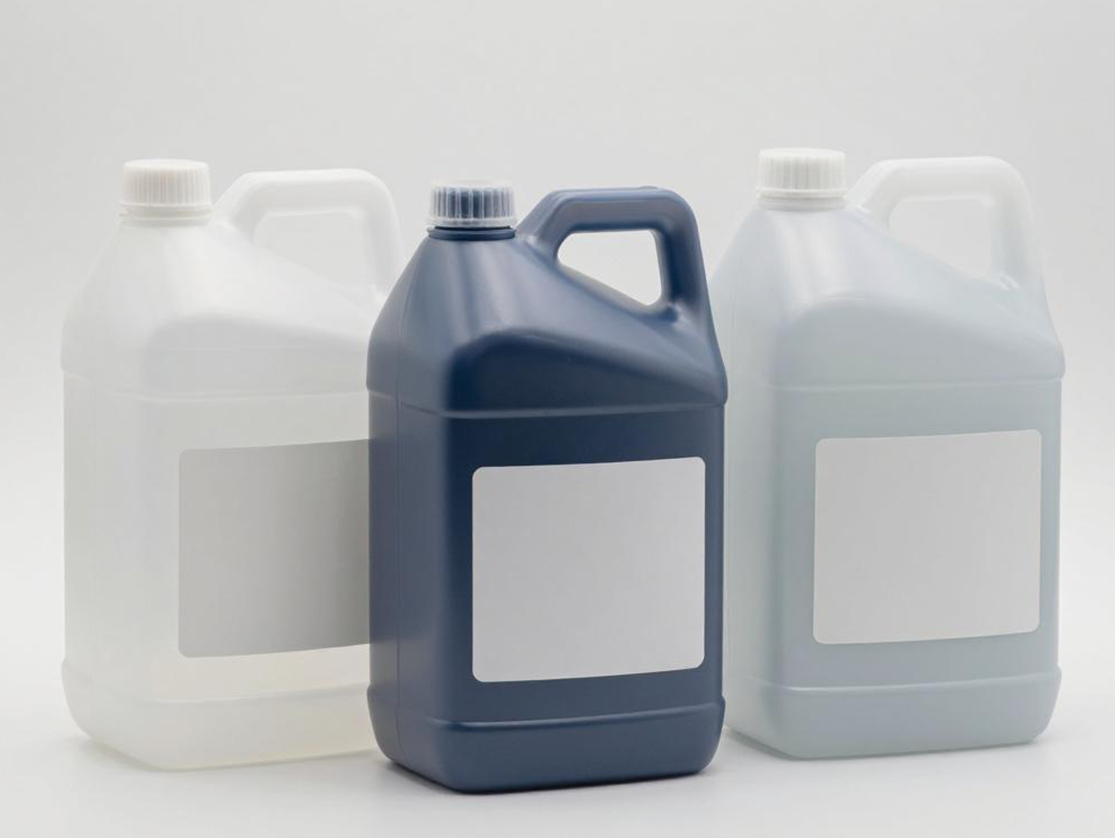
In chemical, solvent, and flammable liquid production, safety is the core requirement. The Explosion Proof Filling Machine is built for environments with volatile or combustible liquids, combining explosion-proof electrical systems, anti-spark design, and automated control to ensure safe and stable operation. At MIC Machinery, every component is engineered based on real production conditions to reduce ignition risks while maintaining accurate and efficient filling performance.
Working Process
The working process of an Explosion Proof Filling Machine is designed to minimize human contact and eliminate ignition risks while maintaining consistent dosing accuracy.
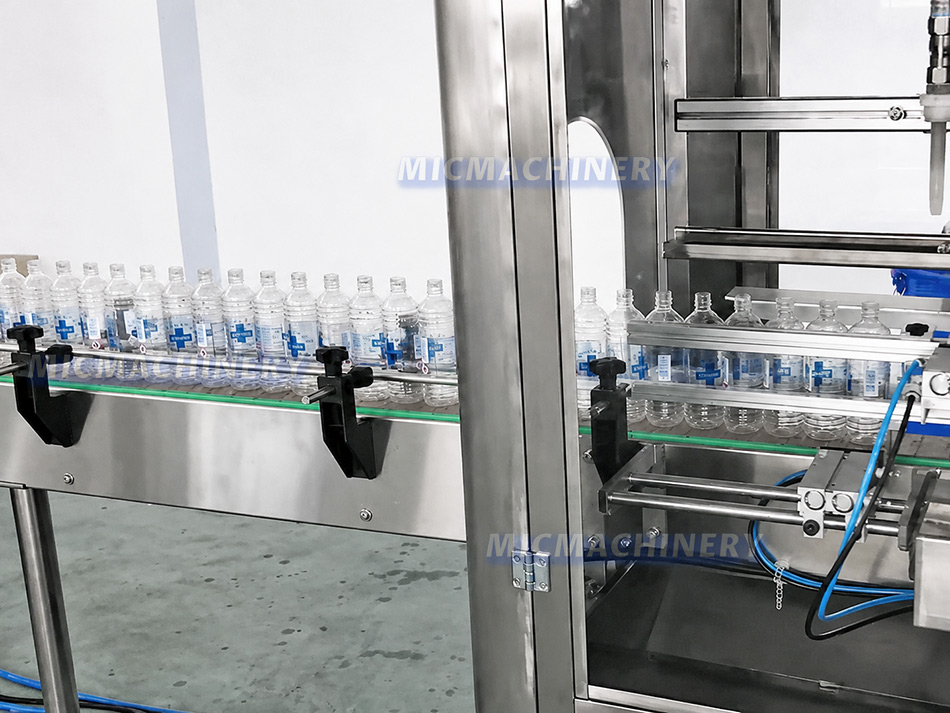
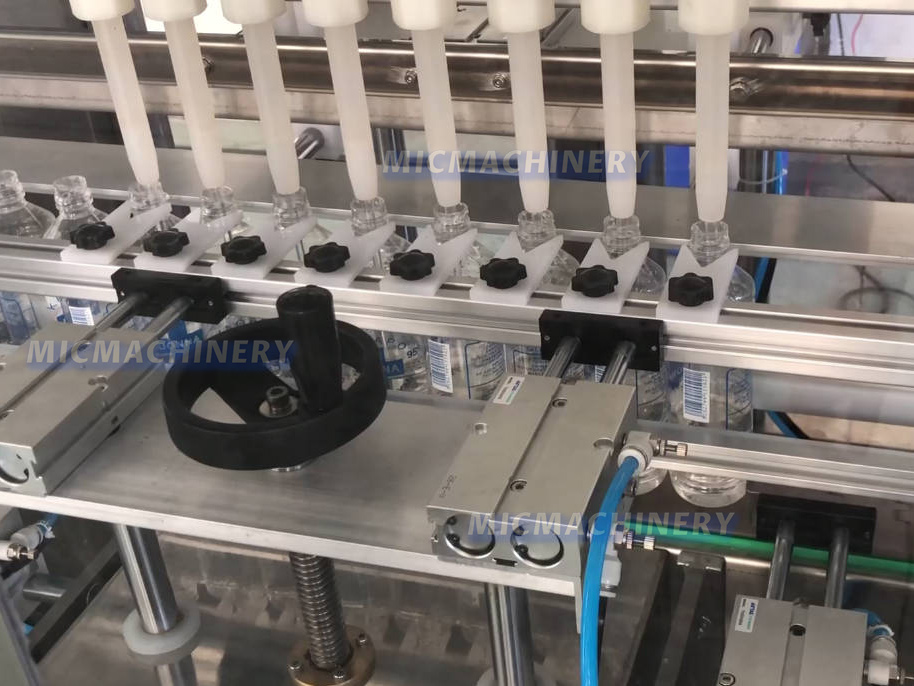
First, containers are automatically or manually positioned on the conveyor system. The machine then detects the bottle position using sensors to ensure precise alignment with the filling nozzles.
Once aligned, the filling system activates. Depending on the selected mode, liquid is drawn from the storage tank and transferred through sealed pipelines into each container. For volatile liquids, a closed-loop system is often used to reduce vapor release during filling.
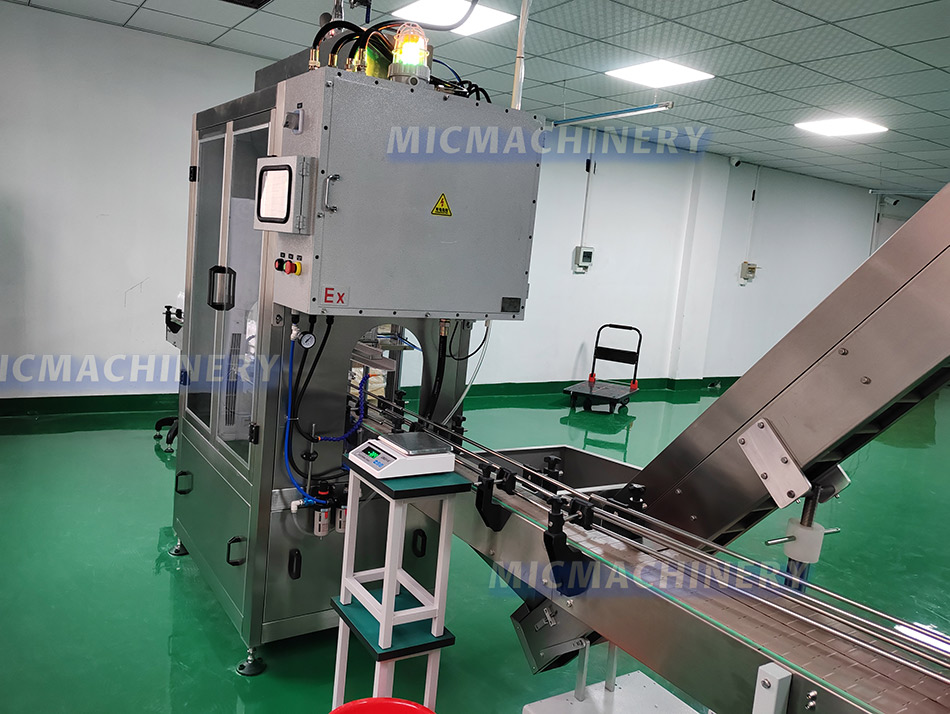
During operation, all electrical components in the hazardous zone are isolated or explosion-proof certified. The control cabinet is separated from the filling area to further reduce operational risks.
After filling, bottles move to the next stage such as capping or labeling. The entire workflow is continuous, stable, and designed for industrial-scale production.
Video Demonstration
Applications
Explosion Proof Filling Machines are widely used in industries that handle flammable, combustible, volatile, or chemically active liquids. Their explosion-proof electrical systems and sealed filling structures provide a safe solution for production environments where conventional filling equipment may create safety risks.
In the chemical industry, these machines are commonly used for solvents, thinners, industrial chemicals, detergents, disinfectants, and corrosive liquids. Corrosion-resistant materials such as SUS316L stainless steel and PTFE seals can be selected according to product characteristics.
Paint and coating manufacturers use explosion proof filling equipment for solvent-based paints, inks, varnishes, and coatings, where vapor control and ignition prevention are critical. Pharmaceutical and cosmetic producers also apply these machines for alcohol-based products, perfume bases, fragrances, and volatile liquid formulations that require both safety and filling accuracy.
The equipment is equally suitable for automotive chemicals such as lubricants, brake fluids, fuel additives, and maintenance liquids, as well as ethanol products and industrial cleaning agents. Across these applications, Explosion Proof Filling Machines help maintain safe operation, consistent filling performance, and compliance with industrial safety standards.
Customization Options
Different factories have different production layouts and safety requirements. MIC Machinery provides customization based on actual process conditions.
· Common customization options include:
· Explosion-proof classification upgrades
· Multi-nozzle filling configurations for higher output
· Corrosion-resistant material upgrades (PTFE, SS316L piping systems)
· Automatic weighing and feedback filling systems
· Foam control and anti-drip nozzle designs
· Integration with capping, labeling, and packing lines
· Customized conveyor height and layout design
Customization is especially important for chemical industries where product behavior varies significantly in viscosity, volatility, and reactivity.
Maintenance and Operation Guidelines
Proper maintenance is critical for long-term safety and stable performance. The Explosion Proof Filling Machine is designed for easy maintenance, but regular inspection is still necessary.
Key maintenance practices include:
· Checking sealing components and gaskets regularly to prevent vapor leakage
· Inspecting explosion-proof electrical housings for damage or wear
· Cleaning filling nozzles to avoid residue buildup and clogging
· Ensuring grounding systems are properly connected
· Lubricating mechanical moving parts according to schedule
· Verifying sensor accuracy and PLC system stability
Operators should also receive proper training before handling the equipment, especially in environments with high flammable vapor concentration.
FAQ – Explosion Proof Filling Machine
1)What makes an Explosion Proof Filling Machine different from a standard filler?
It is designed with explosion-proof electrical systems, anti-spark components, and sealed operation zones to prevent ignition in hazardous environments.
2)How is safety ensured during operation?
Safety is ensured through explosion-proof motors, isolated control cabinets, sealed filling systems, and certified electrical components.
3)Can it be integrated into a full production line?
Yes, it can be connected with capping machines, labeling machines, and packing systems for a complete automated line.
Explosion Proof Filling Solutions from MIC Machinery
The Explosion Proof Filling Machine is not just a filling system—it is a safety-critical production solution for industries handling flammable and volatile liquids. Its design focuses on reducing operational risk while maintaining high accuracy and production stability.
With engineered safety structures, flexible configurations, and industrial-grade reliability, MIC Machinery provides solutions tailored to modern chemical manufacturing environments where safety and efficiency must work together.