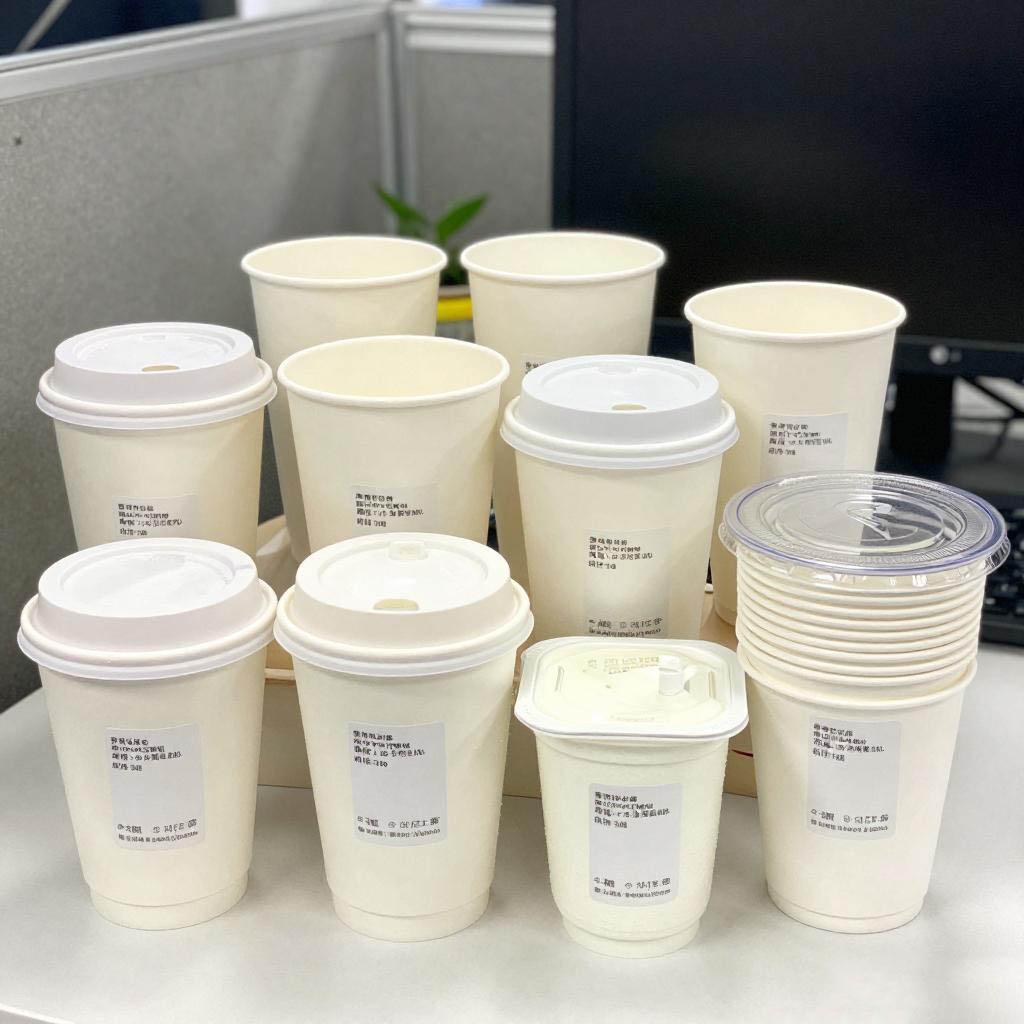
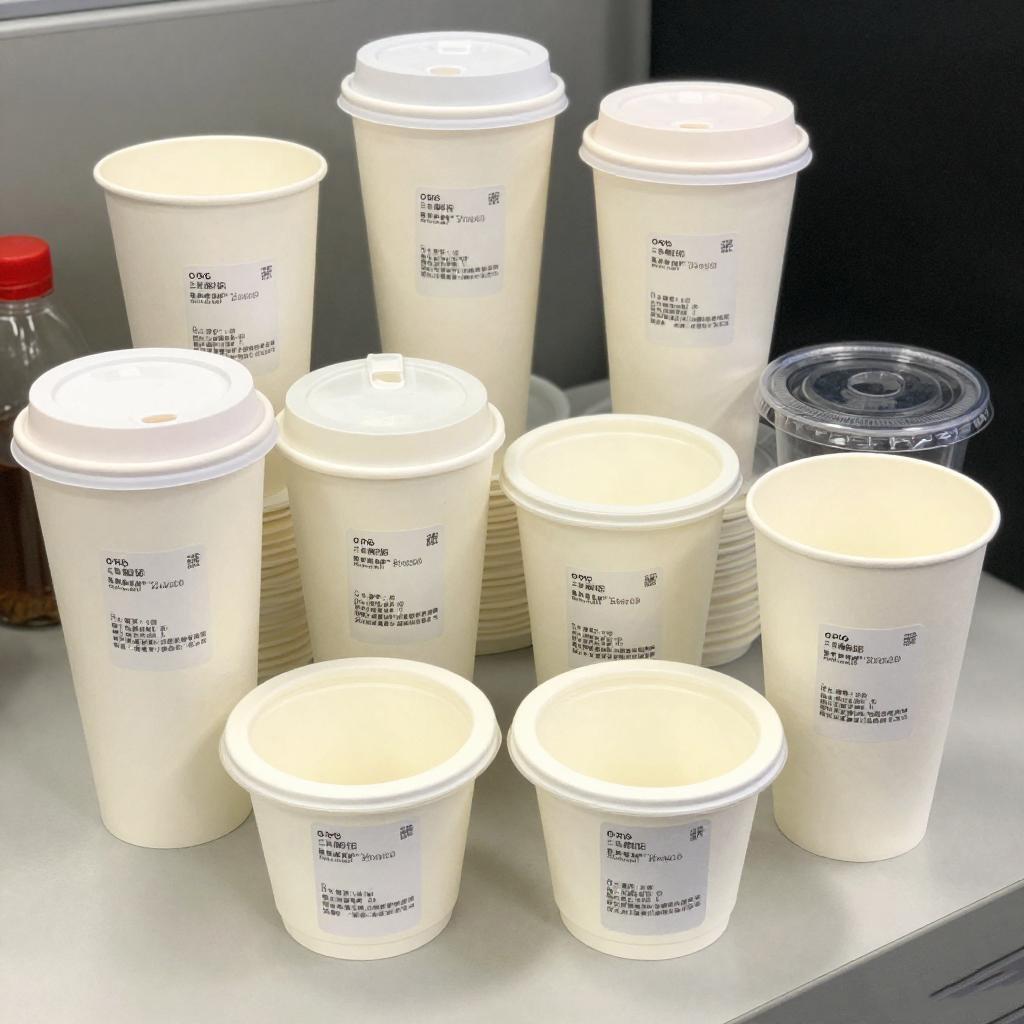
Cup Labeling Machine——Automatic Cup Label Applicator System
Disposable and semi-rigid cups are widely used in dairy products, beverages, desserts, sauces, pharmaceuticals, and personal care packaging. Whether it is yogurt cups, jelly cups, medicine cups, or takeaway beverage containers, accurate labeling plays an important role in product identification, shelf appeal, and regulatory compliance.
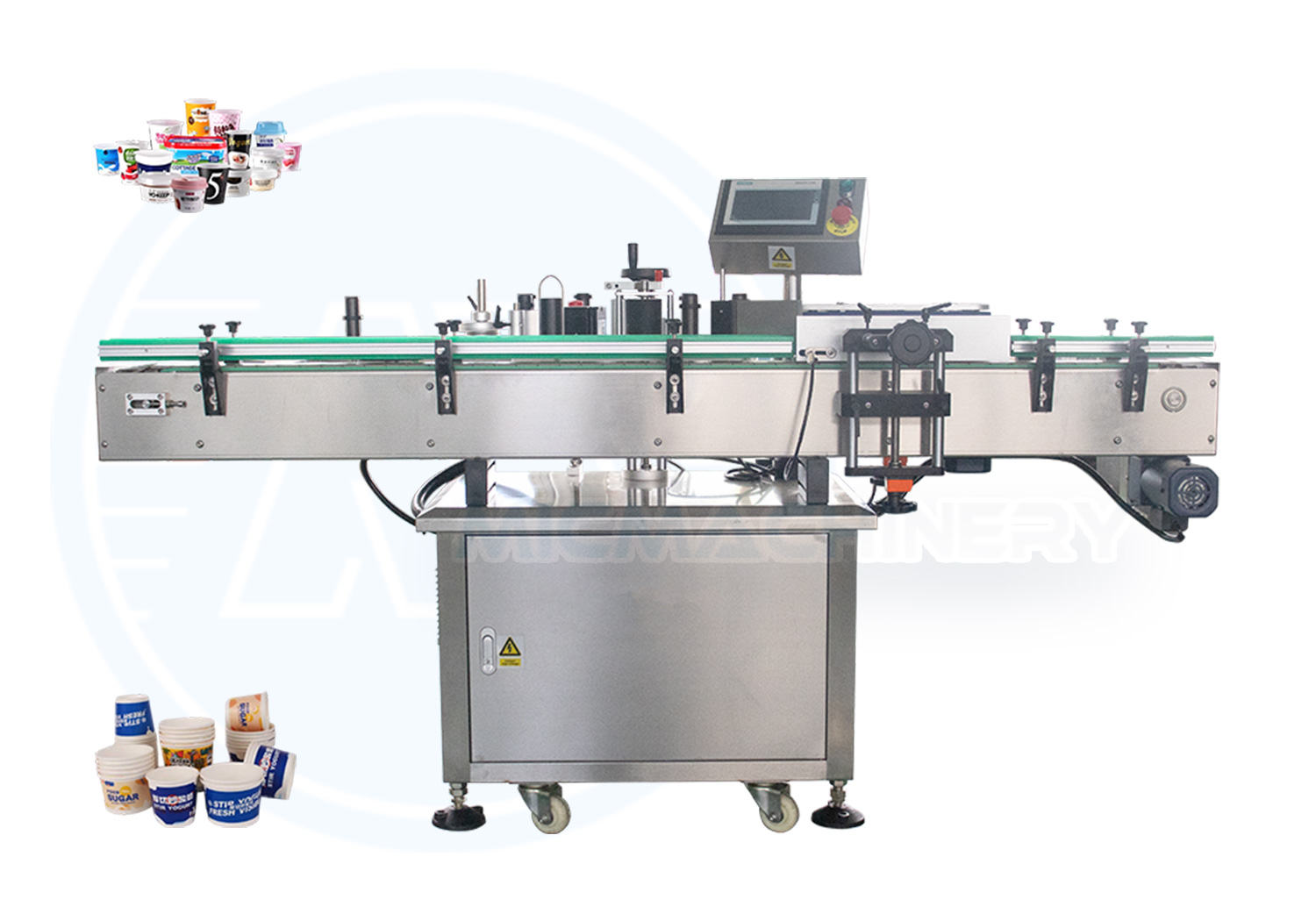
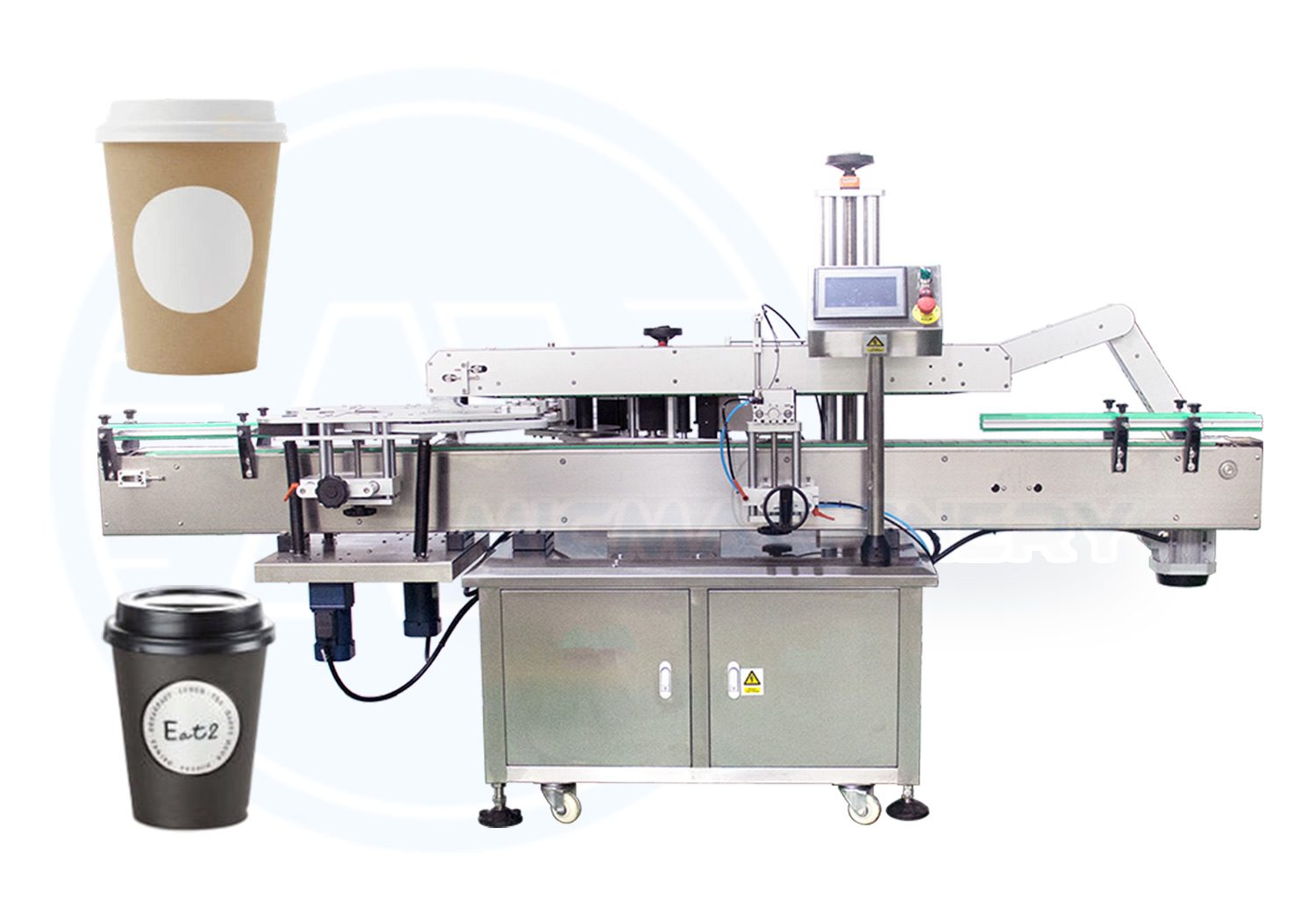
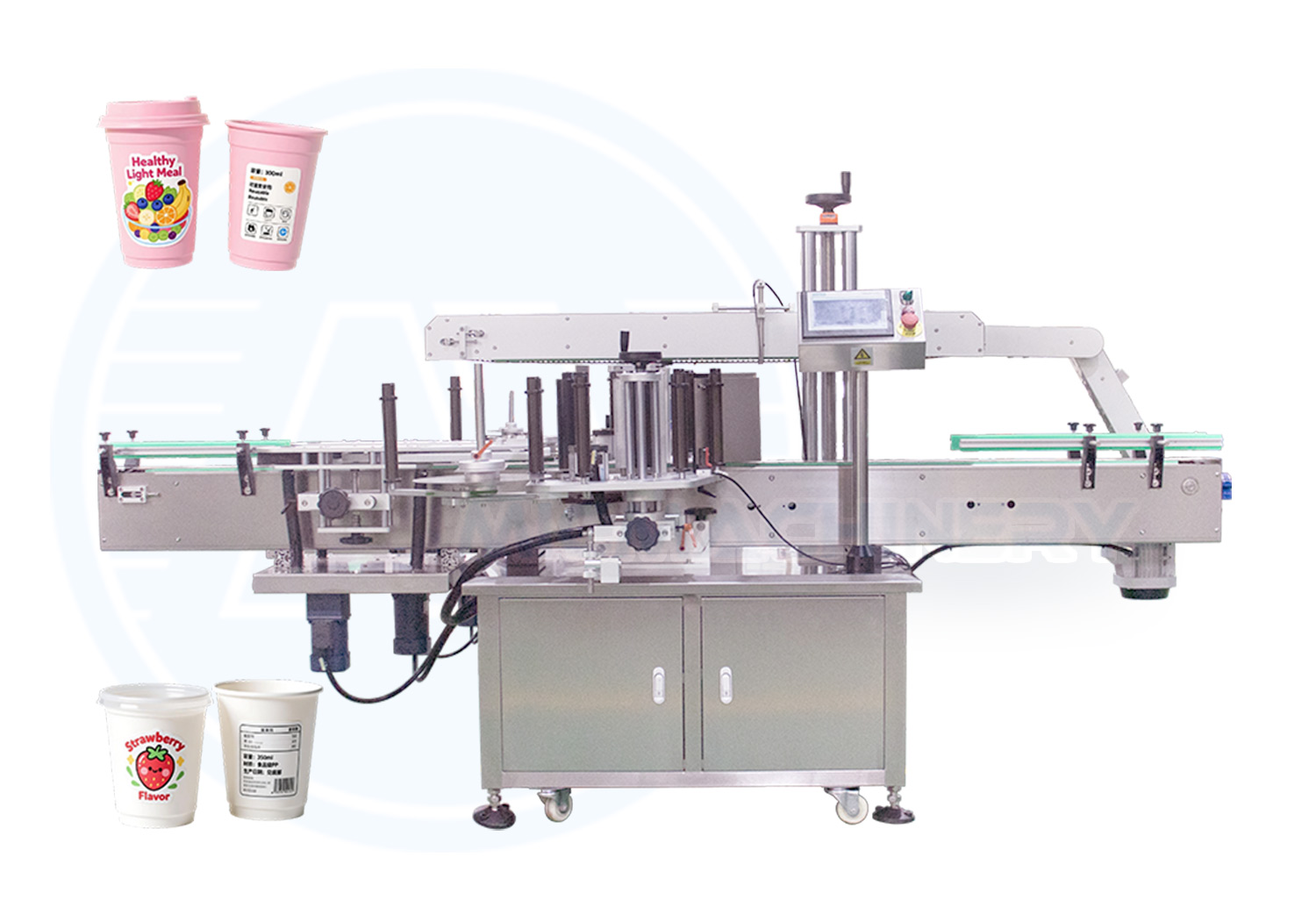
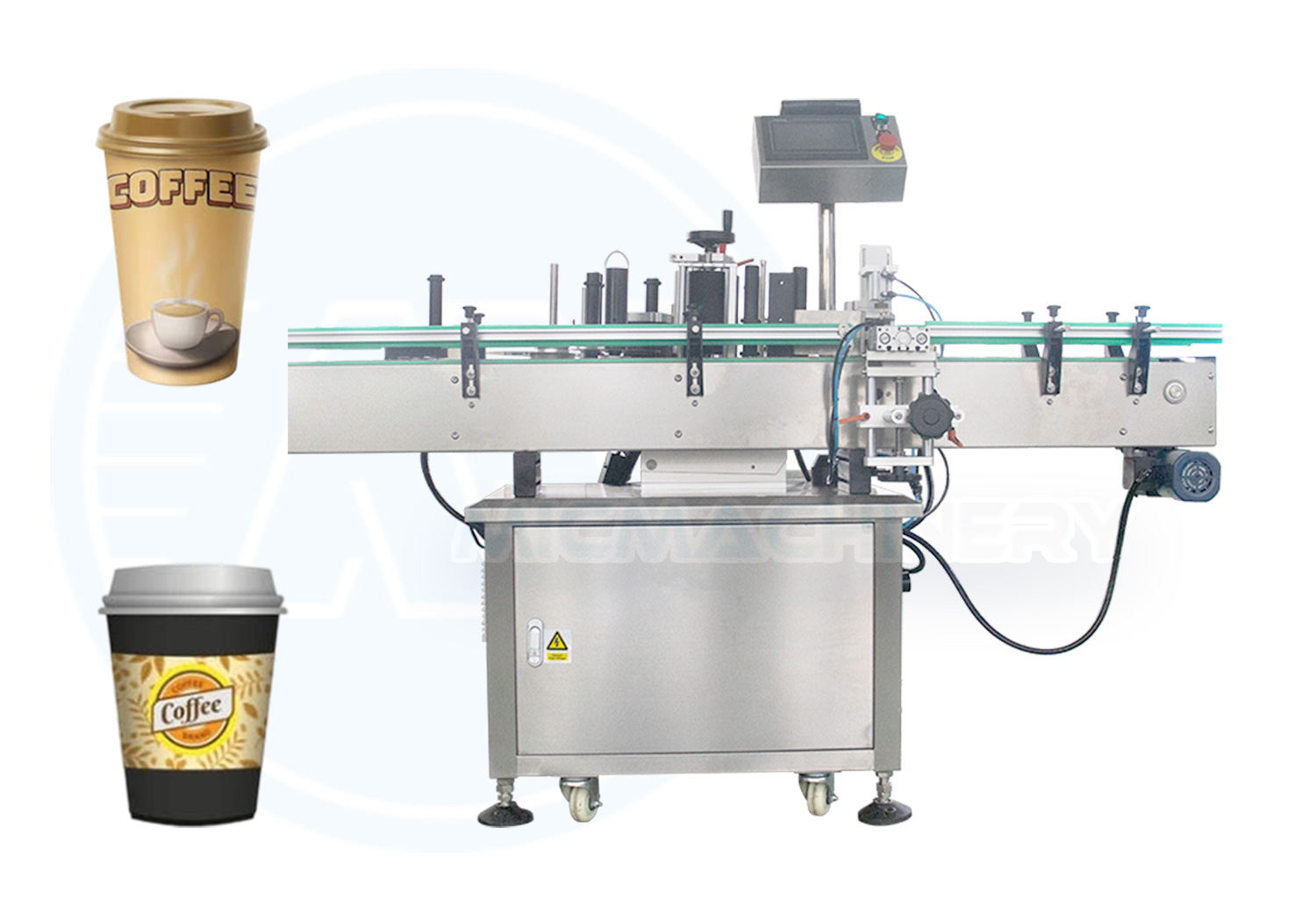
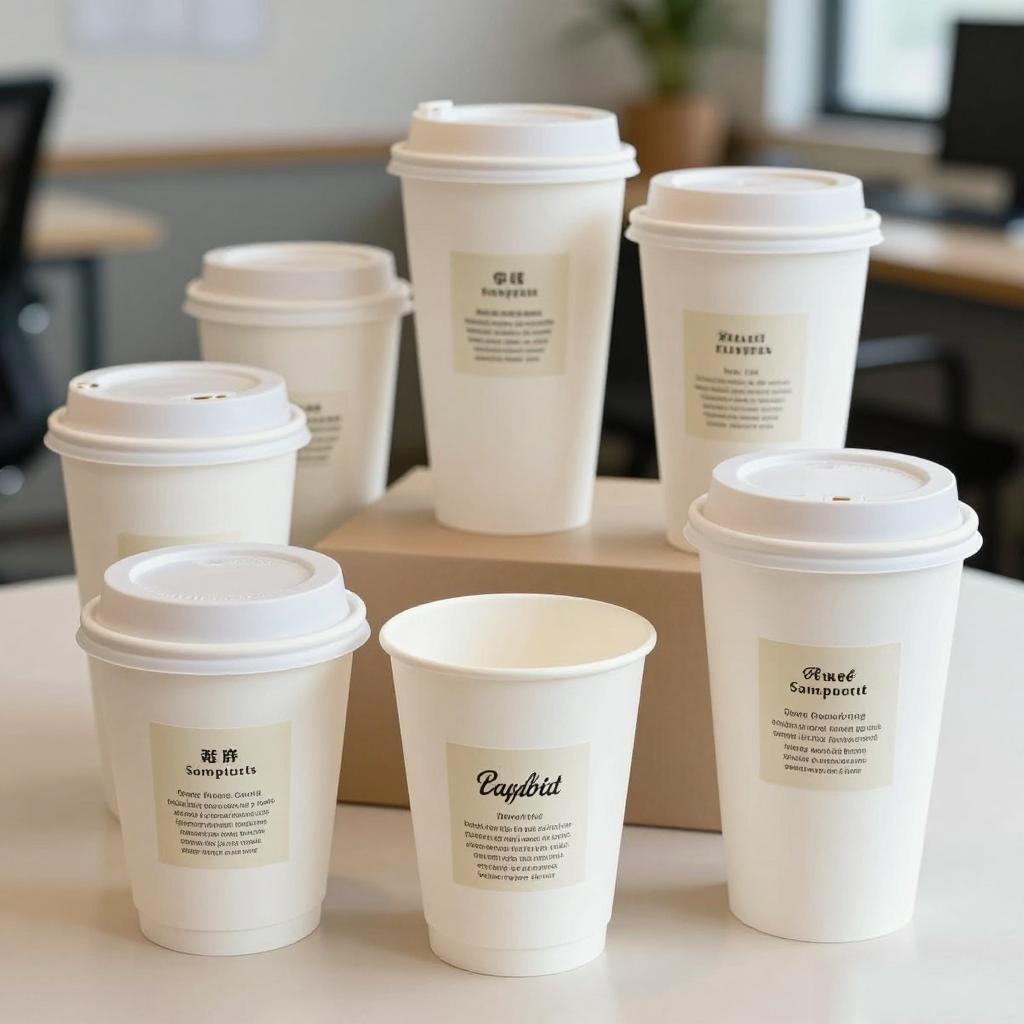
The Cup Labeling Machine from MIC Machinery is designed specifically for round and tapered cup containers. It provides stable, high-speed application of self-adhesive labels on thin-walled plastic cups without deformation, wrinkling, or misalignment. The system is widely used in food production lines and automated packaging facilities where consistency and hygiene are critical.
Unlike standard bottle labeling systems, cup labeling requires gentle handling, precise alignment, and synchronized support systems to prevent deformation during transport and labeling. This machine is built around those requirements.
Working Process
The labeling process begins when cups are fed from an upstream filling or forming machine into the conveyor system. Depending on the production line setup, cups may be automatically separated from stacks or directly transferred after filling and sealing.
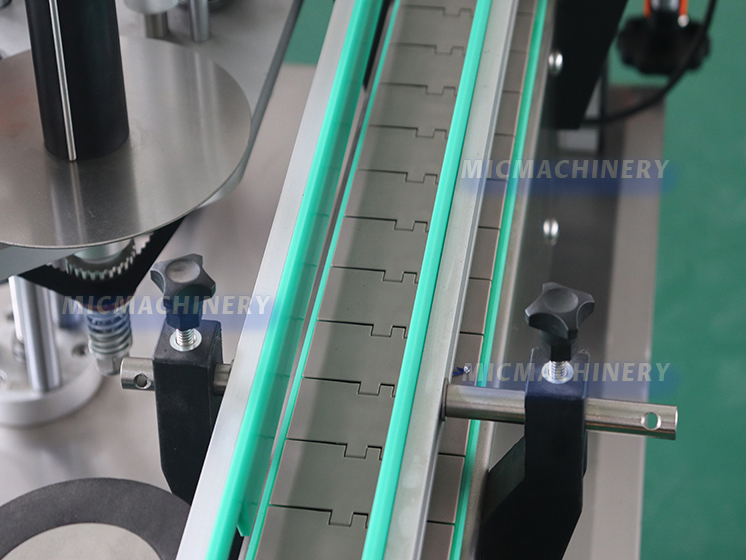
A timing screw or star wheel system positions each cup at a fixed spacing. This ensures that cups enter the labeling station with consistent orientation and distance, which is essential for high-speed accuracy.
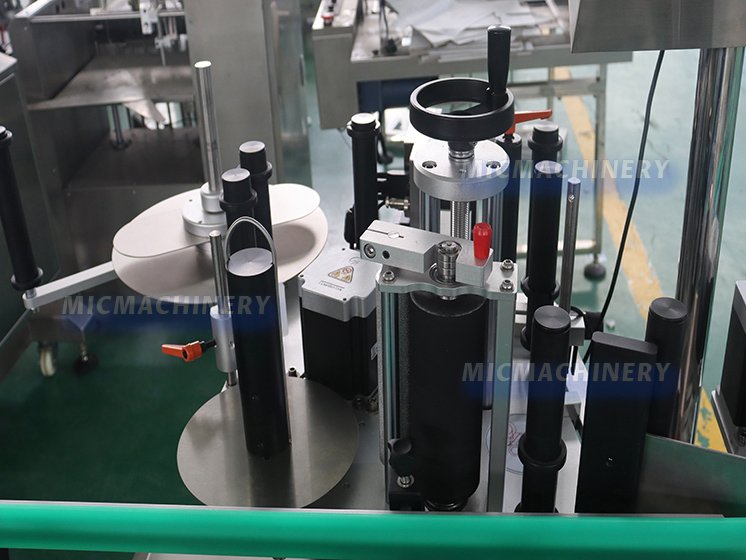
As each cup passes through the detection sensor, the PLC system triggers the servo-driven labeling head. The label is dispensed at a synchronized speed, matching the cup’s movement to ensure smooth application.
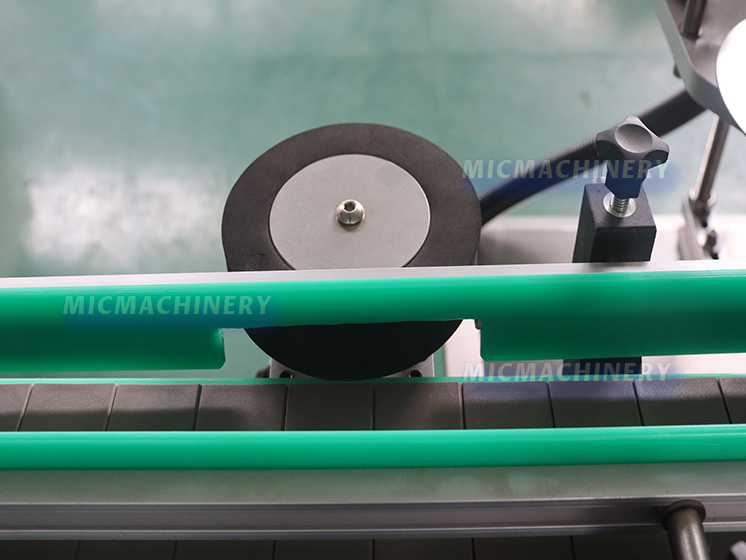
A soft pressing belt or roller system gently wraps or presses the label onto the cup surface. For round cups, the system ensures full circumferential or partial labeling depending on product requirements. For tapered cups, angle compensation mechanisms adjust label placement to avoid distortion.
If equipped with a print-and-apply system, production dates, batch codes, or QR codes are printed directly before labeling. Optional vision systems verify label position, detect missing labels, and check barcode readability.
After labeling, cups continue to downstream packaging processes such as cartoning, tray packing, or automated stacking systems.
Video Demonstration
Applications
The Cup Labeling Machine is widely used in industries requiring high-speed labeling of lightweight containers.
Typical applications include:
Yogurt cups
Dairy product containers
Jelly and pudding cups
Ice cream cups
Beverage sampling cups
Sauce and condiment cups
Pharmaceutical sample cups
Cosmetic sample containers
Disposable food cups
Fast-food takeaway cups
Nutritional supplement cups
Laboratory sample containers
The machine supports PET, PP, PS, and paper-based cup materials, including transparent and semi-transparent packaging formats.
Customization Options
MIC Machinery offers multiple customization options to match different cup types and production environments.
Star Wheel or Timing Screw Systems
Custom-designed for stable cup spacing and high-speed operation.
Wrap-Around Labeling Module
Suitable for full or partial circumference labeling on round cups.
Transparent Label Detection
Ensures accurate detection of clear labels on transparent cup surfaces.
Print-and-Apply System
Supports real-time printing of batch codes, expiry dates, and QR codes.
Vision Inspection System
Camera-based detection for label alignment, missing label detection, and barcode verification.
Soft Handling Conveyor Design
Reduces impact on thin-walled cups and prevents deformation during labeling.
Full Line Integration
Compatible with filling machines, sealing machines, carton packing systems, and robotic palletizing systems.
Maintenance and Operation
Regular maintenance ensures stable performance in continuous production environments. Daily cleaning should focus on conveyors, star wheels, labeling heads, and sensor surfaces to remove dust, adhesive residue, or product spillage.
Weekly inspections should include checking servo synchronization, label feeding tension, timing screw alignment, and guide rail stability. Wear parts such as rollers and belts should be inspected and replaced when necessary.
Electrical systems, PLC controllers, and sensor modules should be checked regularly to maintain stable communication and accurate triggering.
Lubrication of mechanical components should follow scheduled intervals to ensure smooth operation, especially in high-speed production lines.
A preventive maintenance plan helps minimize downtime and ensures consistent labeling accuracy over long production cycles.
FAQ
Q1: Can the machine handle very thin plastic cups? Yes. It is designed with gentle handling systems to prevent deformation of lightweight cups.
Q2: What types of labels can be applied? It supports self-adhesive labels, transparent labels, and printed labels with barcodes or QR codes.
Q3: What is the labeling accuracy? Standard accuracy is approximately ±1.0 mm depending on cup stability and speed.
Q4: Can it integrate with filling and sealing machines? Yes. It is commonly integrated into complete cup filling and packaging lines.
Q5: Can it detect transparent labels? Yes. Optional sensor systems are available for transparent or semi-transparent label detection.
Q6: Is it suitable for high-speed dairy production lines? Yes. It can operate at speeds up to 400 cups per minute depending on configuration.
Cup Labeling Machine Solutions from MIC Machinery
The MIC Machinery Cup Labeling Machine delivers a stable and precise solution for high-speed labeling of lightweight containers. With gentle handling systems, servo-driven accuracy, and flexible integration options, it ensures consistent performance in food, beverage, pharmaceutical, and personal care production environments where reliability and product protection are essential.