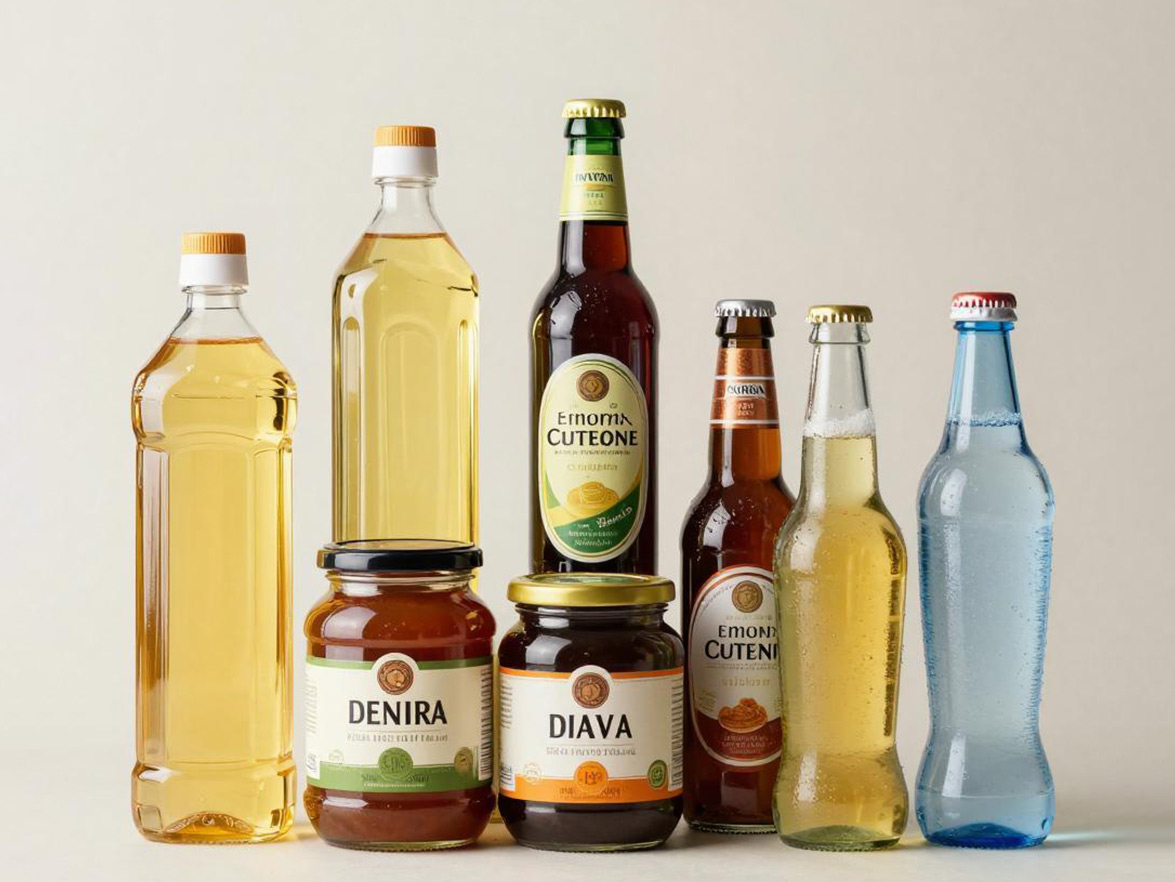
Bottle Sealing Machine——Reliable Container Sealing for Packaging Lines
In modern packaging operations, the sealing stage plays a critical role in protecting product quality, preventing leakage, and ensuring safe transportation. A Bottle Sealing Machine is designed to create a secure closure between the bottle and its cap or seal, helping manufacturers maintain product integrity throughout storage and distribution.
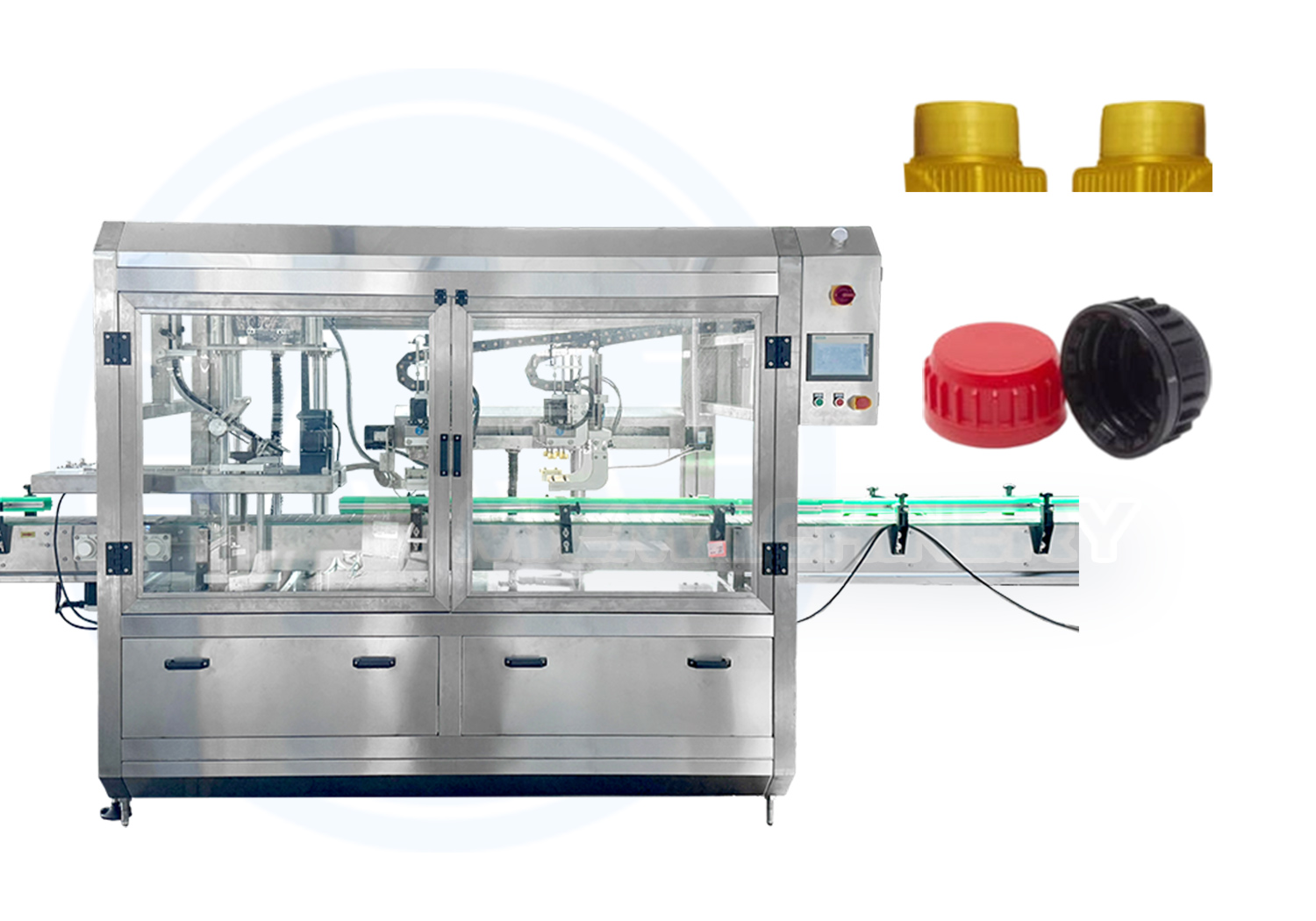
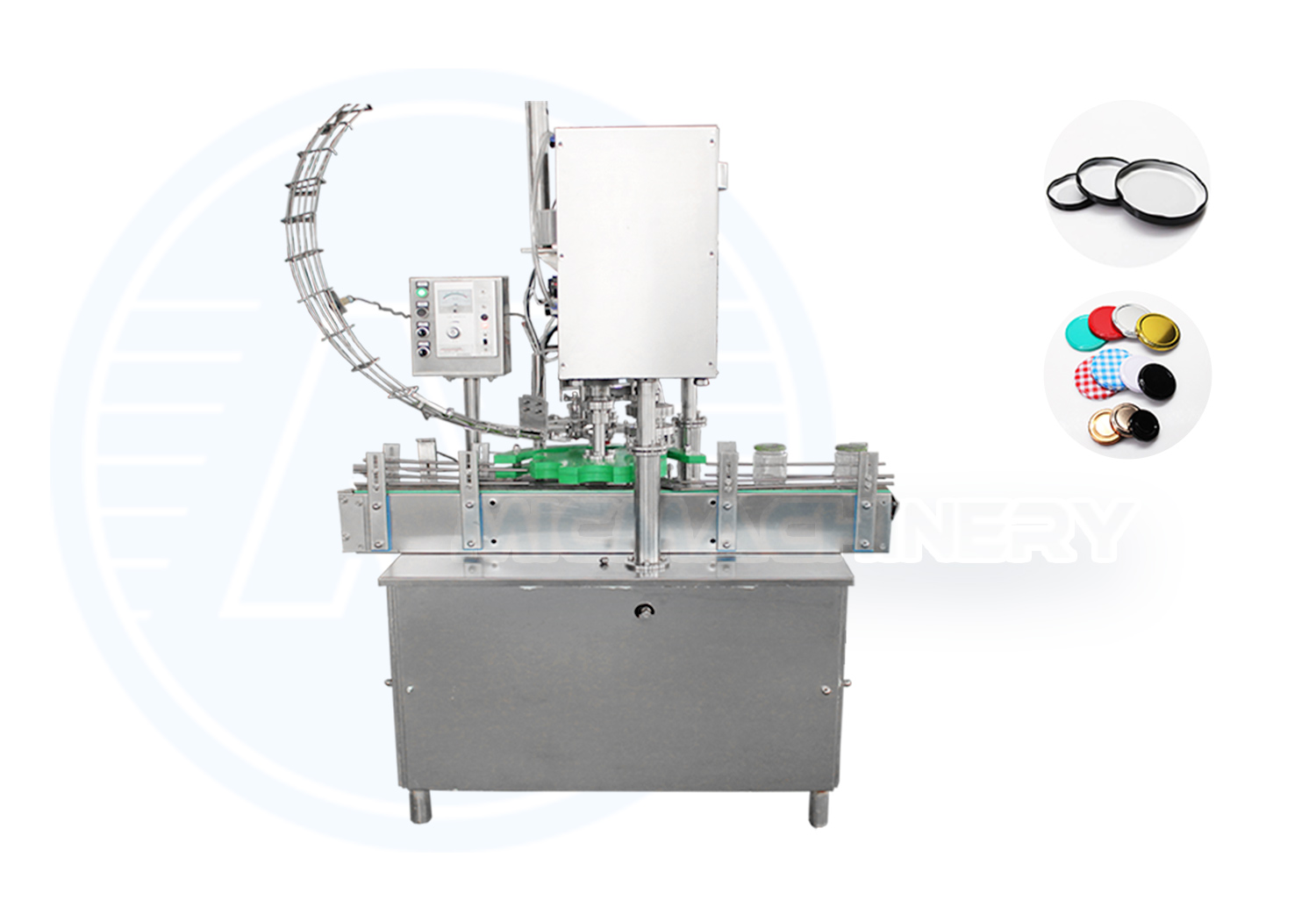
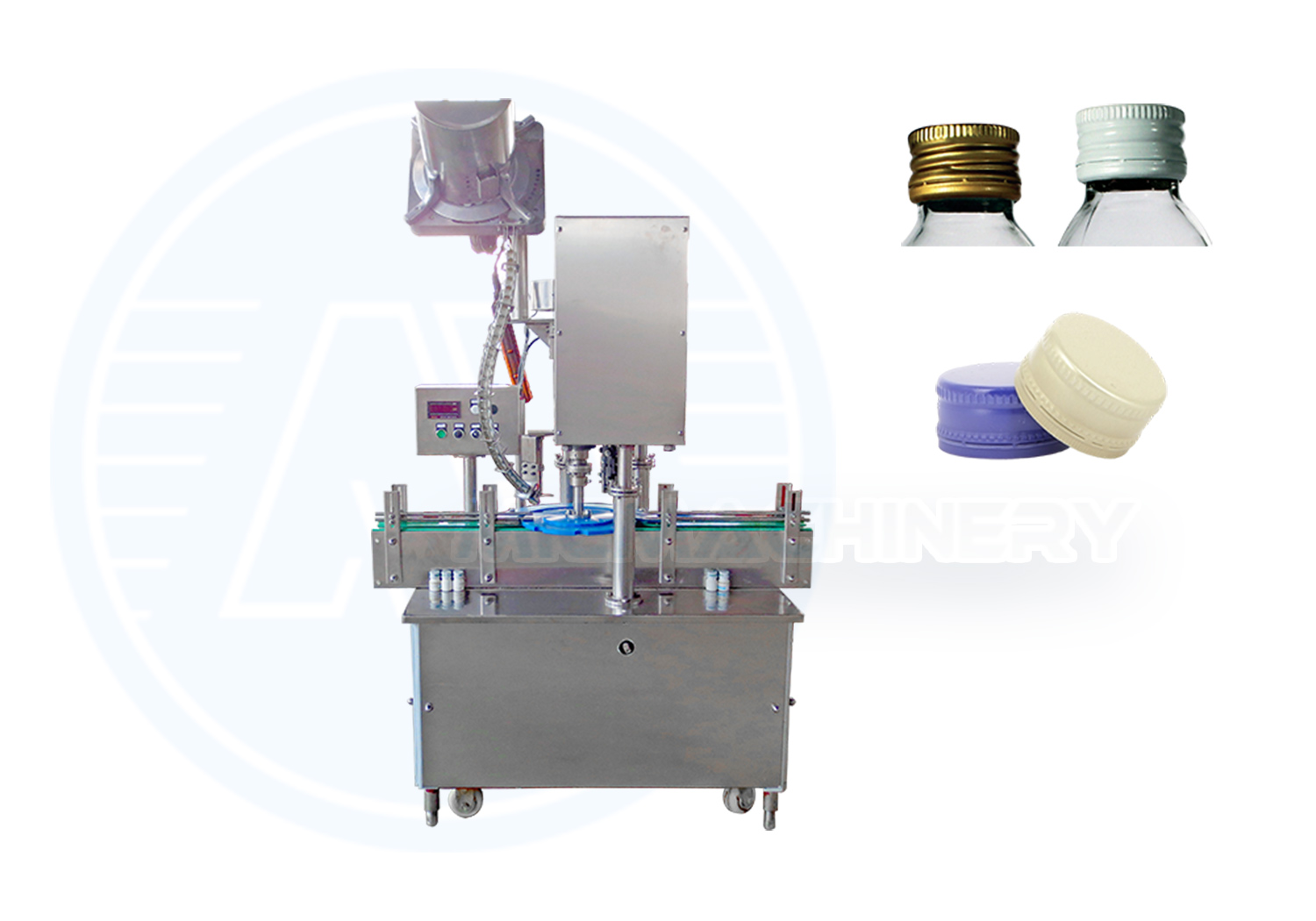
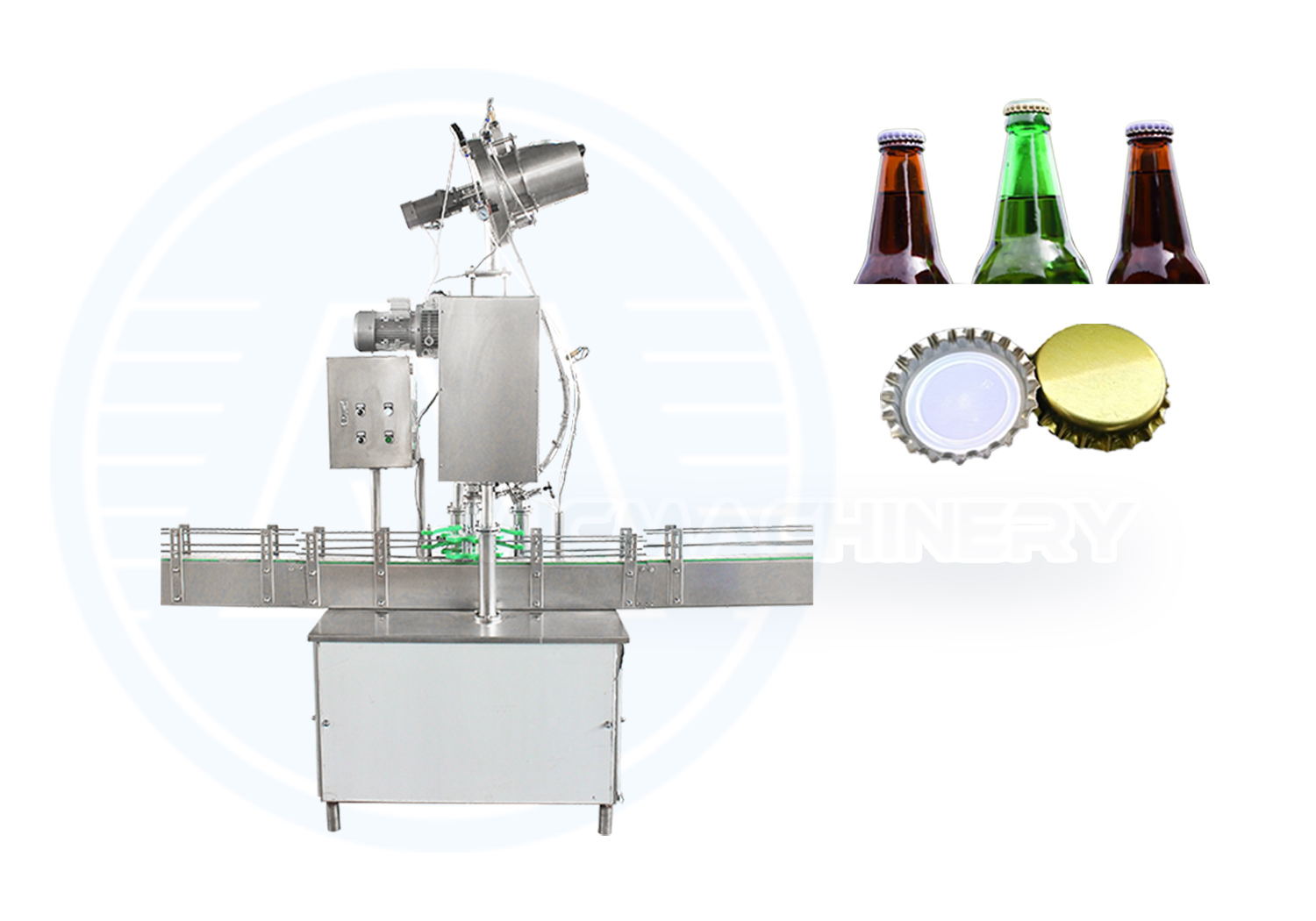
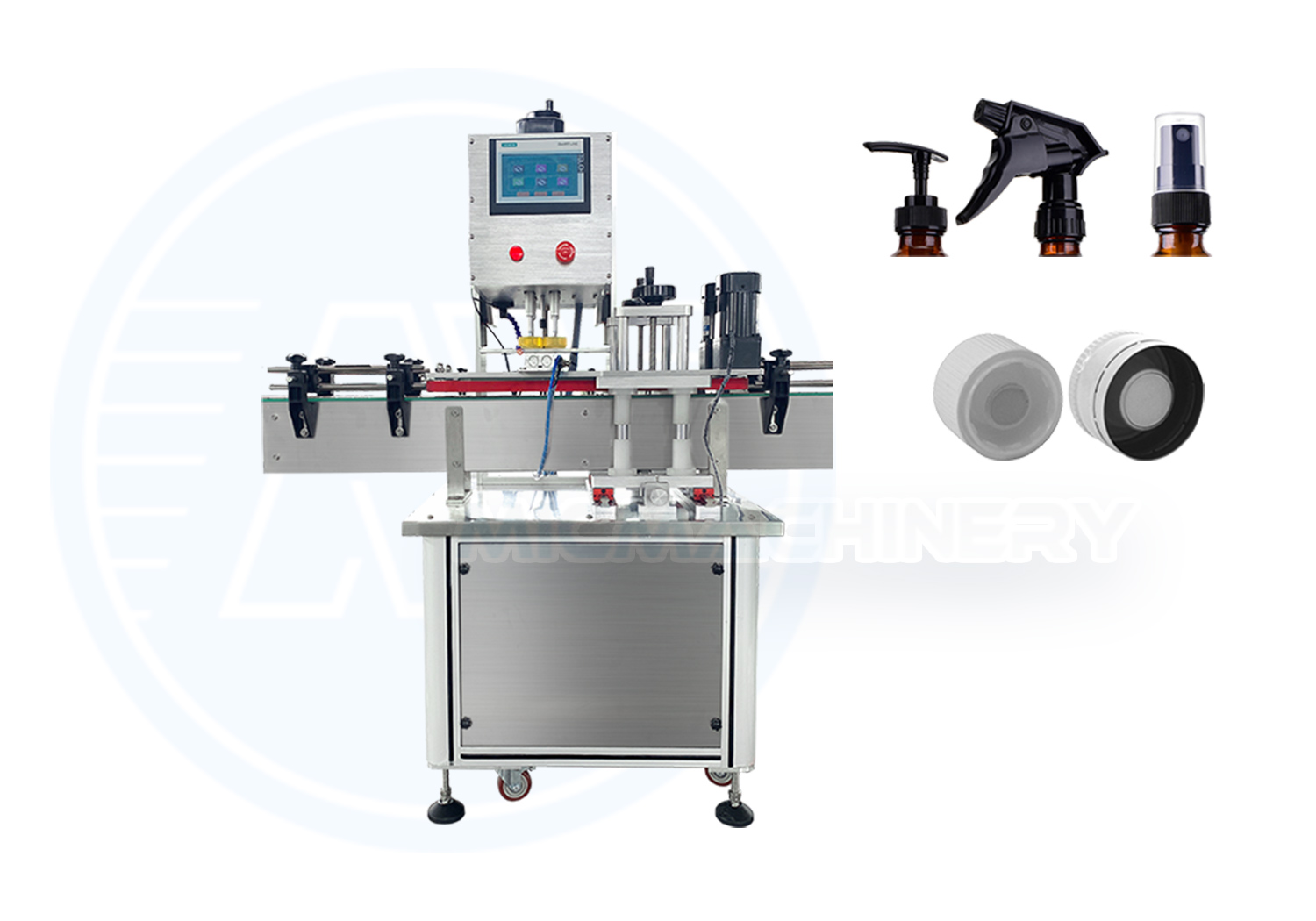
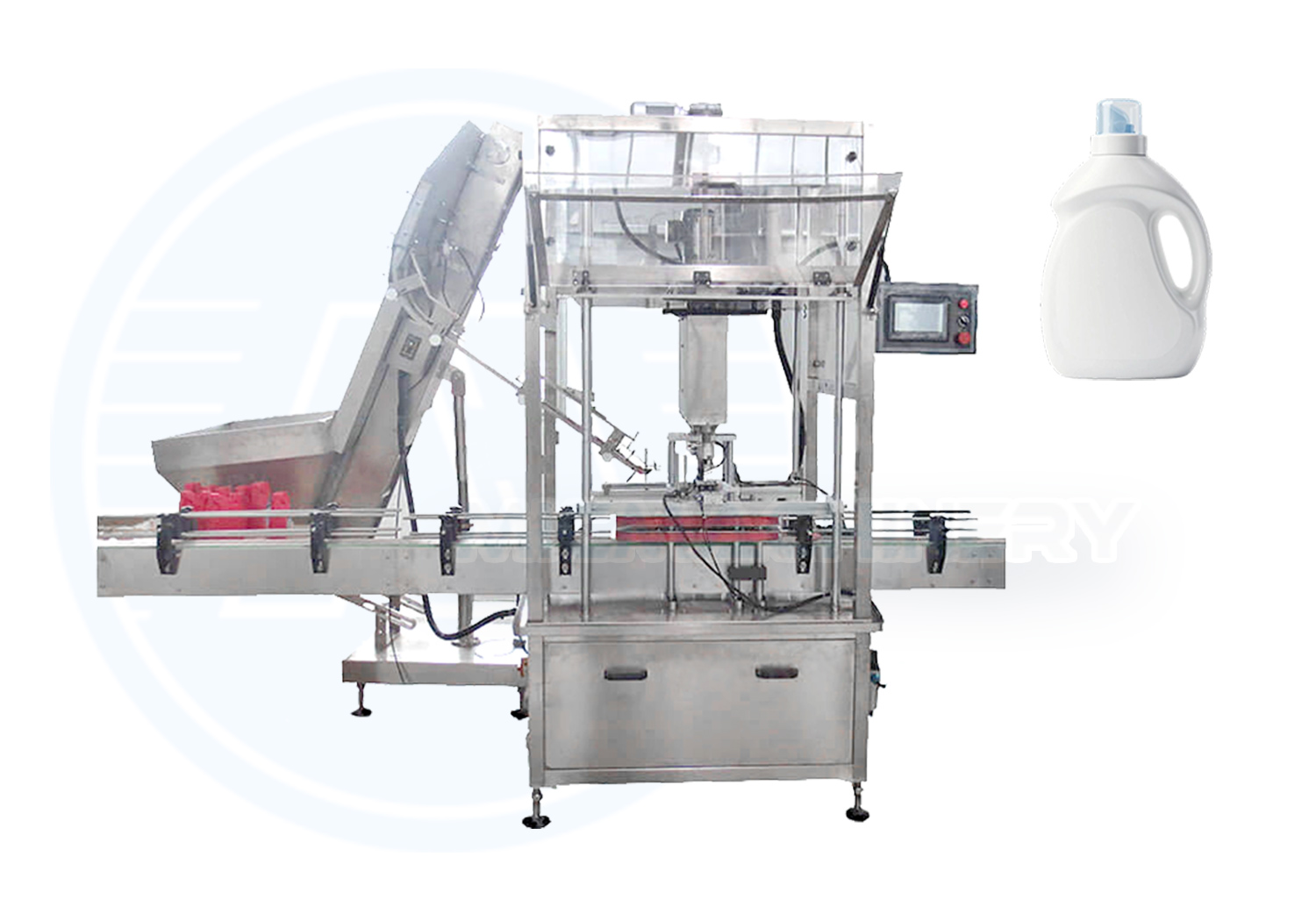
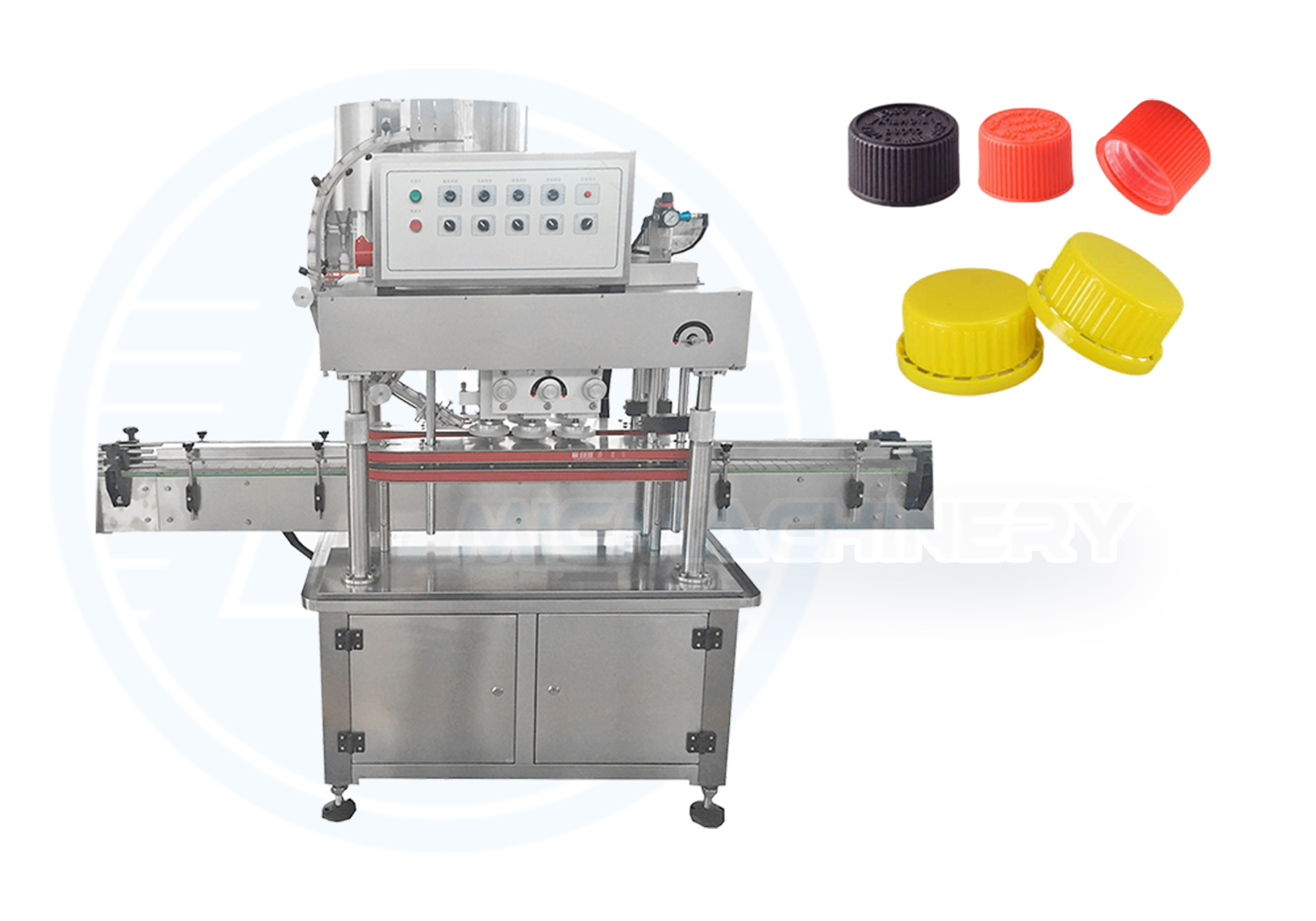
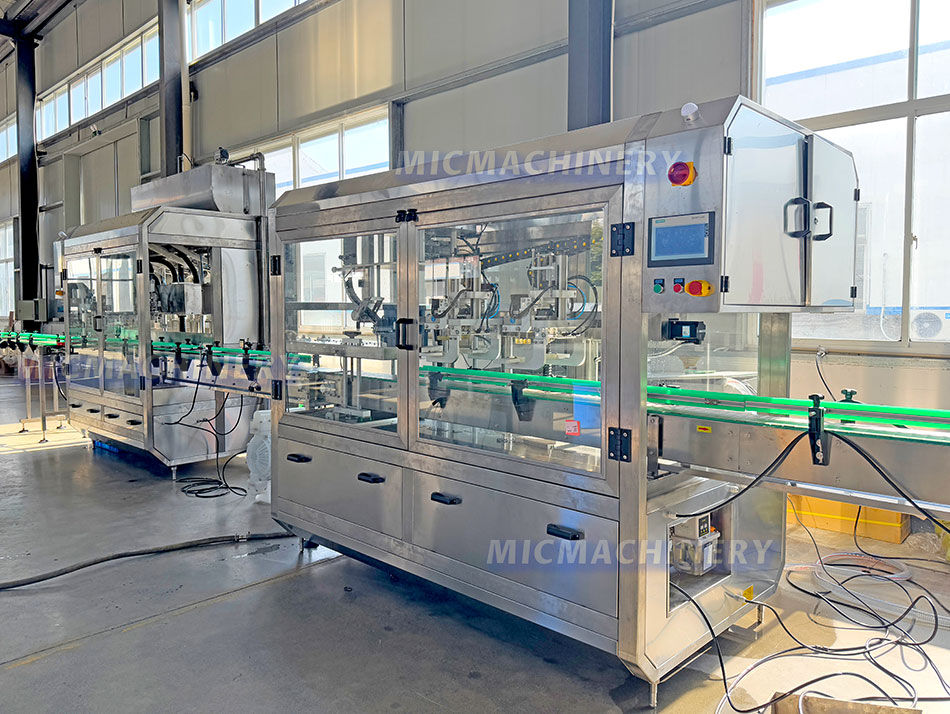
The Bottle Sealing Machine operates through a coordinated sequence designed to ensure reliable closure while maintaining production efficiency.
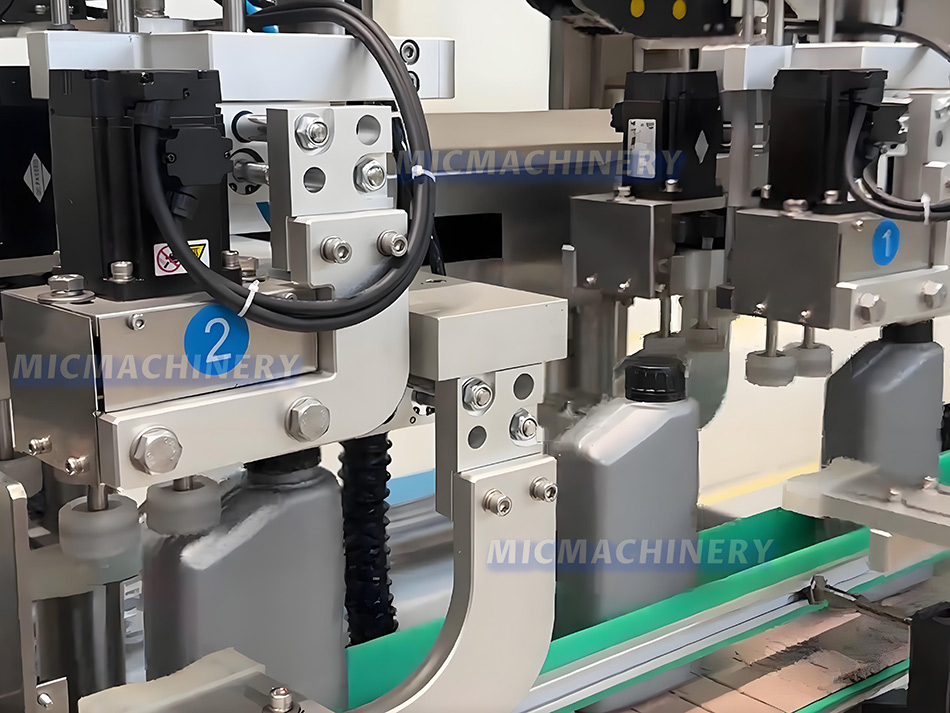
First, filled containers enter the sealing station through a conveyor system. Guide rails and positioning mechanisms stabilize the bottles and ensure accurate alignment before sealing begins.
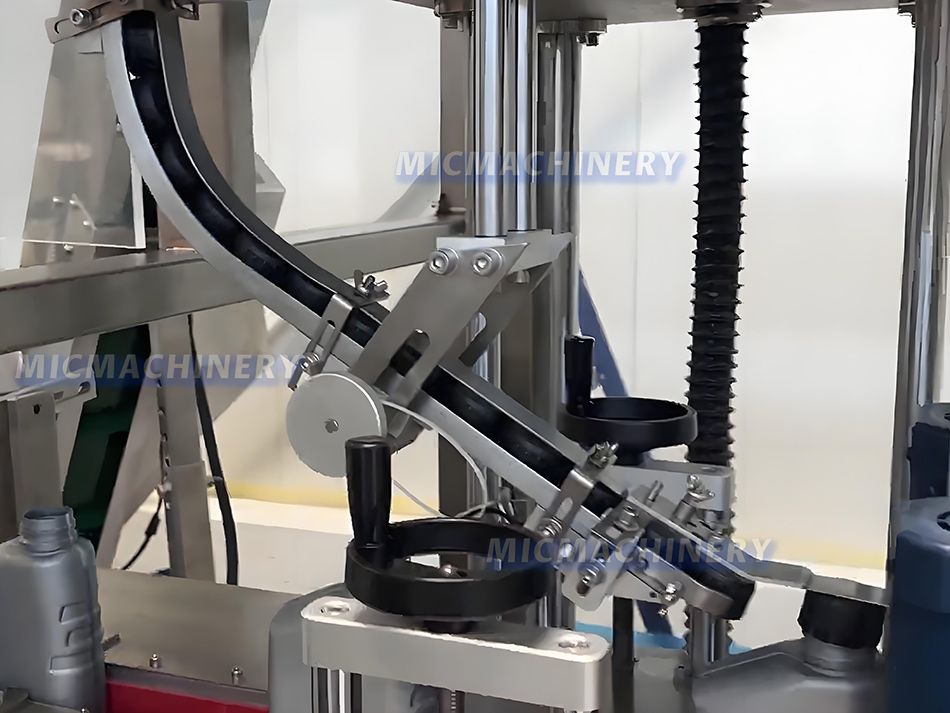
Once the bottle reaches the designated position, the cap or closure is automatically fed into place. Depending on the application, the machine may utilize screw tightening, pressure sealing, or induction sealing technology.
For screw-cap applications, the sealing head applies controlled torque to secure the cap without damaging the threads. In press-sealing applications, vertical force is applied to lock the closure firmly onto the container. For induction sealing systems, electromagnetic energy heats the foil liner, creating a tamper-evident and leak-resistant seal.
After sealing, bottles continue to downstream processes such as labeling, coding, case packing, or palletizing. The entire operation is synchronized through the PLC control system to maintain stable throughput and consistent sealing quality.
Video Demonstration
Applications
Bottle sealing machines are used across a broad range of industries where leak prevention, product protection, and packaging consistency are important.
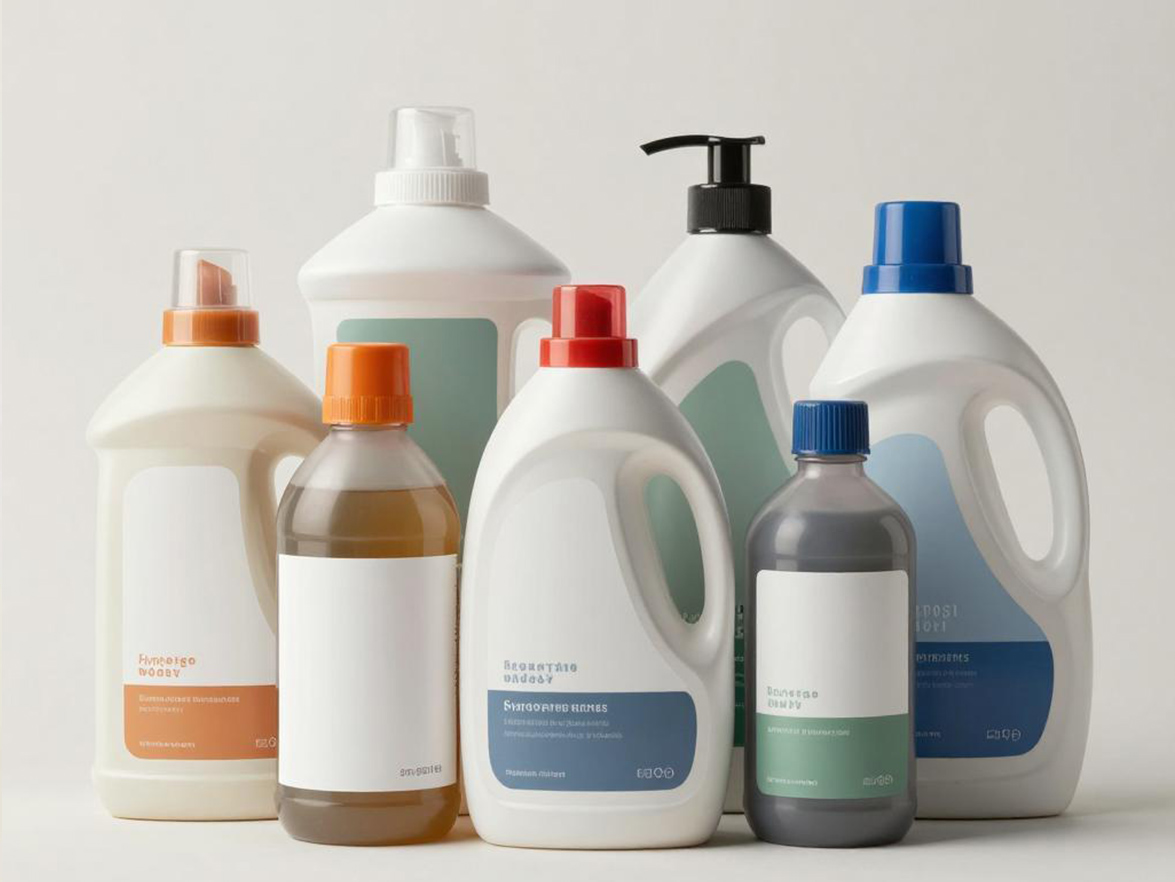
In the chemical industry, the equipment is commonly used for detergents, cleaning agents, lubricants, solvents, agricultural chemicals, and industrial liquids. Reliable sealing helps prevent leakage and minimizes exposure to sensitive formulations.
In food and beverage production, bottle sealing systems are applied to sauces, edible oils, beverages, syrups, liquid seasonings, and nutritional products. Proper sealing helps maintain freshness while protecting products during transportation and storage.
Pharmaceutical manufacturers use bottle sealing equipment for medical liquids, disinfectants, syrups, and healthcare products where contamination control and package integrity are critical.
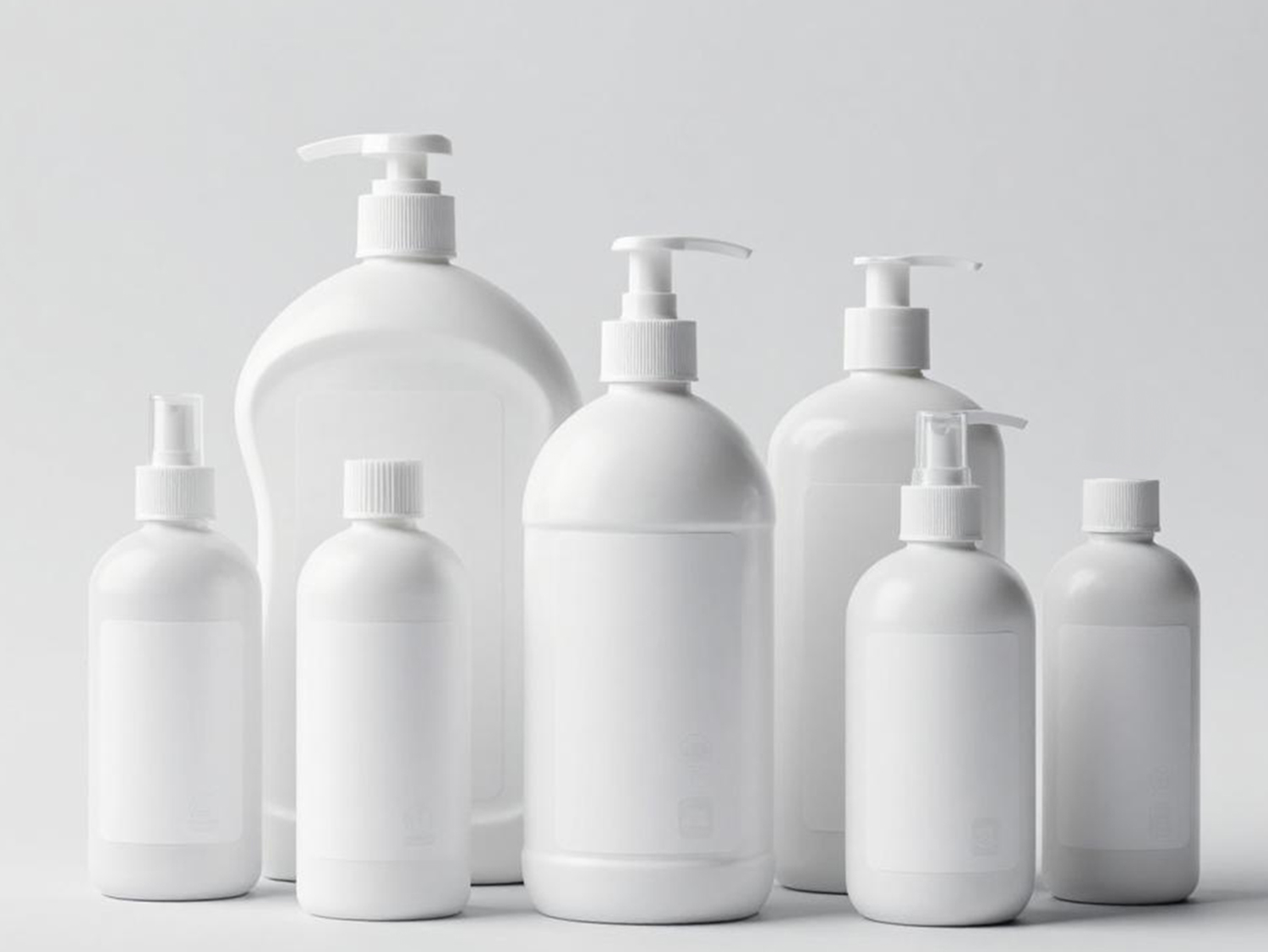
Cosmetic and personal care companies utilize bottle sealing systems for shampoo, lotion, liquid soap, skincare products, perfumes, and beauty formulations. Consistent sealing improves both product protection and packaging appearance.
Customization Options
Different production environments require different sealing solutions. MIC Machinery offers a variety of customization options to match specific manufacturing requirements.
Item
Description
Servo-driven or pneumatic sealing systems
Ensures stable and precise sealing performance for different production requirements
Torque-controlled screw sealing heads
Provides accurate tightening force for consistent sealing quality
Induction sealing modules
Supports airtight and tamper-evident packaging applications
Multi-head rotary sealing structure
Designed for high-capacity production lines with continuous operation
Automatic cap feeding system
Equipped with vibration or elevator-type cap sorting and feeding
Conveyor and bottle handling customization
Adjustable conveyor height and bottle transfer system design
Corrosion-resistant version
Suitable for chemical production environments and corrosive applications
System configuration
Each system is customized based on bottle type, cap type, and production capacity
Maintenance and Operation
Routine maintenance is important for maintaining sealing quality and extending equipment lifespan.
Recommended maintenance practices include:
· Inspect sealing heads regularly for wear
· Clean cap feeding systems and guide rails
· Verify torque and pressure settings periodically
· Check conveyor alignment and synchronization
· Lubricate moving mechanical components as required
· Inspect sensors and electrical connections
· Replace worn gripping parts when necessary
Proper maintenance helps reduce downtime and ensures stable production performance over extended operating periods.
FAQ
1)Can the machine handle different bottle sizes?
Yes. Most systems are designed with adjustable guides and quick-change components that allow efficient switching between different bottle formats.
2)Is induction sealing available?
Yes. Induction sealing modules can be integrated to create tamper-evident and leak-resistant foil seals.
3)Can the machine be connected to a filling line?
Yes. Bottle sealing machines are commonly integrated with filling, labeling, coding, and packaging equipment to create a complete automated production line.
4)How is sealing quality controlled?
Sealing quality is maintained through controlled torque, pressure adjustment, sensor monitoring, and PLC-based process management.
5)Is the machine suitable for corrosive products?
Yes. Corrosion-resistant versions constructed from SUS316L stainless steel and chemical-resistant materials are available for aggressive production environments.
What production speeds are available?
Production capacity varies according to bottle size, sealing method, and machine configuration, ranging from small-batch production to high-speed automated lines.
Bottle Sealing Solutions from MIC Machinery
MIC Machinery provides Bottle Sealing Machines designed for reliable industrial packaging operations. By combining stable sealing technology, flexible customization options, and compatibility with automated production lines, these systems help manufacturers achieve secure packaging, consistent product quality, and efficient production performance across a wide range of industries.