Round Bottle Labeling Machine——Automatic Wrap-Around Labeling System
Accurate labeling is a critical stage in modern packaging production. A properly applied label does more than display product information—it supports traceability, regulatory compliance, brand recognition, and efficient downstream packaging. For round containers, maintaining precise label positioning at high production speeds requires stable bottle handling, accurate label feeding, and synchronized motion control.
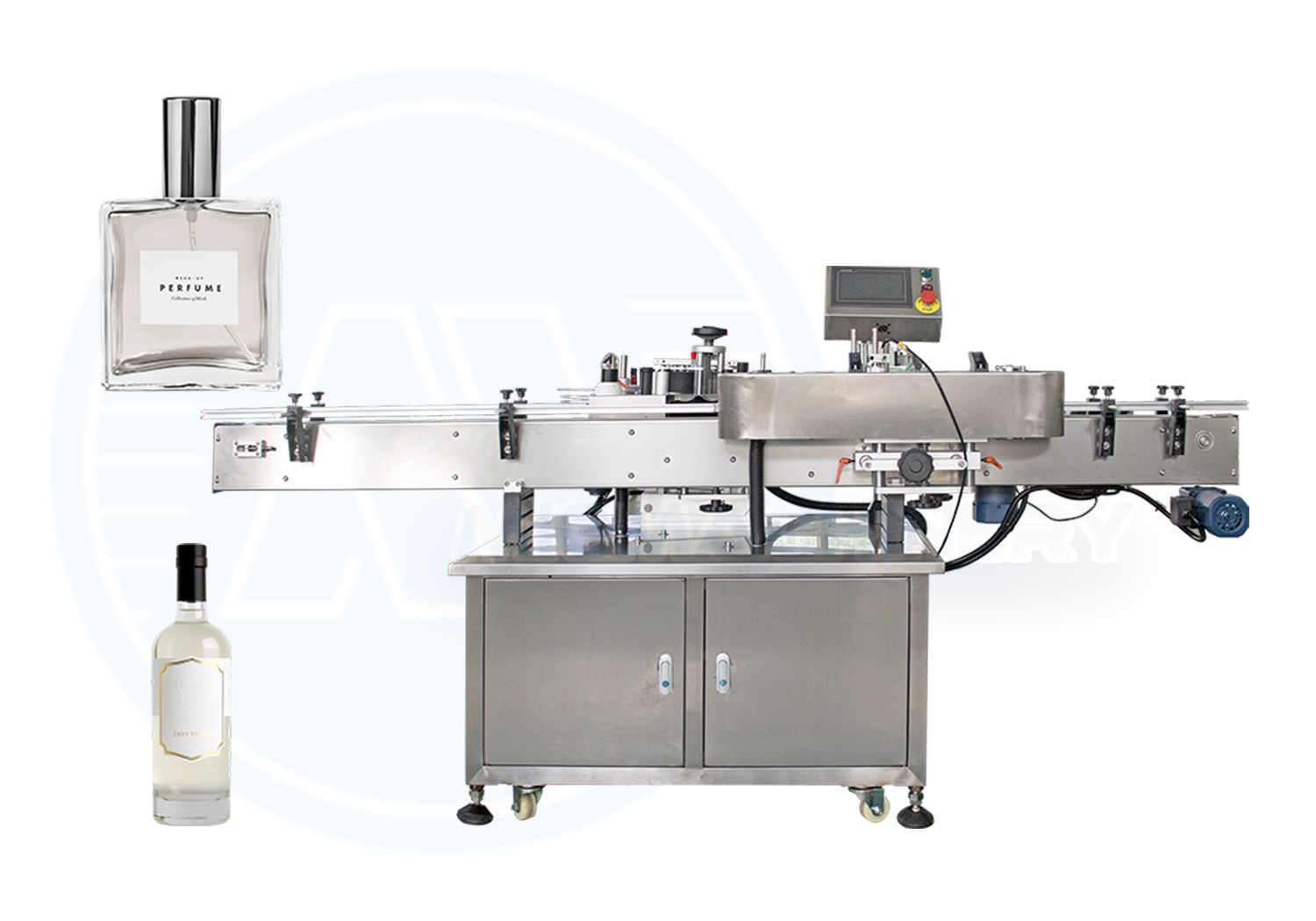
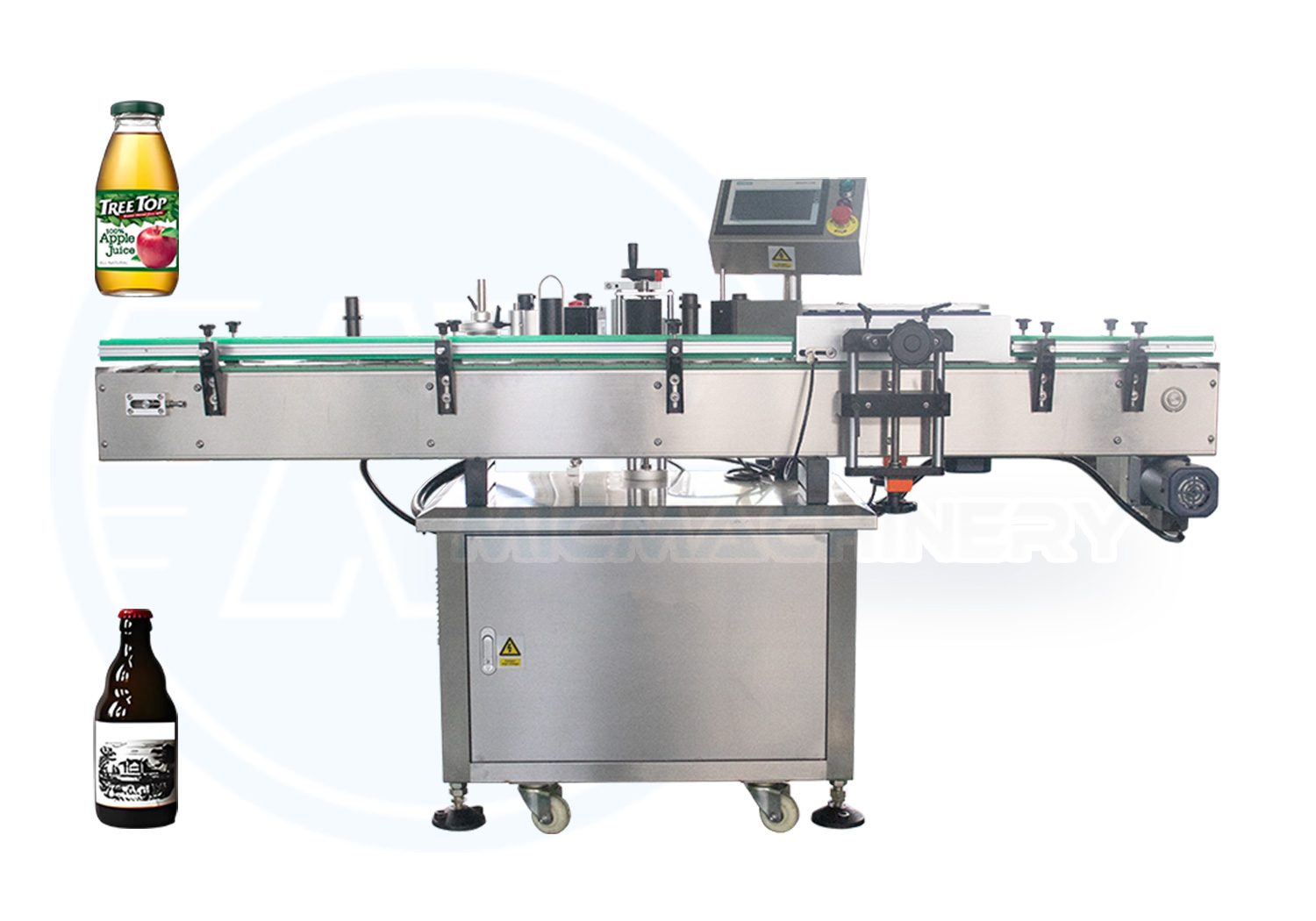
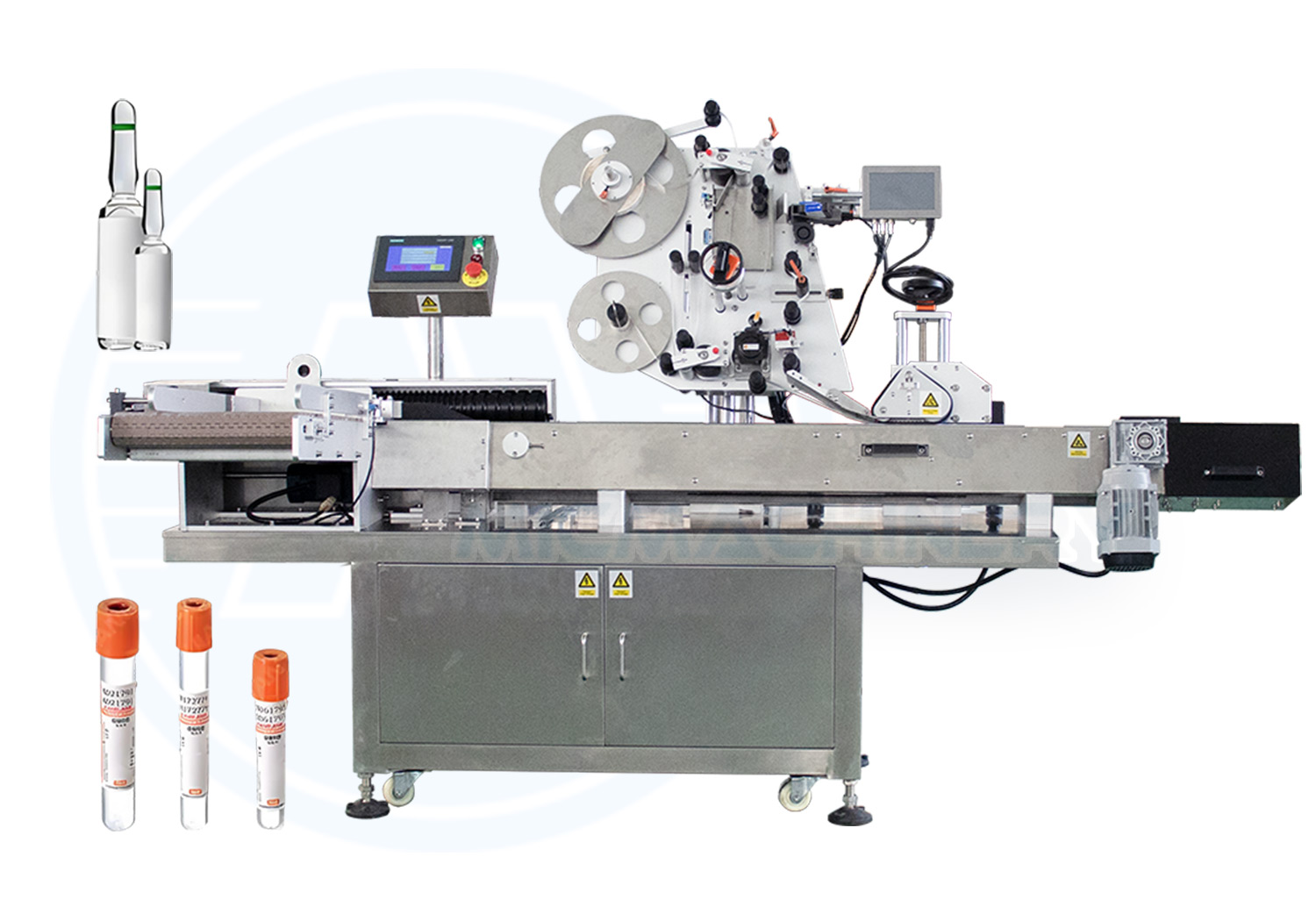
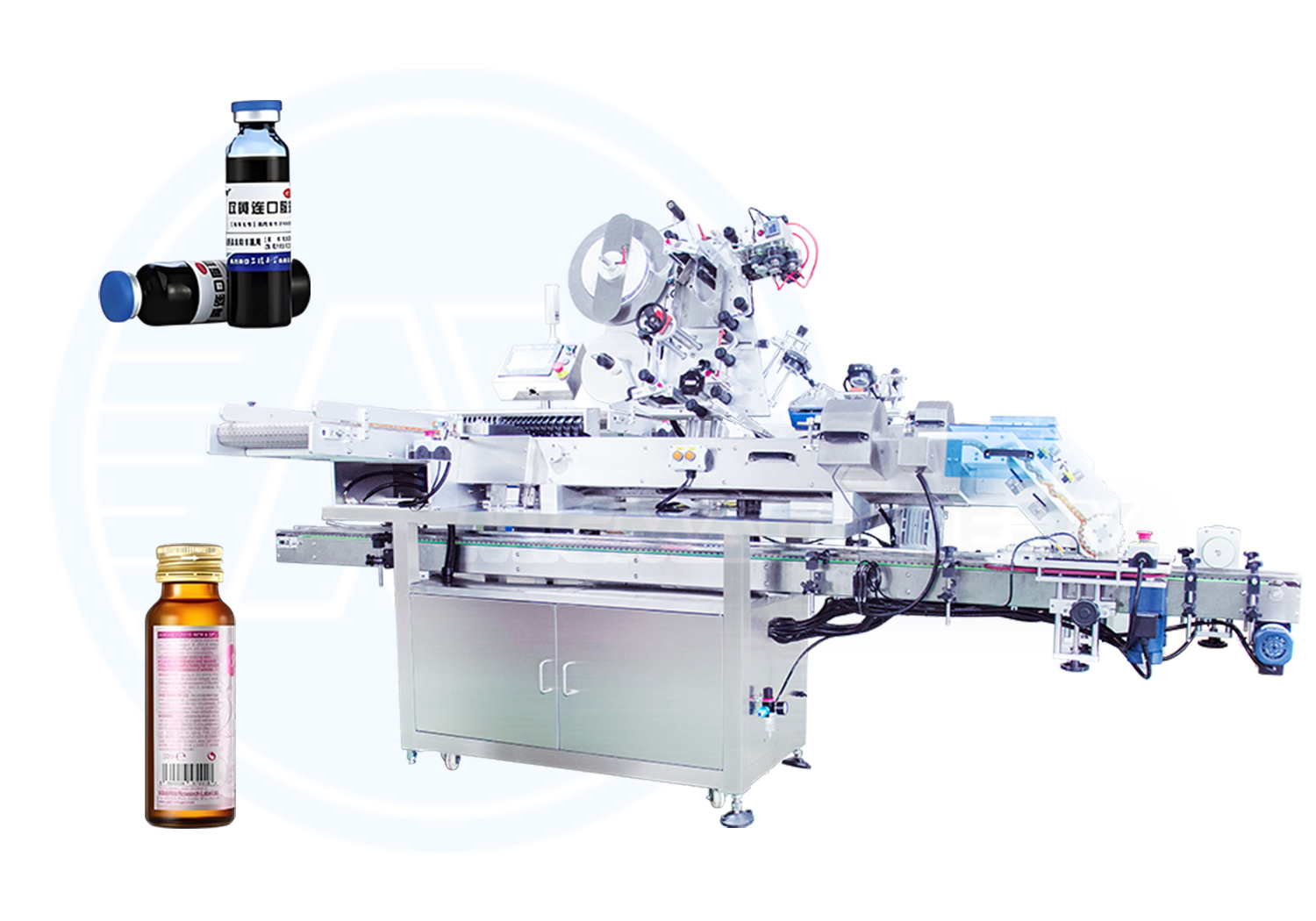
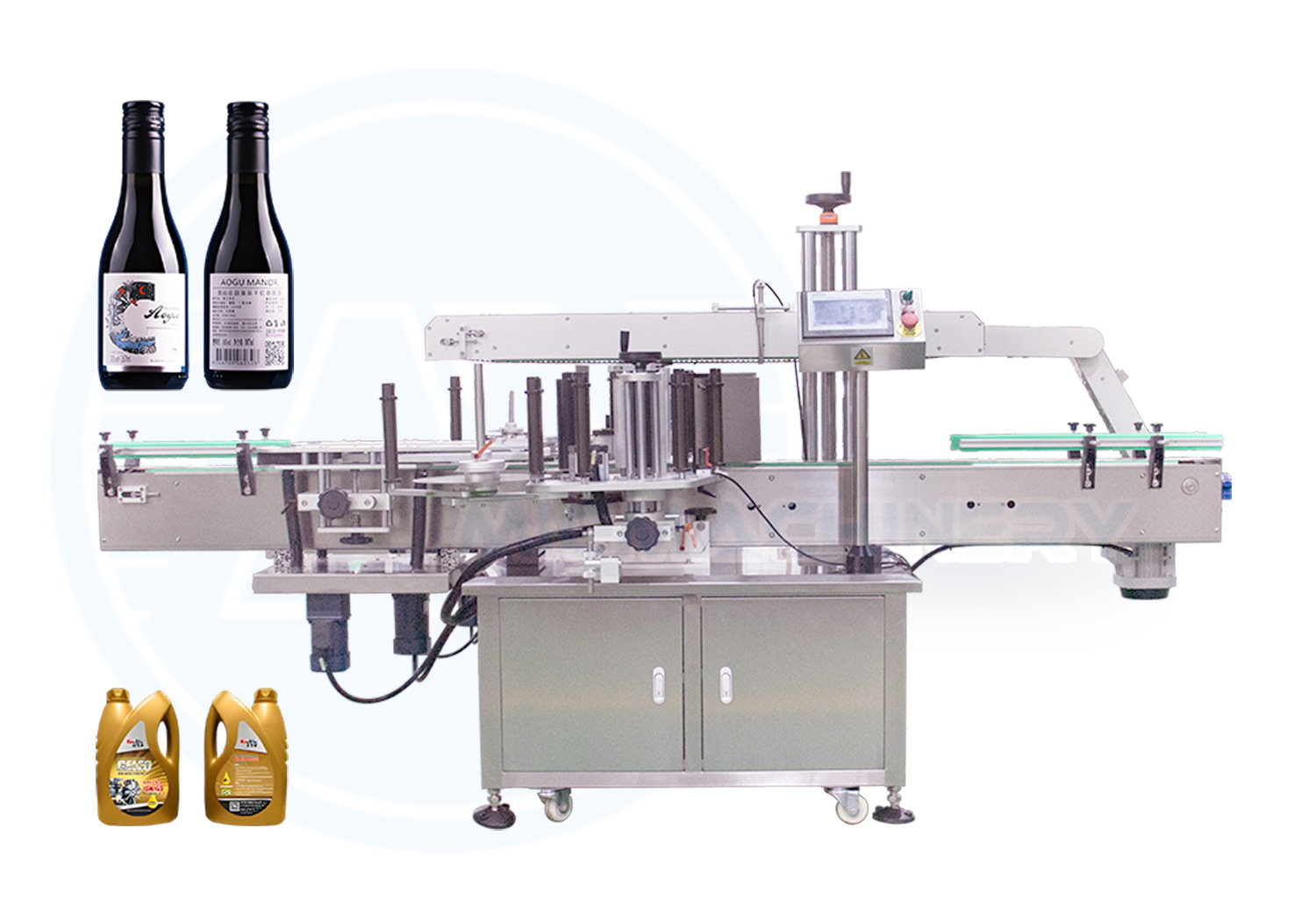
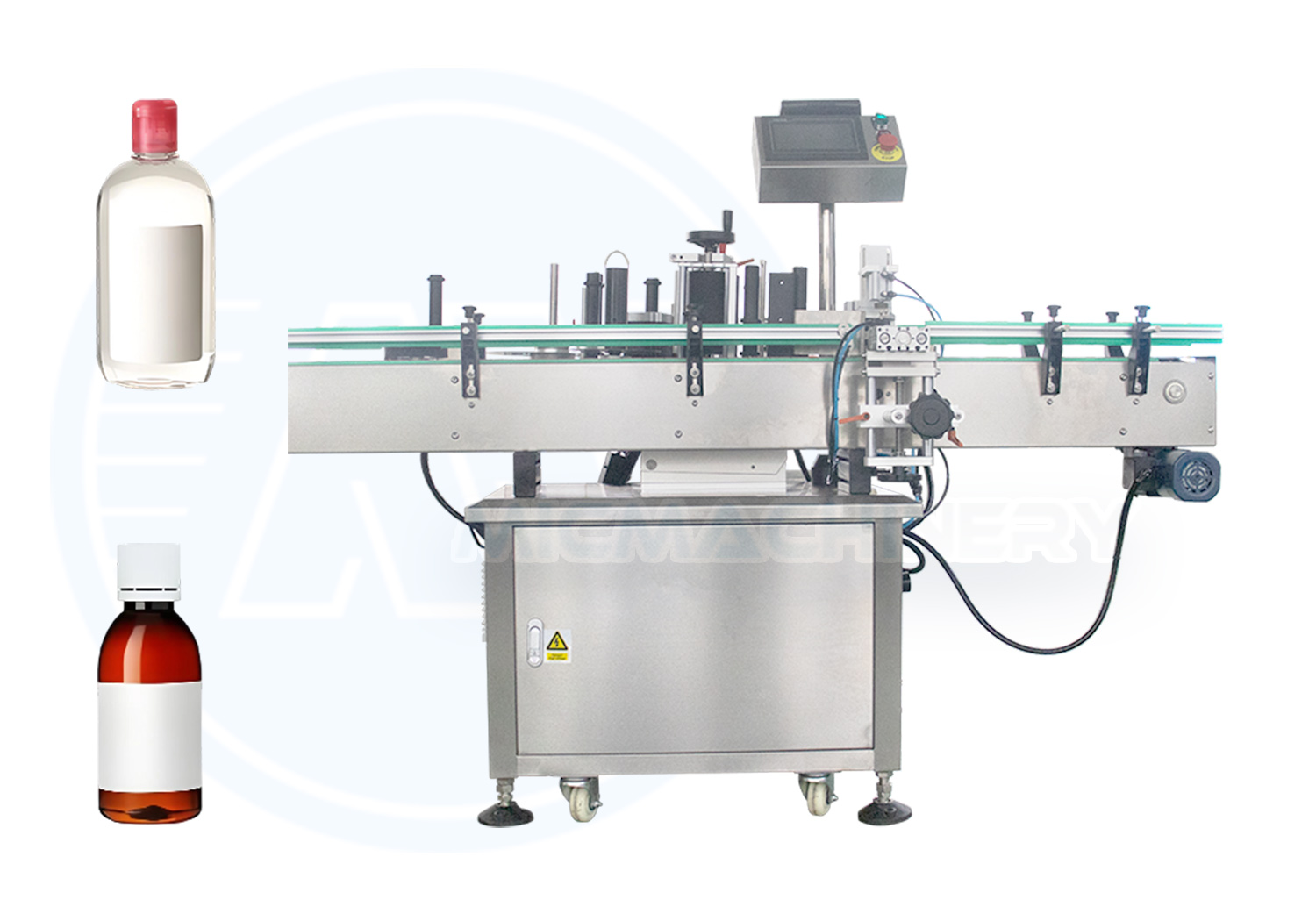
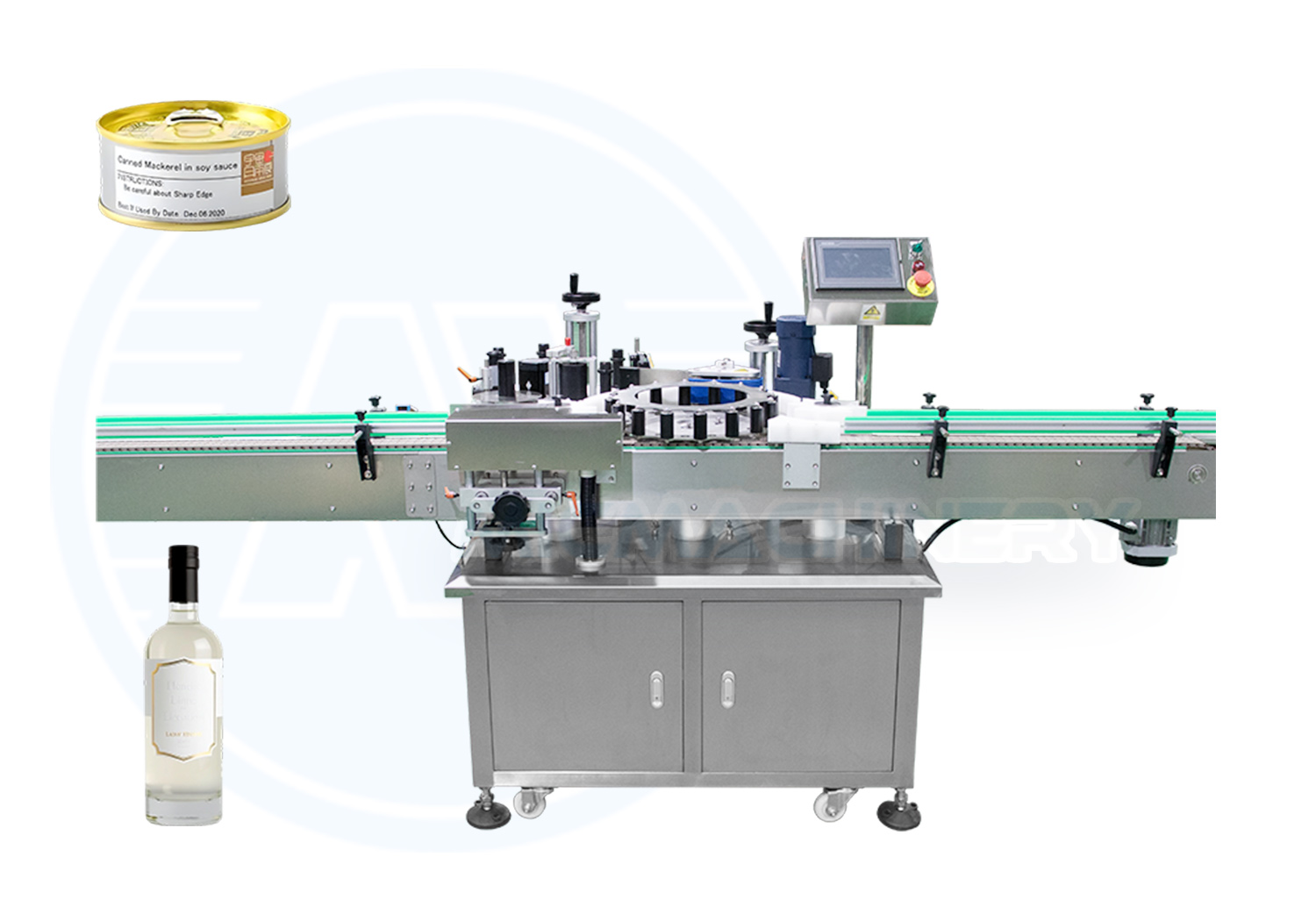
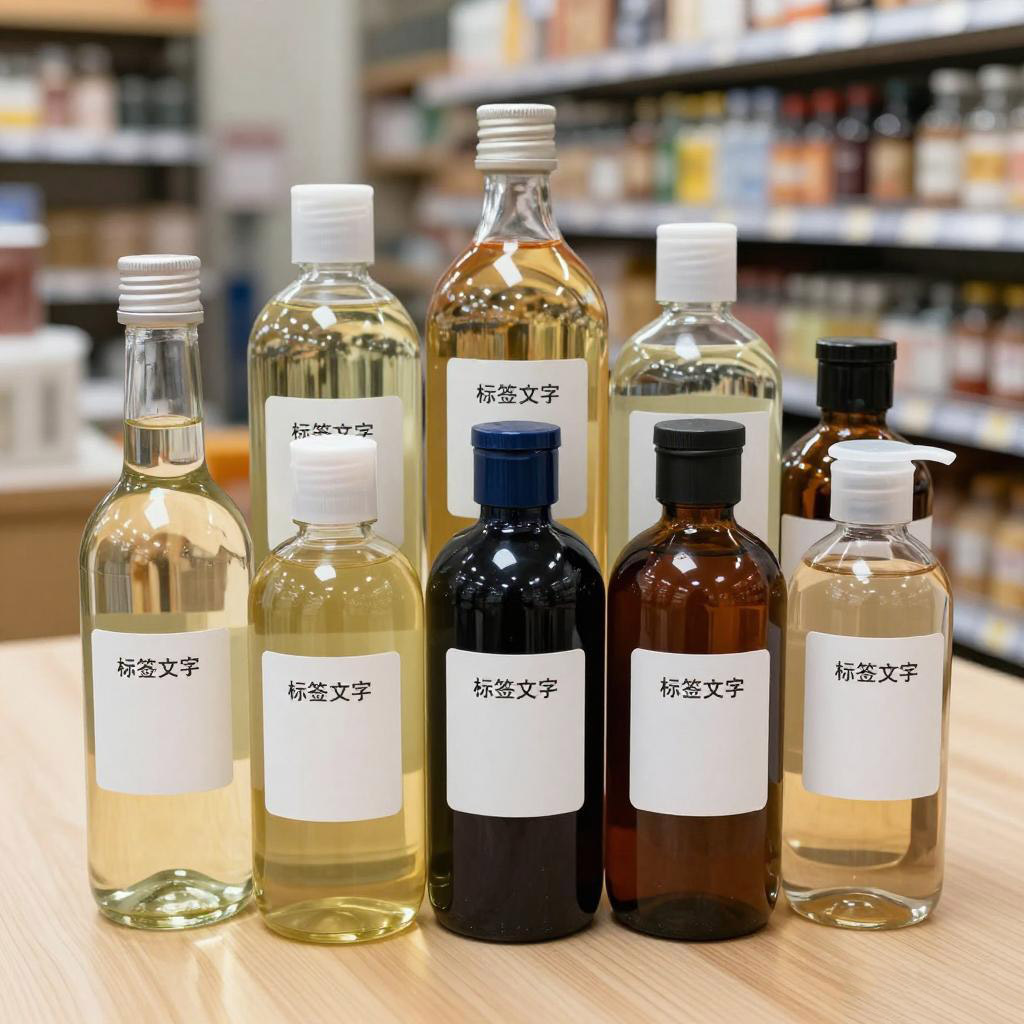
The Round Bottle Labeling Machine from MIC Machinery is engineered for high-speed, fully automatic labeling of cylindrical containers. It applies self-adhesive labels accurately to round bottles, jars, cans, tubes, and similar packaging while maintaining excellent repeatability across continuous production runs. The machine is widely used in the food, beverage, pharmaceutical, cosmetic, household chemical, and industrial chemical industries.
Designed for standalone operation or seamless integration into automated filling and packaging lines, the system delivers reliable labeling performance while minimizing manual adjustment and production downtime.
Working Process
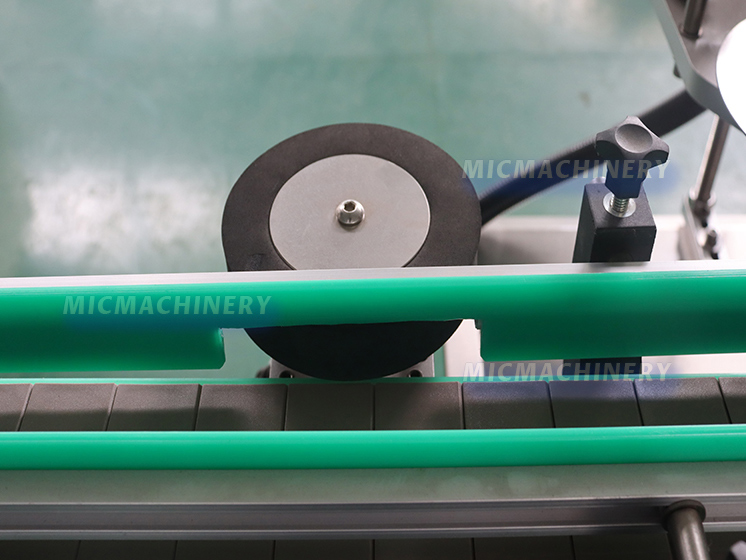
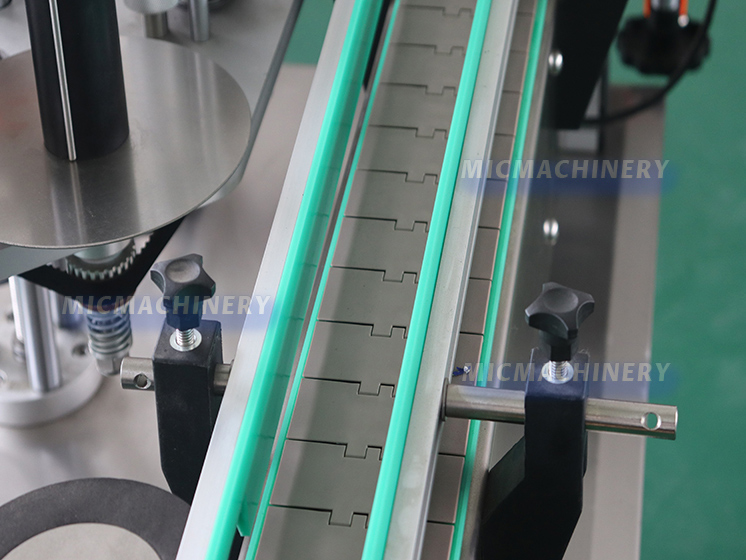
The labeling process begins when containers enter the conveyor from the upstream production line or manual feeding station. Adjustable guide rails align each bottle before it reaches the labeling station, ensuring stable positioning throughout the operation.
A bottle separation mechanism maintains consistent spacing between containers. Photoelectric sensors detect each incoming bottle and trigger the servo motor to dispense the correct length of label at precisely the right moment.
As the bottle passes through the labeling area, it is gently rotated by synchronized rollers or side belts. The label is applied smoothly to the bottle surface while rotating, allowing complete wrap-around labeling or partial labeling depending on the selected program.
Pressure rollers or soft application brushes remove trapped air and ensure firm adhesion without damaging delicate containers or label materials. The servo control system continuously adjusts dispensing speed to match conveyor movement, maintaining labeling accuracy even during speed changes.
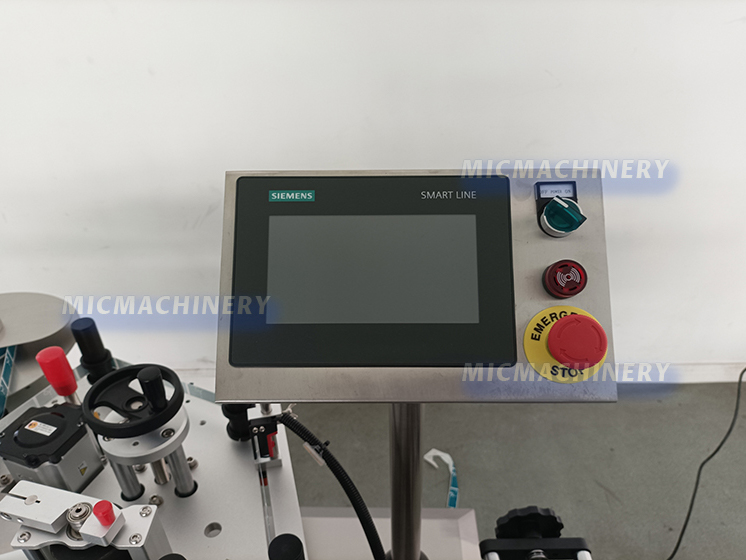
Once labeling is completed, bottles proceed automatically to optional coding, inspection, carton packing, or palletizing systems. Throughout production, the PLC monitors sensor signals, label position, conveyor speed, and operating parameters to ensure continuous and stable operation.
Video Demonstration
Applications
The Round Bottle Labeling Machine is suitable for a wide variety of industries that use cylindrical containers.
Typical applications include:
Drinking water bottles
Juice and beverage packaging
Edible oil bottles
Sauce and condiment bottles
Pharmaceutical bottles
Cosmetic lotion bottles
Shampoo and conditioner containers
Essential oil bottles
Chemical reagent bottles
Household cleaning products
Lubricant bottles
Pesticide containers
Food jars
Honey bottles
Protein supplement containers
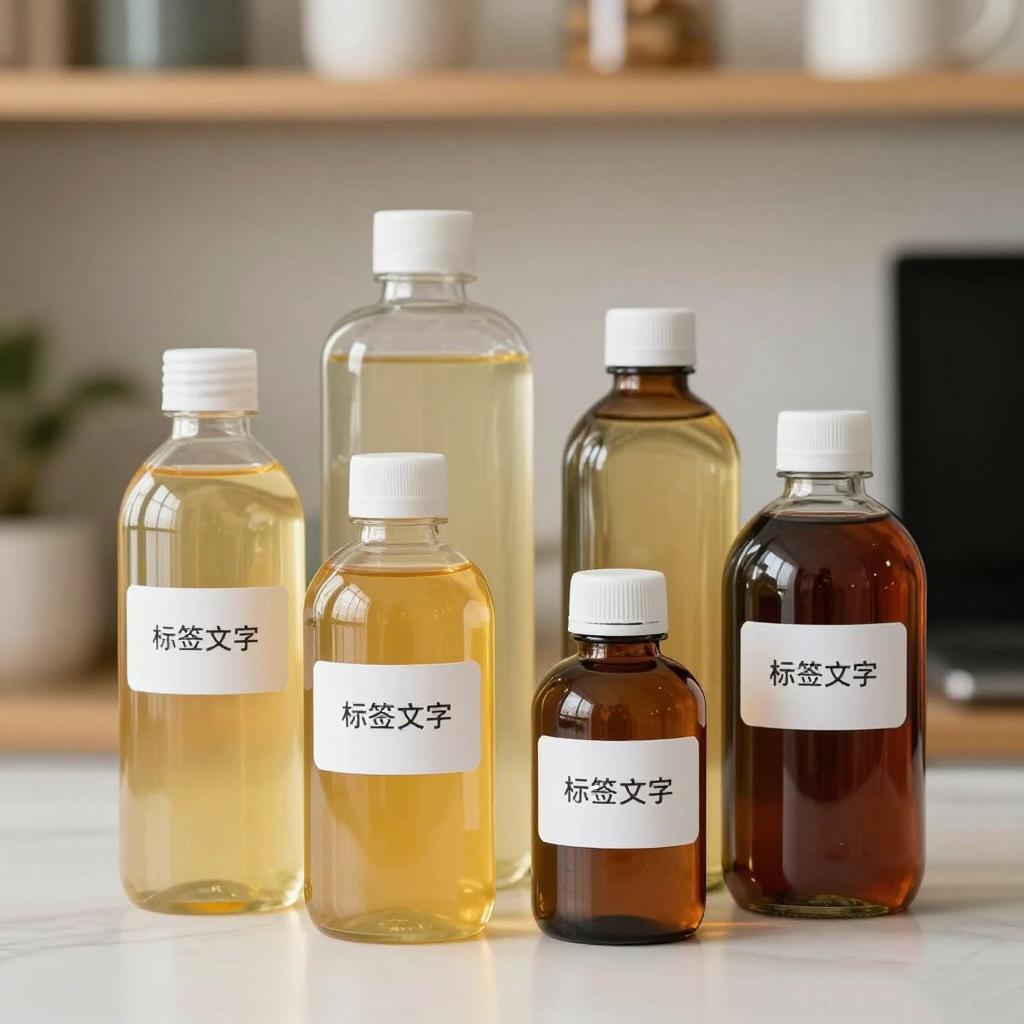
The machine accommodates glass, plastic, metal, PET, HDPE, and composite packaging materials.
Customization Options
Packaging requirements vary significantly between industries and products. MIC Machinery offers flexible customization options to optimize labeling performance.
Wrap-Around or Partial Labeling
Supports full-wrap labels, front-and-back labels, and partial circumference labeling.
High-Speed Servo Labeling
Servo-driven label feeding improves precision and minimizes label waste.
Date Coding Integration
Supports thermal transfer, inkjet, or laser coding systems for batch numbers and expiration dates.
Vision Inspection System
Optional cameras verify label position, barcode readability, and product orientation.
Transparent Label Sensor
Special sensors accurately detect transparent labels for cosmetic and pharmaceutical packaging.
Multiple Bottle Formats
Quick adjustment mechanisms support rapid changeover between different bottle sizes.
Full Packaging Line Integration
The labeling machine integrates easily with bottle unscramblers, filling machines, capping machines, coding equipment, inspection systems, case packers, and palletizing solutions.
Maintenance and Operation
Routine maintenance is essential for maintaining labeling accuracy and production efficiency. Daily cleaning should include conveyor belts, guide rails, rollers, sensors, and label dispensing components to prevent dust or adhesive buildup.
Weekly inspections should verify label tension, servo synchronization, sensor calibration, and conveyor alignment. Worn rollers or dispensing blades should be replaced promptly to maintain consistent label application quality.
Moving mechanical components should be lubricated according to the maintenance schedule, while electrical connections and PLC communication should be inspected periodically. Label storage areas should remain clean and dry to protect adhesive performance and minimize feeding issues.
A preventive maintenance program helps maximize machine reliability, reduce unplanned downtime, and extend equipment service life.
FAQ
Q1: What bottle types can the machine label? The machine is designed for round bottles, jars, cans, tubes, and other cylindrical containers made from glass, plastic, or metal.
Q2: Can it apply full wrap-around labels? Yes. It supports full-wrap, partial-wrap, and positioning label applications.
Q3: Is it suitable for transparent labels? Yes. Optional transparent label sensors ensure accurate detection and dispensing.
Q4: How accurate is the labeling position? Standard labeling accuracy is approximately ±1.0 mm under normal operating conditions.
Q5: Can the machine be connected to an automatic filling line? Yes. It integrates easily with filling machines, capping machines, coding systems, inspection equipment, and packaging lines.
Q6: How long does it take to change bottle sizes? The quick-adjustment design allows fast changeovers with minimal production interruption.
Round Bottle Labeling Machine Solutions from MIC Machinery
The MIC Machinery Round Bottle Labeling Machine combines servo-driven precision, intelligent automation, and robust industrial construction to deliver consistent labeling performance across a wide range of packaging applications. Whether operating as a standalone labeling unit or as part of a fully automated production line, it provides manufacturers with reliable accuracy, operational flexibility, and long-term production stability for modern packaging environments.