Paint Filling Machine——Industrial Coating & Viscous Liquid Filling System
Paint production is one of the most demanding applications in industrial filling technology. Coatings and paint products vary widely in viscosity, from water-based emulsions to heavy solvent-based industrial paints containing pigments, resins, and additives. These materials often behave unpredictably during filling due to their density, particle suspension, and tendency to foam or settle.
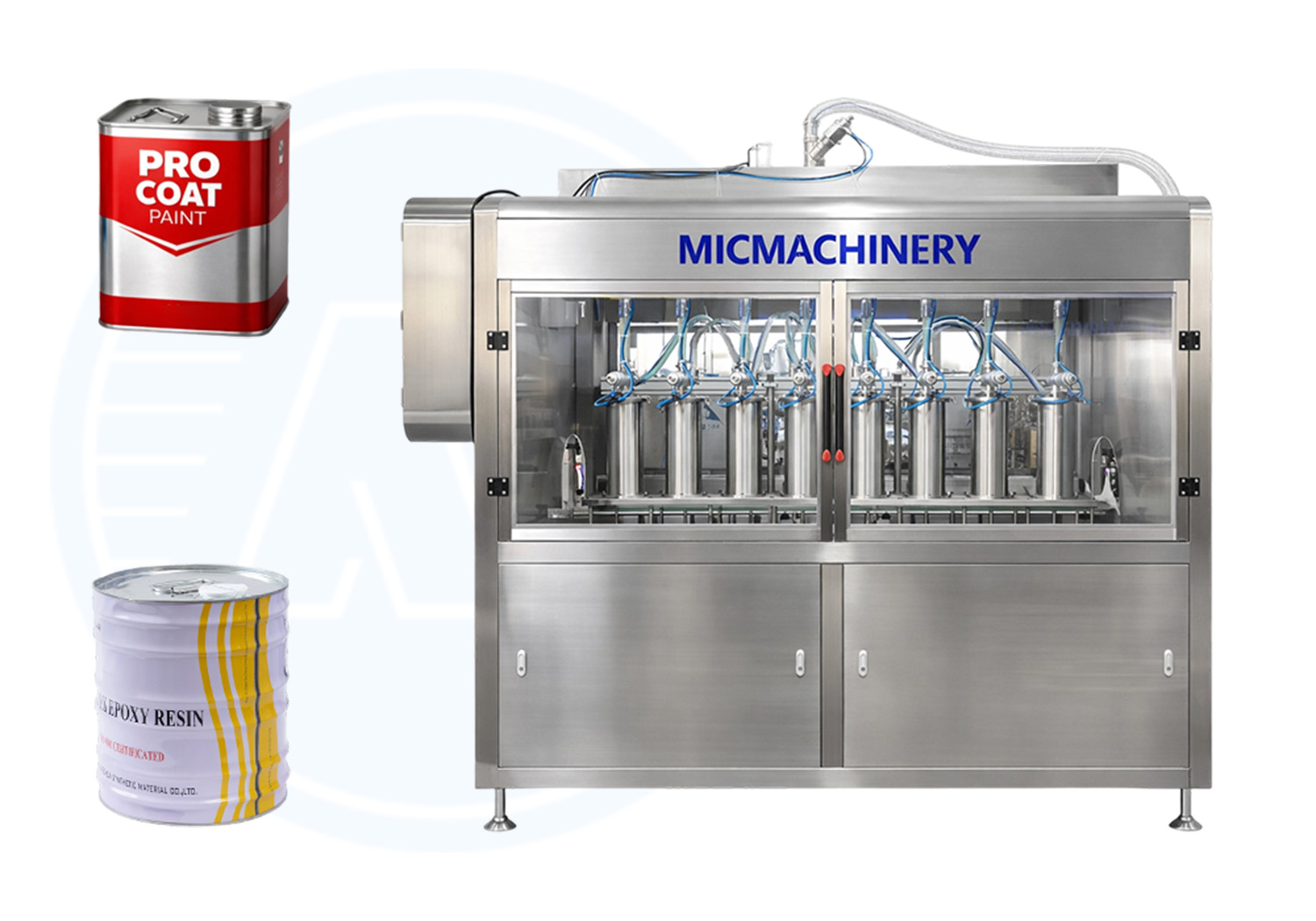
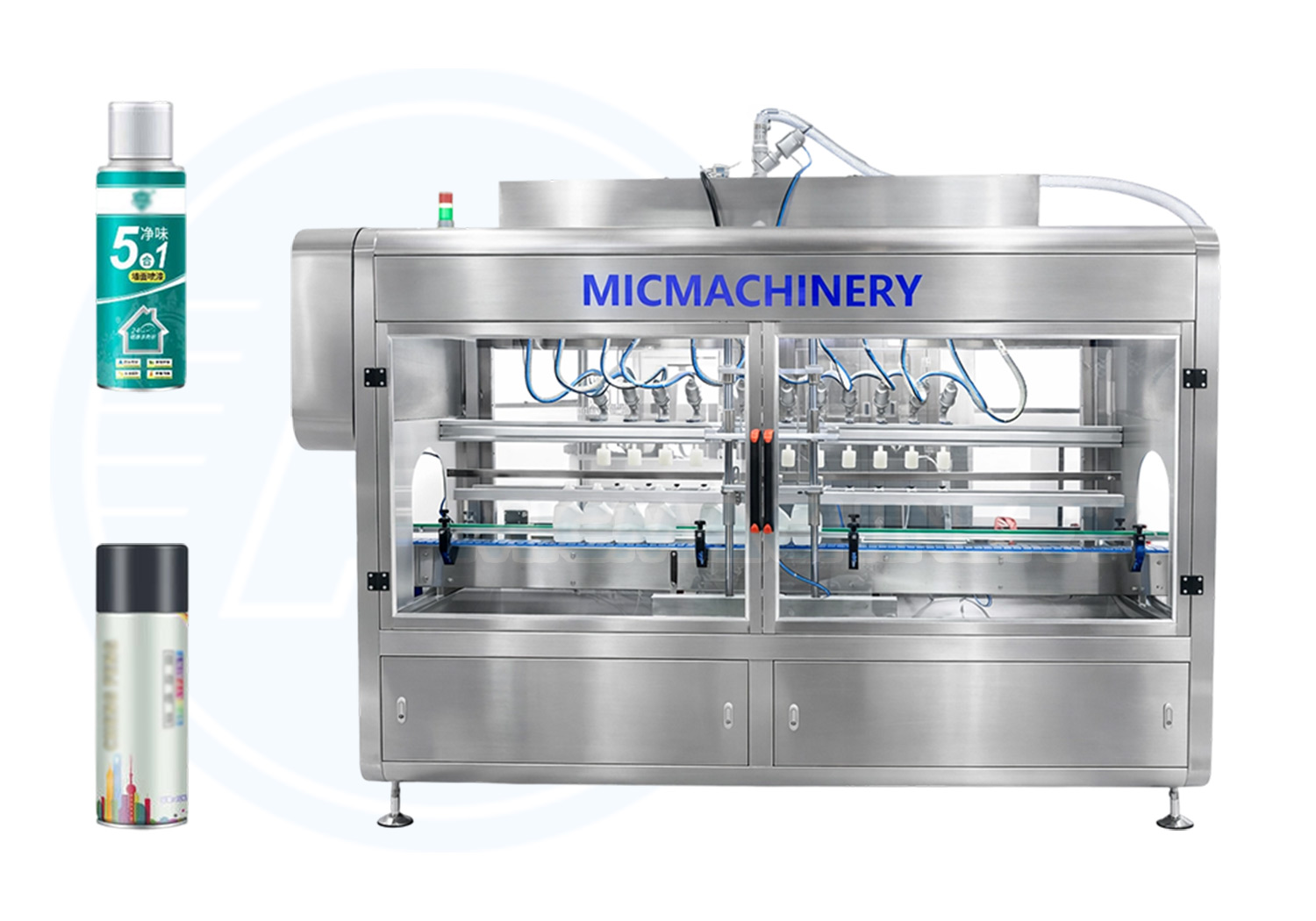
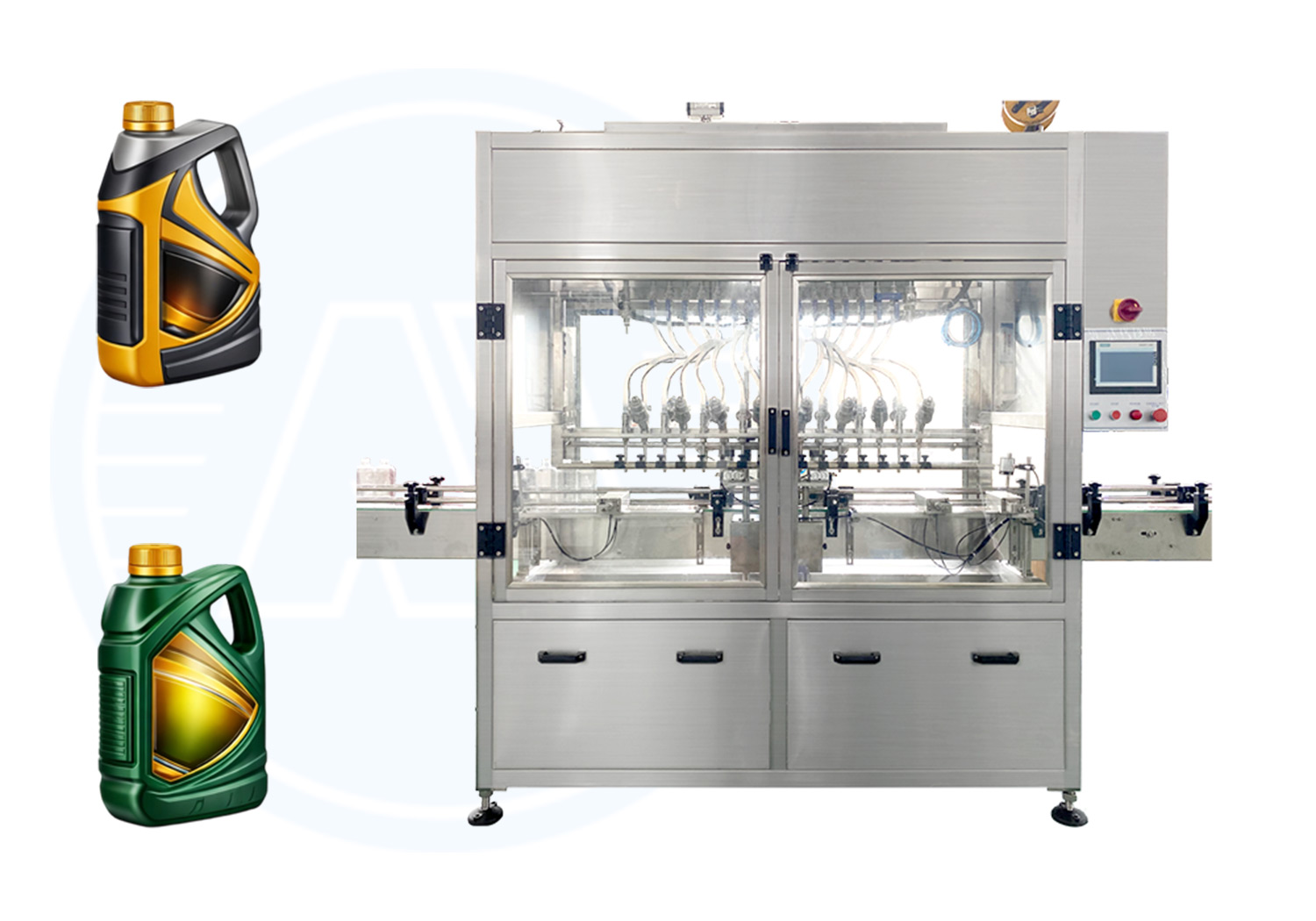
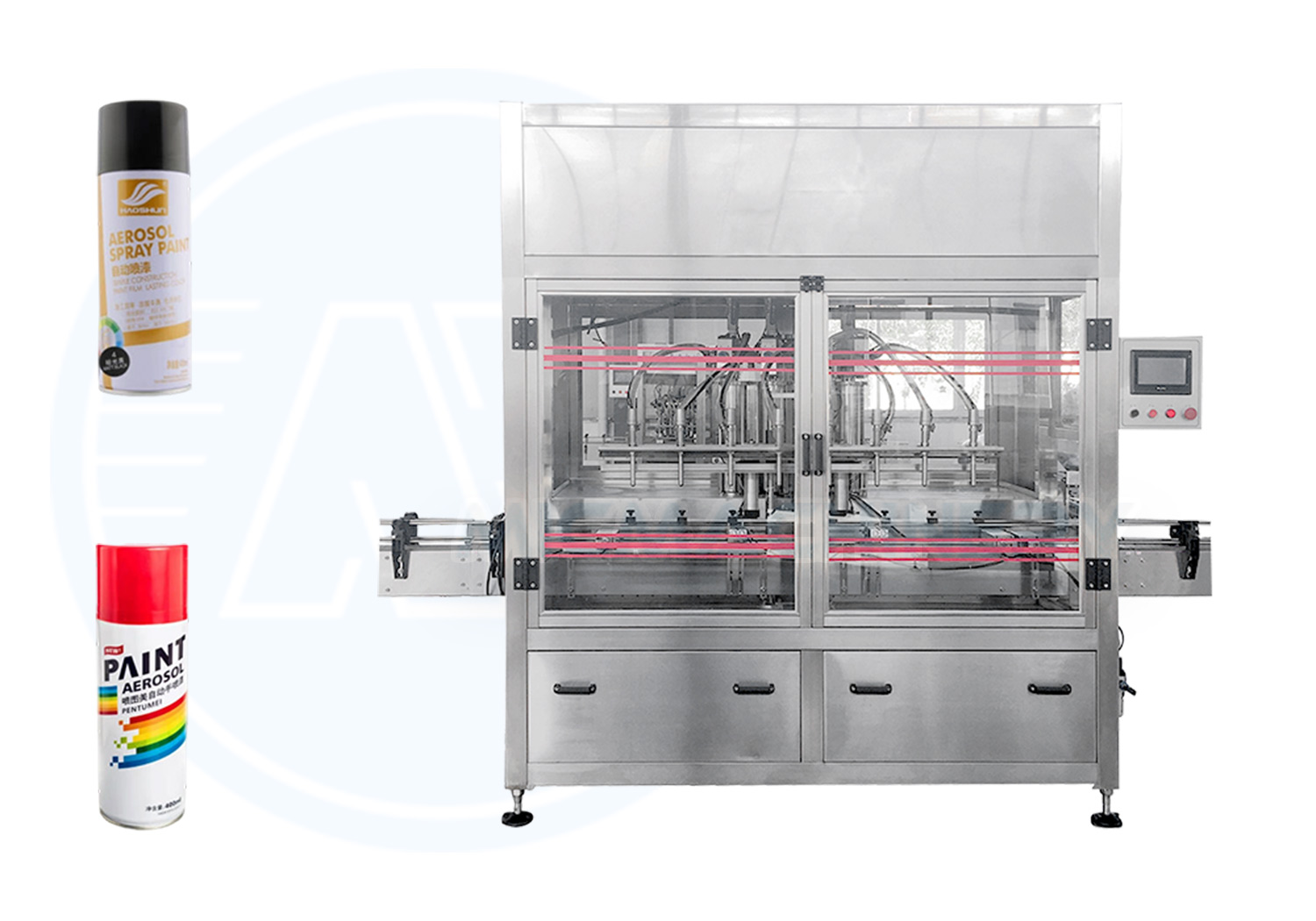
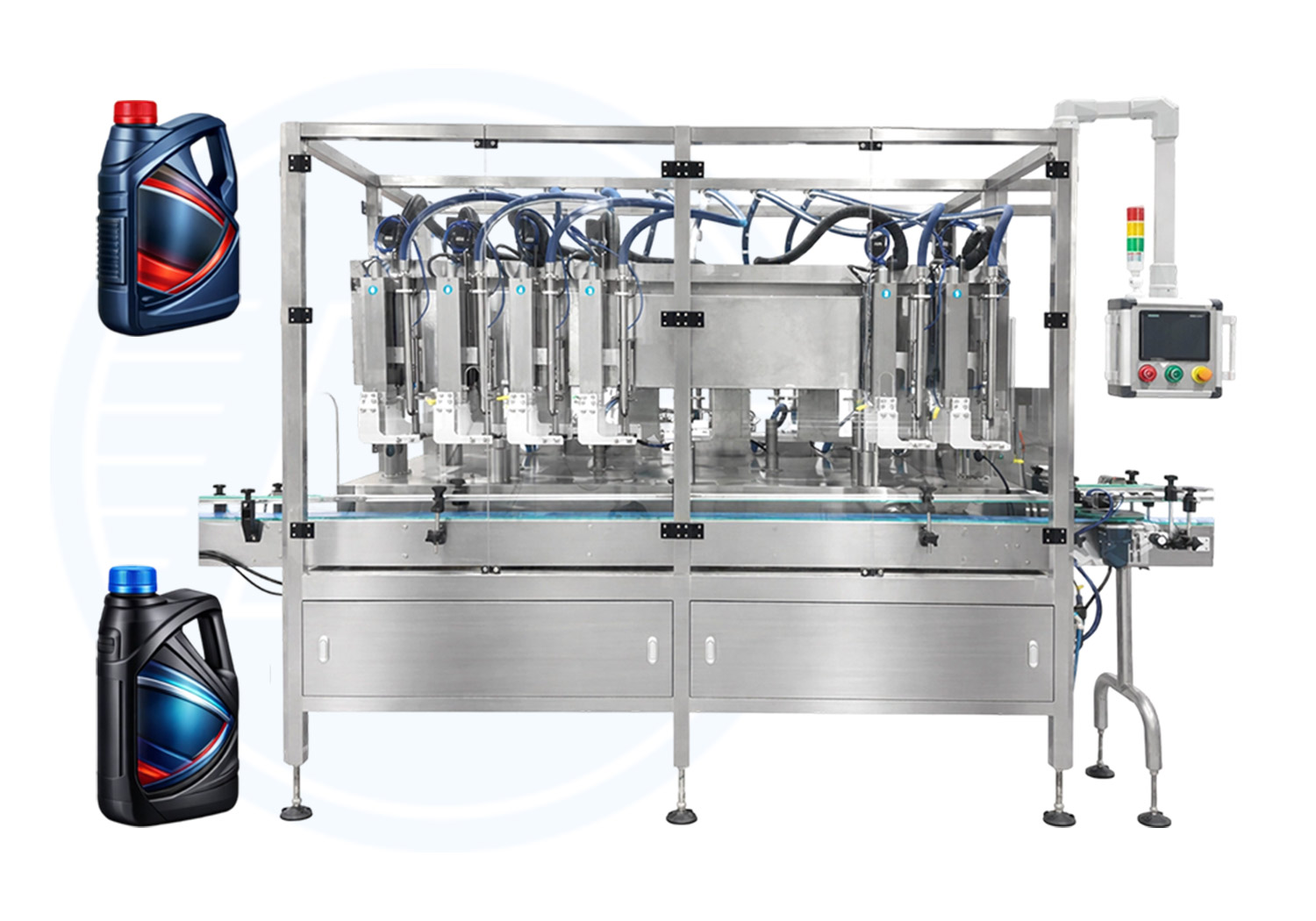
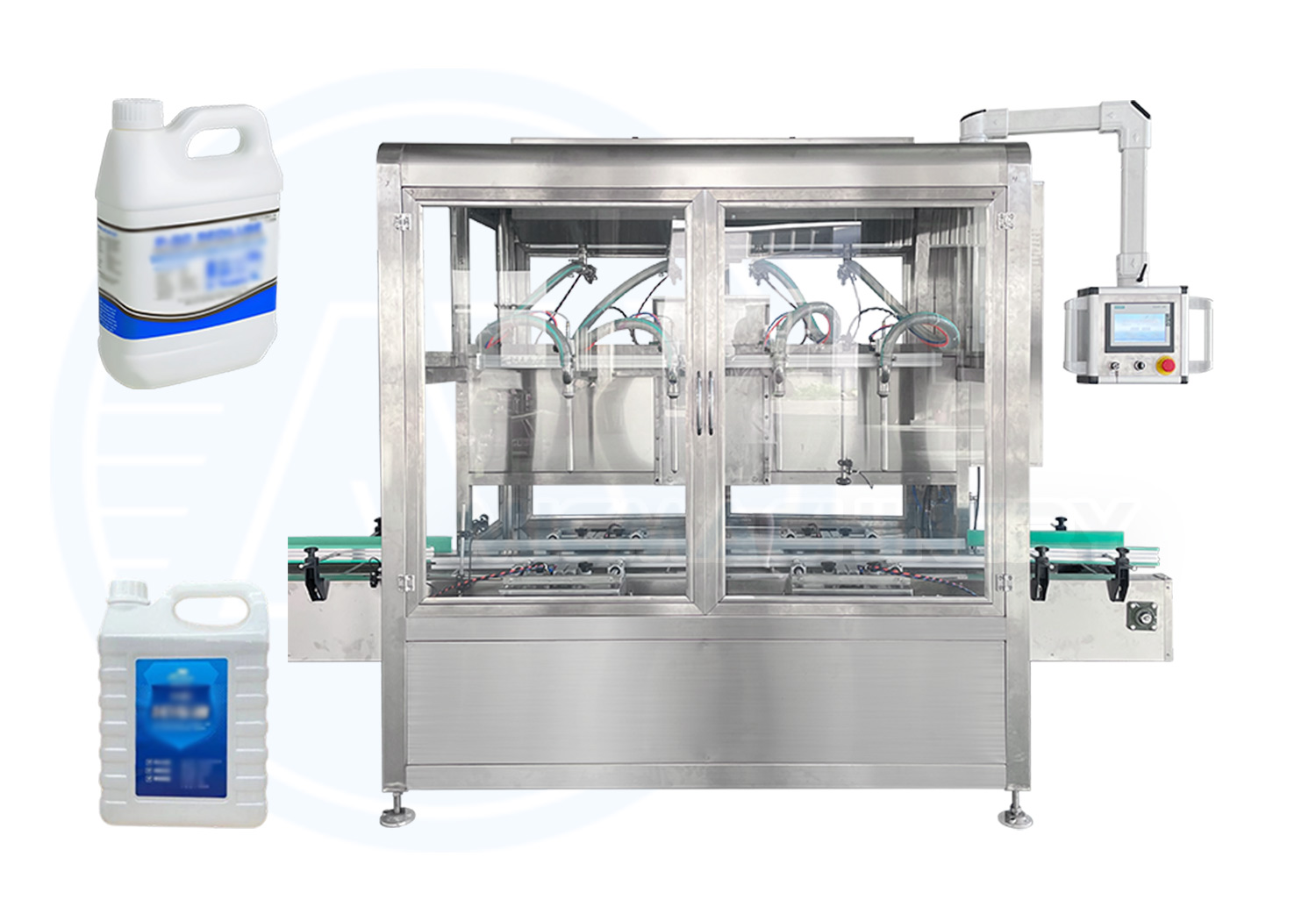
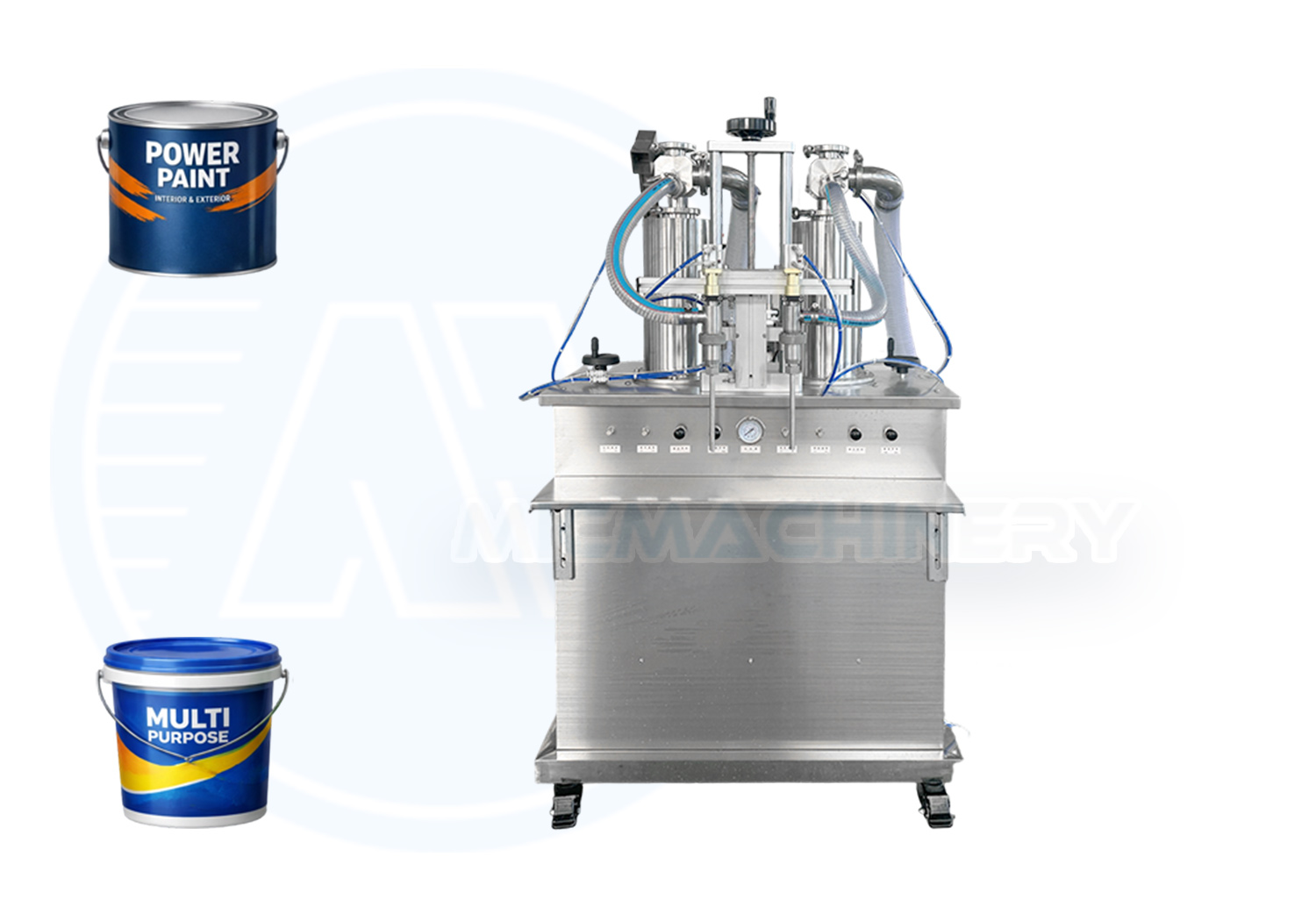
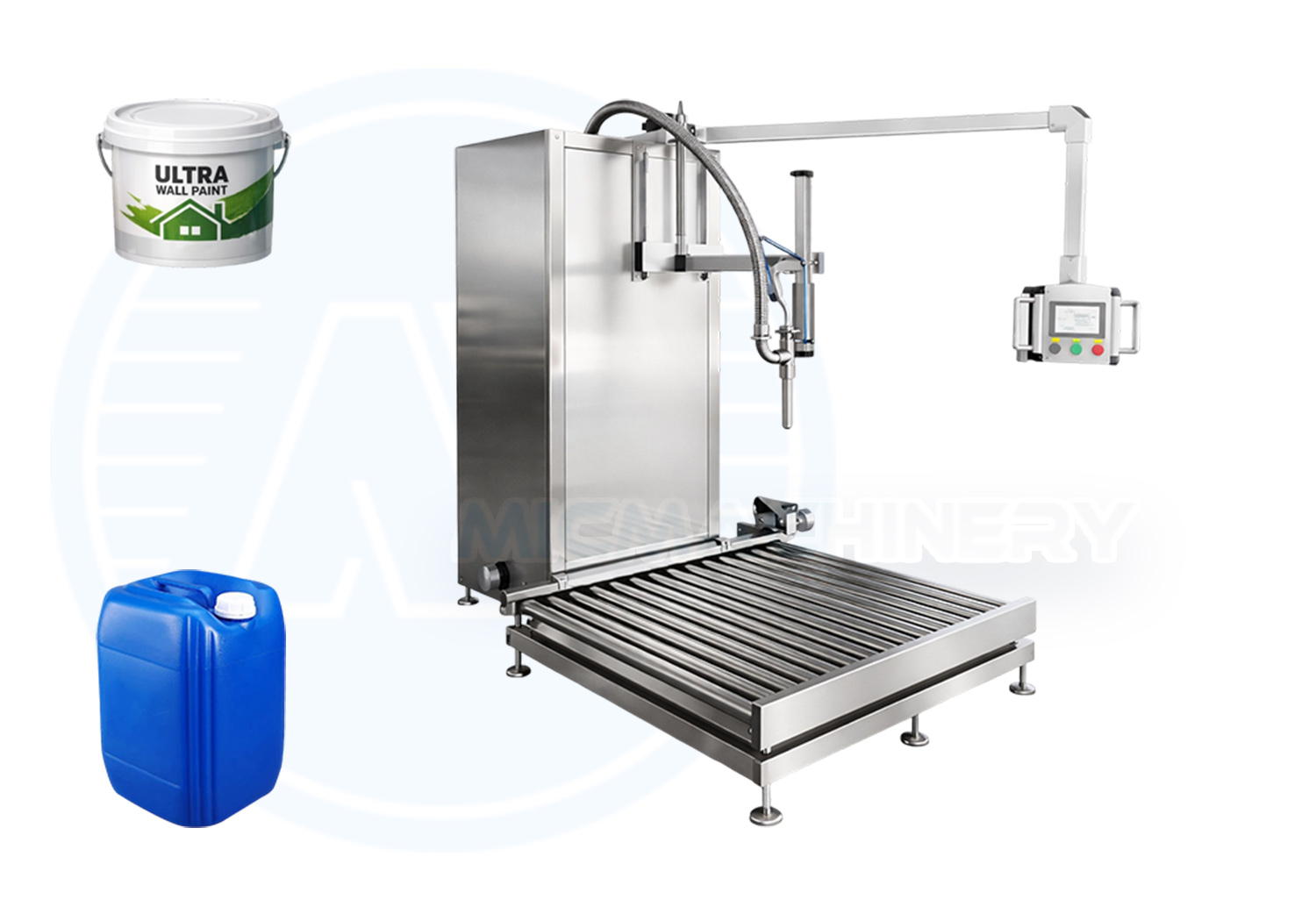
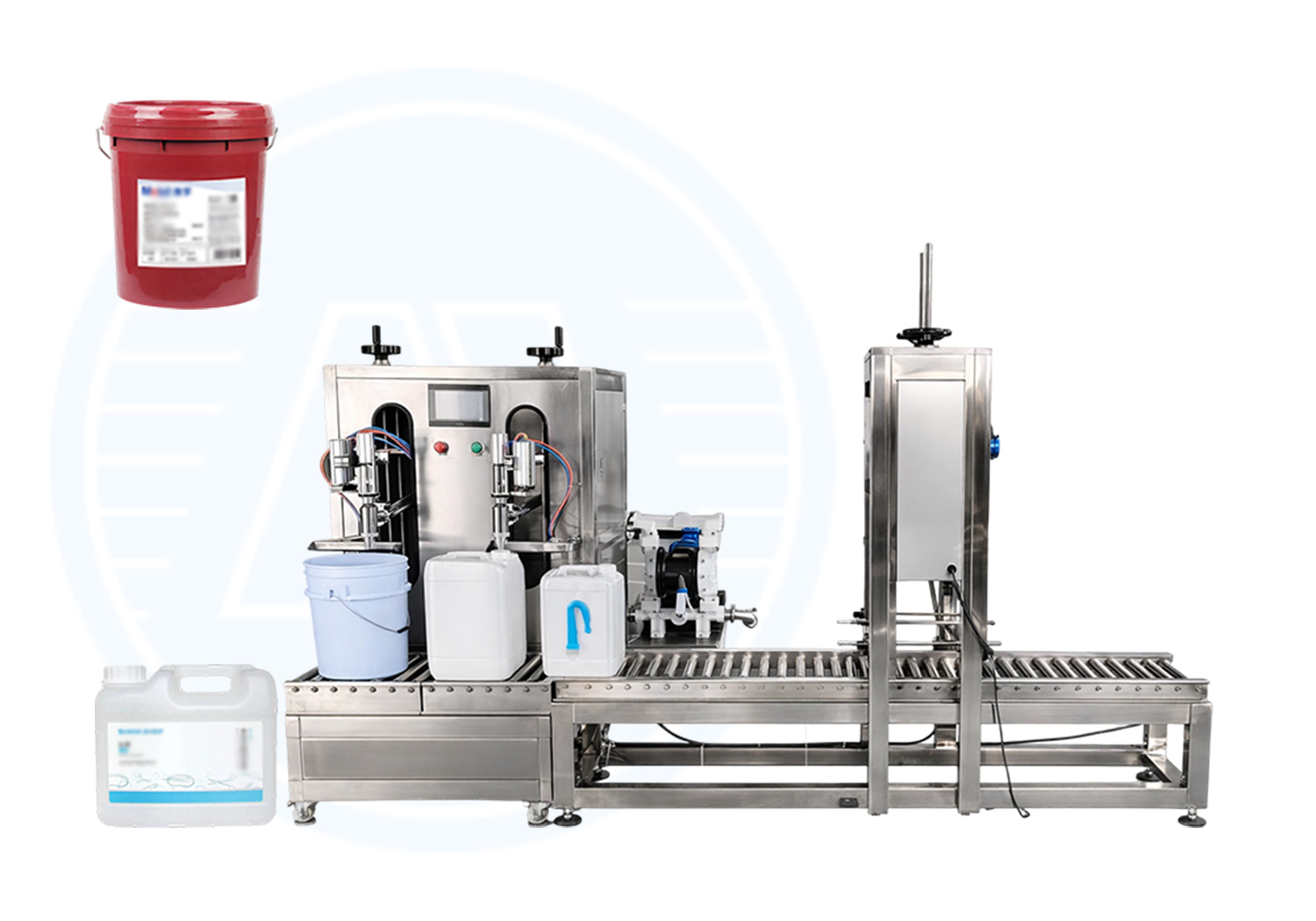
The Paint Filling Machine developed by MIC Machinery is engineered for controlled filling of high-viscosity, abrasive, and pigment-rich materials. It is widely used in coatings factories, construction material plants, industrial chemical facilities, and paint packaging operations where accuracy, cleanliness, and stability are critical.
Unlike standard liquid filling systems, paint filling requires stronger mechanical control, anti-sedimentation design, and robust sealing systems capable of handling long production cycles with minimal maintenance interruption.
The paint filling process begins with material preparation in a mixing or holding tank. In most industrial applications, paint must be continuously agitated to prevent pigment settling and maintain uniform consistency. This step is critical because even slight separation can affect color accuracy and filling performance.
Once stabilized, the paint is transferred into a buffer hopper that feeds the filling system at a controlled rate. The hopper may include a slow agitation mechanism to maintain suspension of solid particles during operation.
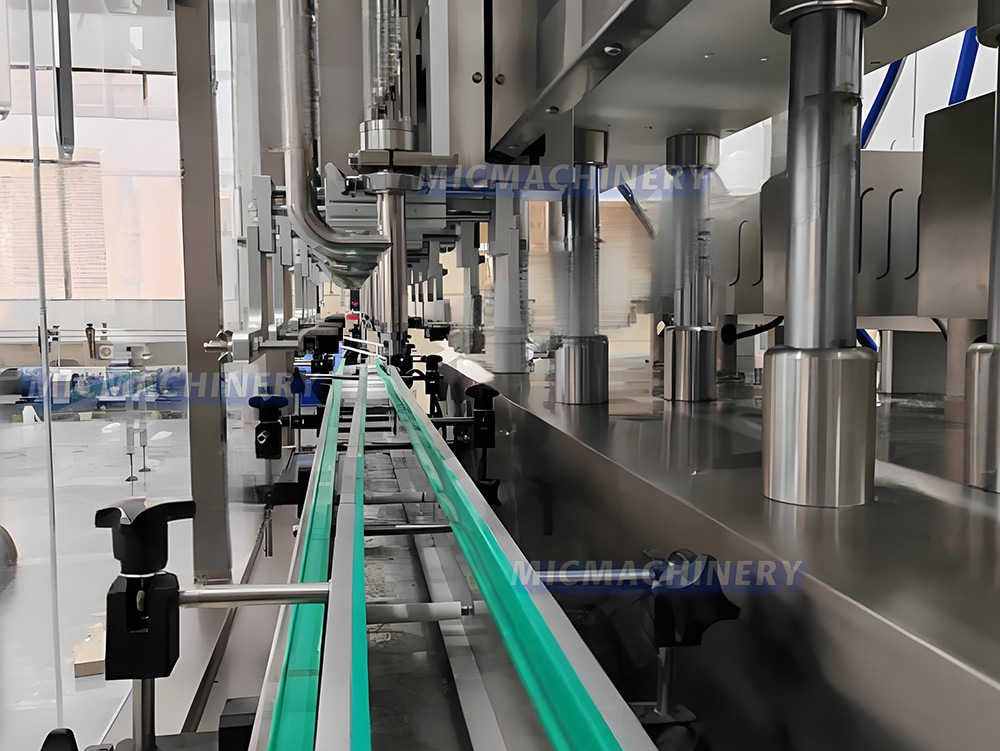
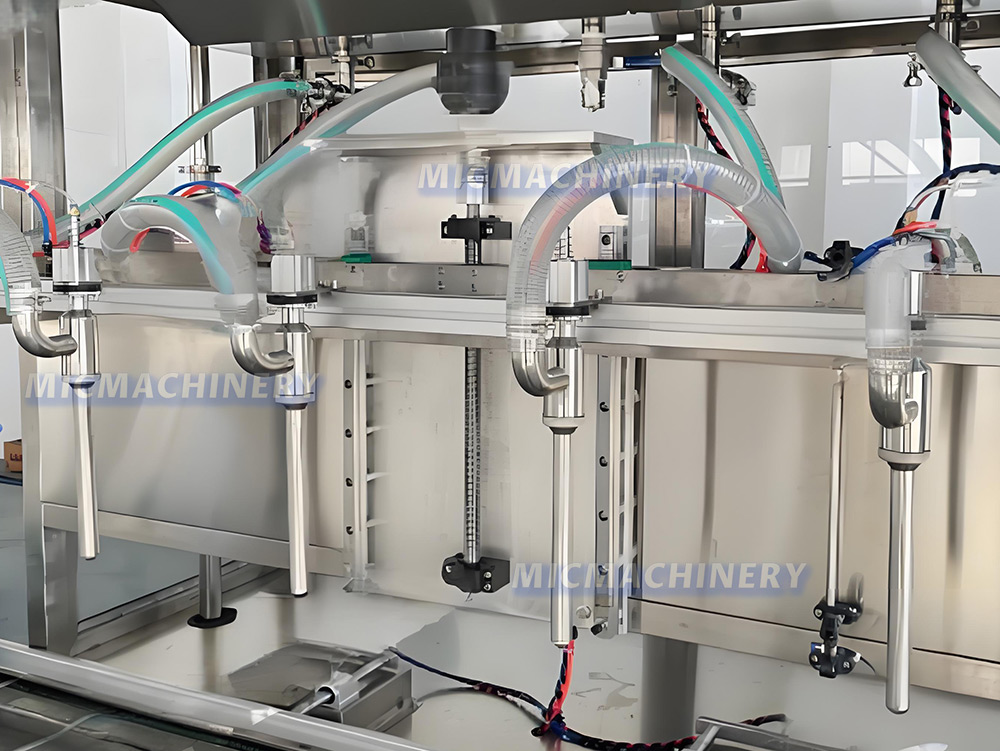
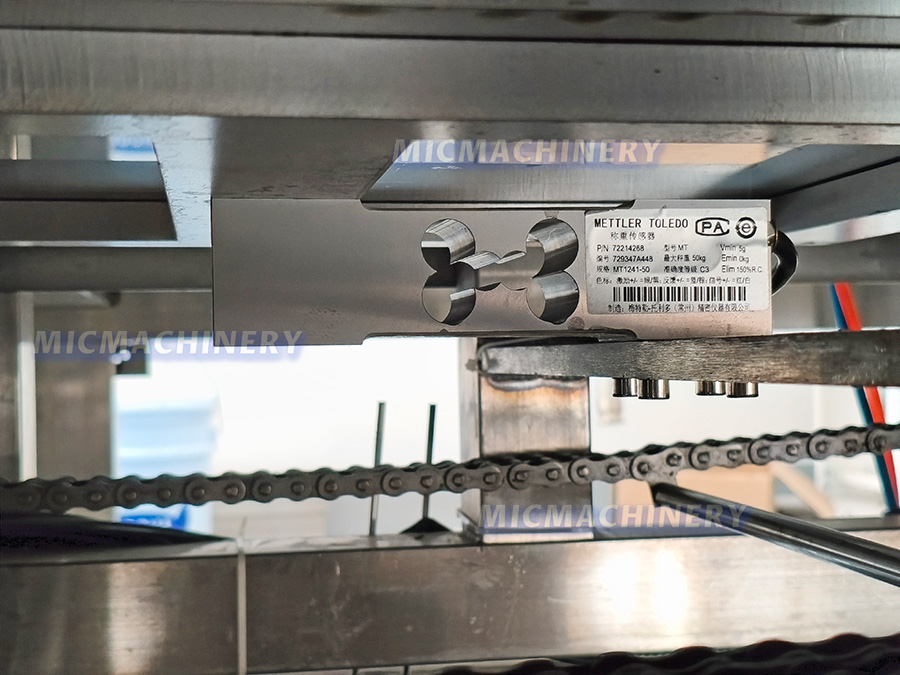
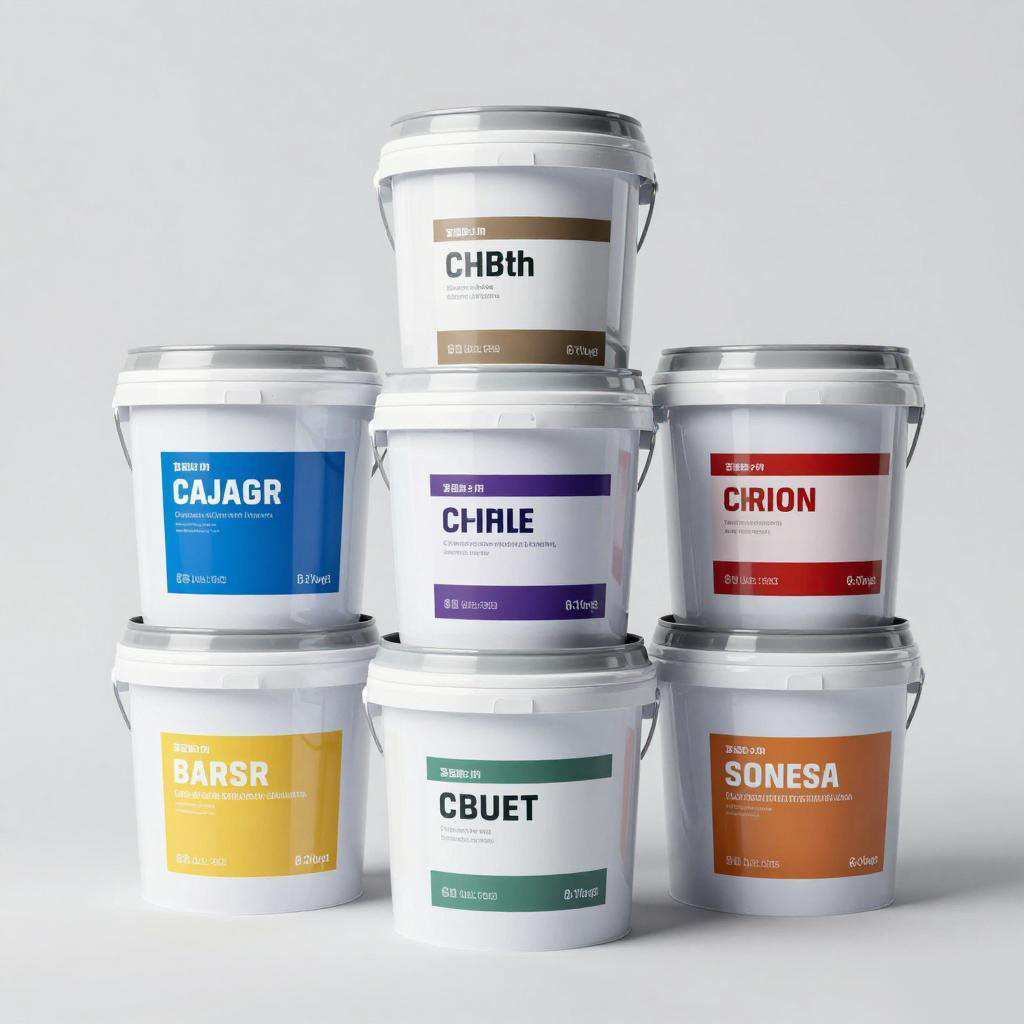
Containers are automatically conveyed into position under the filling nozzles. Sensors detect correct alignment before initiating the filling cycle. The piston or servo system then draws a measured volume of paint and discharges it into the container under controlled pressure. For large containers such as 5L or 20L buckets, dual-stage filling is often used to reduce splashing and improve accuracy.
Anti-drip nozzles ensure clean cut-off after each cycle, preventing paint residue on container rims. In high-viscosity applications, bottom-up filling may be used to reduce air entrapment and improve surface consistency.
After filling, containers move to capping and sealing stations, followed by labeling and packaging. The entire process is synchronized through PLC control to ensure stable timing and consistent output across all filling heads.
Video Demonstration
Applications
The Paint Filling Machine is widely used in the coatings, construction, and industrial chemical sectors.
Typical applications include:
Water-based wall paint
Latex paint
Industrial protective coatings
Wood paint and varnish
Anti-rust coatings
Epoxy paints
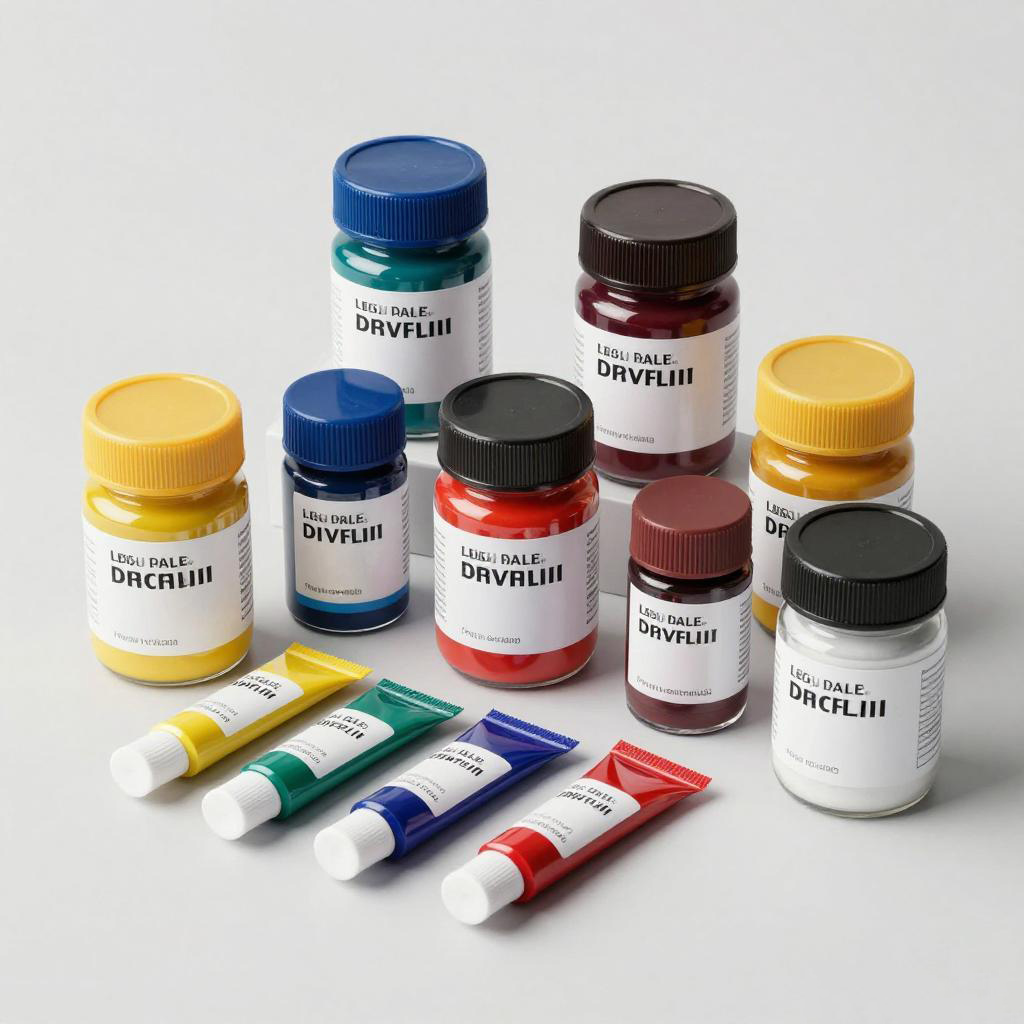
Automotive touch-up paint
Solvent-based coatings
Decorative paints
Construction-grade emulsions
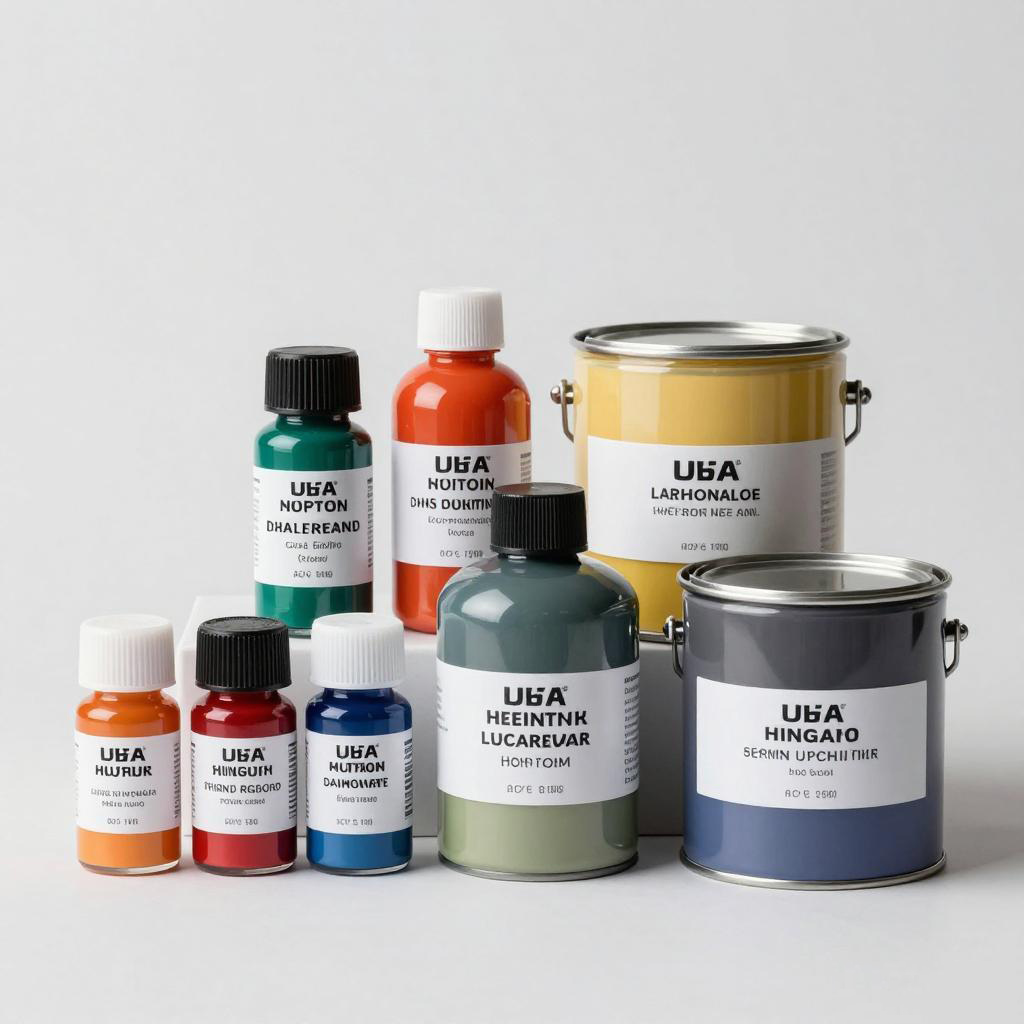
The system supports a wide range of containers including metal cans, plastic buckets, drums, and industrial packaging barrels, making it suitable for both retail paint products and large-scale industrial supply chains.
Customization Options
Paint production environments require highly adaptable equipment due to variations in viscosity, pigment load, and container size. MIC Machinery offers multiple customization options to meet these industrial requirements.
Agitated Hopper System
Maintains uniform pigment distribution during continuous production and prevents sedimentation.
Heavy-Duty Piston System
Designed for high-viscosity paints and abrasive coatings with stable displacement control.
Servo-Control Filling
Provides precise adjustment for different paint formulations and packaging volumes.
Anti-Splash Filling Design
Reduces turbulence during high-speed filling of large containers.
Explosion-Proof Configuration
Available for solvent-based paint environments requiring enhanced safety compliance.
Multi-Container Compatibility
Supports quick adjustment for cans, buckets, and industrial drums.
Full Production Line Integration
Can be connected with mixing systems, filtration units, capping machines, labeling systems, and palletizing equipment.
Maintenance and Operation
Paint filling systems operate in demanding environments where pigment buildup and material abrasion are common. Regular maintenance is essential for stable long-term performance.
Daily cleaning includes flushing pipelines, cleaning nozzles, and removing paint residue from hopper surfaces. This prevents hardening of coatings that can affect flow stability and accuracy.
Weekly inspections should focus on piston seals, valve performance, sensor alignment, and agitation system operation. For systems handling abrasive coatings, wear components should be checked regularly and replaced when necessary.
Electrical and pneumatic systems should be inspected to ensure stable pressure and control performance. With proper maintenance, the machine can maintain reliable operation even in continuous heavy-duty production environments.
FAQ
Q1: Can the machine handle thick industrial coatings? Yes. The system is designed for high-viscosity paints and heavy industrial coatings.
Q2: How is pigment settling prevented during filling? Agitated hoppers and mixing tanks ensure continuous material uniformity.
Q3: Can it fill large containers like 20L buckets? Yes. The system supports a wide range of container sizes from small cans to large drums.
Q4: Is it suitable for solvent-based paints? Yes, with optional explosion-proof configurations for safety compliance.
Q5: How is filling accuracy maintained? Piston or servo systems ensure stable volumetric control with high repeatability.
Q6: Can it be integrated into a full production line? Yes. It can connect with mixing, capping, labeling, and palletizing systems
Industrial Paint Filling Machine from MIC Machinery
The MIC Machinery Paint Filling Machine is engineered for industrial coating manufacturers requiring stable, accurate, and durable filling performance. It is designed to handle complex paint formulations while maintaining efficiency and consistency in modern automated production environments.