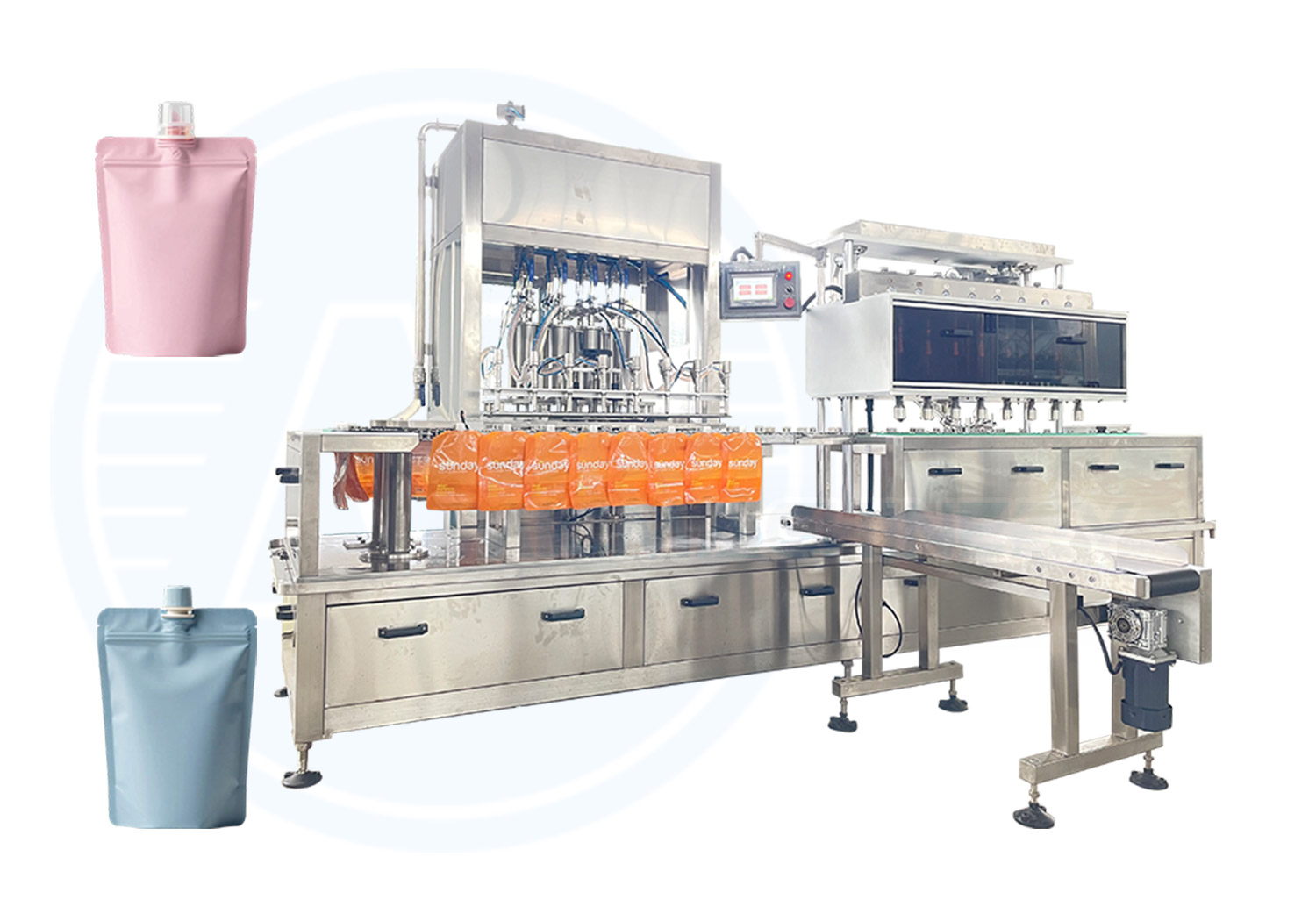
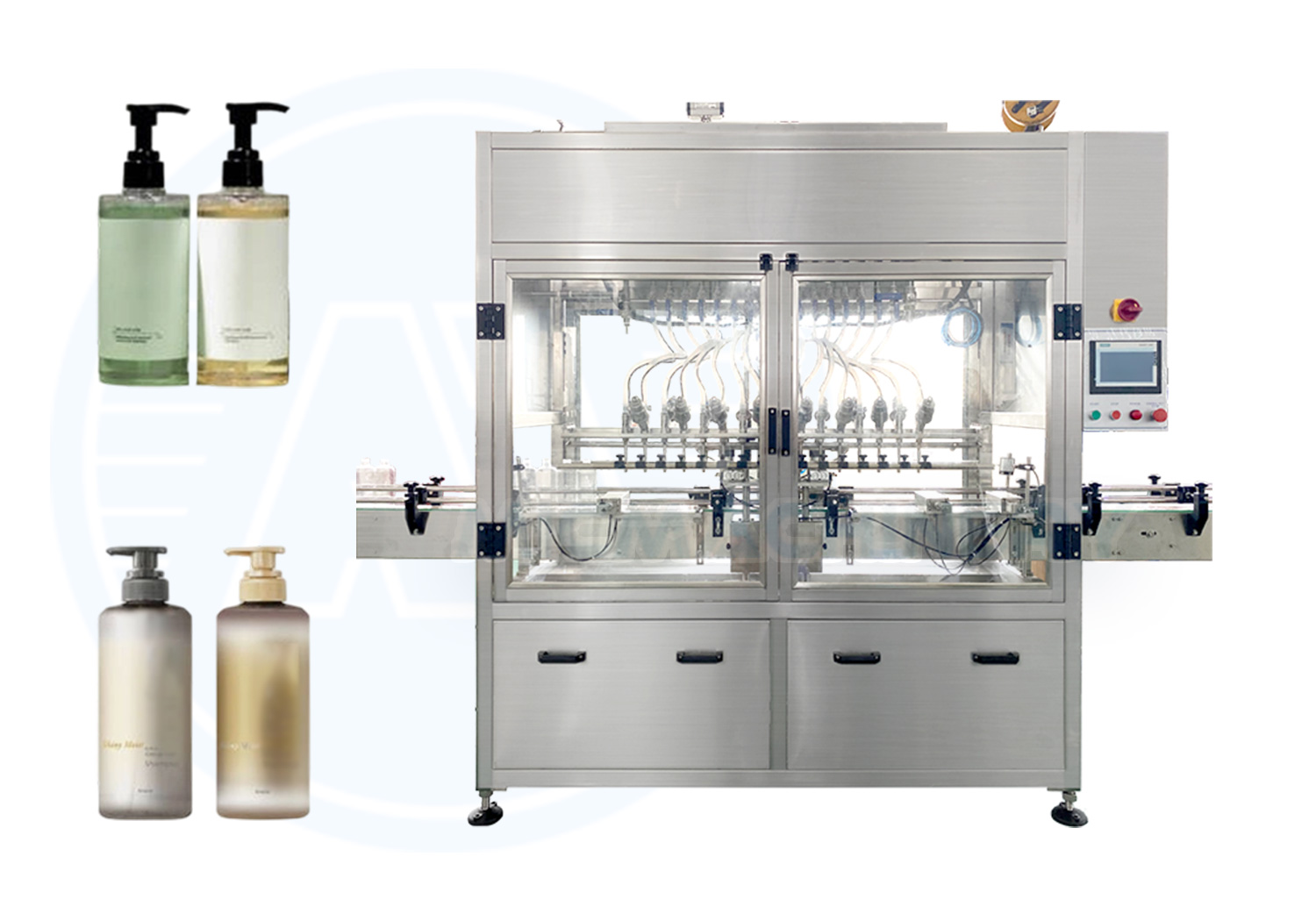
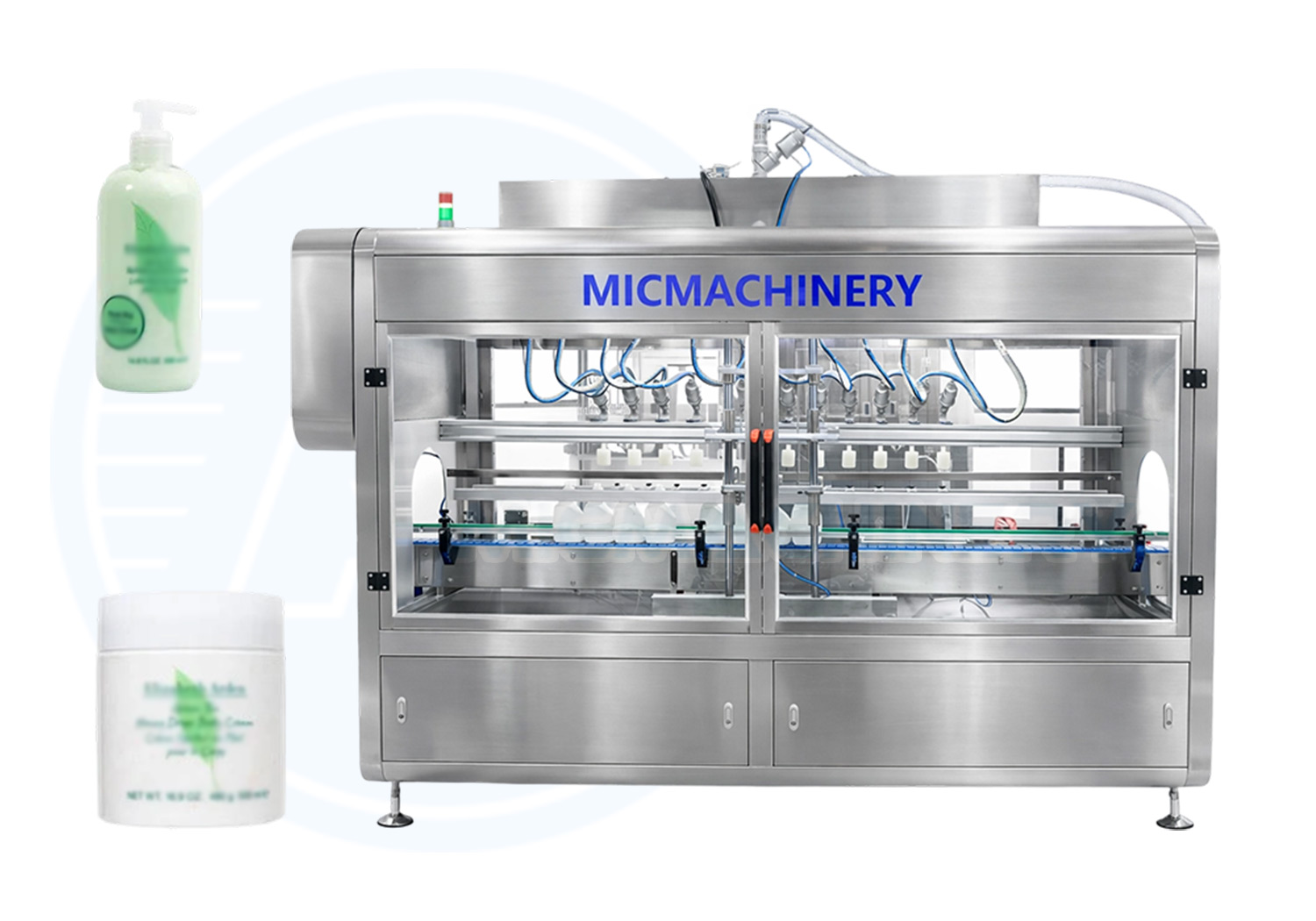
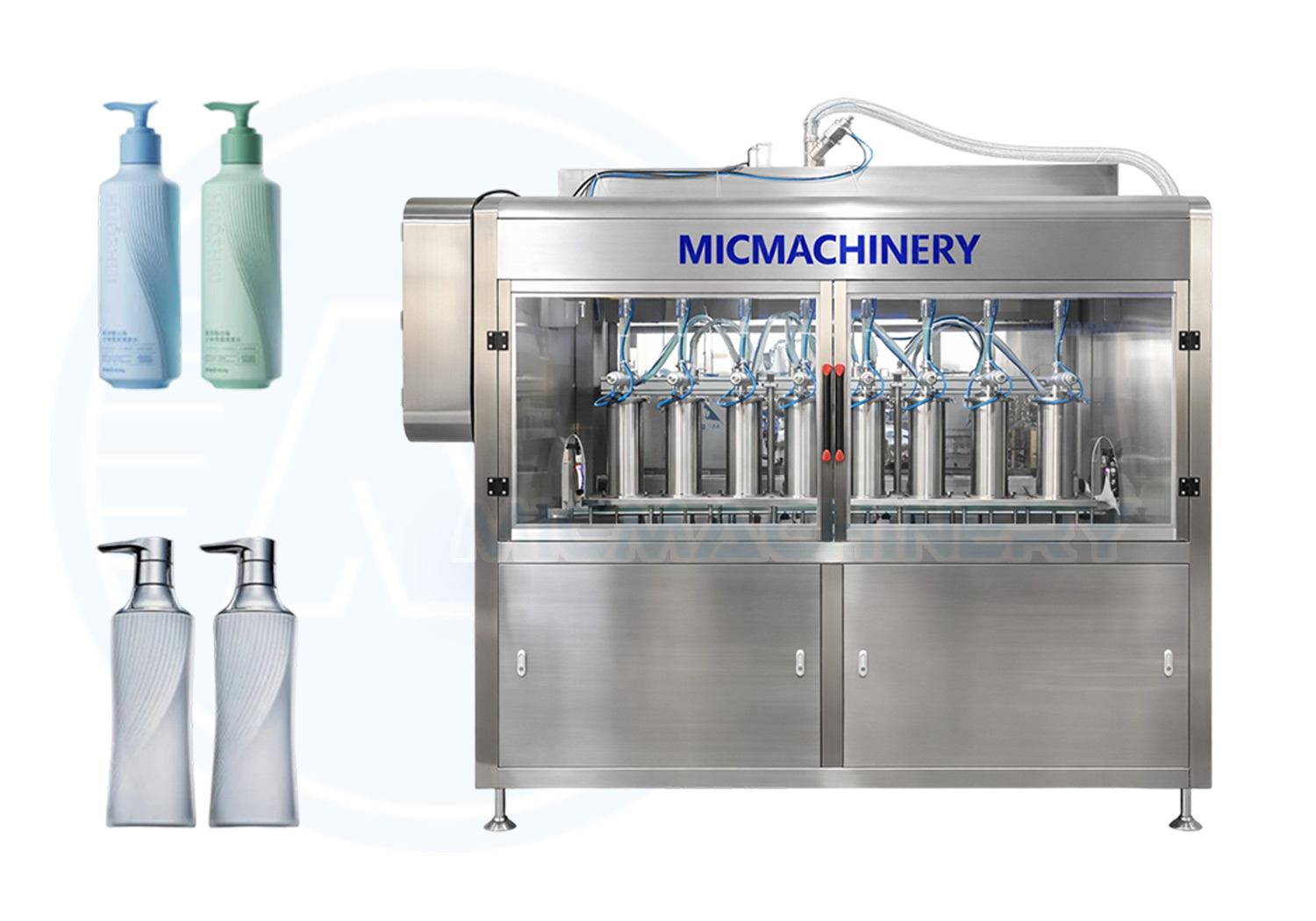
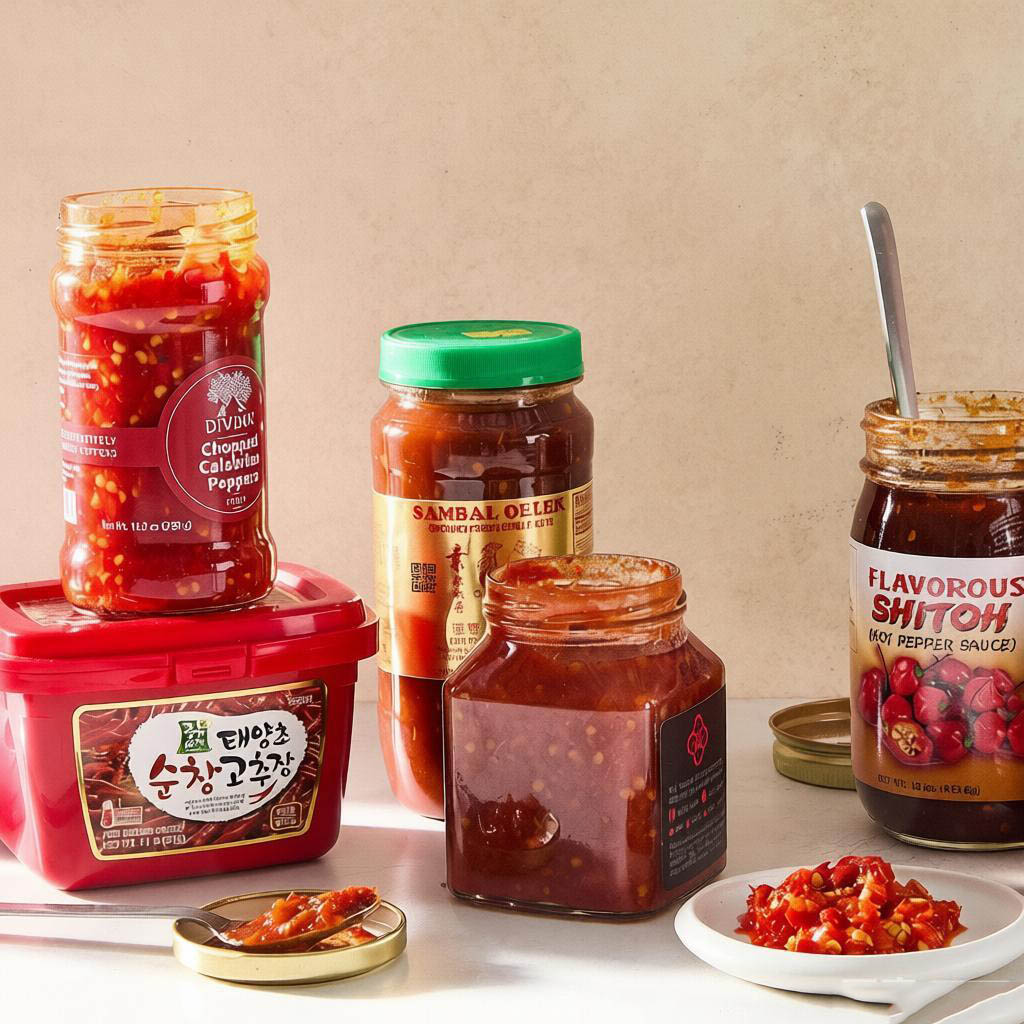
Paste Packing Machine——Industrial Viscous Filling & Packaging System
Paste products cover a wide range of industrial and food applications, from tomato paste and peanut butter to adhesives, gels, and chemical creams. What they share in common is high viscosity, uneven flow behavior, and a tendency to stick to internal surfaces during processing. These characteristics make paste filling significantly more complex than standard liquid packaging.
The Paste Packing Machine developed by MIC Machinery is designed to handle thick, semi-solid materials with stable dosing accuracy and controlled discharge. It is widely used in food processing plants, cosmetic factories, chemical production facilities, and industrial adhesive packaging lines.
Unlike conventional liquid fillers, paste systems must manage strong resistance during flow, prevent clogging, and maintain consistent cut-off without dripping or stringing.
The paste packing process begins with material preparation in a mixing or holding tank. Depending on the product, the paste may be heated or continuously agitated to maintain stable viscosity. This step is critical for materials such as peanut butter, tomato paste, or industrial adhesives, where uneven texture can affect flow consistency.
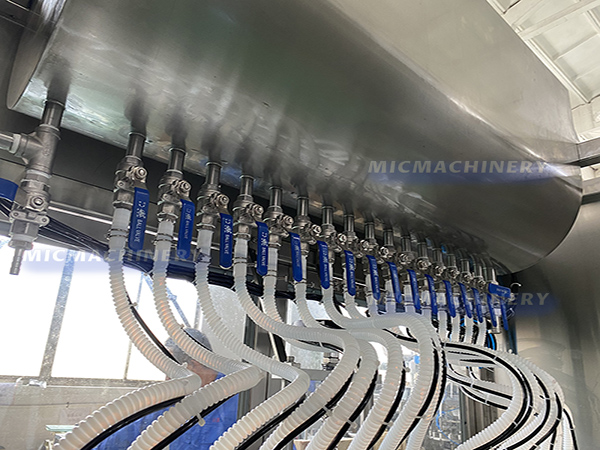
Once stabilized, the paste is transferred into a buffer hopper connected to the filling system. The hopper ensures a steady supply of material while minimizing air entrapment, which could lead to inconsistent dosing.
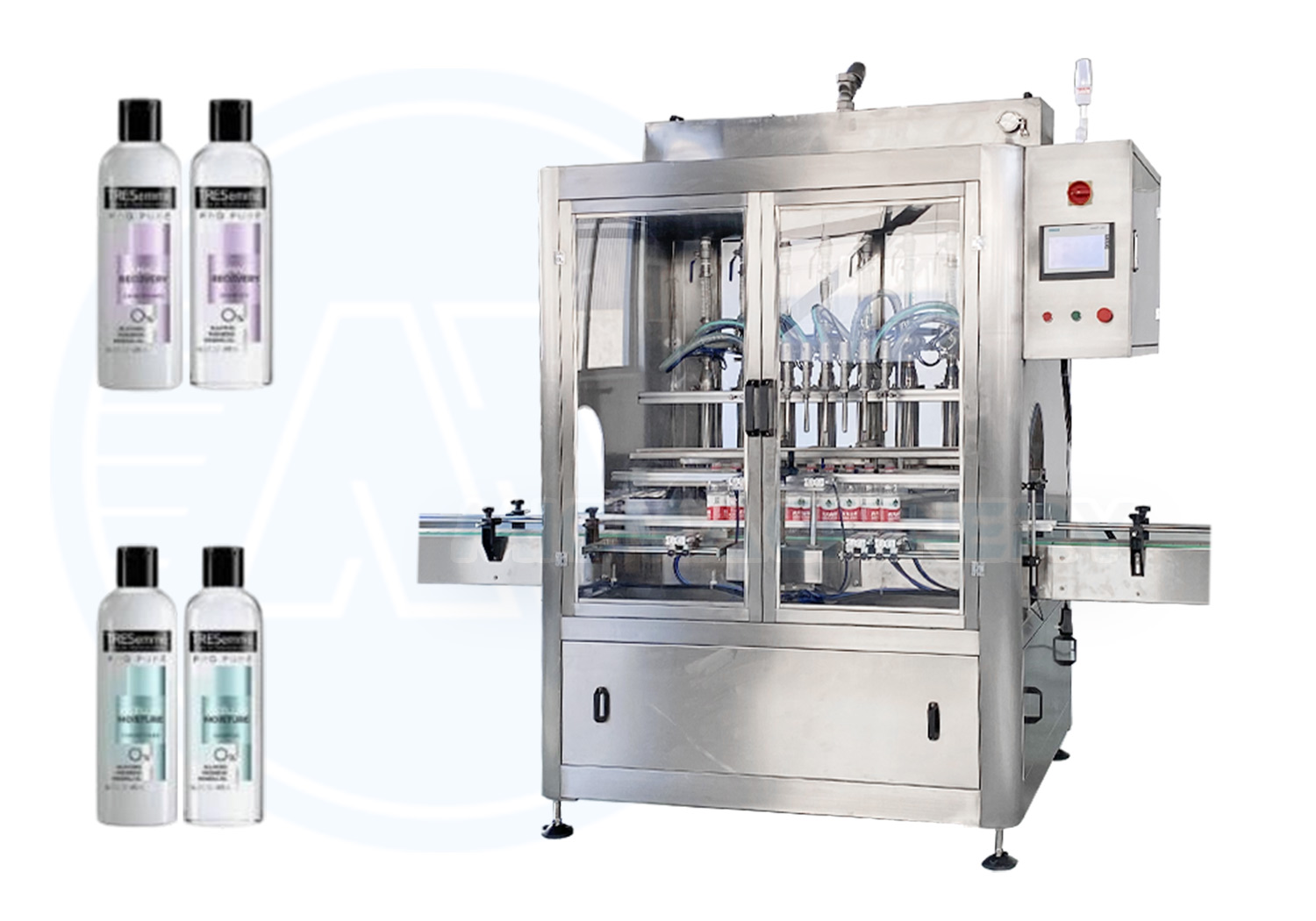
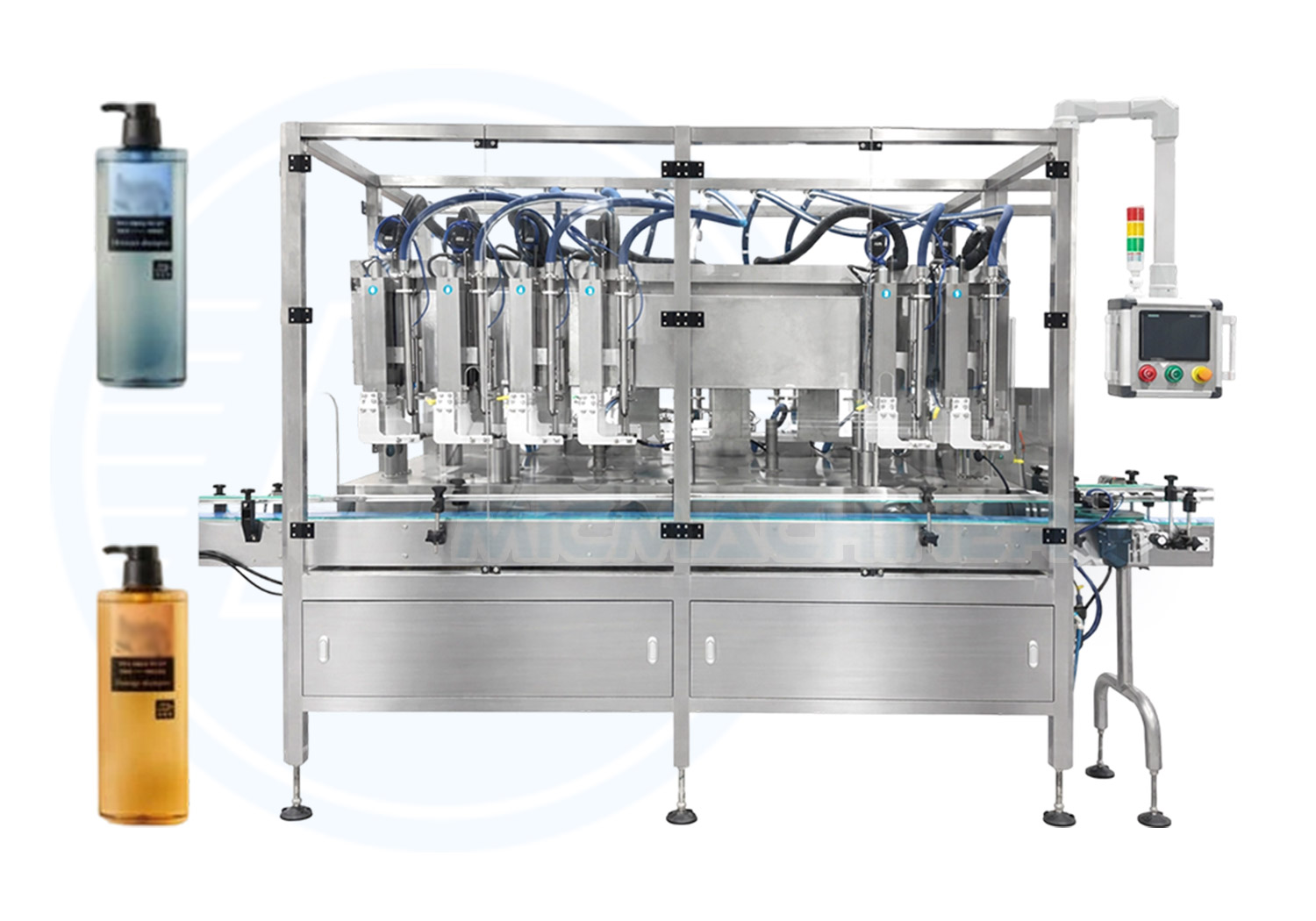
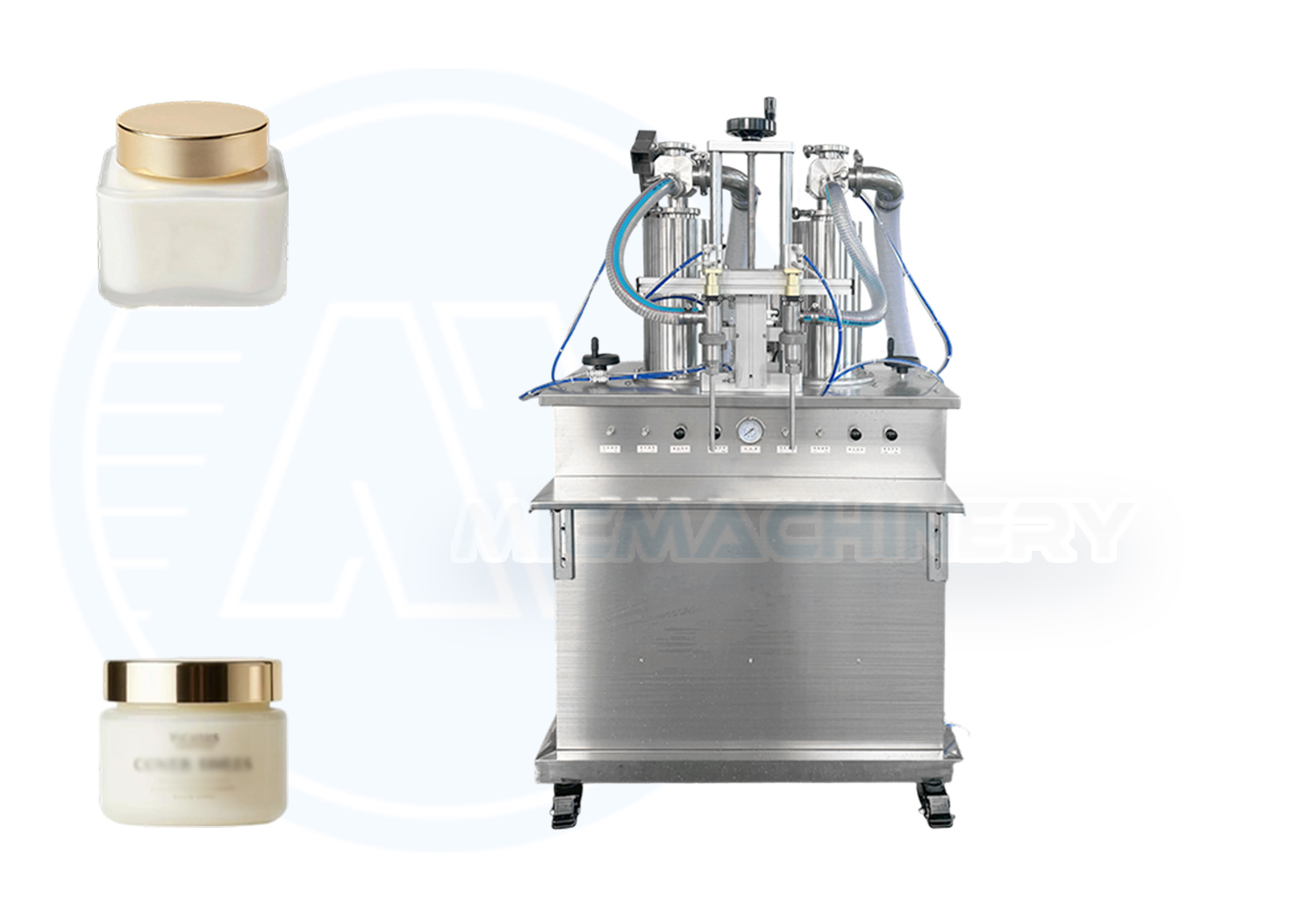
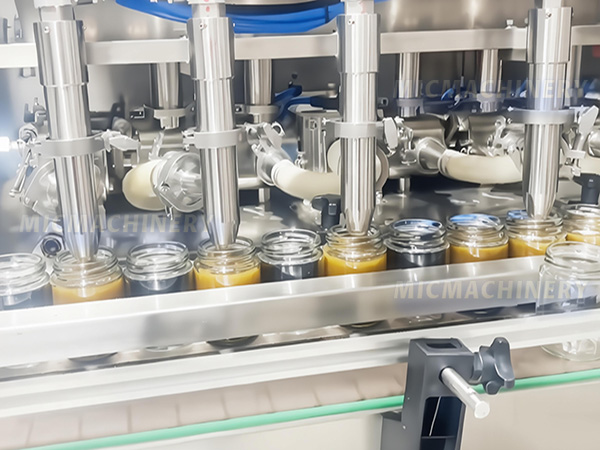
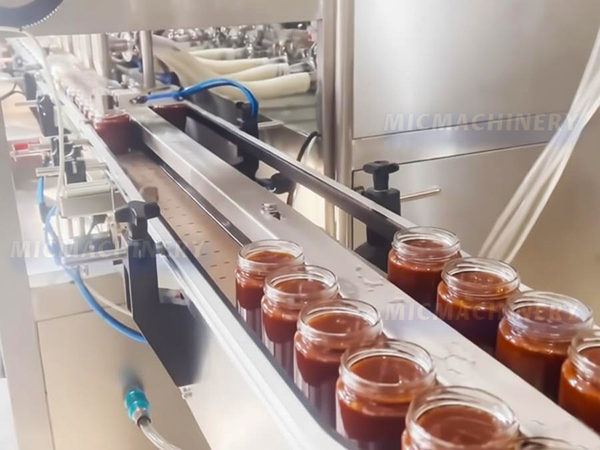
Empty containers are automatically transported to the filling station and positioned under the nozzles using sensor-based alignment systems. Once in place, the piston or servo system draws a measured volume of paste from the hopper and discharges it into each container with controlled pressure.
Due to the high viscosity of paste materials, strong discharge force is required. The piston system ensures stable flow even for thick or partially solidified products. Anti-drip nozzles ensure clean cut-off after each cycle, preventing stringing or residue formation at the container opening.
For industrial applications, bottom-up filling can also be used to reduce air entrapment and improve filling consistency. After filling, containers move to downstream processes such as capping, sealing, labeling, and final packaging. The entire workflow is coordinated through a PLC system to ensure stable and synchronized production.
Video Demonstration
Applications
The Paste Packing Machine is widely used across food, cosmetic, and chemical industries.
Typical applications include:
Tomato paste packaging
Peanut butter filling
Chocolate paste products
Cosmetic creams and lotions
Hair styling gels
Industrial adhesives
Silicone sealant packaging
Pharmaceutical ointments
Cleaning pastes and gels
OEM paste product manufacturing
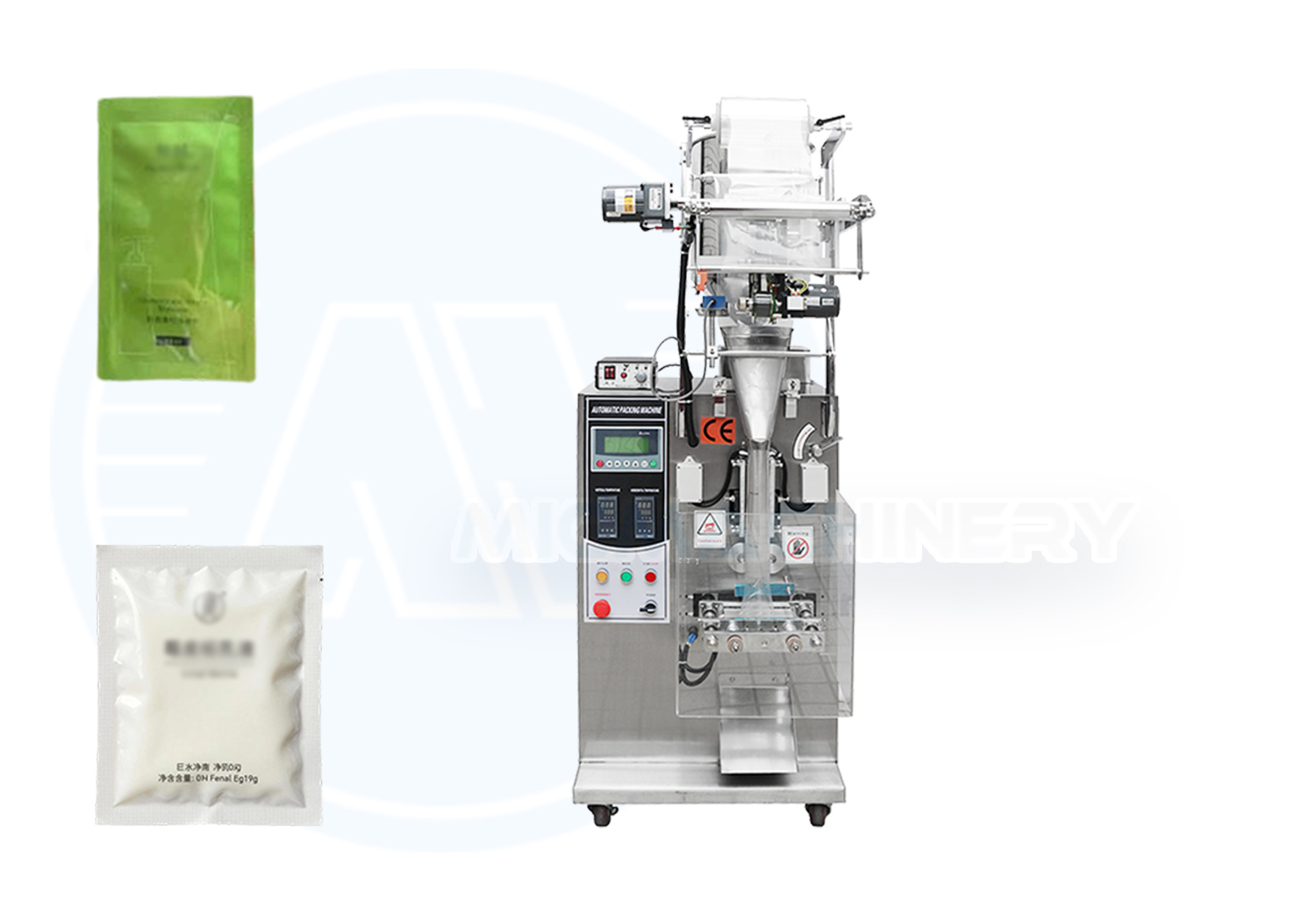
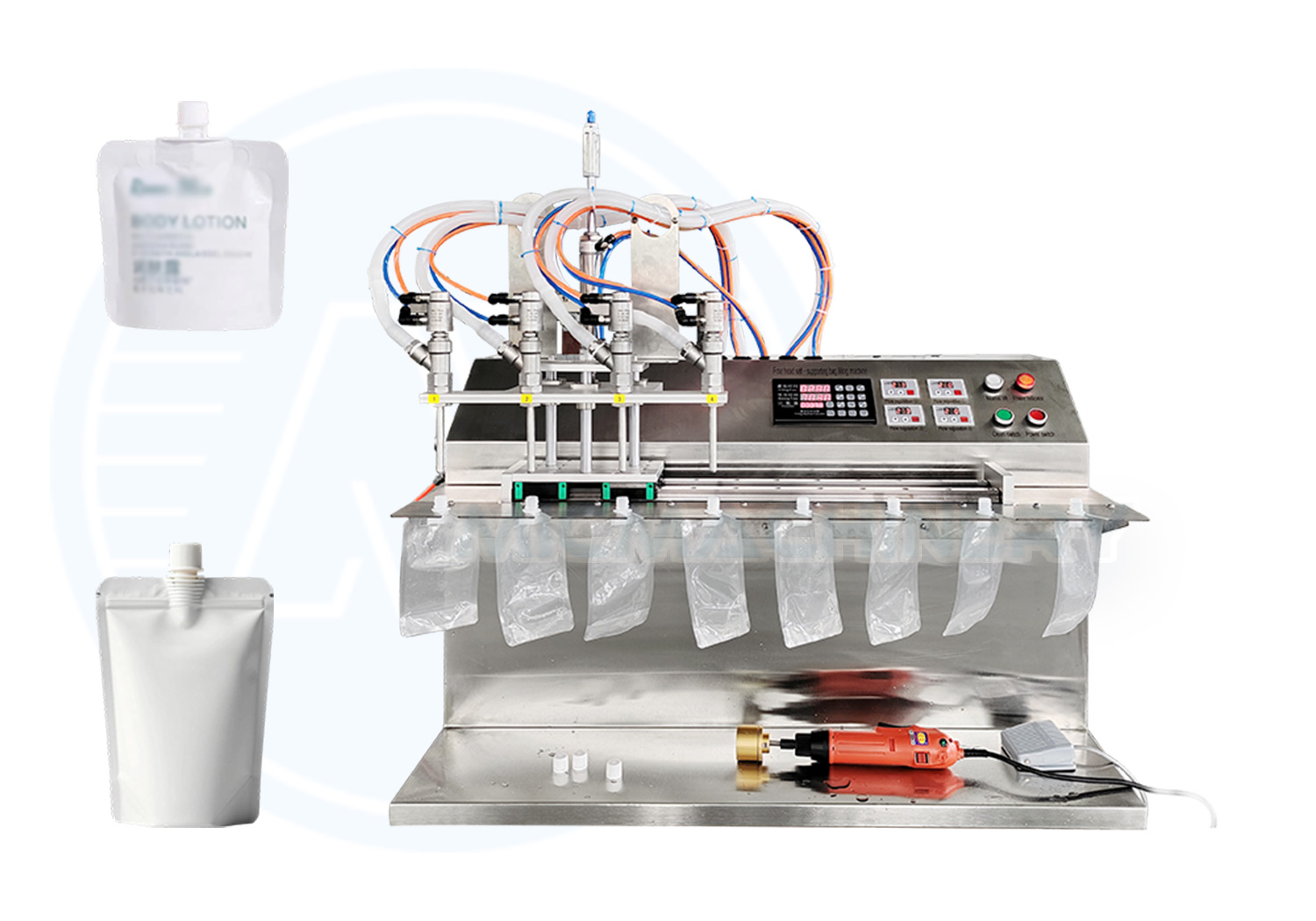
The system supports bottles, jars, tubes, sachets, and industrial containers, making it suitable for both consumer and industrial product lines.
Customization Options
Paste packaging requirements vary widely depending on viscosity, temperature sensitivity, and particle composition. MIC Machinery offers multiple customization options to adapt to different production environments.
Servo Piston Filling System
Provides high-force and high-precision control for thick paste materials.
Heated Hopper System
Maintains stable viscosity for temperature-sensitive products.
Agitation System
Ensures uniform consistency in multi-component paste formulations.
Wide-Channel Valve Design
Prevents clogging in high-viscosity or particle-containing materials.
Anti-Stringing Nozzle System
Ensures clean cut-off and reduces material waste.
Bottom-Up Filling System
Improves accuracy and reduces air entrapment in transparent packaging.
Full Production Line Integration
Can be connected with mixing systems, sealing machines, labeling units, and packaging equipment.
Maintenance and Operation
Paste filling machines require regular maintenance due to the sticky and dense nature of processed materials. Daily cleaning includes flushing pipelines, removing residue from hoppers, and cleaning nozzle surfaces to prevent buildup.
Weekly inspections should focus on piston sealing integrity, valve movement stability, and nozzle performance. Any worn sealing components should be replaced promptly to maintain dosing accuracy.
For heated systems, temperature control units must be checked regularly to ensure stable viscosity conditions. Proper lubrication of mechanical components is necessary to maintain smooth operation under high-pressure conditions.
Q1: Can the machine handle extremely thick paste materials? Yes. Servo piston systems are designed for high-viscosity products.
Q2: Is heating required for all paste products? Not always. It depends on viscosity and temperature sensitivity.
Q3: Can it prevent stringing during filling? Yes. Anti-drip and anti-stringing nozzles ensure clean cut-off.
Q4: What types of containers are supported? Bottles, jars, tubes, sachets, and industrial drums.
Q5: Can it handle particle-containing pastes? Yes. Wide-channel and reinforced systems support mixed materials.
Q6: Can it be integrated into a full production line? Yes. It supports complete automation from mixing to final packaging.
Industrial Paste Packing Machine from MIC Machinery
The MIC Machinery Paste Packing Machine is engineered for stable, precise, and high-force filling of viscous and semi-solid products. It is designed for modern industrial environments where consistency, durability, and controlled material handling are essential for efficient paste packaging operations.