Coffee Filling Machine——Industrial Beverage Filling System
Coffee packaging has become more complex in recent years. The market now includes not only traditional ground coffee, but also coffee syrup, cold brew concentrate, liquid coffee, and ready-to-drink formulations. Each product behaves differently in terms of viscosity, temperature sensitivity, and foaming characteristics.
The Coffee Filling Machine developed by MIC Machinery is designed to handle these variations in a controlled industrial environment. It supports both liquid and semi-viscous coffee products, ensuring stable dosing, clean filling, and consistent output across long production cycles.
Unlike standard liquid fillers, coffee filling systems must also consider oxidation control, temperature stability, and hygiene requirements related to beverage-grade production.
The coffee filling process is designed to maintain beverage stability while ensuring hygienic and efficient operation.
Product Preparation and Feeding
Coffee is prepared in upstream brewing or mixing tanks and transferred into a buffer storage tank. For cold brew or hot-filled coffee, temperature control is often maintained to preserve flavor consistency and prevent microbial growth.
Measurement Stage
Depending on system type, coffee is measured using flowmeters or volumetric piston systems. Flowmeter-based systems are commonly used for low-viscosity coffee beverages due to their accuracy and fast response.
Bottle Positioning
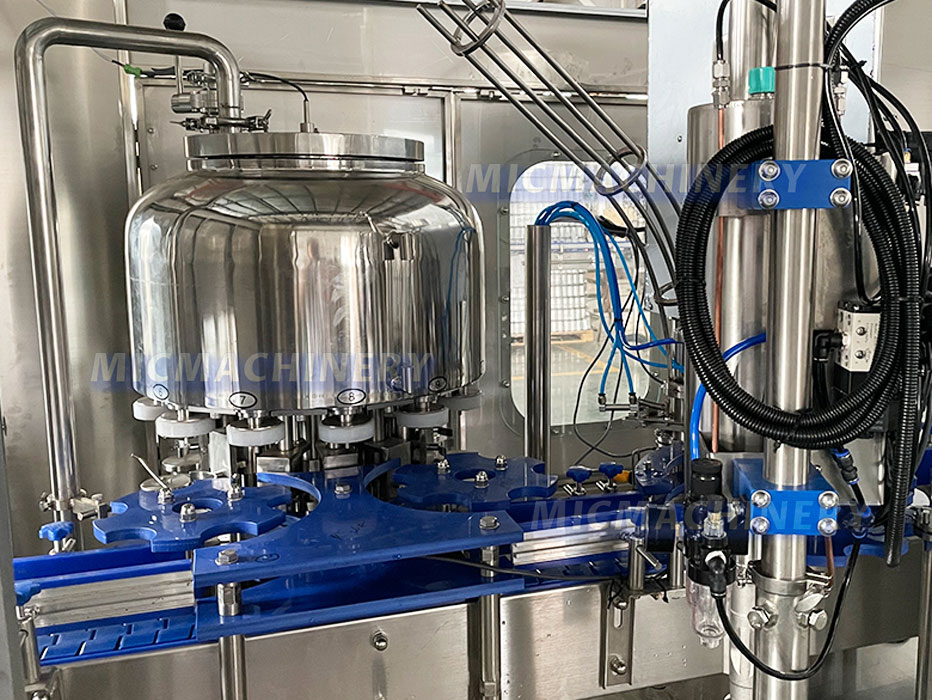
Empty containers are transported via an automated conveyor system. Optical sensors ensure correct positioning under each filling nozzle before the filling cycle begins.
Filling Operation
The filling nozzles descend into the container to minimize foam formation and oxygen exposure. Coffee is filled at a controlled speed to avoid turbulence, especially in carbonated or nitrogen-infused coffee products.
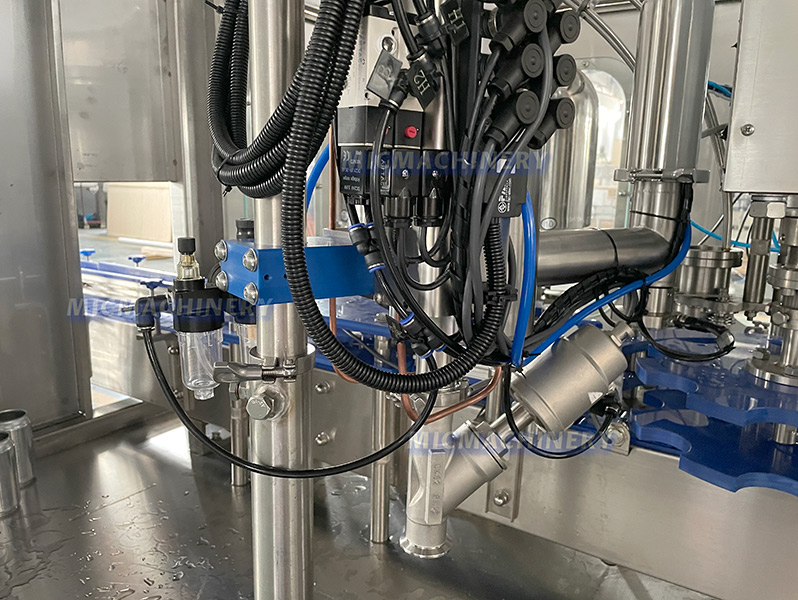
Anti-drip valves ensure clean cut-off at the end of each cycle, preventing residue on bottle necks and conveyor surfaces.
Transfer to Capping System
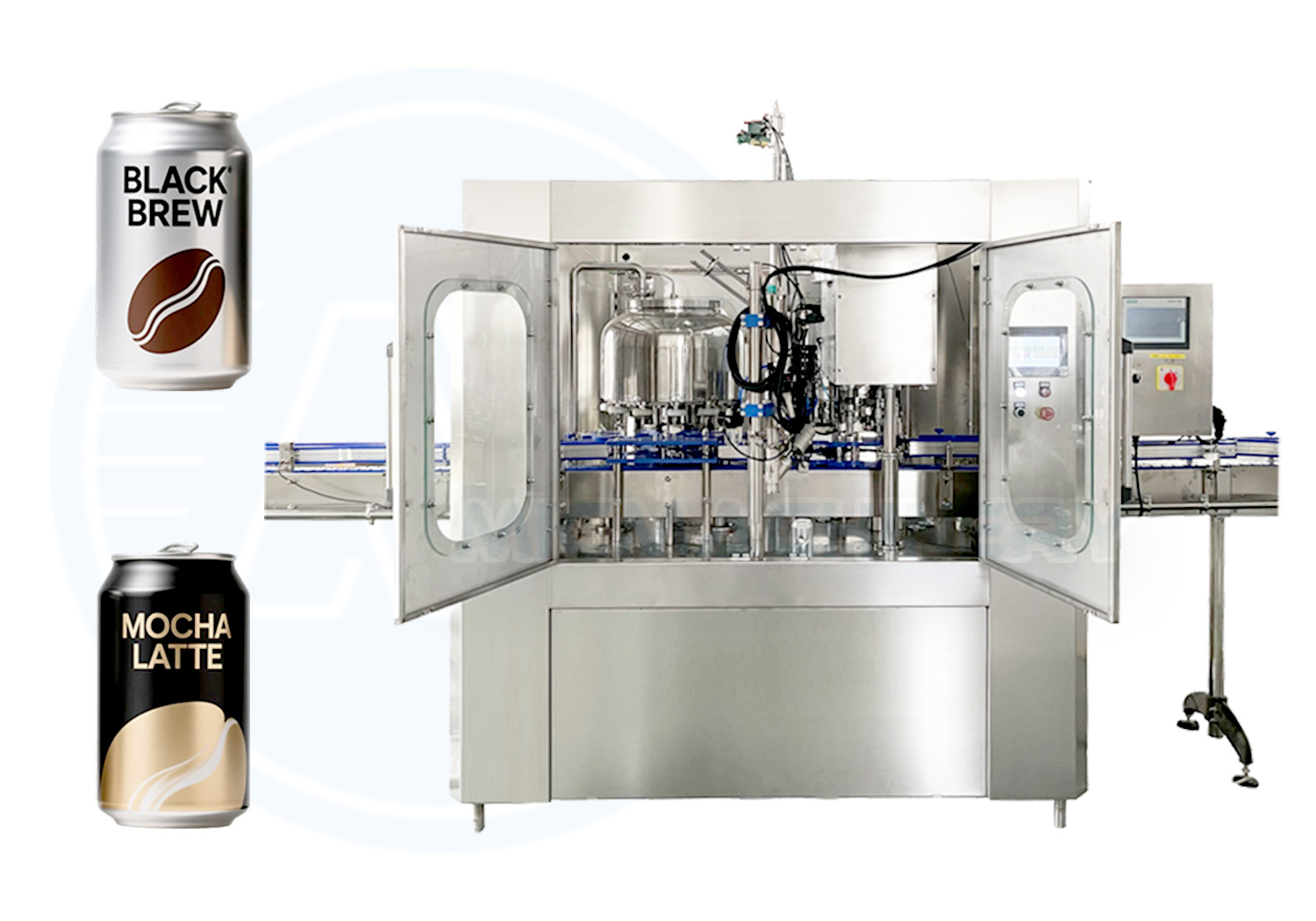
Once filling is completed, bottles move to the capping station. Depending on product type, aluminum caps, screw caps, or pressure-sealed closures may be applied. The system can be synchronized with labeling and coding equipment for full automation.
Video Demonstration
Applications
The Coffee Filling Machine is widely used in beverage manufacturing and food processing industries.
Typical applications include:
ready-to-drink coffee
cold brew coffee
coffee concentrates
flavored coffee drinks (vanilla, caramel, etc.)
bottled espresso beverages
plant-based coffee drinks
industrial beverage production lines
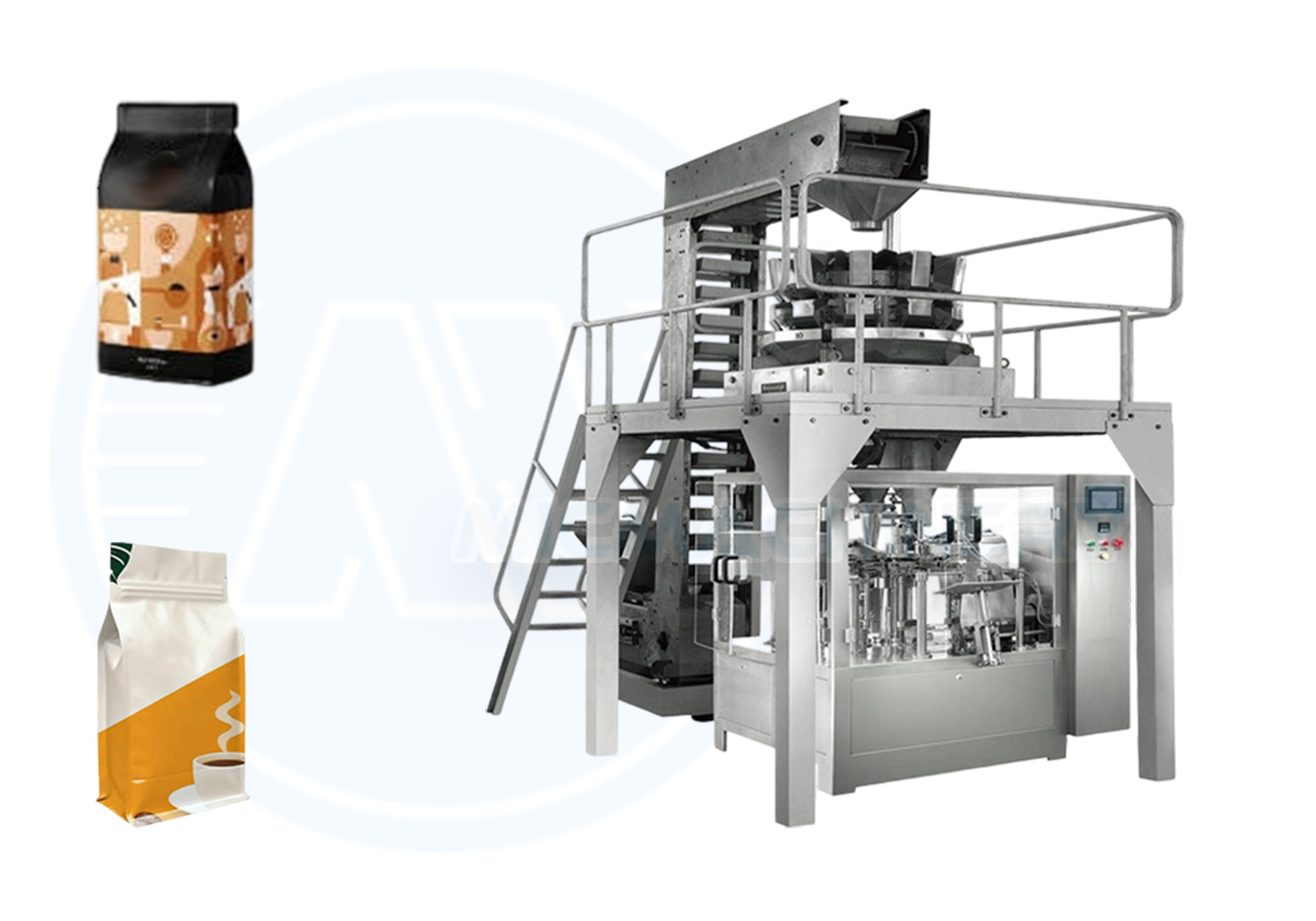
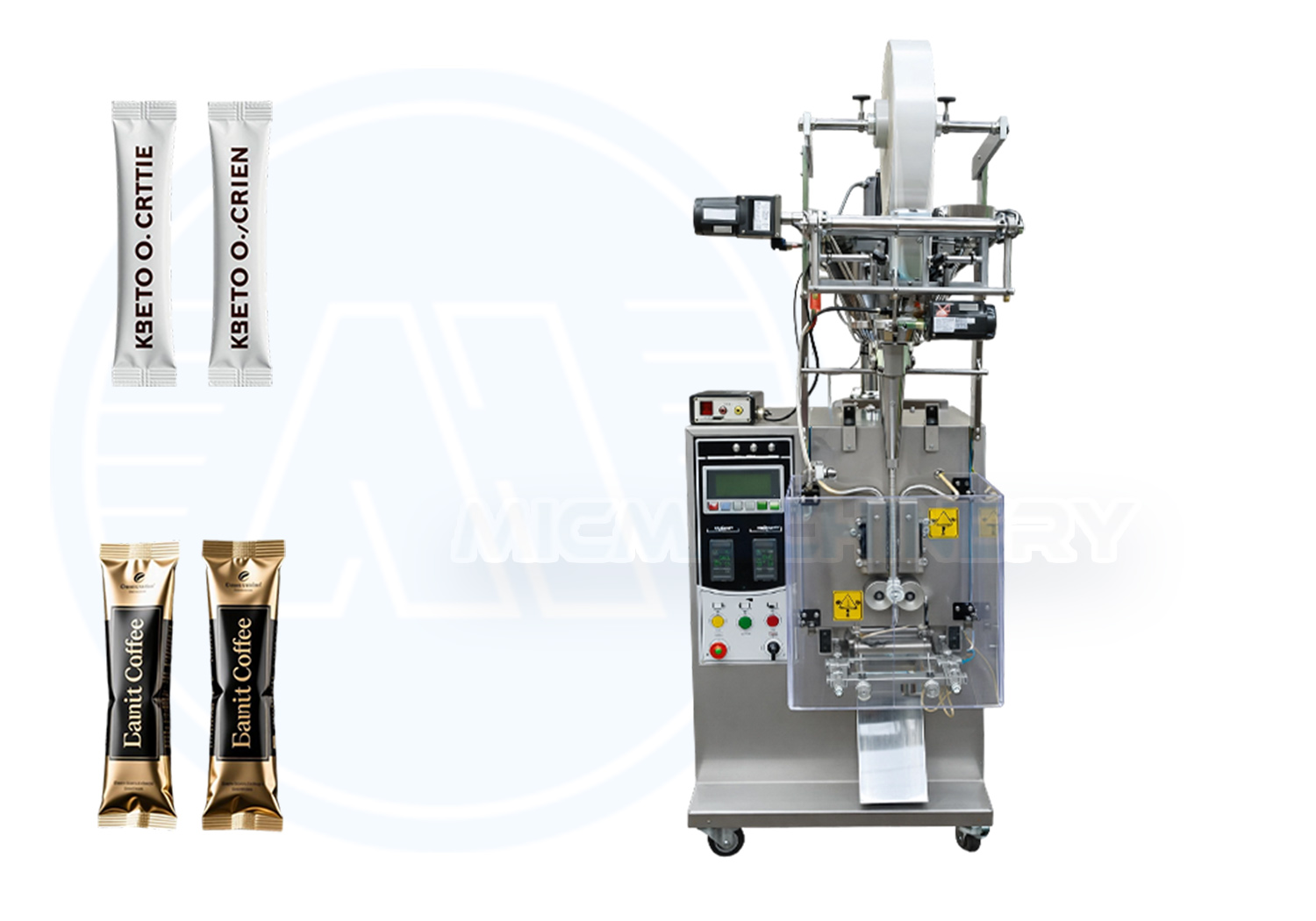
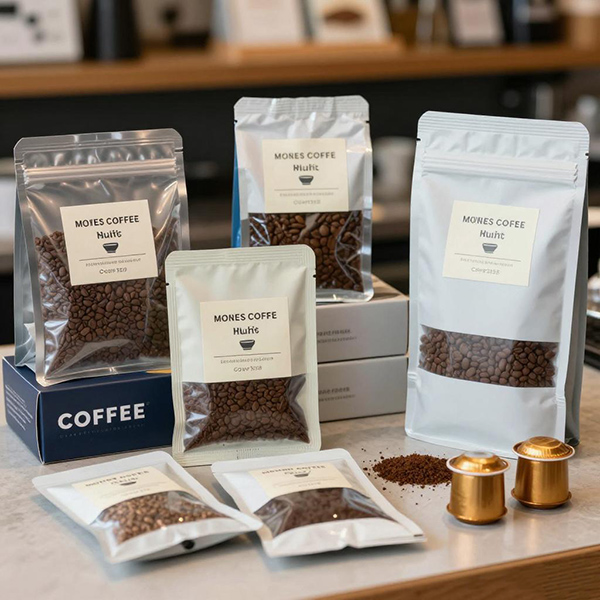
coffee powder
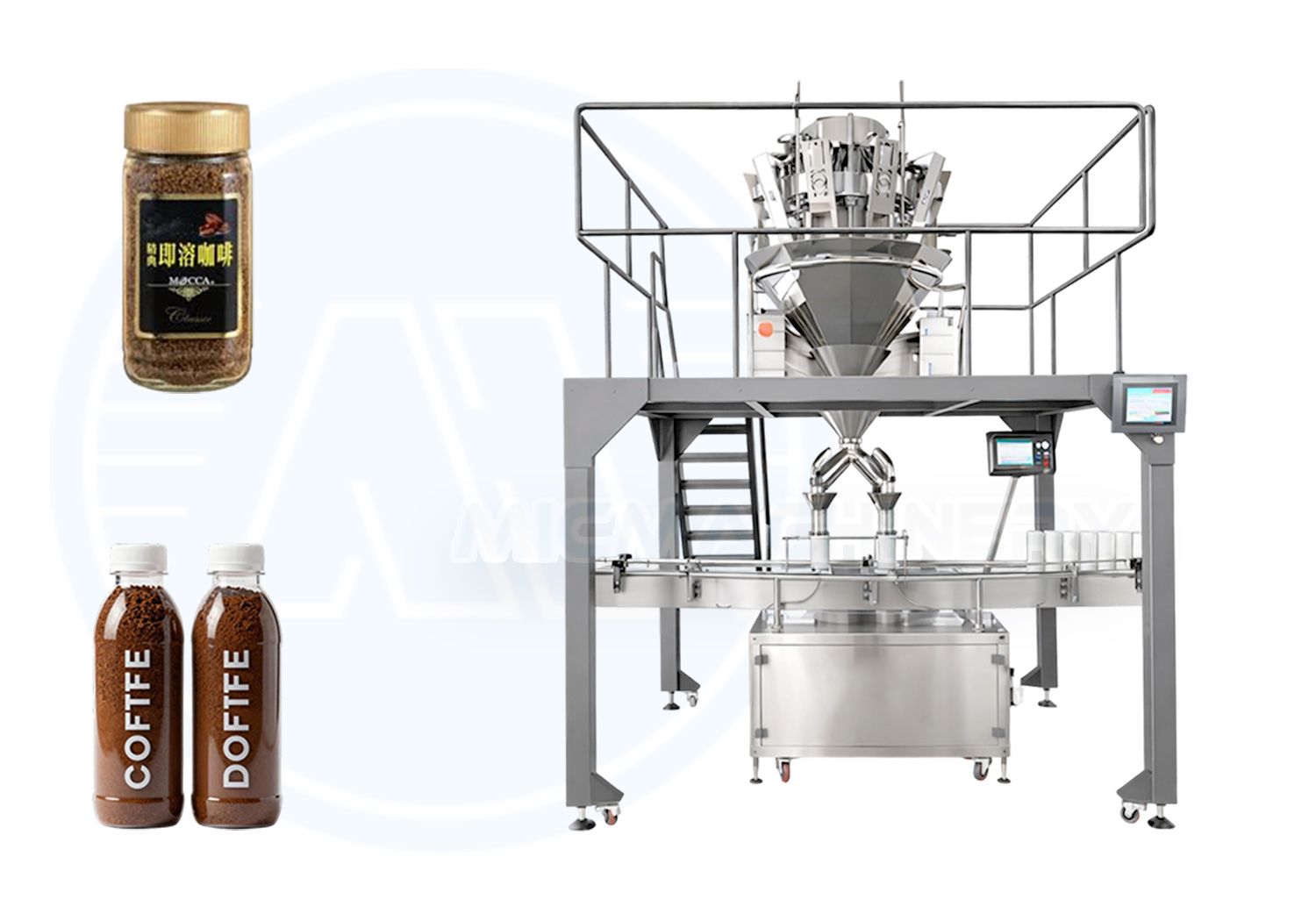
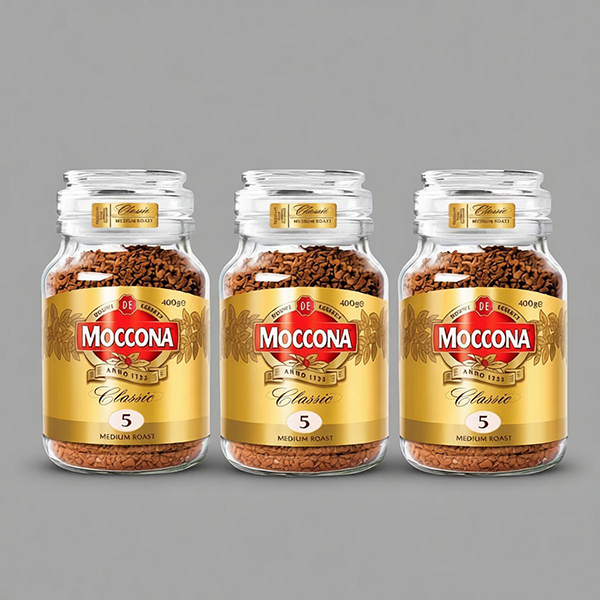
Coffee granules
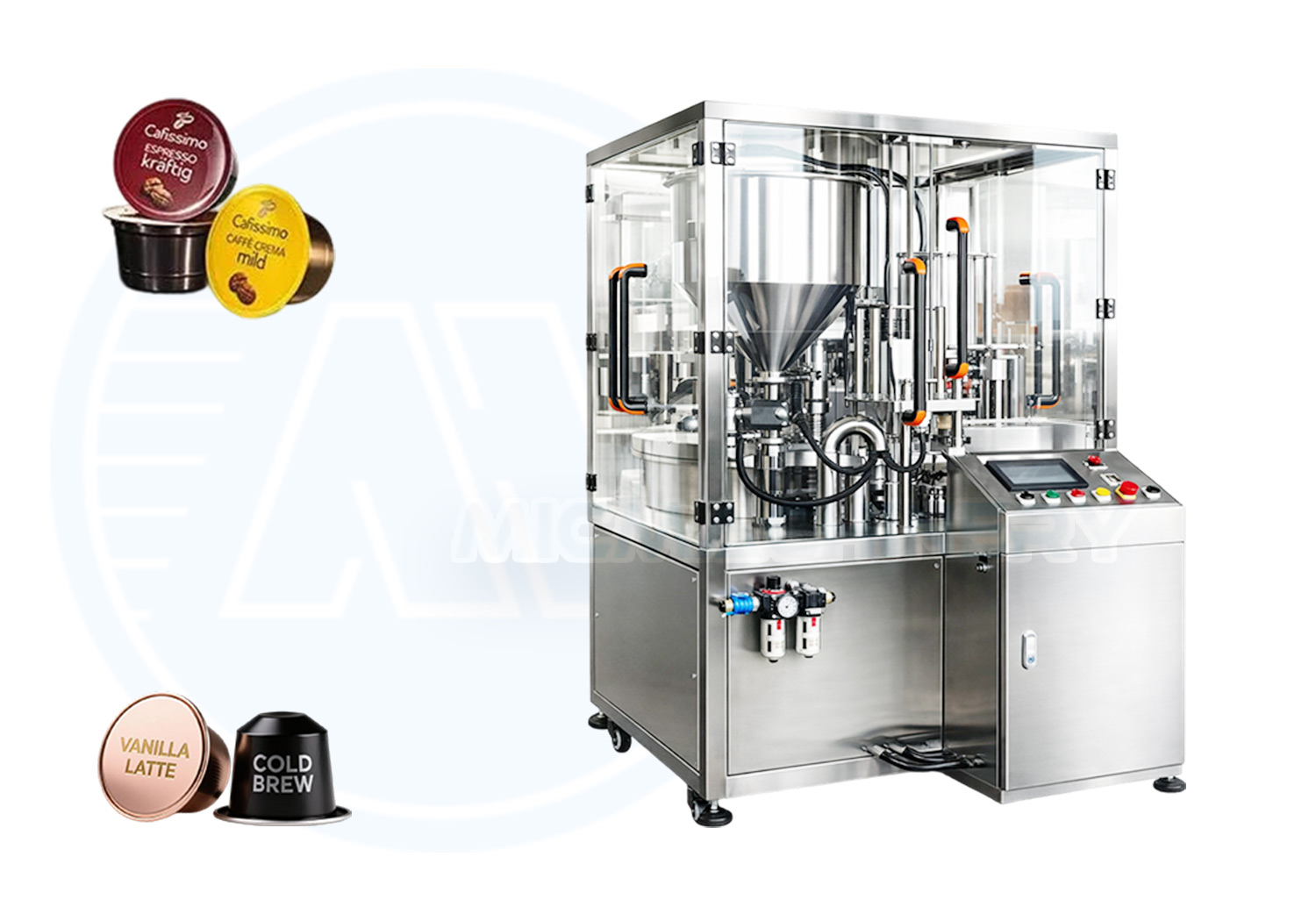
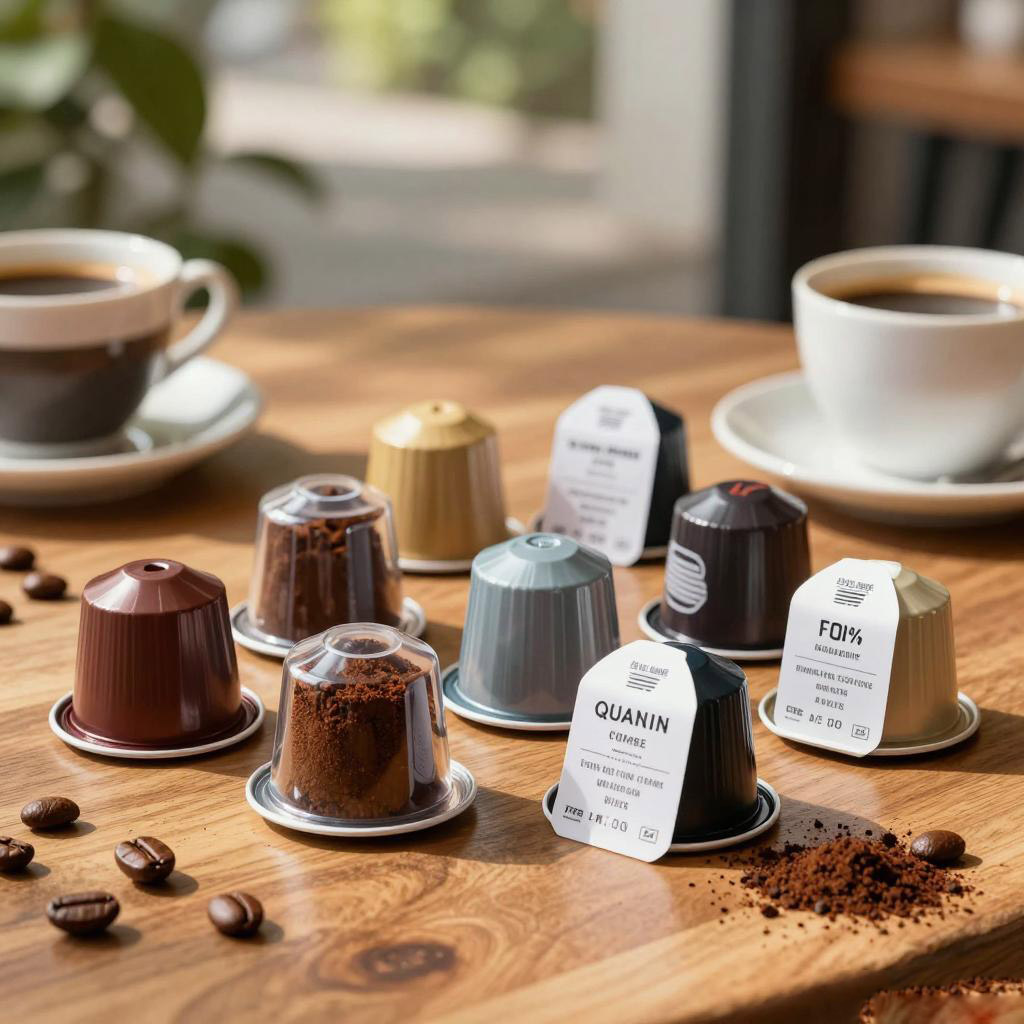
coffee capsule
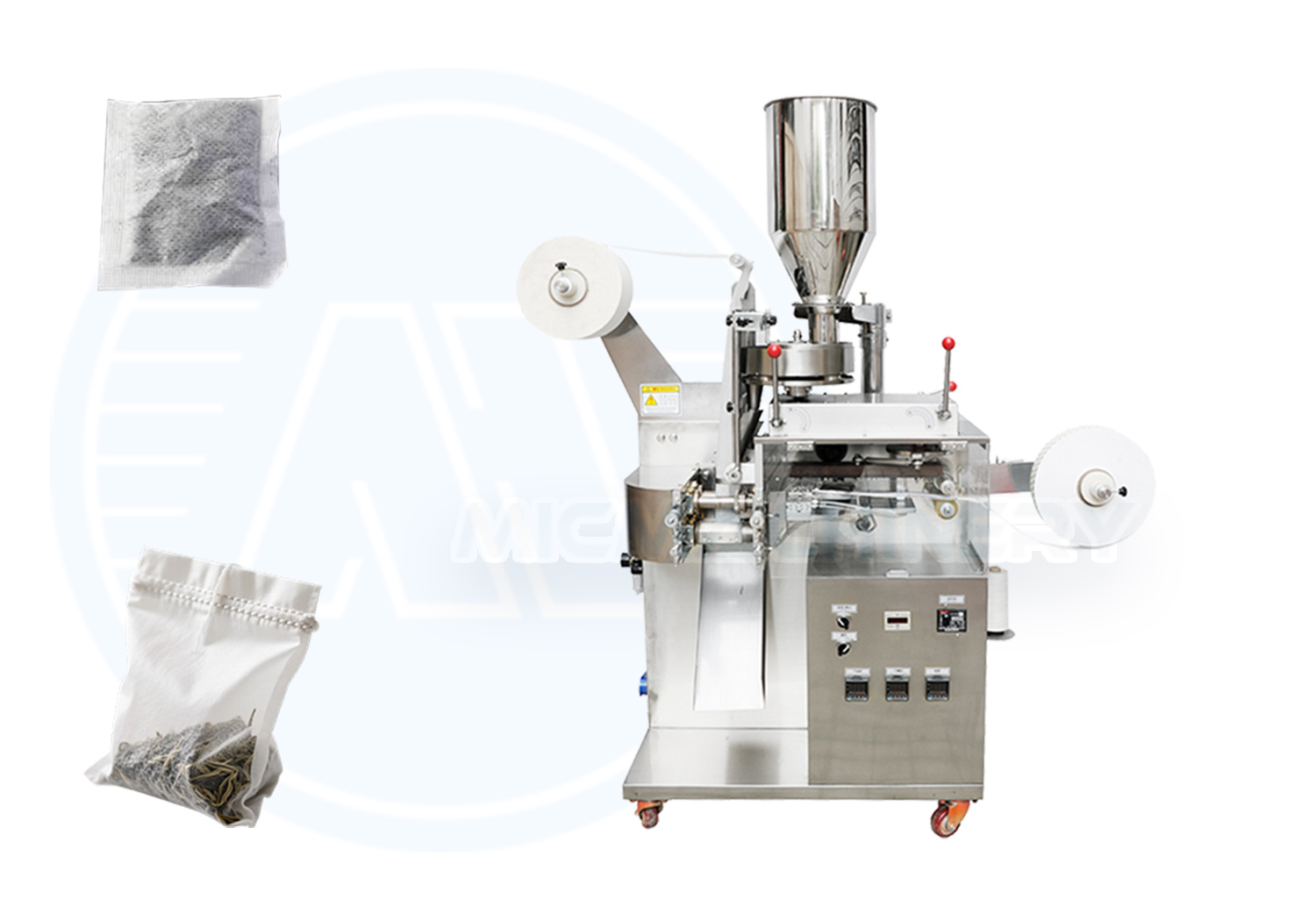
drip bag coffee
The system supports various sizes of PET bottles, glass bottles, cans, stand-up pouches, small bags, capsules, etc., ranging from small retail packaging to large catering service containers
For export markets, the machine can be configured to meet different hygiene and labeling standards.
Machine Overview
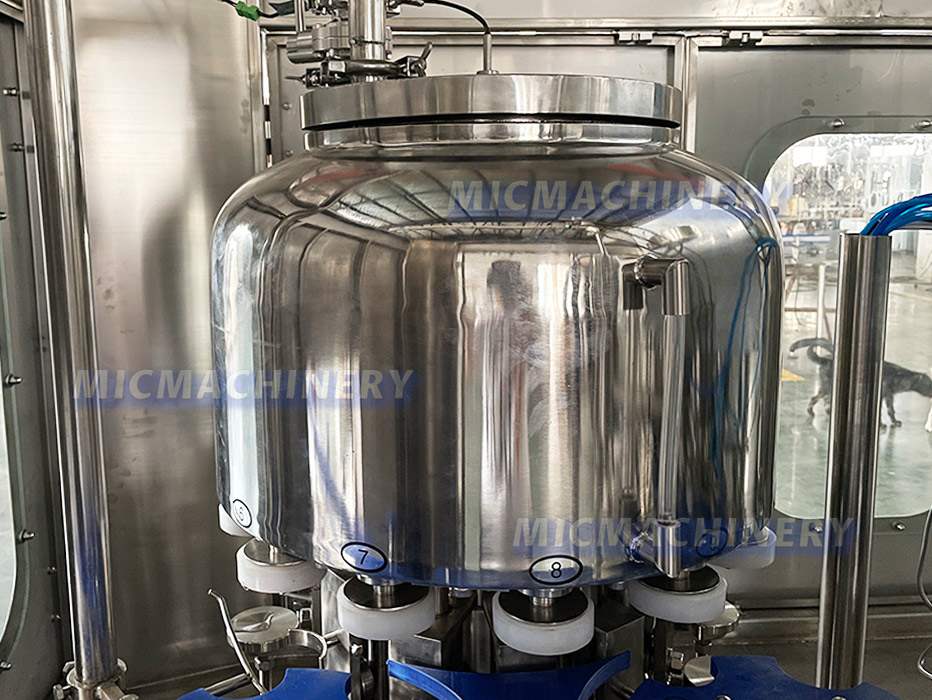
The coffee filling system is typically configured based on product type. For ready-to-drink coffee or cold brew, a flowmeter or gravity filling system is commonly used. For coffee syrups or concentrated coffee extracts, a piston or servo-controlled volumetric system is more suitable due to higher viscosity.
MIC Machinery designs the system around stainless steel sanitary construction, with SUS304 or SUS316L contact parts to ensure compliance with beverage production standards. Internal pipelines are polished to reduce residue buildup and minimize contamination risk during product changeover.
To maintain product quality, the machine can also be integrated with cooling or temperature control systems, especially for hot-filled or freshly brewed coffee products that require stable thermal conditions before bottling.
The equipment can be configured as a standalone filler or integrated into a full production line including sterilization, filling, capping, labeling, and carton packaging.
Customization Options
Coffee production lines vary depending on product type, shelf-life requirements, and packaging format. MIC Machinery provides flexible customization options to match real production needs.
Temperature Control System
Supports hot filling or cold filling processes with precise thermal regulation to protect product quality.
Anti-Foam Filling Nozzle
Special nozzle design reduces foam formation during high-speed filling of aerated or carbonated coffee drinks.
Flowmeter Upgrade
High-precision flowmeters improve accuracy and reduce product waste in large-scale production.
Nitrogen Filling Integration
Optional nitrogen dosing system can be added for oxygen-sensitive coffee products.
CIP Cleaning System
Enables automated cleaning of pipelines and filling heads, reducing downtime during product changeovers.
Multi-Format Bottle Handling
Allows quick adjustment for different bottle sizes and shapes within the same production line.
Full Line Integration
Can be connected with brewing systems, sterilizers, capping machines, labeling systems, and carton packaging equipment.
Maintenance
Coffee products contain natural compounds that can leave residues over time, especially in hot-fill or flavored beverage applications. Proper maintenance is essential to maintain hygiene and consistent performance.
Daily maintenance includes flushing pipelines and cleaning filling nozzles to prevent buildup of coffee oils and sugars. Residual product should not remain in the system after production.
Weekly inspection should focus on seals, valve performance, and flowmeter calibration. For servo-based systems, motor synchronization and response time should also be checked.
If hot filling is used, temperature control systems should be inspected regularly to ensure stable operation and prevent quality degradation.
With proper cleaning and preventive maintenance, the machine maintains stable performance over long production cycles.
FAQ
Q1: Can the machine handle both hot and cold coffee filling? Yes. The system can be configured for either hot-fill or cold-fill processes with temperature control options.
Q2: What types of coffee products can be filled? It supports liquid coffee, cold brew, coffee concentrates, and flavored coffee beverages.
Q3: How is foam controlled during filling? Foam is reduced through diving nozzles and controlled filling speed.
Q4: Can it fill carbonated coffee drinks? Yes, with appropriate pressure control and anti-foam configuration.
Q5: What container types are supported? PET bottles, glass bottles, and cans are all supported depending on system setup.
Q6: Is cleaning complicated? No. The machine is designed for quick cleaning, and CIP systems can further automate the process.
Industrial Coffee Filling Machinefrom MIC Machinery
The MIC Machinery Coffee Filling Machine is designed for modern beverage production where stability, hygiene, and product consistency are essential. It provides a practical solution for manufacturers handling different coffee formulations across retail and industrial packaging lines..