Jar Labeling Machine——Automatic Jar Label Applicator System
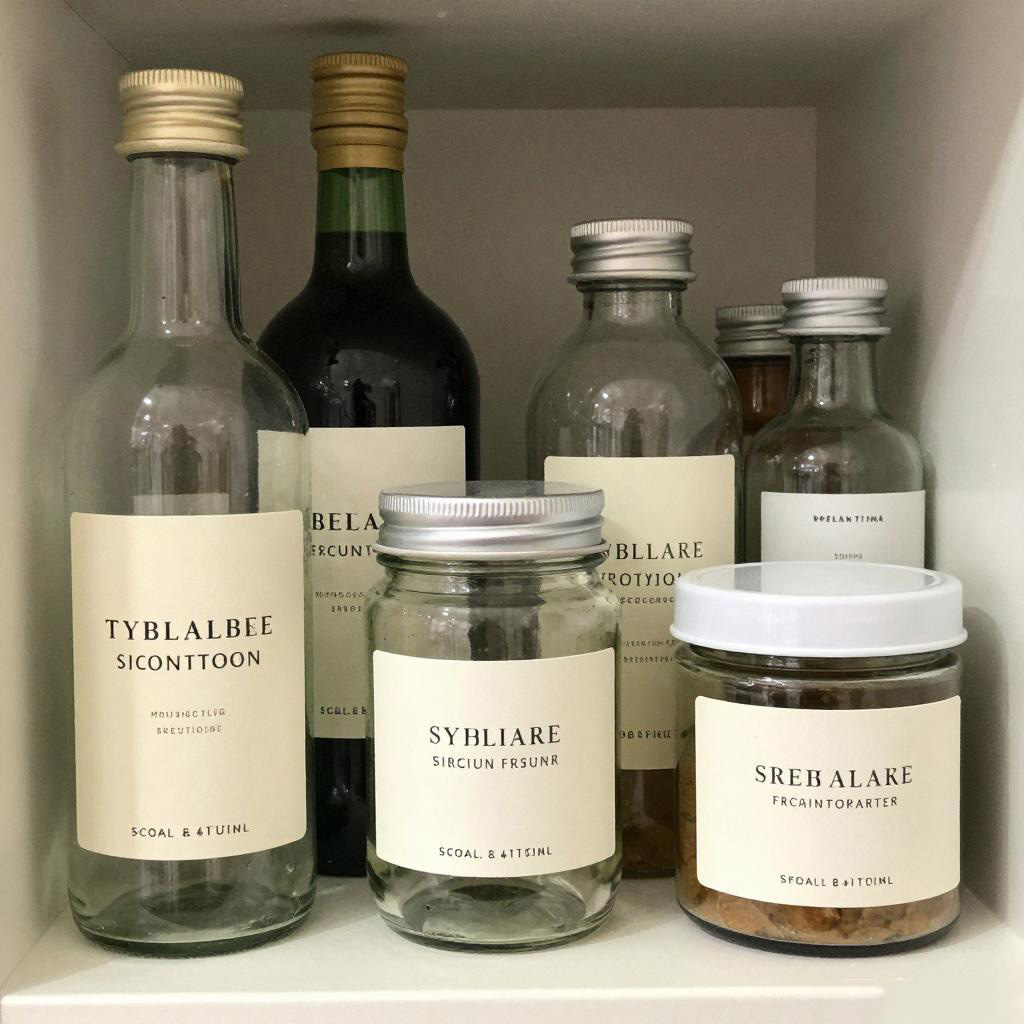
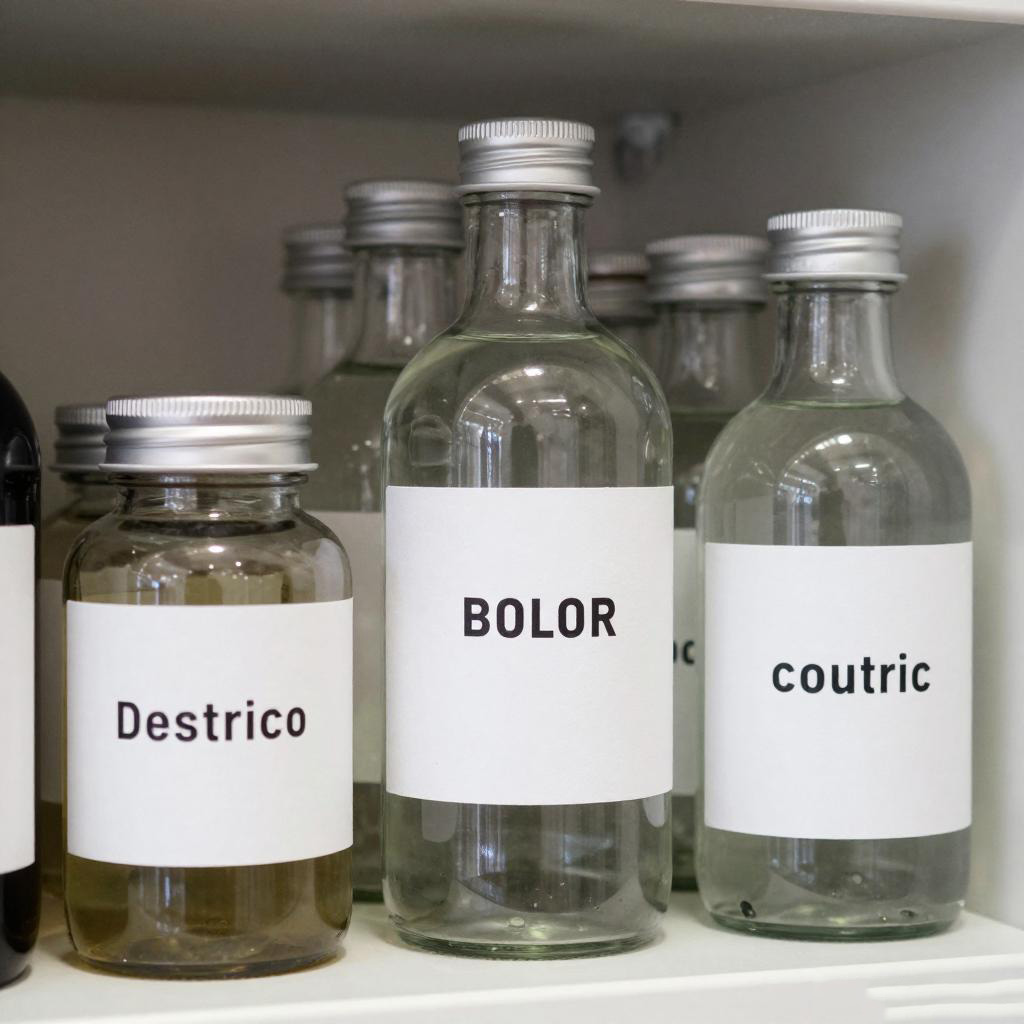
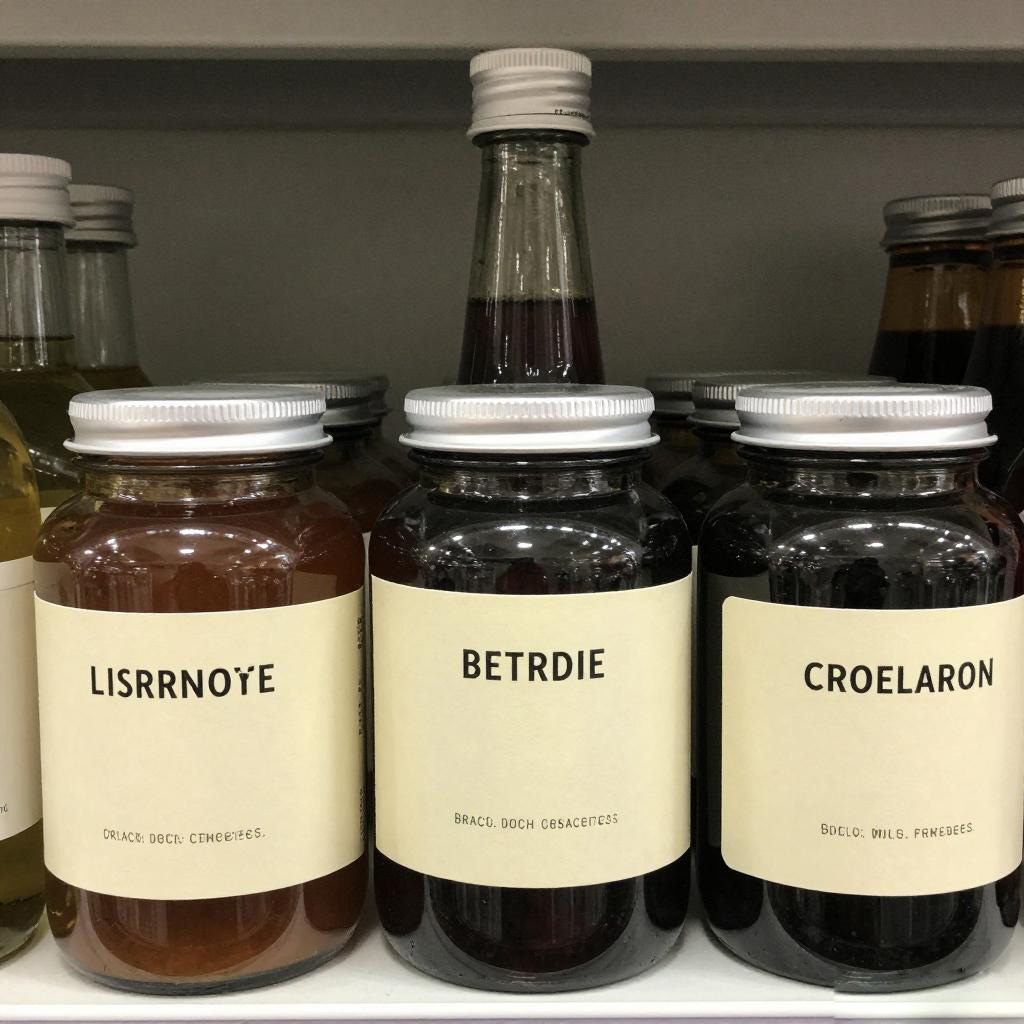
Jars remain one of the most widely used packaging formats in food, cosmetics, pharmaceuticals, and chemical industries. From peanut butter and honey to face cream, supplements, and industrial pastes, jars require accurate labeling for branding, compliance, and product identification.
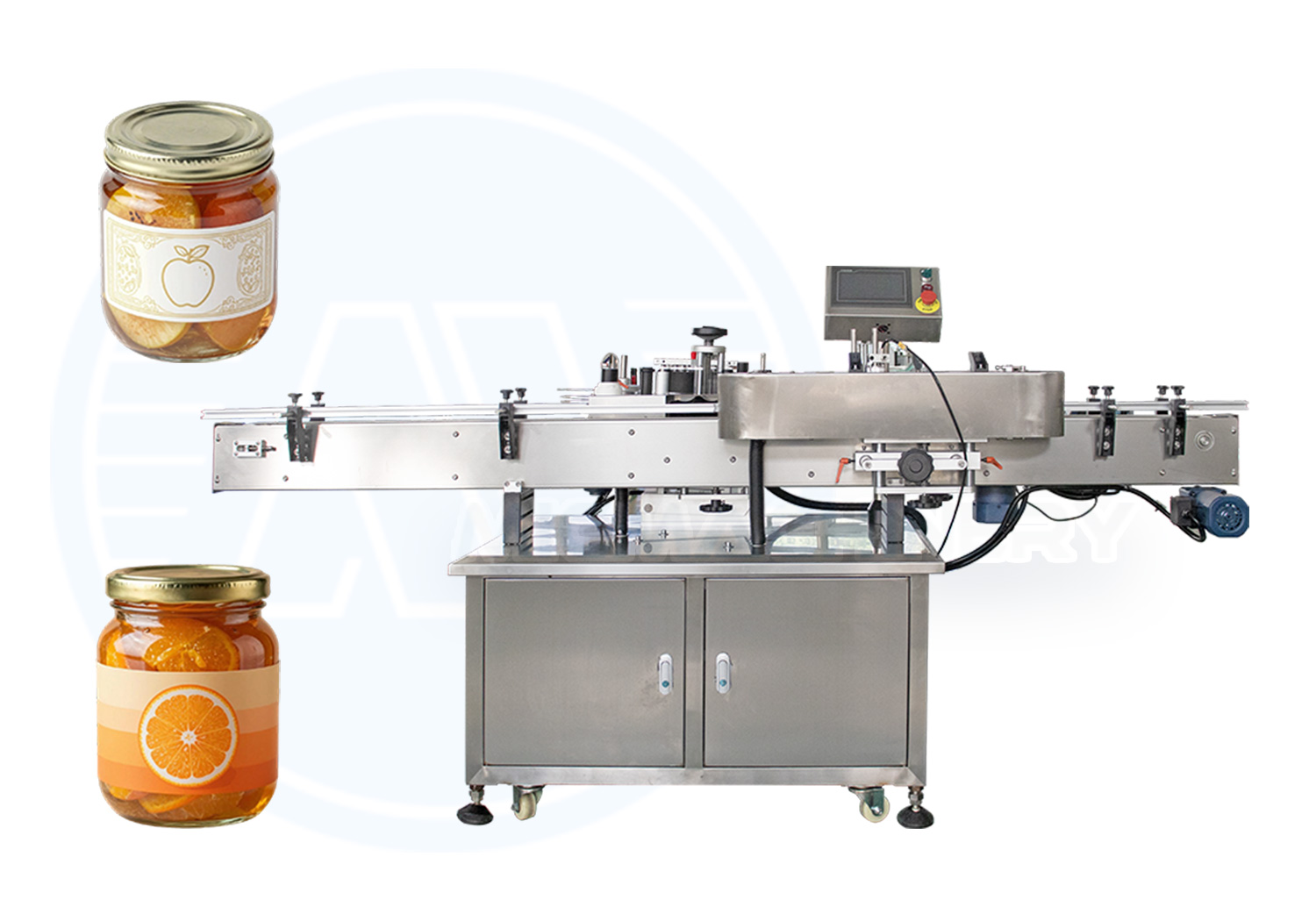
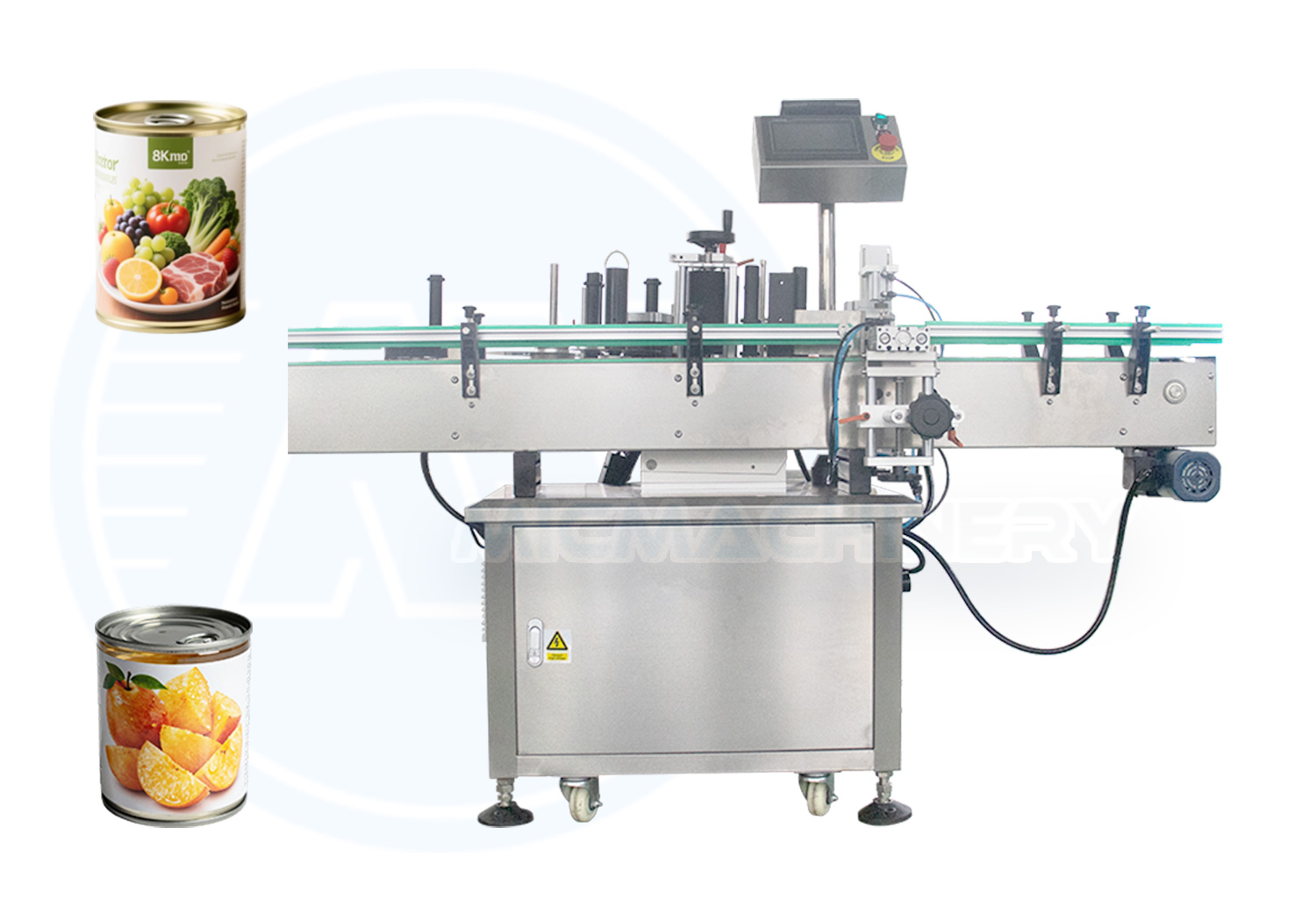
The Jar Labeling Machine from MIC Machinery is designed for stable, high-precision labeling of round, square, and irregular jars. It supports both partial and full wrap-around labeling while maintaining consistent positioning even on thick-walled or heavy containers. The system is suitable for standalone use or integration into complete filling and packaging lines.
Compared with standard bottle labeling equipment, jar labeling systems must handle heavier containers, wider label formats, and often more viscous or premium packaging designs. This machine is built to address those production requirements with industrial reliability.
Working Process
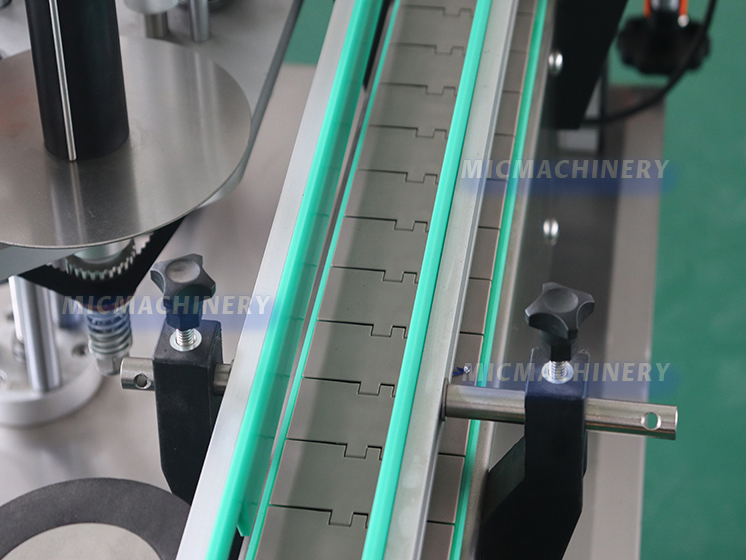
The labeling process begins when jars are fed into the conveyor system from upstream filling, sealing, or manual loading stations. Guide rails or optional star wheel systems ensure that each jar is properly aligned before entering the labeling zone.
Once the jar reaches the detection point, sensors send signals to the PLC control system, which calculates the exact timing for label application. The conveyor speed and labeling head are synchronized through a servo system to ensure accurate placement.
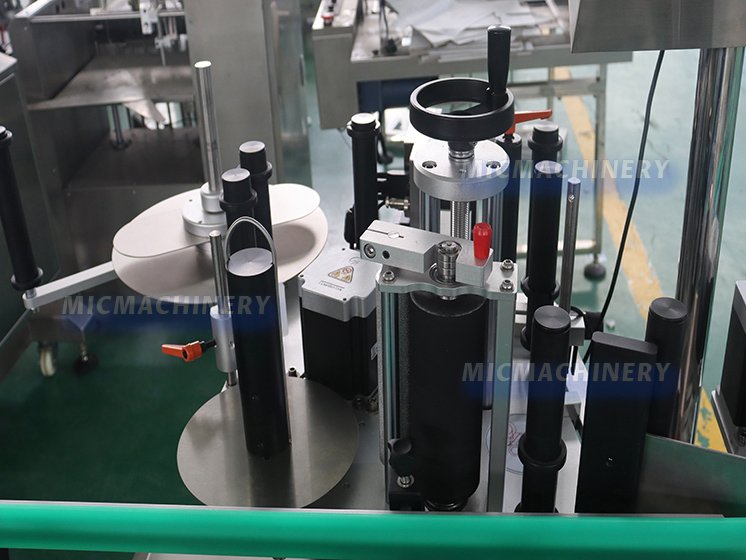
The label is dispensed smoothly onto the jar surface as it moves through the labeling station. For cylindrical jars, a rotating or pressing mechanism ensures that the label wraps evenly around the container without wrinkles or misalignment.
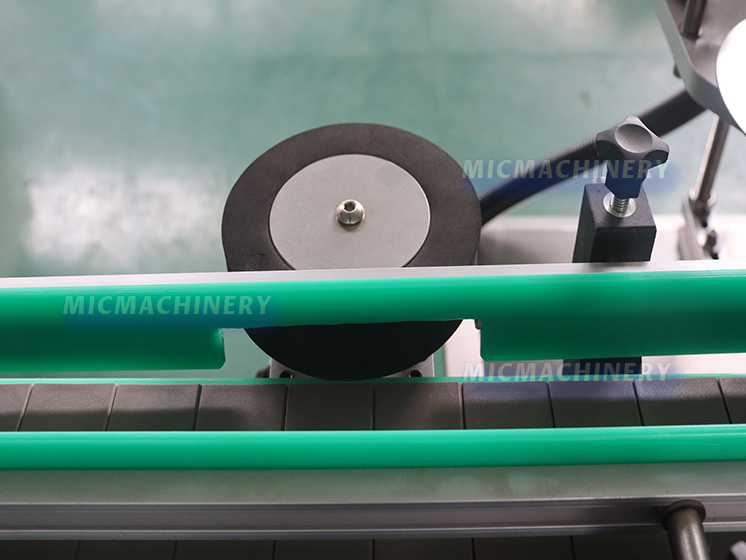
Pressure rollers then firmly press the label onto the jar surface, ensuring strong adhesion even on glossy glass or textured plastic containers. If required, a secondary brushing system can be added for improved wrap-around stability.
For production lines requiring coding or traceability, an optional printing module applies batch numbers, production dates, or QR codes before or after labeling. Vision inspection systems can verify label position and reject non-compliant products automatically.
After labeling, jars move to downstream packaging systems such as carton packing, tray loading, or palletizing equipment.
Video Demonstration
Applications
The Jar Labeling Machine is widely used in industries that require accurate labeling of medium to heavy rigid containers.
Typical applications include:
Food jars (honey, jam, peanut butter)
Cosmetic cream jars and skincare containers
Pharmaceutical supplement jars
Chemical paste and adhesive jars
Spice and seasoning containers
Beverage ingredient jars
Nutritional product packaging
Industrial lubricant jars
Pet food supplement containers
Laboratory chemical jars
Household care product jars
The machine supports glass, PET, PP, HDPE, and composite jar materials with different surface textures and transparency levels.
Customization Options
MIC Machinery provides multiple customization options to meet different jar packaging requirements.
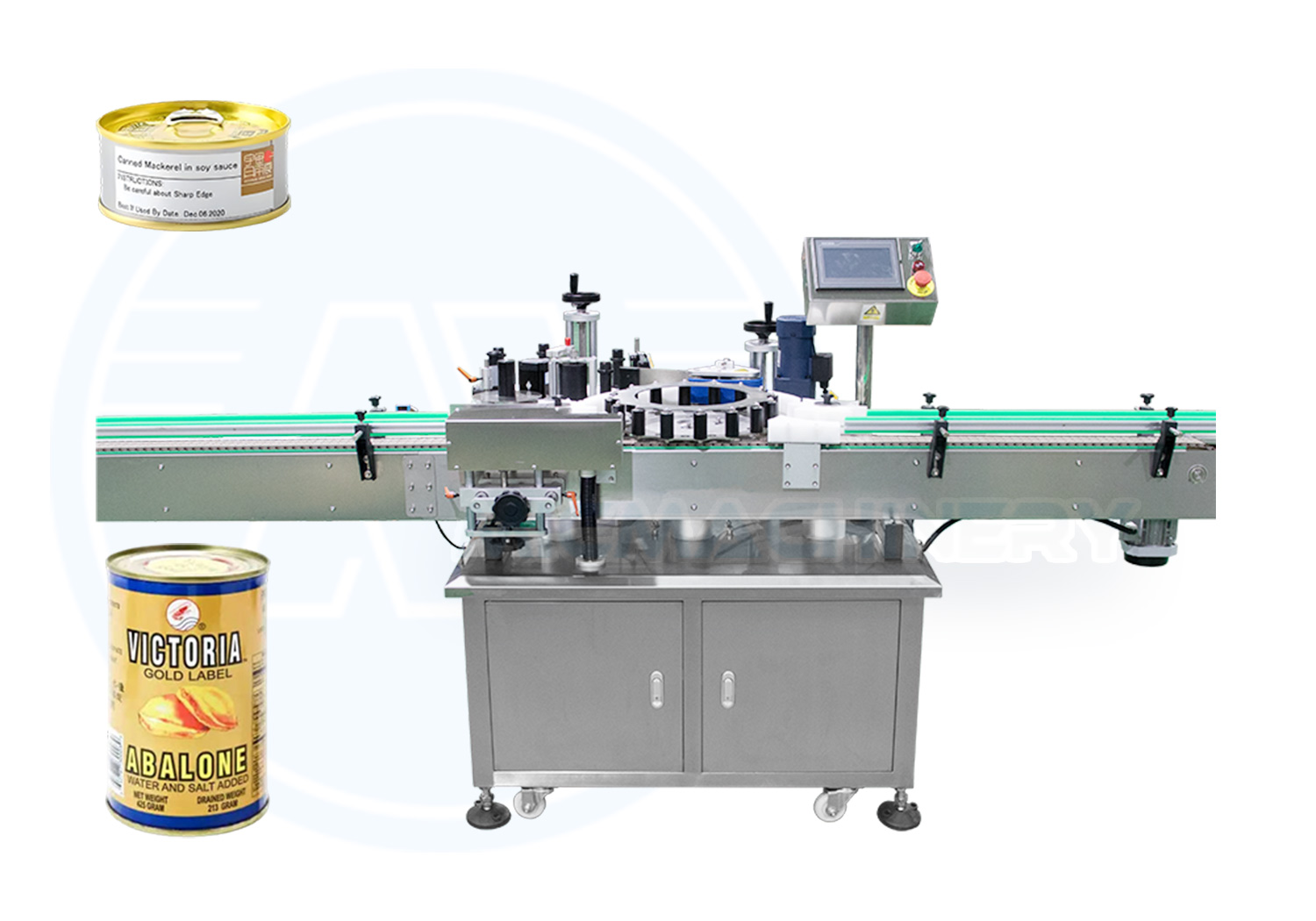
Star Wheel Positioning System
Ensures precise spacing and stable alignment for high-speed production.
Wrap-Around Labeling Module
Supports full 360° labeling for cylindrical jars with adjustable tension control.
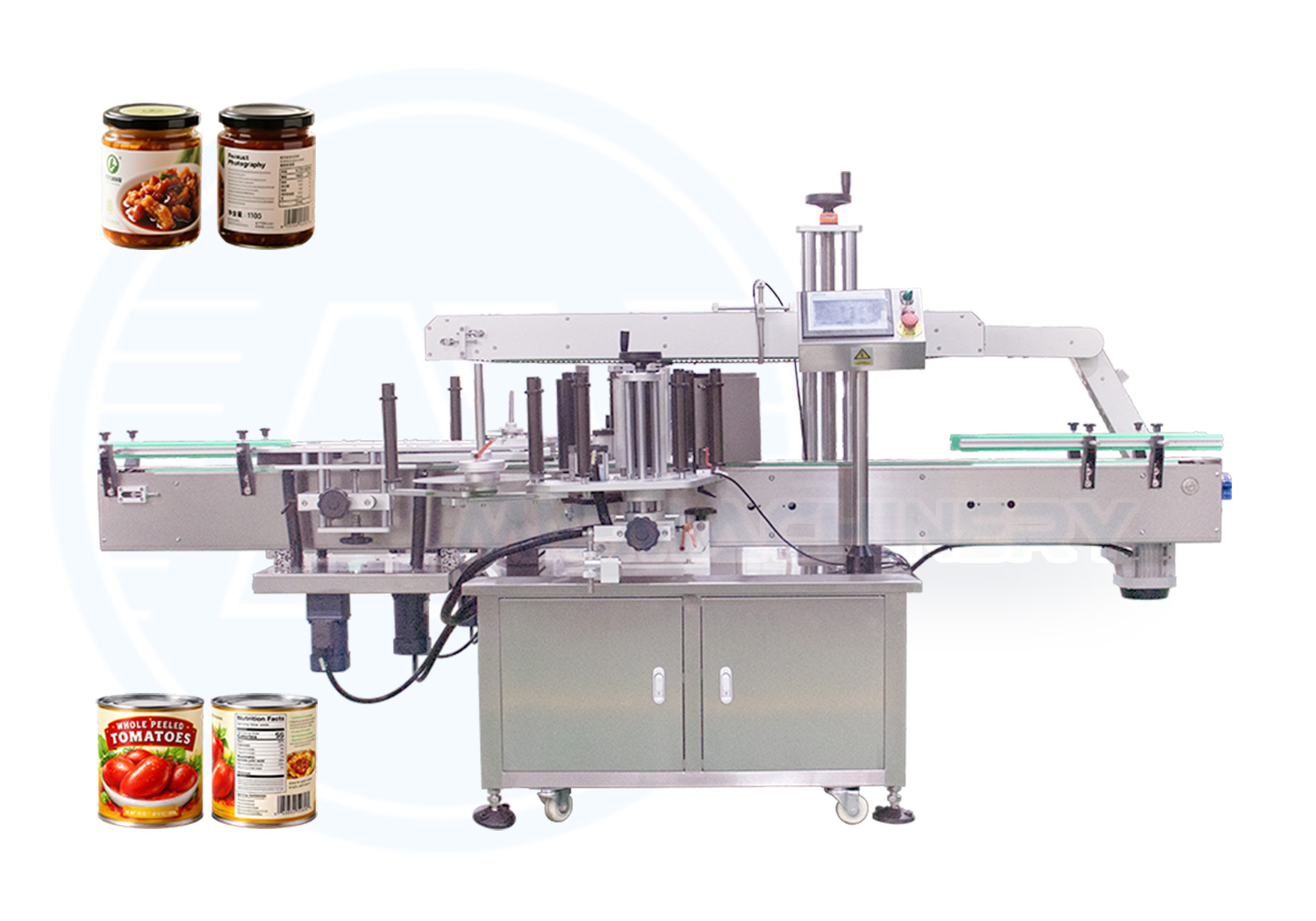
Dual Labeling System
Allows front-and-back labeling in a single pass for branding and regulatory information.
Vision Inspection System
Camera-based detection checks label alignment, missing labels, and barcode readability.
Print-and-Apply Integration
Enables real-time printing of batch numbers, expiration dates, and QR codes.
Heavy-Duty Conveyor Design
Supports larger or heavier jars commonly used in food and chemical industries.
Quick Size Changeover System
Adjustable guide rails and parameter storage enable fast switching between jar formats.
Maintenance and Operation
Regular maintenance ensures long-term stability and labeling accuracy. Daily cleaning should include conveyors, rollers, labeling heads, and sensor surfaces to remove dust, adhesive residue, or product spills.
Weekly inspections should verify servo synchronization, conveyor alignment, label tension stability, and guide rail positioning. Worn rollers or pressing belts should be replaced promptly to maintain consistent application quality.
Electrical components, including PLC systems and sensors, should be checked periodically to ensure reliable communication and triggering accuracy.
Lubrication of mechanical parts should follow the recommended maintenance schedule to reduce wear and ensure smooth operation.
A structured preventive maintenance plan helps minimize downtime and ensures stable production output.
FAQ
Q1: What types of jars can the machine label? It supports glass jars, plastic jars, and composite containers in round or square shapes.
Q2: Can it apply full wrap-around labels? Yes. The system is designed for both partial and full 360° labeling applications.
Q3: What is the labeling accuracy? Standard accuracy is approximately ±1.0 mm depending on jar stability and speed.
Q4: Can it integrate with filling and capping machines? Yes. It is commonly used in complete jar packaging production lines.
Q5: Does it support printing batch codes? Yes. Optional systems allow real-time printing of dates, codes, and QR labels.
Q6: Is it suitable for glass jars? Yes. The machine is widely used for glass jars in food and cosmetic industries.
Jar Labeling Machine Solutions from MIC Machinery
The MIC Machinery Jar Labeling Machine provides a stable and precise solution for labeling a wide range of rigid containers. With servo-driven accuracy, robust mechanical design, and flexible configuration options, it ensures consistent performance across food, cosmetic, pharmaceutical, and chemical packaging production lines.