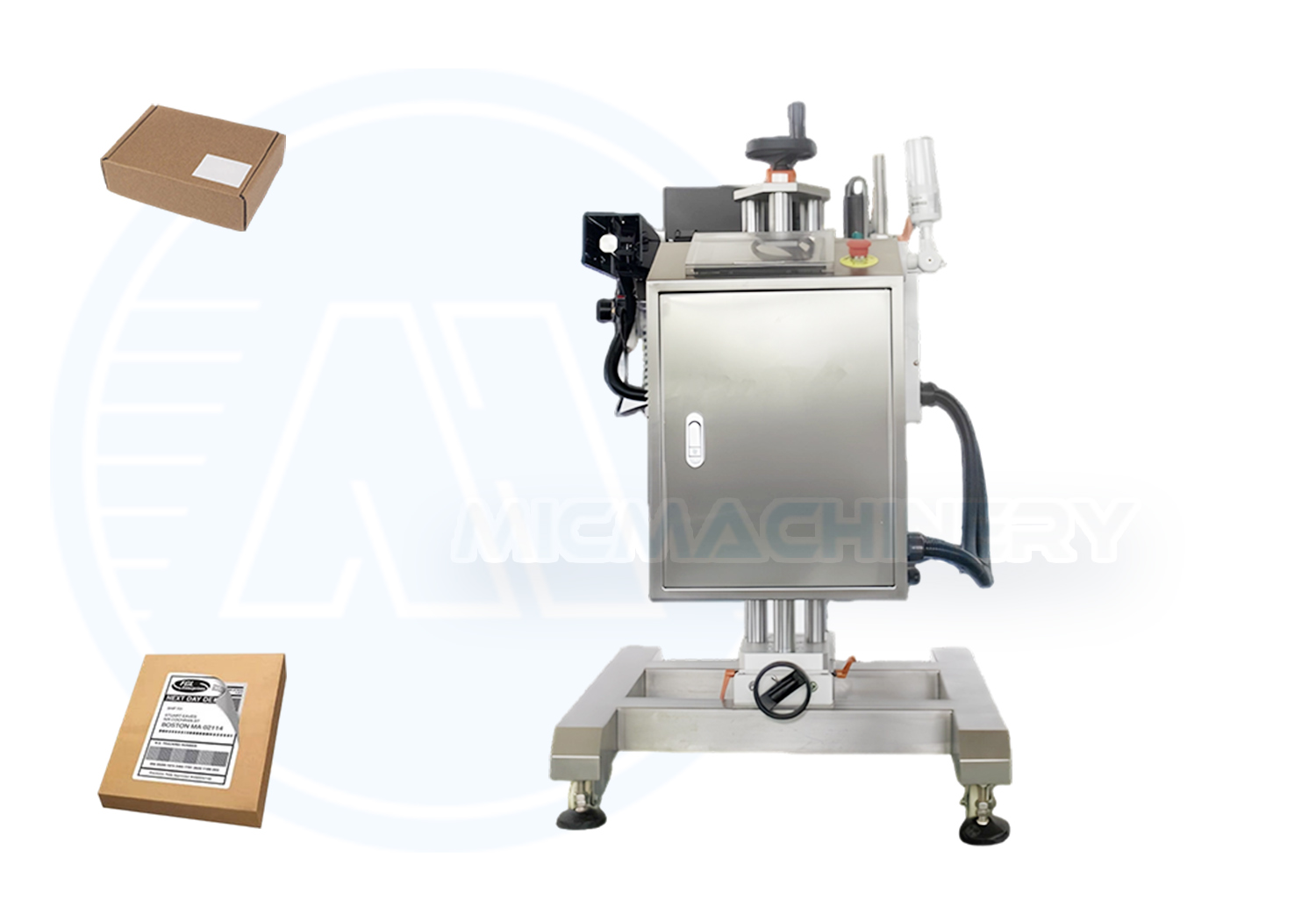
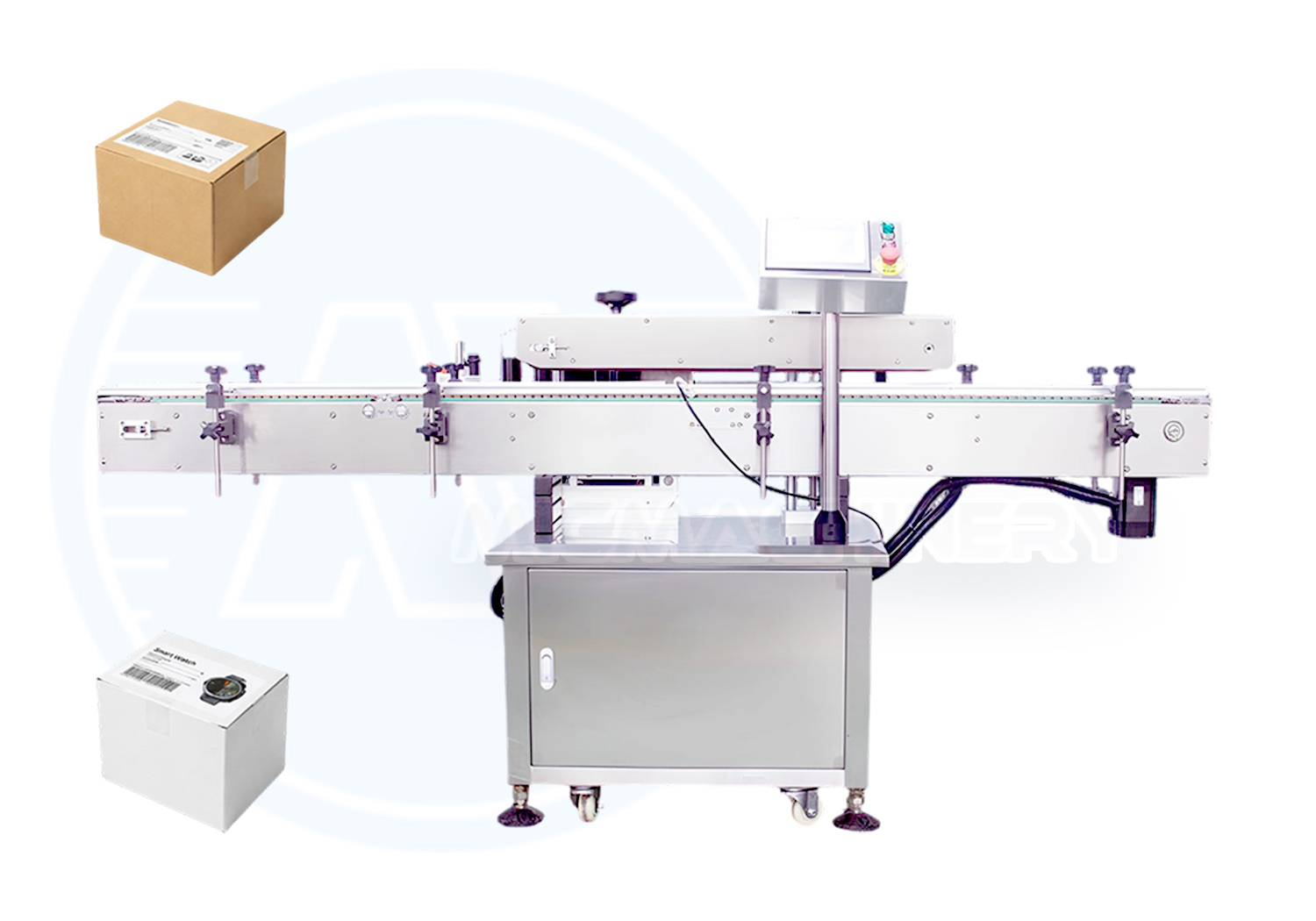
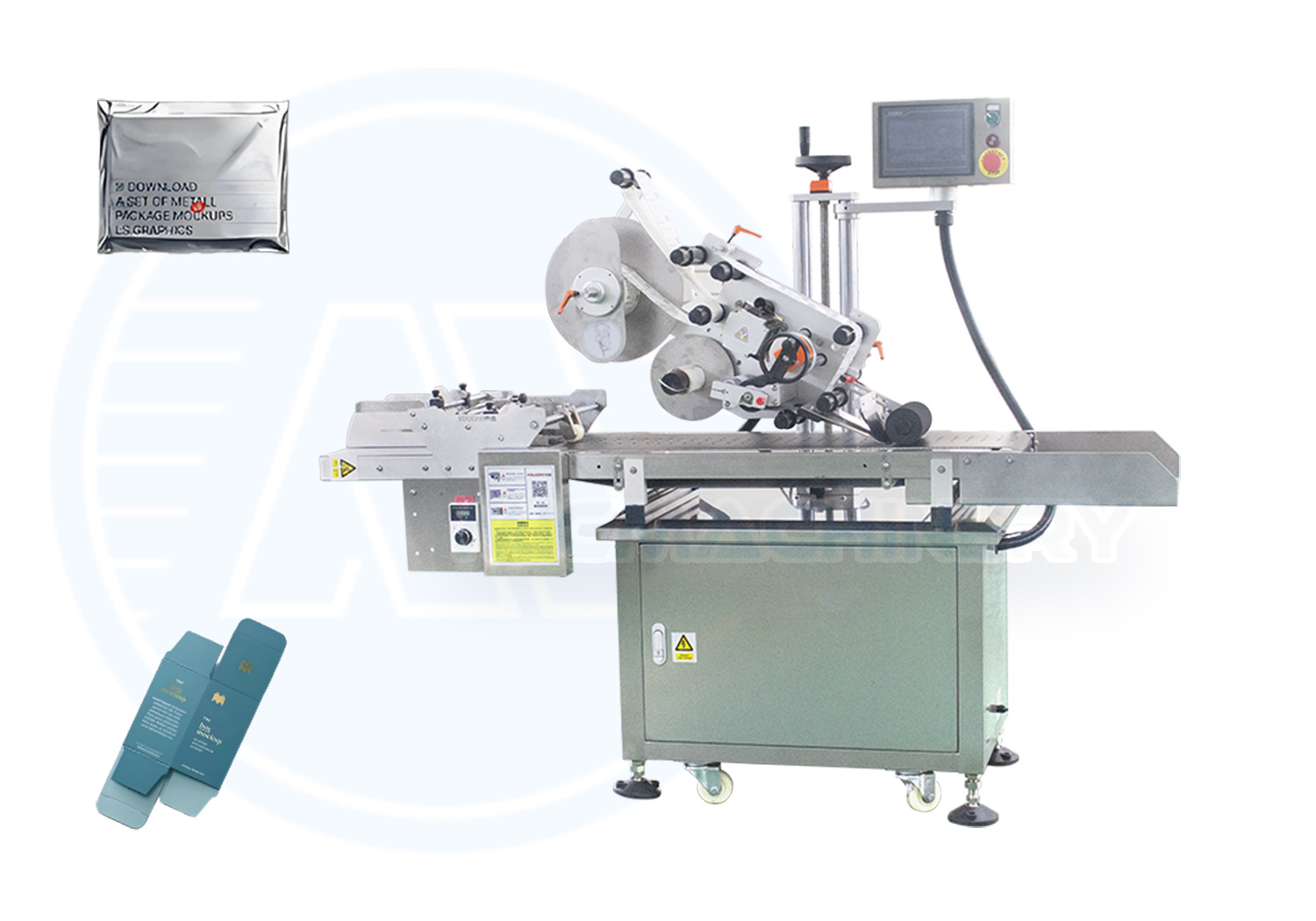
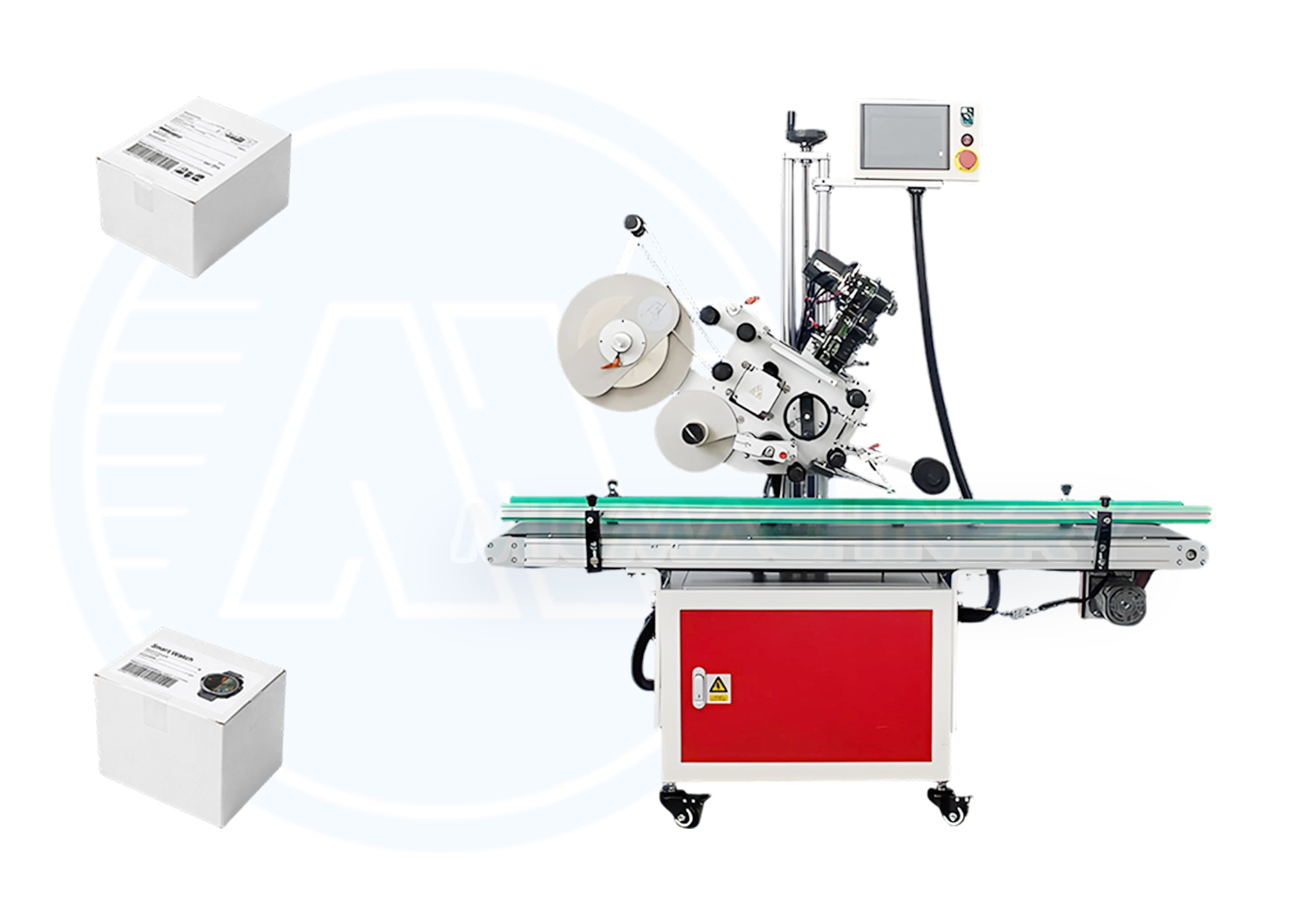
Top Labeling Machine——Automatic Top Surface Label Applicator
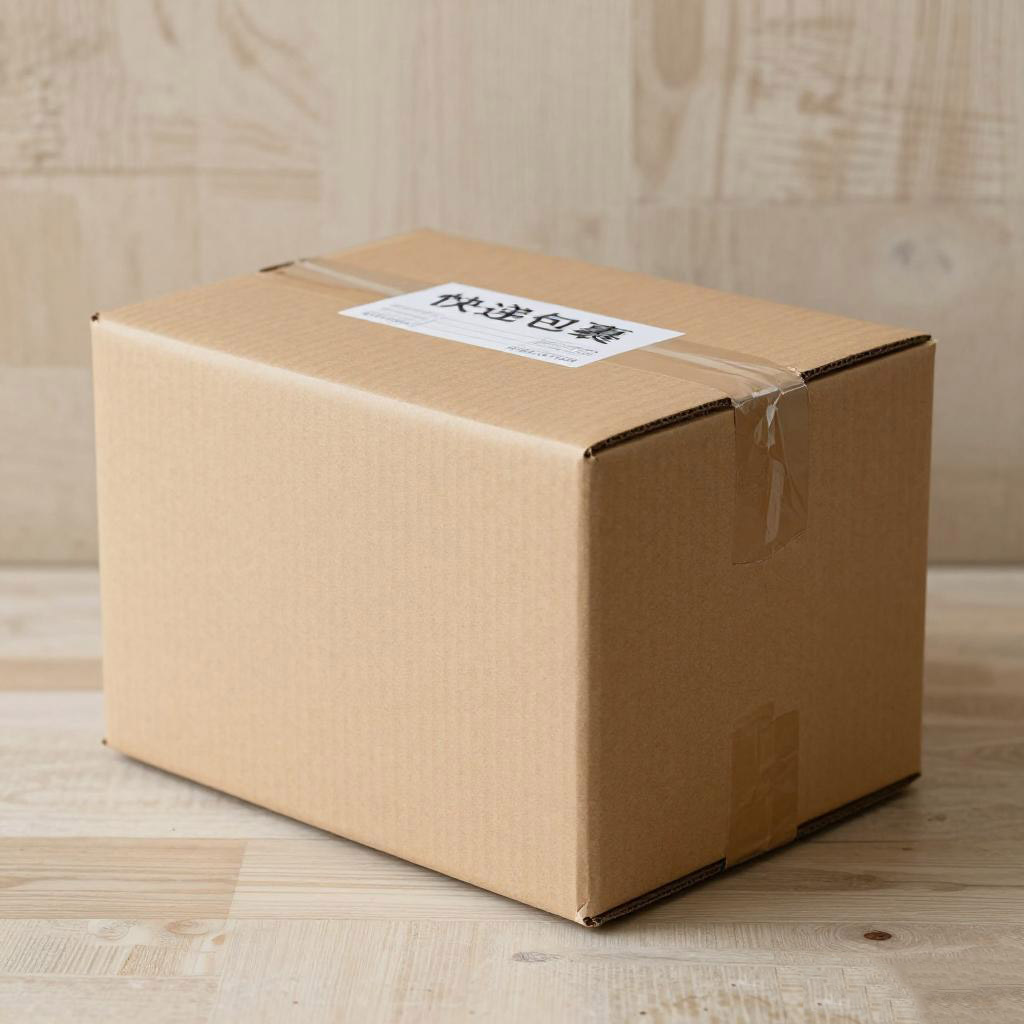
Top surface labeling is widely used in food, beverage, pharmaceutical, cosmetic, chemical, and consumer goods packaging. Products such as cartons, trays, pouches, boxes, lids, and flat containers often require labels applied accurately on the upper surface for product identification, branding, barcode scanning, and regulatory information.
The Top Labeling Machine from MIC Machinery is designed for automatic application of self-adhesive labels onto the top surface of various products. It provides stable labeling performance for flat and slightly curved surfaces while maintaining consistent positioning during continuous production.
Designed for industrial packaging environments, the machine combines precision label dispensing, reliable product detection, and flexible adjustment systems. It can operate as a standalone unit or be integrated with filling, packing, inspection, and conveyor systems to create a complete automated packaging solution.
Working Process
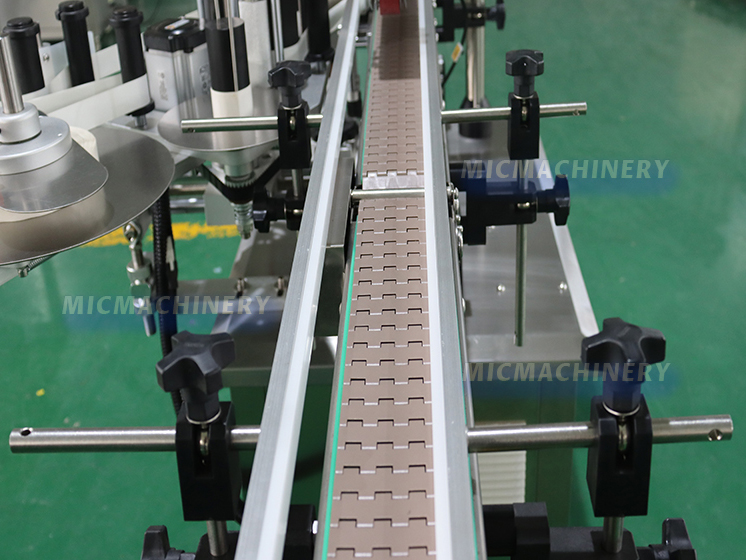
The labeling process begins when products enter the conveyor system from upstream equipment or manual loading stations. Adjustable guide rails help maintain consistent product positioning and prevent movement during transportation.
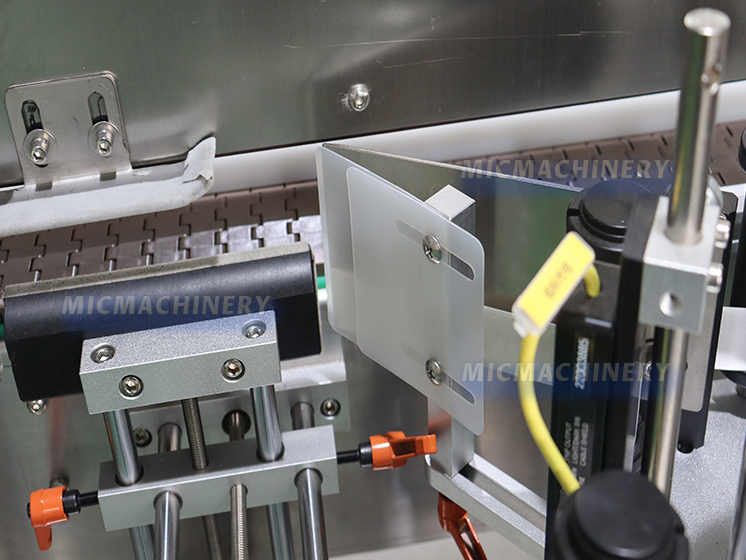
As products move toward the labeling station, a sensor detects the product and sends a signal to the PLC control system. The controller calculates the appropriate labeling timing based on conveyor speed and product spacing.
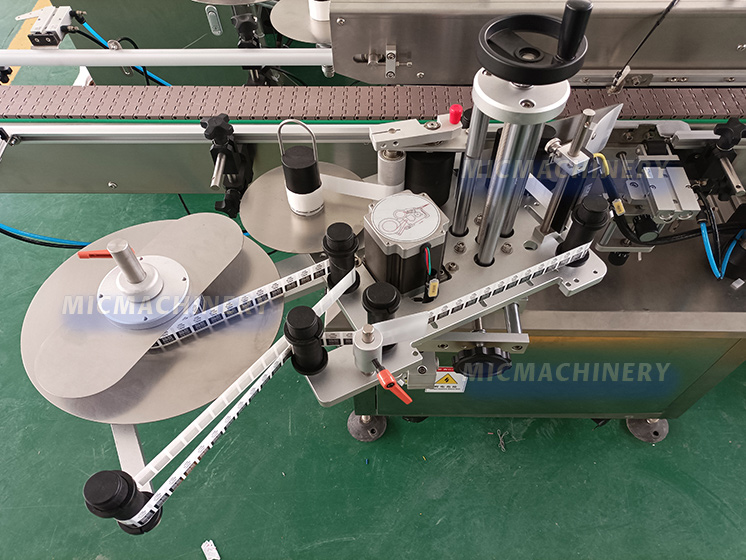
The servo motor drives the labeling mechanism to release the label from the backing paper and apply it onto the top surface of the product. The labeling head maintains synchronized movement with the conveyor, ensuring smooth application without wrinkles or label displacement.
After application, a pressing roller or brush system applies gentle pressure to ensure the label fully adheres to the product surface. This step is especially important for packaging materials with uneven textures, such as cartons, paper boxes, and flexible pouches.
For products requiring traceability, optional printing systems can add batch numbers, production dates, QR codes, or barcodes during the labeling process. Vision inspection systems can then verify label presence, positioning, and printing quality before products leave the labeling area.
Finished products continue to downstream processes such as packing, cartoning, or palletizing.
Video Demonstration
Applications
The Top Labeling Machine is suitable for a wide range of industries requiring accurate labeling on horizontal surfaces.
Common applications include:
Food packaging boxes
Beverage cartons
Pharmaceutical cartons
Cosmetic boxes and containers
Chemical product packaging
Detergent pouches
Electronic product boxes
Plastic trays
Frozen food packages
Medical device packaging
Hardware component packaging
Retail and e-commerce products
The machine can handle various packaging materials, including cardboard, plastic, glass, metal, and laminated packaging surfaces.
Customization Options
MIC Machinery provides customized top labeling solutions based on different product shapes, production requirements, and automation levels.
Product Feeding Solutions
Different feeding systems can be configured, including conveyor feeding, rotary feeding, and automatic sorting systems.
Multi-Position Labeling
The machine can be designed for top-only labeling, top and side labeling, or multiple label applications.
Printing Integration
Thermal transfer printers, inkjet printers, and laser marking systems can be integrated for product coding and traceability.
Vision Inspection System
Camera inspection technology can check label position, barcode quality, and product information accuracy.
Quick Changeover Design
Adjustable components and stored PLC parameters allow faster switching between different product sizes.
Production Line Integration
The Top Labeling Machine can connect with filling machines, packaging machines, sealing systems, and automated conveyor lines.
Maintenance and Operation
Regular maintenance ensures stable labeling accuracy and extends equipment service life.
Daily cleaning should include the labeling head, conveyor surface, rollers, and sensors. Removing adhesive residue is important because buildup can affect label feeding accuracy and sensor performance.
Weekly inspections should check label tension, conveyor alignment, roller wear, and mechanical fastening points. Any loose components should be adjusted immediately to avoid affecting labeling consistency.
Electrical components such as PLC controllers, servo drives, and control panels should be inspected regularly to ensure stable operation. Sensors should remain clean and correctly positioned for accurate product detection.
Following a preventive maintenance schedule reduces unexpected downtime and keeps the machine operating efficiently during continuous production.
FAQ
Q1: What products can be labeled by a Top Labeling Machine? It can label cartons, boxes, trays, pouches, lids, and other products with flat or slightly curved top surfaces.
Q2: What is the labeling accuracy? The standard accuracy is approximately ±1.0 mm depending on product stability, label material, and production conditions.
Q3: Can the machine apply transparent labels? Yes. Optional transparent label detection sensors can be installed for clear label applications.
Q4: Can printing equipment be added? Yes. Batch codes, dates, QR codes, and barcodes can be printed through integrated coding systems.
Q5: Can it work with automatic packaging lines? Yes. The machine can be connected with filling, packing, inspection, and conveyor systems.
Q6: How long does product changeover take? Changeover time depends on product differences, but adjustable components and PLC parameter storage help simplify operation.
Top Labeling Machine Solutions from MIC Machinery
The MIC Machinery Top Labeling Machine offers a reliable solution for automatic labeling of cartons, boxes, trays, and other products requiring precise top surface application. With accurate control systems, flexible customization options, and industrial-grade construction, it supports efficient labeling operations across food, pharmaceutical, cosmetic, chemical, and consumer product industries.