Jar Capping Machine——Industrial Screw & Press Cap Sealing System
Jar packaging is widely used across food, cosmetics, pharmaceuticals, and chemical industries, but the final sealing step often determines product safety, shelf life, and customer perception. A poorly applied cap can lead to leakage, contamination, or inconsistent torque, especially in high-viscosity or volatile products.
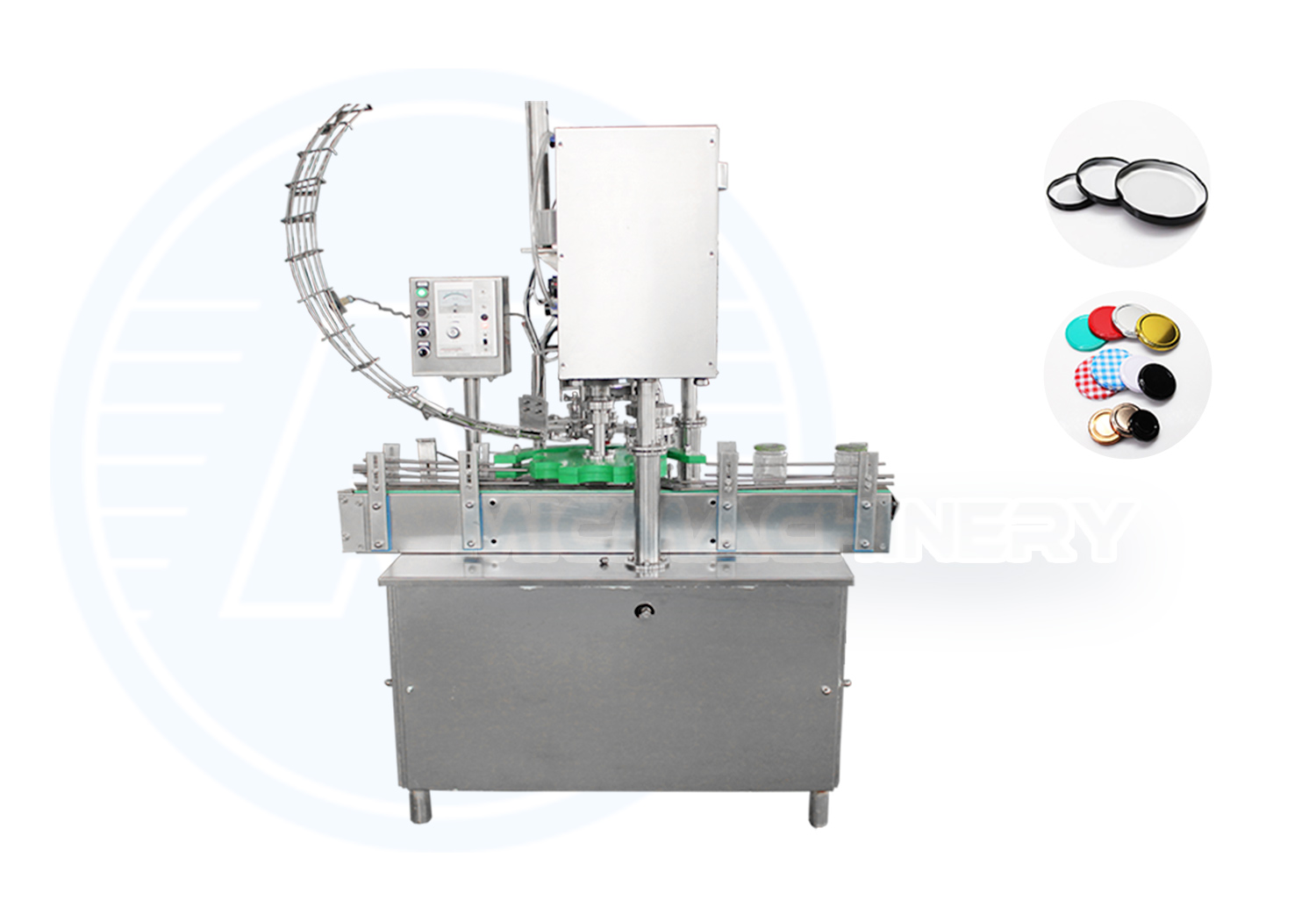
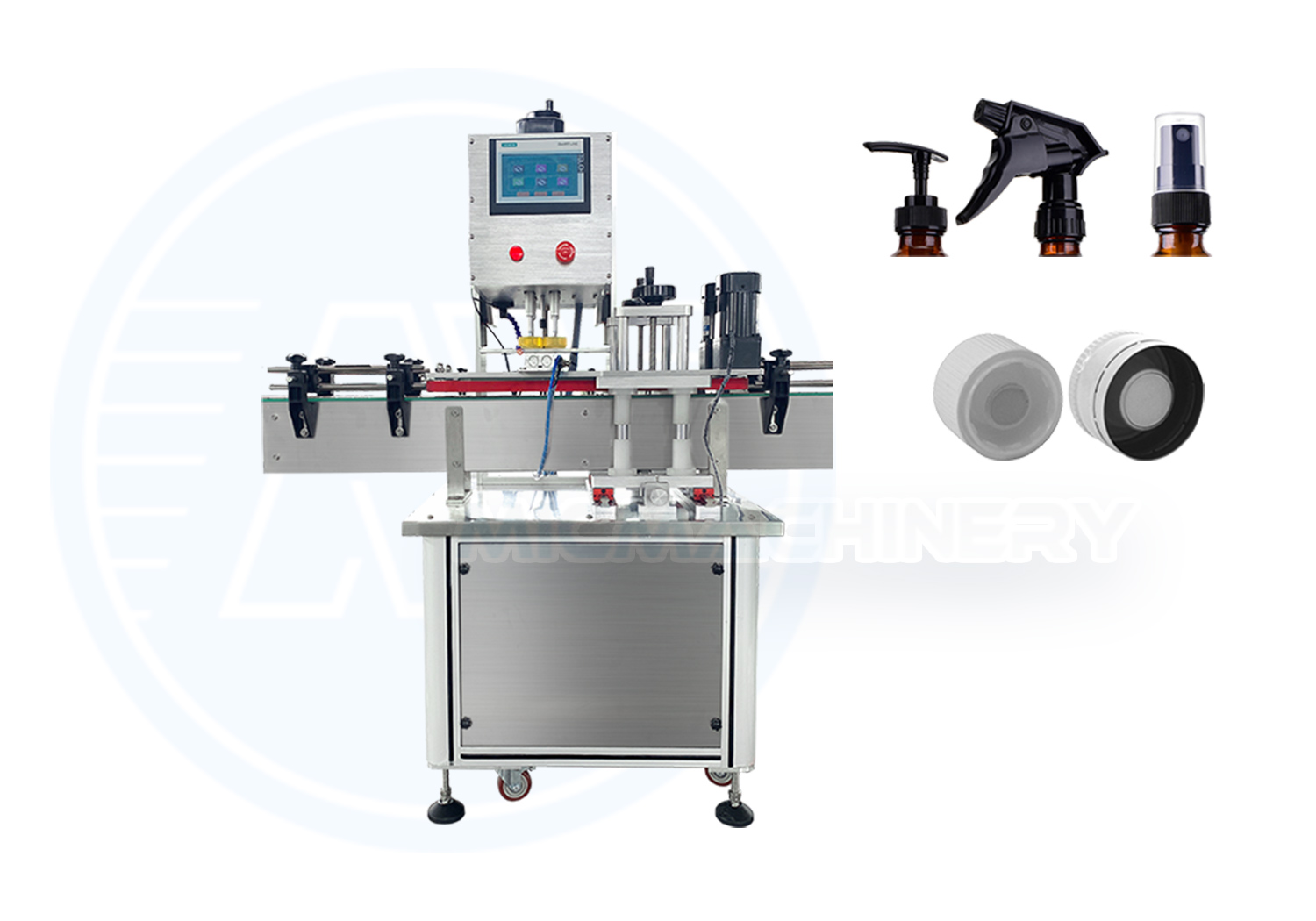
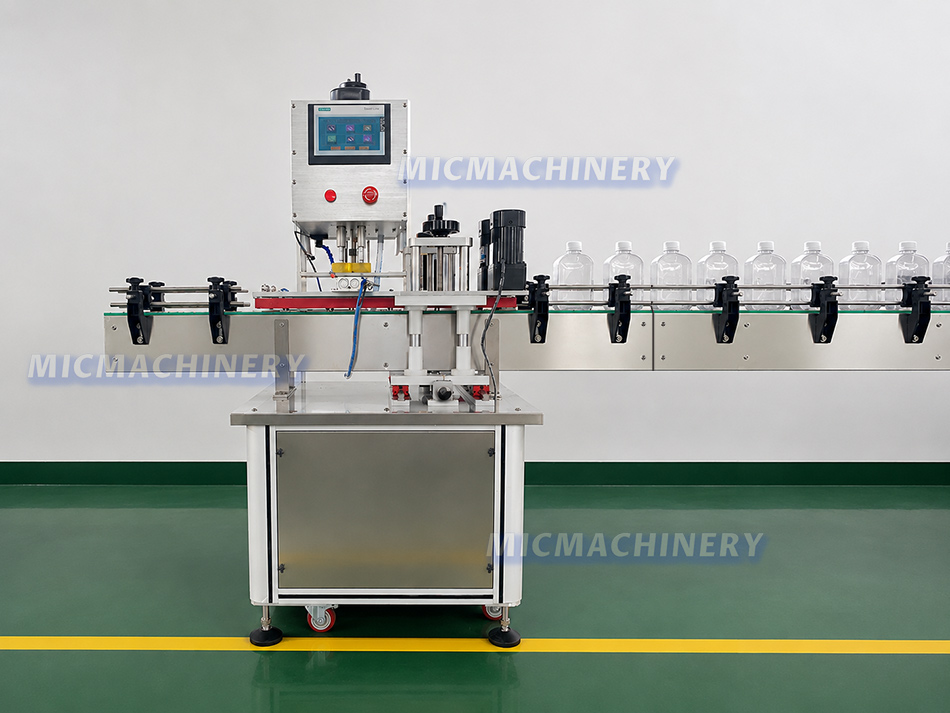
The Jar Capping Machine developed by MIC Machinery is designed for stable, precise, and high-speed sealing of different jar types and cap formats. It is widely used in production lines for sauces, creams, powders, tablets, cosmetics, and industrial chemicals.
Unlike manual or semi-automatic capping tools, industrial capping systems must ensure consistent torque control, alignment accuracy, and compatibility with different cap shapes and materials.
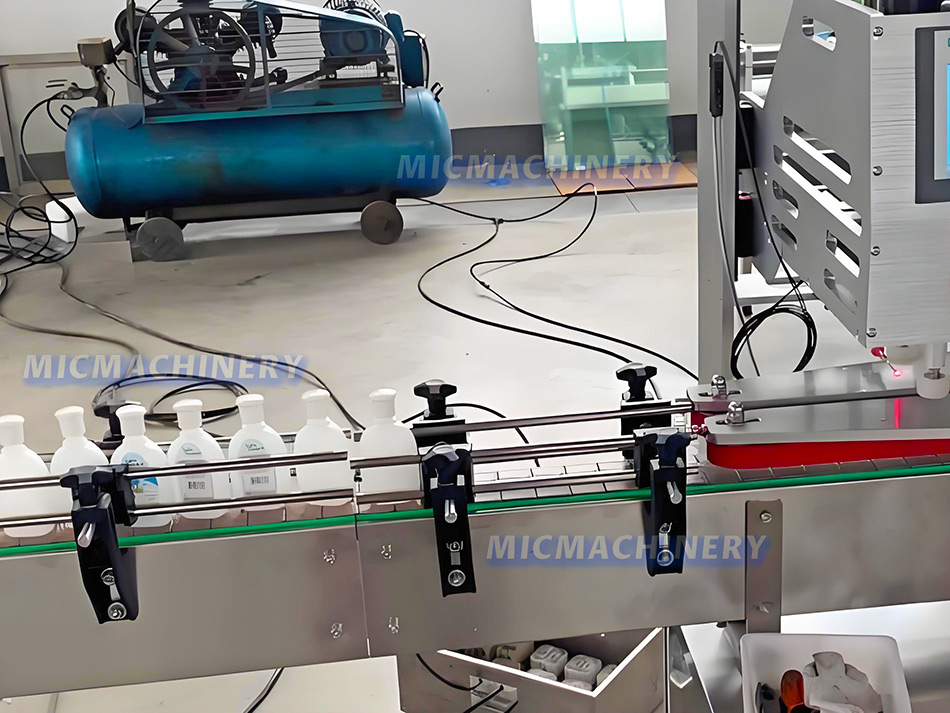
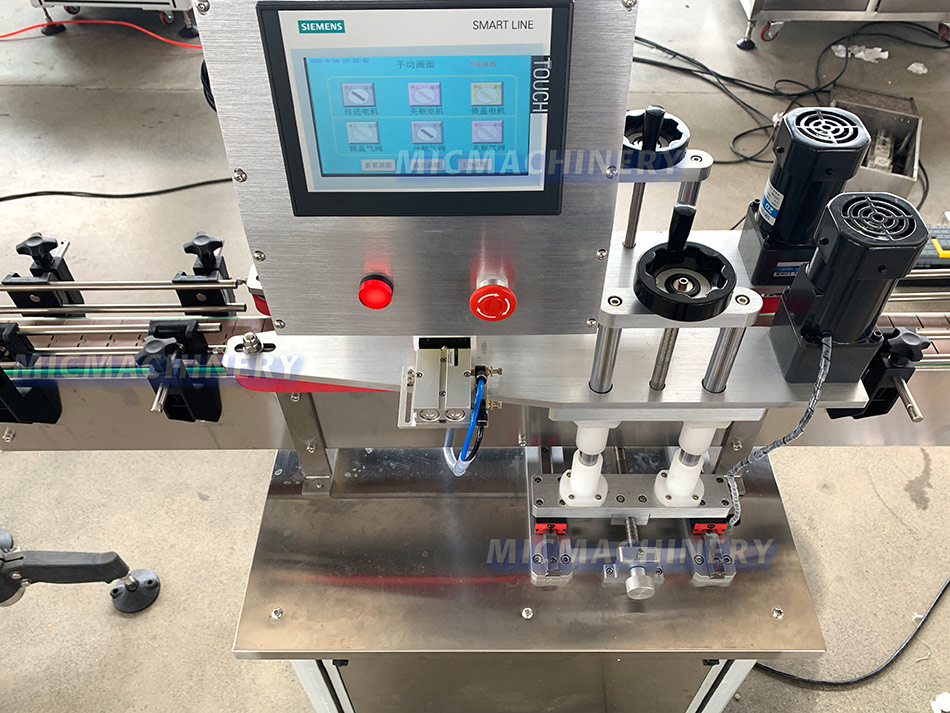
The jar capping process begins after the filling stage, where filled containers are transferred via conveyor into the capping station. The system uses sensors to detect incoming jars and ensure correct positioning under the capping heads.
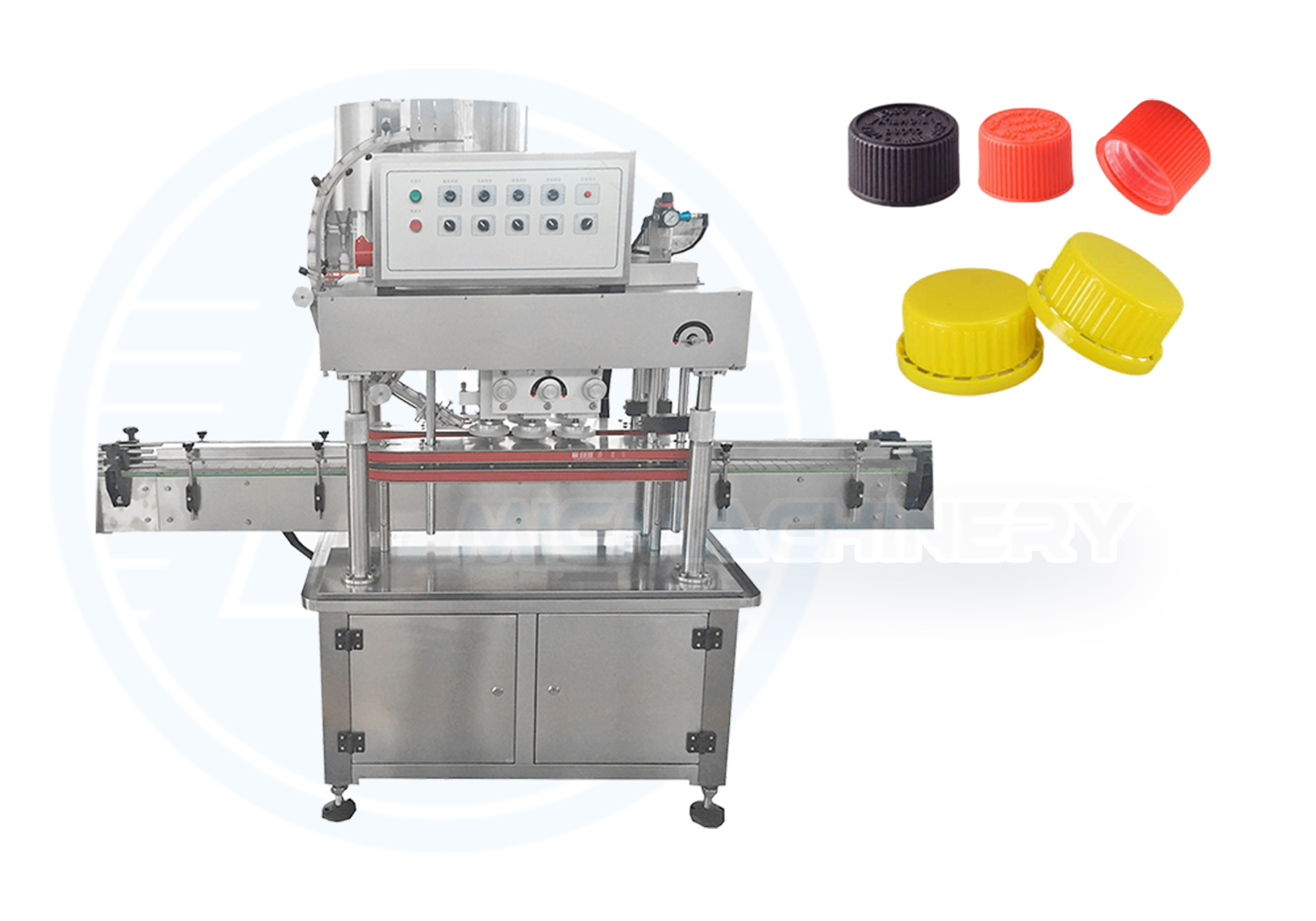
Caps are automatically sorted and delivered through a cap feeding system. In vibration bowl systems, caps are oriented and aligned before being transferred to the application point. This ensures continuous and stable cap supply during operation.
Once a jar is positioned, the cap is placed onto the container either automatically or through a guided placement system. The capping head then descends and applies controlled torque to secure the closure.
Servo or magnetic torque control ensures consistent tightening force across all containers. This is particularly important for products requiring leak-proof sealing, such as sauces, creams, and chemical liquids.
For press-on caps, the system applies downward force instead of rotation. For screw caps, rotational tightening is used until the preset torque value is reached. After sealing, jars are released back onto the conveyor and transferred to labeling or inspection systems.
The entire process is synchronized through a PLC control system that manages conveyor speed, torque settings, and safety monitoring for continuous production stability.
Video Demonstration
Applications
The Jar Capping Machine is widely used in food, cosmetic, pharmaceutical, and chemical industries.
Typical applications include:
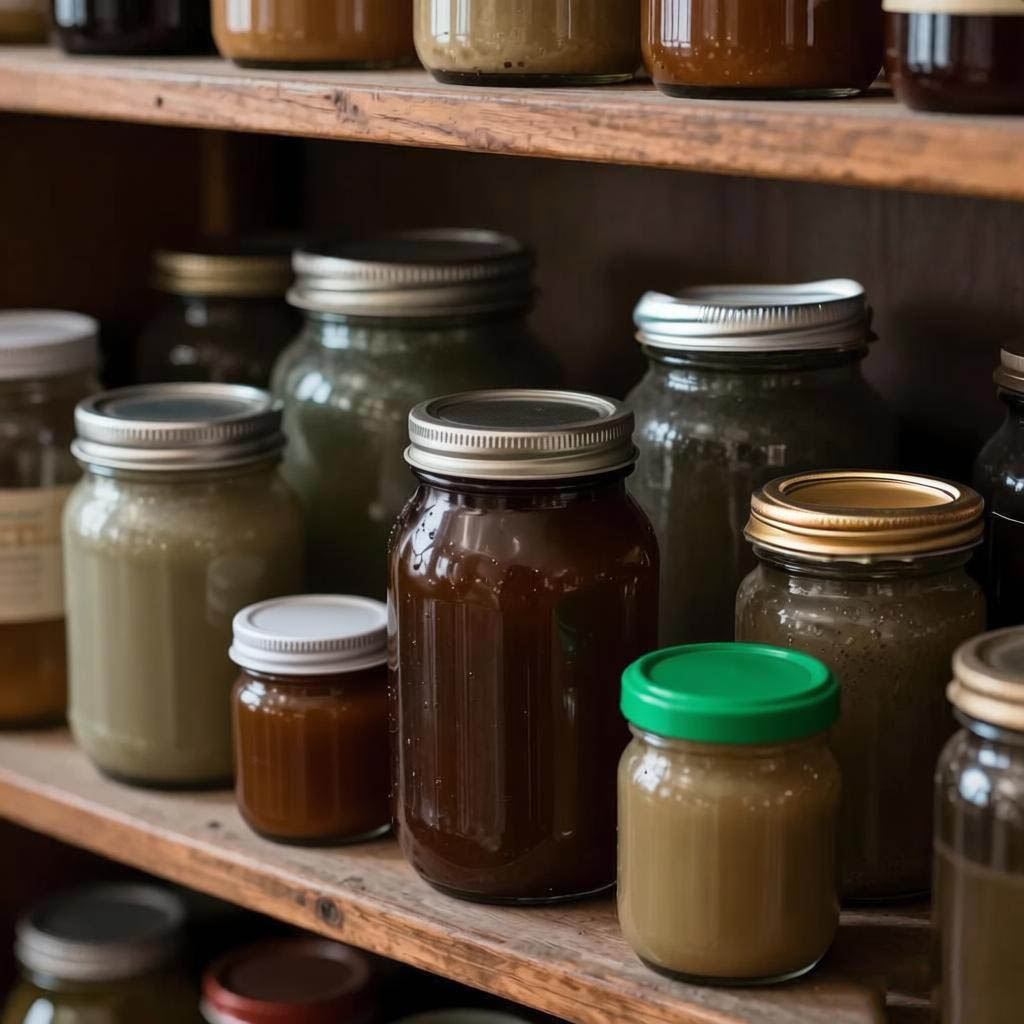
Sauce and condiment jars
Peanut butter and jam containers
Cosmetic cream jars
Lotion and gel containers
Pharmaceutical bottles and jars
Protein powder jars
Chemical reagent containers
Household cleaning product jars
OEM packaging production lines
Industrial chemical packaging
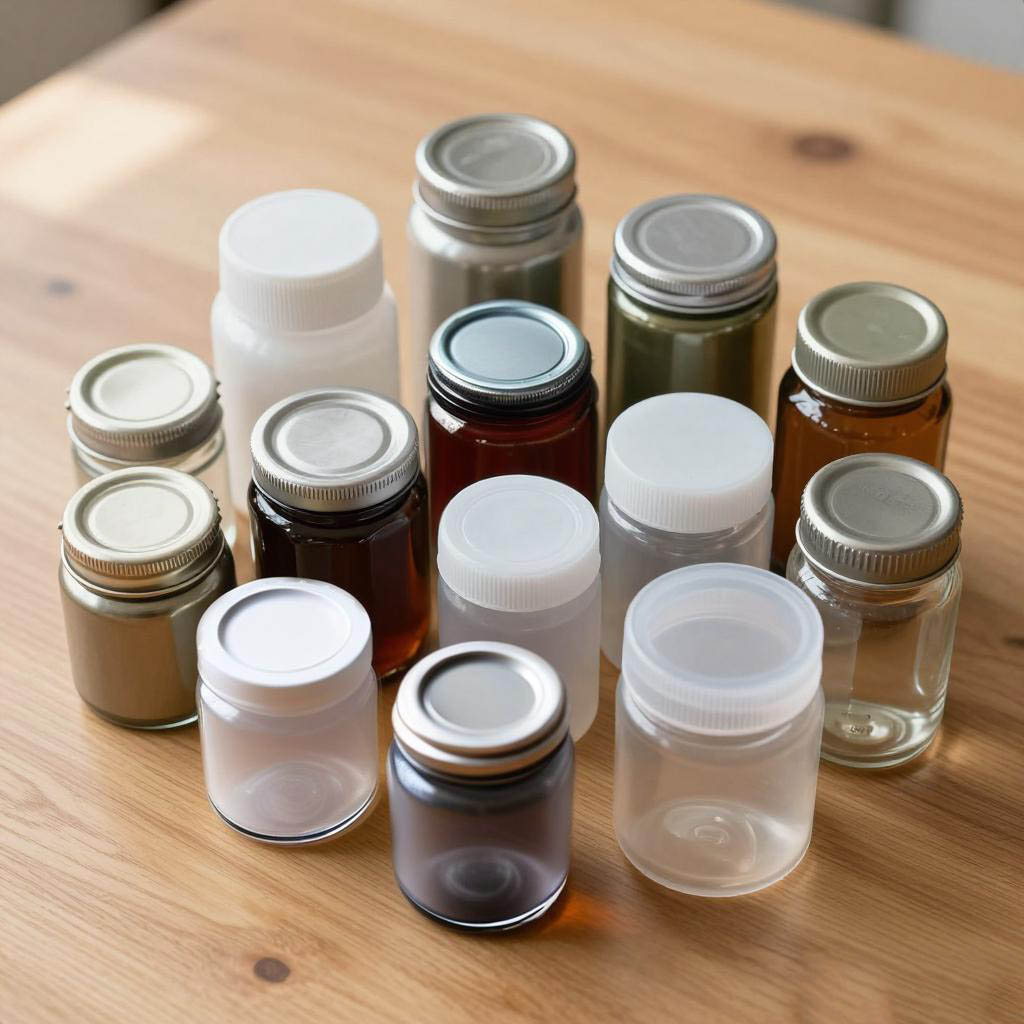
The system supports plastic, glass, and metal containers, making it suitable for a wide range of packaging industries.
Customization Options
Jar capping requirements vary depending on cap type, container shape, and production speed. MIC Machinery offers multiple customization options to ensure stable performance.
Servo Torque Control System
Provides precise tightening force for sensitive or high-value products.
Magnetic Clutch System
Stable mechanical torque control for standard industrial applications.
Multi-Head Capping System
Increases production speed for high-output manufacturing lines.
Cap Feeding Systems
Vibration bowl or elevator feeder options for different cap types.
Anti-Scratch Design
Protects cosmetic and glass containers during high-speed operation.
Nitrogen Flushing Integration
Optional system for food and pharmaceutical applications requiring extended shelf life.
Full Line Integration
Can be connected with filling machines, labeling systems, and carton packaging equipment.
Maintenance and Operation
Jar capping machines require regular maintenance to ensure torque stability and mechanical precision. Daily cleaning includes removing cap residue, cleaning guide rails, and checking conveyor alignment.
Weekly inspections should focus on torque calibration, capping head wear, and cap feeding system stability. Any worn components should be replaced promptly to avoid inconsistent sealing.
Cap feeding systems should be cleaned regularly to prevent jamming or misalignment, especially when using lightweight or irregular caps. Proper lubrication of moving parts ensures smooth operation under continuous production loads.
Q1: Can the machine handle different jar sizes? Yes. It is adjustable for various container heights and diameters.
Q2: How is torque controlled? Servo or magnetic clutch systems ensure precise tightening force.
Q3: Can it work with different cap types? Yes. It supports screw caps, press caps, flip-top caps, and pump caps.
Q4: Is it suitable for glass jars? Yes. Anti-scratch systems protect fragile containers.
Q5: Can it be integrated into a full production line? Yes. It works with filling, labeling, and packaging systems.
Q6: What industries use this machine? Food, cosmetics, pharmaceuticals, and chemical manufacturing.
Jar Capping Solutions from MIC Machinery
The MIC Machinery Jar Capping Machine is engineered for precise, stable, and high-speed sealing of diverse container types. It is designed for modern industrial packaging environments where torque accuracy, production efficiency, and sealing reliability are essential for safe and consistent product packaging.