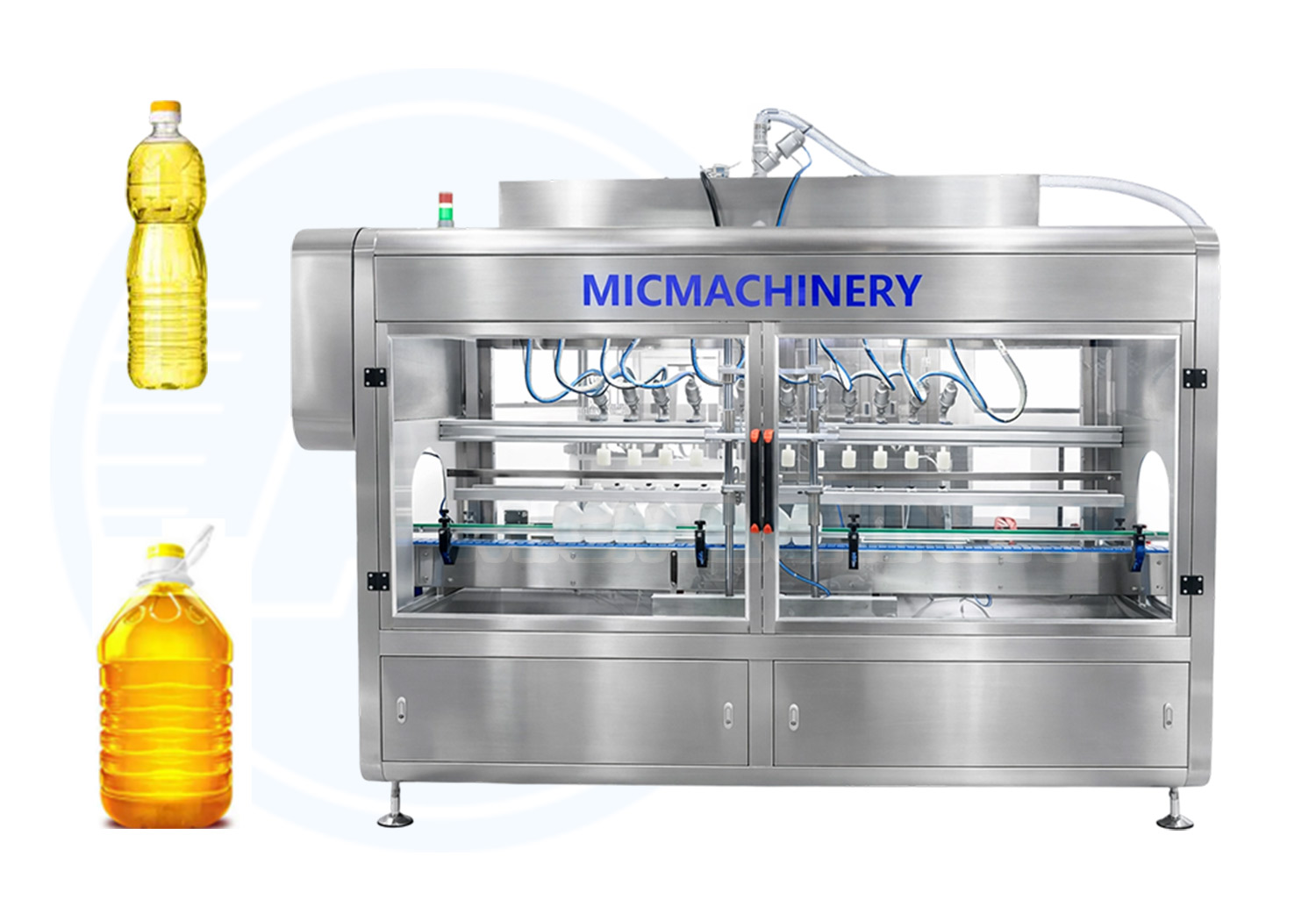
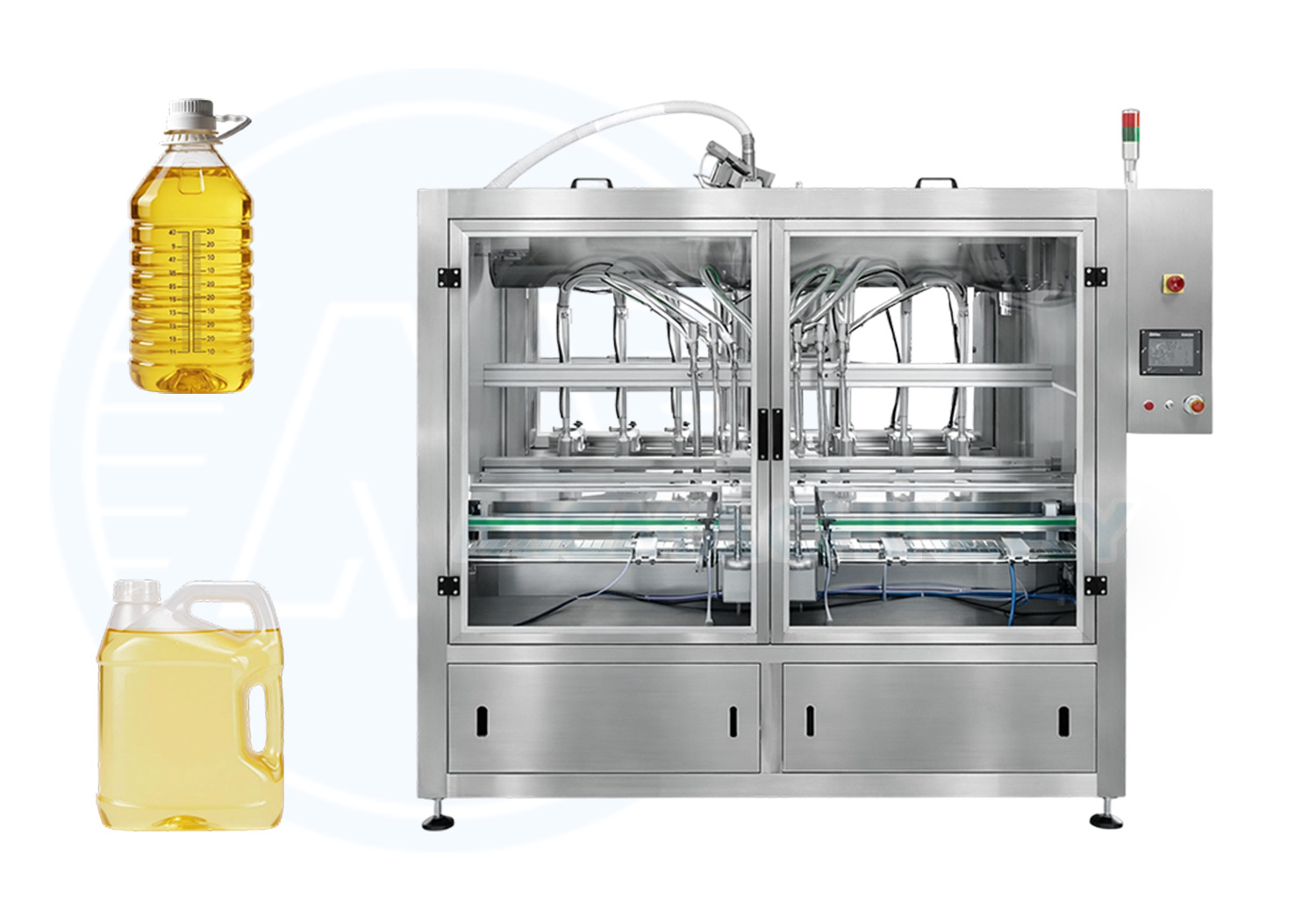
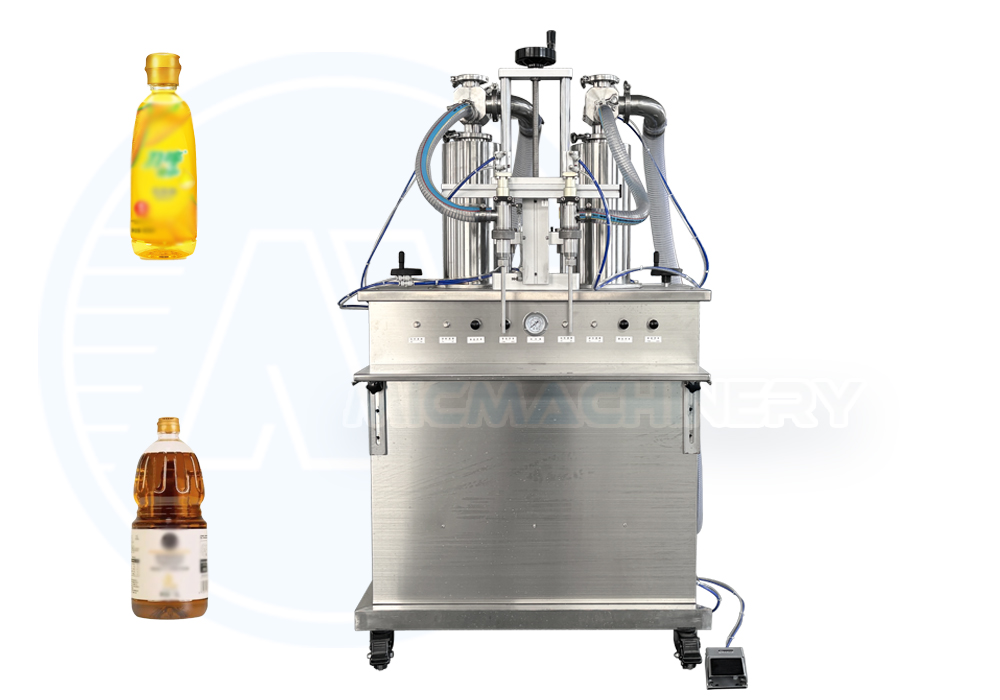
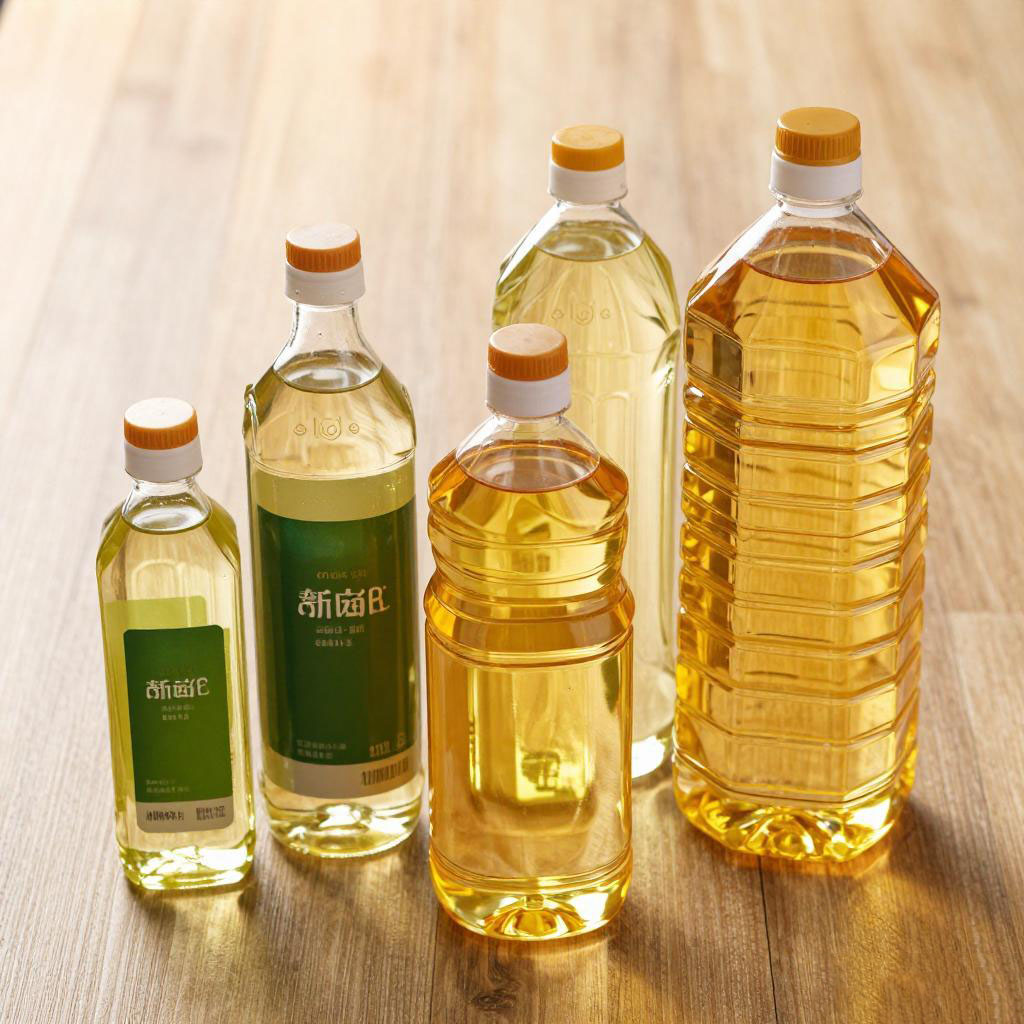
Edible Oil Filling Machine——Precision Oil Packaging System
Edible oil filling is one of the most stable yet quality-sensitive processes in food packaging. Although oils such as sunflower oil, soybean oil, olive oil, and palm oil have relatively low viscosity compared to sauces or pastes, they still require precise volume control to avoid overfilling, leakage, and container contamination during high-speed production.
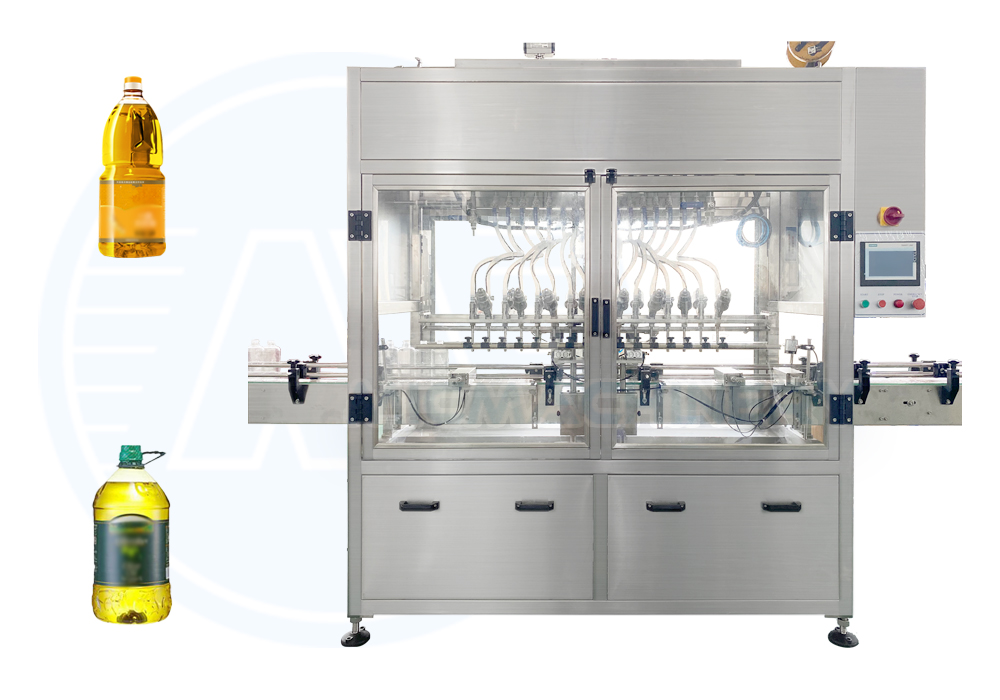
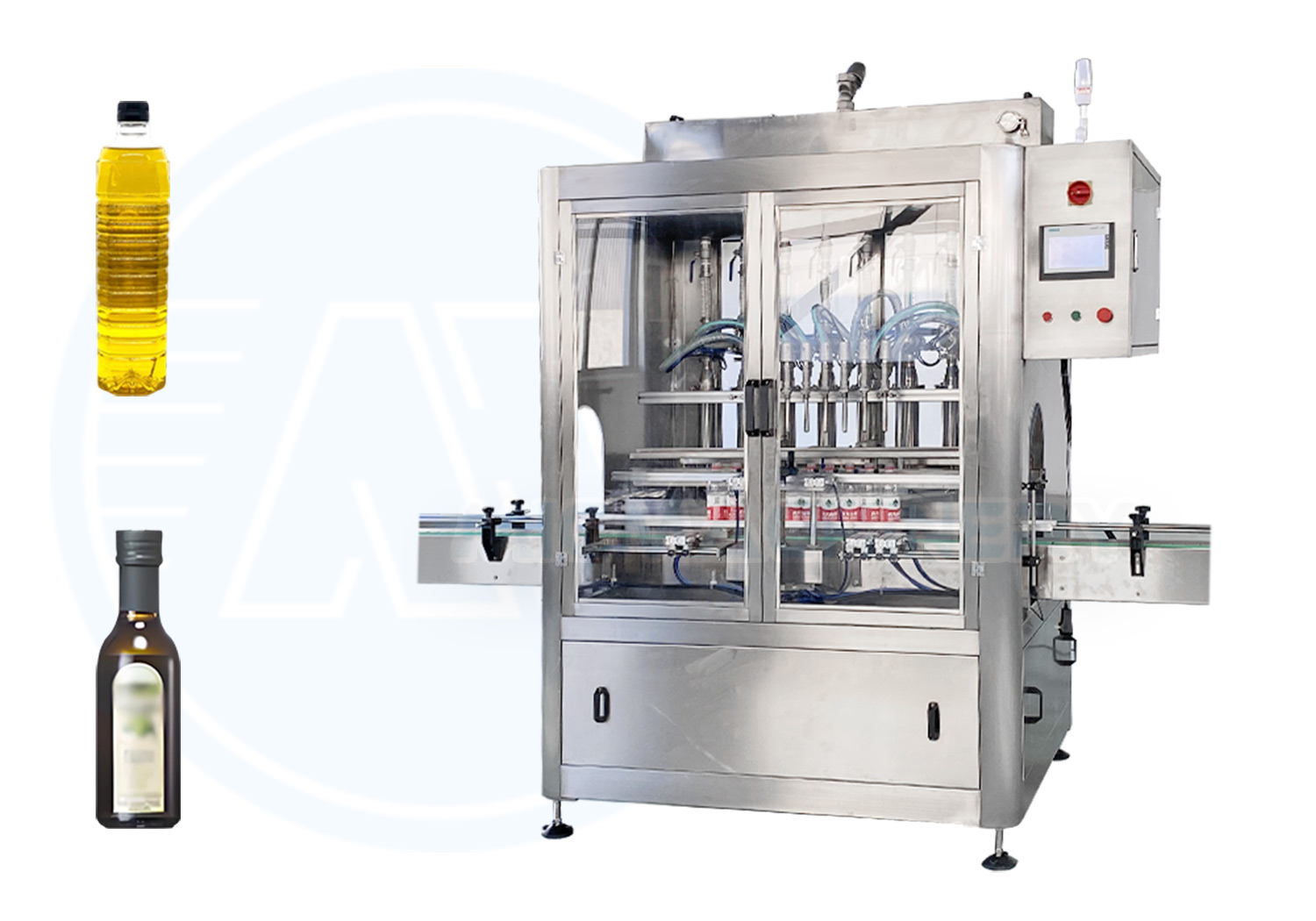
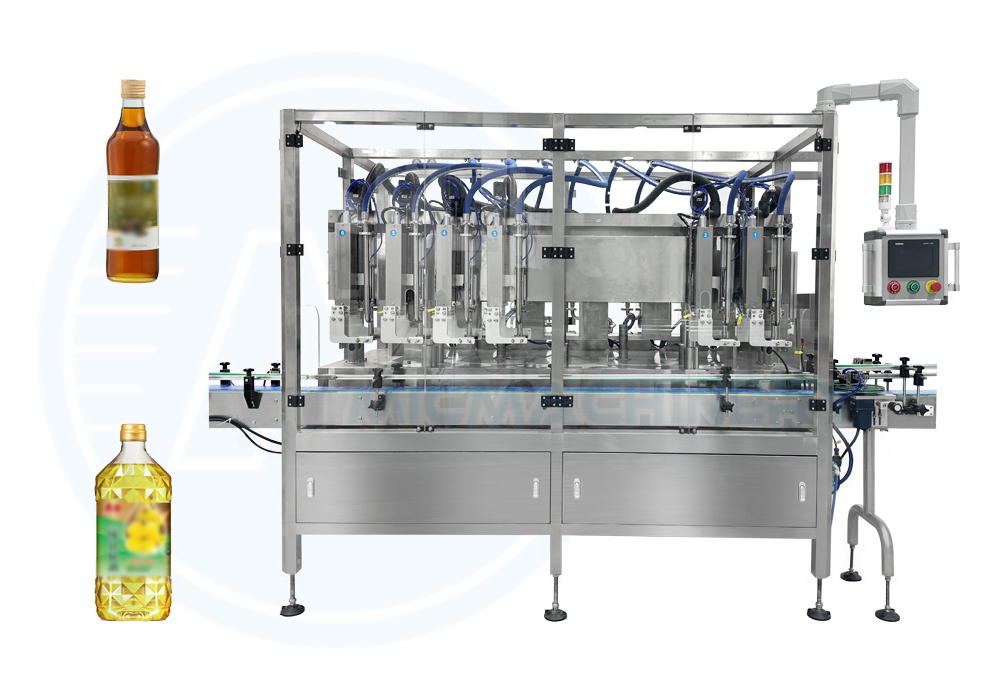
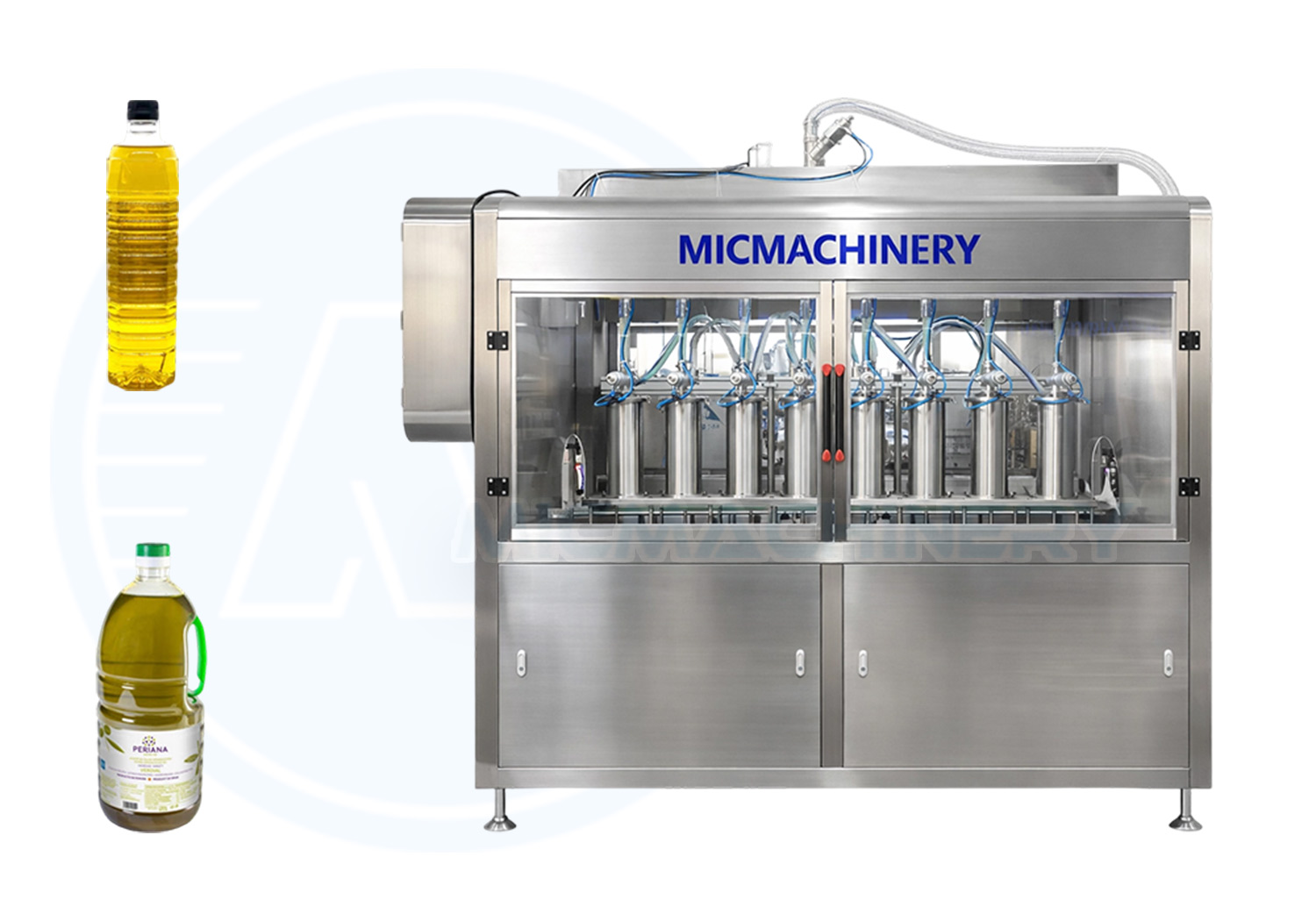
The Edible Oil Filling Machine developed by MIC Machinery is designed for continuous industrial operation where accuracy, hygiene, and production efficiency must remain stable over long working shifts. The system is widely used in edible oil refineries, bottling plants, and contract packaging facilities serving retail and export markets.
Unlike gravity-based systems used in small-scale operations, modern edible oil filling lines rely on controlled flow metering and automated synchronization with capping and labeling systems.
The edible oil filling process is designed for stability, accuracy, and minimal product loss.
Oil Storage and Feeding
Refined edible oil is stored in a buffer tank before entering the filling system. A level-controlled feeding pump ensures continuous supply without pressure fluctuations.
Measurement Phase
Depending on system type, oil is measured using flowmeters or controlled volumetric displacement. Flowmeter systems calculate volume in real time, ensuring accurate filling even at high speeds.
Bottle Positioning
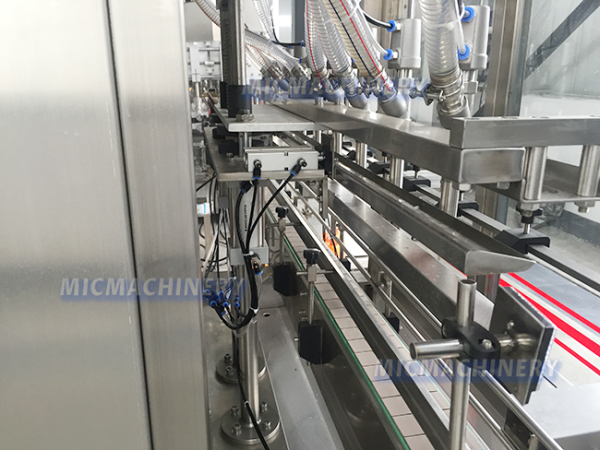
Empty bottles are automatically conveyed into position. Optical sensors ensure correct alignment before filling begins. This reduces spillage and improves filling consistency.
Filling Operation
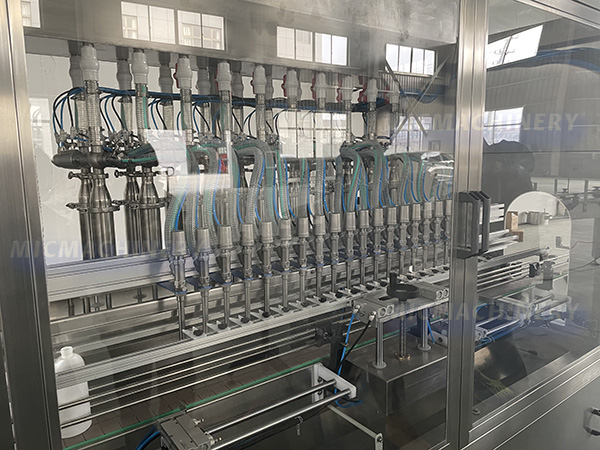
The filling nozzles descend into the bottle opening to reduce foaming and prevent oil splashing. Oil is dispensed smoothly at controlled speed. The flow rate is adjustable based on bottle size and production requirements.
Anti-drip valves ensure clean cut-off at the end of each cycle, preventing leakage on bottle necks or conveyor surfaces.
Transfer to Capping Line
Once filled, bottles are transferred to the capping machine where caps are applied and sealed. The system can be synchronized with labeling, coding, and carton packing equipment for full automation.
Video Demonstration
Applications
The Edible Oil Filling Machine is widely used across edible oil production and packaging industries.
Typical applications include:
sunflower oil
soybean oil
palm oil
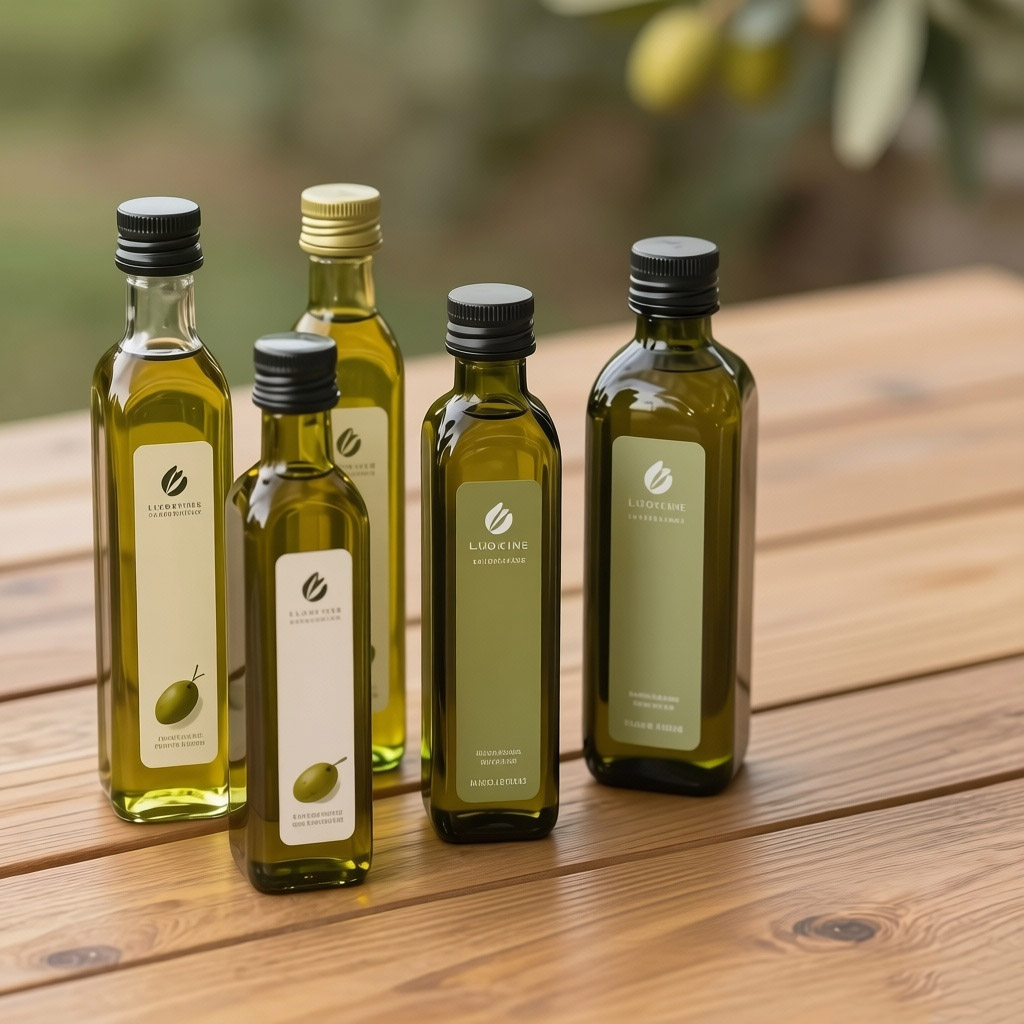
olive oil
peanut oil
corn oil
blended cooking oil
rapeseed oil
industrial frying oil
flavored cooking oils
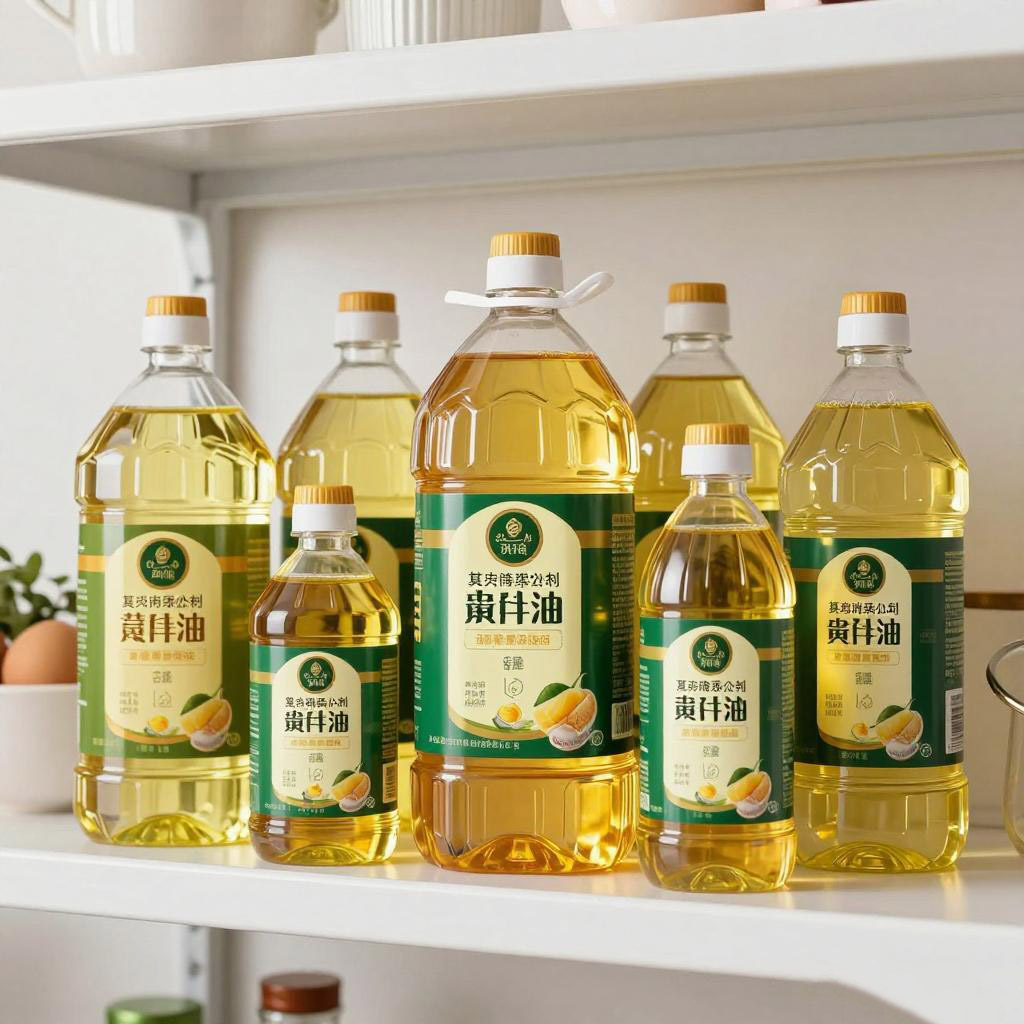
The system supports PET bottles, glass bottles, and HDPE containers in sizes ranging from small retail bottles to large family-use packaging.
For export-oriented production lines, the system can be configured to meet different regional labeling and packaging standards.
Machine Overview
The edible oil filling system is typically based on gravity filling, flowmeter-based filling, or servo-controlled piston filling depending on production capacity and accuracy requirements.
For most industrial applications, flowmeter-based filling is preferred because it provides stable measurement without direct mechanical contact with the oil. This reduces wear and ensures long-term consistency. For thicker vegetable oils or blended cooking oils, piston systems may also be used.
All product-contact components are manufactured from SUS304 or SUS316L stainless steel, ensuring compliance with food safety standards and preventing oil contamination or oxidation during transfer.
The machine is designed to minimize foaming and splashing, which can occur when oil is filled at high speed. A diving nozzle system is often used to ensure smooth filling into bottles of different heights.
Customization Options
Edible oil production plants often require flexible configurations depending on output scale and product variation. MIC Machinery provides multiple customization options.
Flowmeter Upgrade System
High-precision flowmeters improve filling accuracy and reduce product loss during high-speed operation.
Servo-Controlled Filling System
Provides enhanced control for multi-format production lines and frequent bottle size changes.
Anti-Foam Filling Nozzle
Special nozzle design reduces foam formation during high-speed filling.
CIP Cleaning System
Enables automated cleaning of pipelines and nozzles, reducing downtime between production cycles.
Explosion-Proof Configuration
Available for special industrial environments requiring enhanced electrical safety standards.
Multi-Format Bottle Handling
Allows quick adjustment for different bottle shapes and sizes within the same production line.
Full Line Integration
Can be connected with bottle unscramblers, capping machines, induction sealers, labeling systems, and palletizing equipment.
Maintenance
Edible oil is clean compared to sticky food products, but proper maintenance is still necessary to ensure long-term accuracy and hygiene.
Daily maintenance includes checking nozzle cleanliness, conveyor alignment, and ensuring no oil leakage at pipe connections. Any residual oil buildup should be cleaned to prevent dust accumulation.
Weekly inspections should focus on flowmeter calibration, valve sealing performance, and pneumatic system stability. If servo systems are used, motor response and synchronization should be verified regularly.
Filter systems in the oil feeding pipeline should also be checked to avoid particle contamination that may affect nozzle performance.
With proper maintenance, the system maintains stable operation even under continuous high-speed production.
FAQ
Q1: What is the most suitable filling system for edible oil? Flowmeter filling is most commonly used due to its high accuracy and suitability for high-speed production.
Q2: Can the machine handle different oil types? Yes. It can handle most edible oils including sunflower, soybean, olive, and blended cooking oils.
Q3: Is foaming a problem during filling? Foaming is minimized through diving nozzles and controlled flow speed.
Q4: What bottle types are supported? PET, glass, and HDPE bottles of various sizes are supported with adjustable conveyors.
Q5: Can it be integrated into a full production line? Yes. It can be connected with capping, labeling, and packaging systems for full automation.
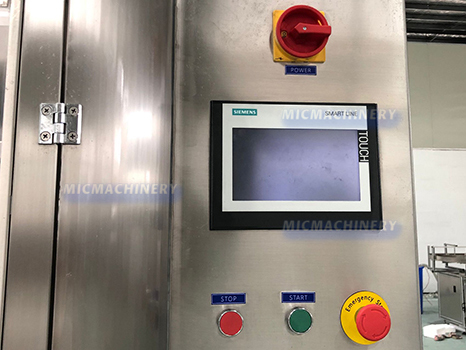
Q6: How is accuracy maintained at high speed? Accuracy is ensured through flowmeter control or servo systems synchronized by PLC automation.
Industrial Edible Oil Filling Machinefrom MIC Machinery
The MIC Machinery Edible Oil Filling Machine is designed for stable, high-speed bottling operations where accuracy and cleanliness directly affect production efficiency. It provides a practical solution for edible oil manufacturers seeking reliable performance in modern automated filling lines.