Shampoo Filling Machine——Viscous Personal Care Filling System
Shampoo production sits between cosmetic and chemical manufacturing. Although it appears simple from a consumer perspective, the filling process involves handling viscous, foaming, and sometimes surfactant-rich liquids that behave unpredictably under pressure. Foam control, dosing accuracy, and clean cut-off are key factors in maintaining consistent product quality.
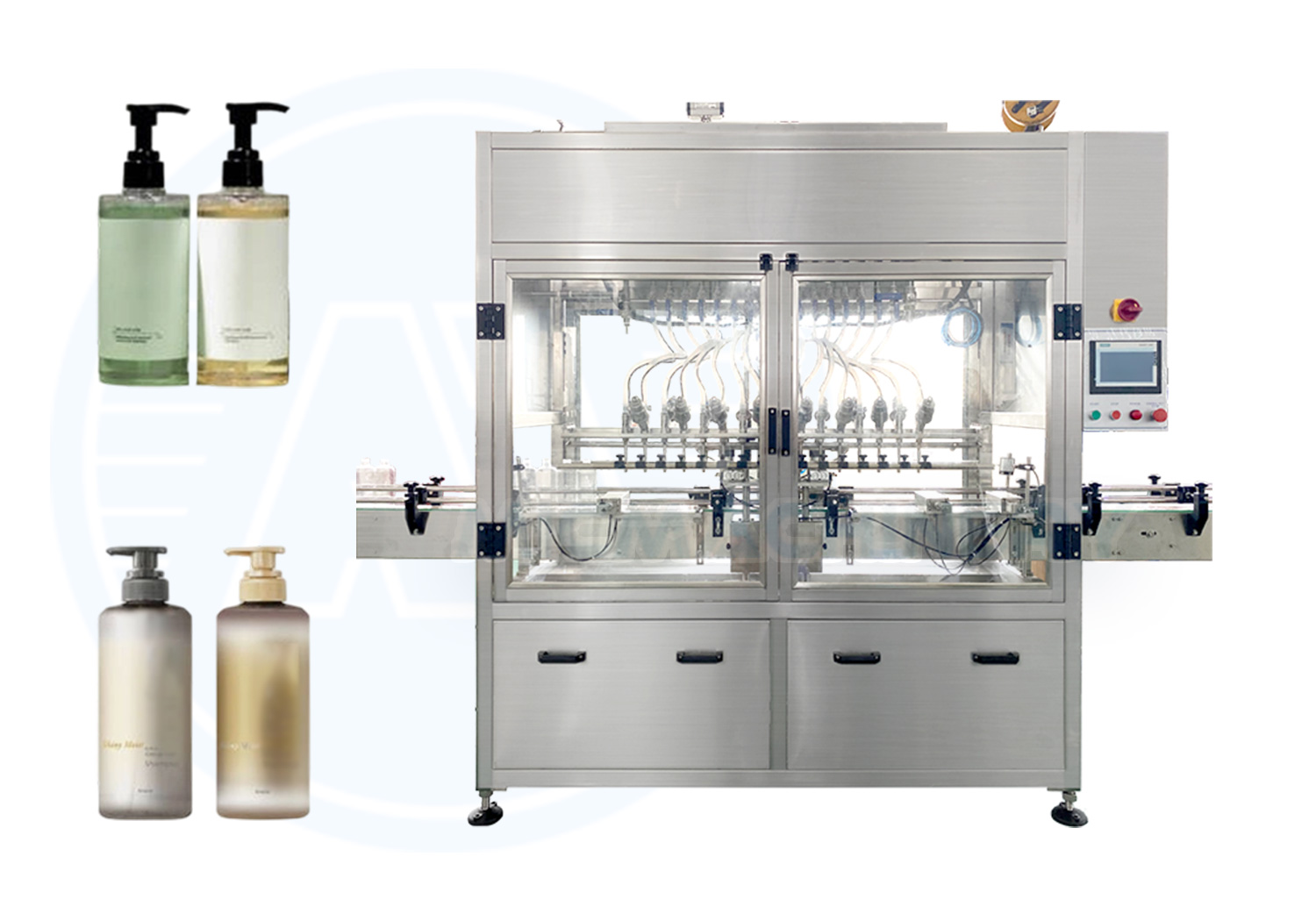
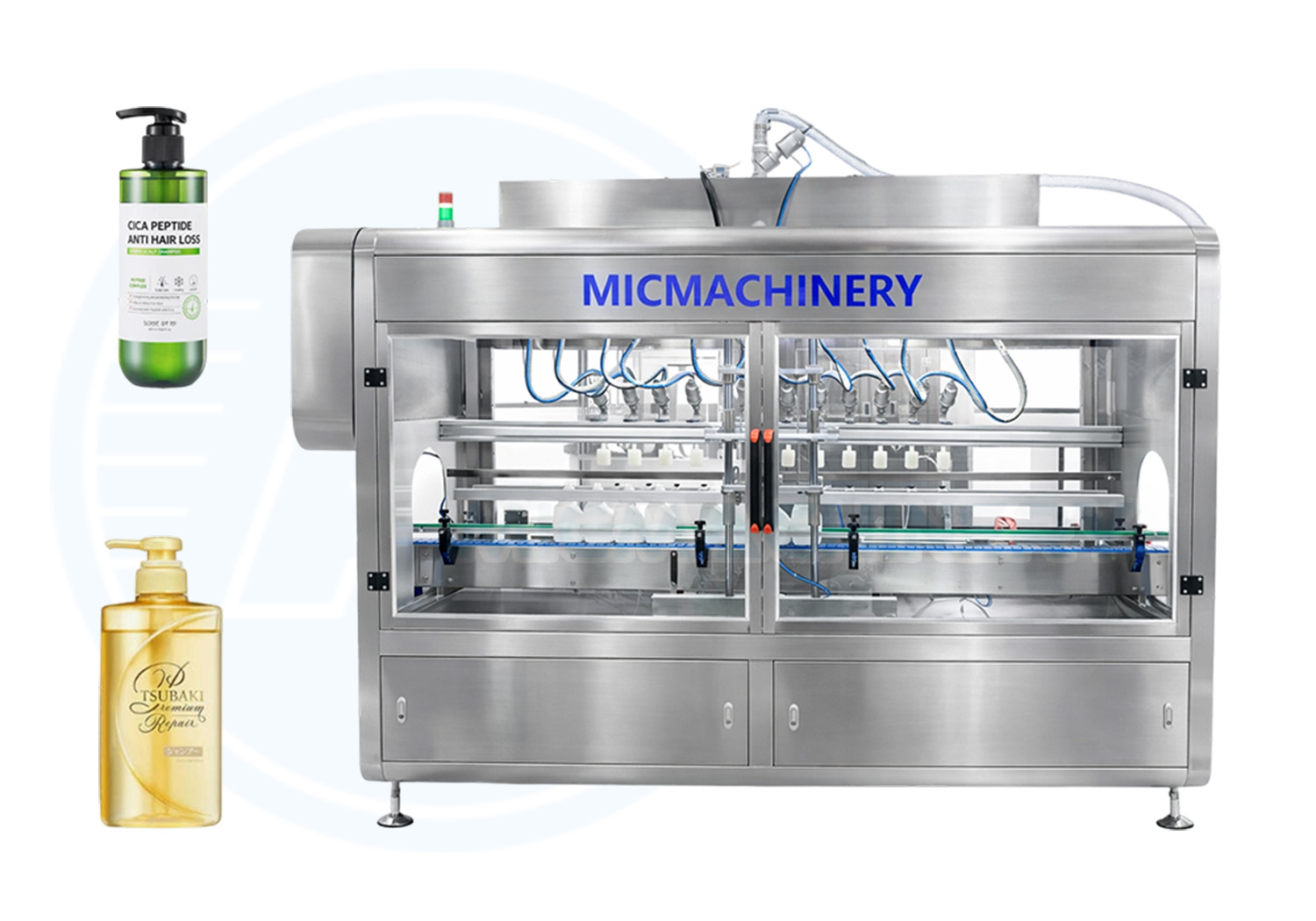
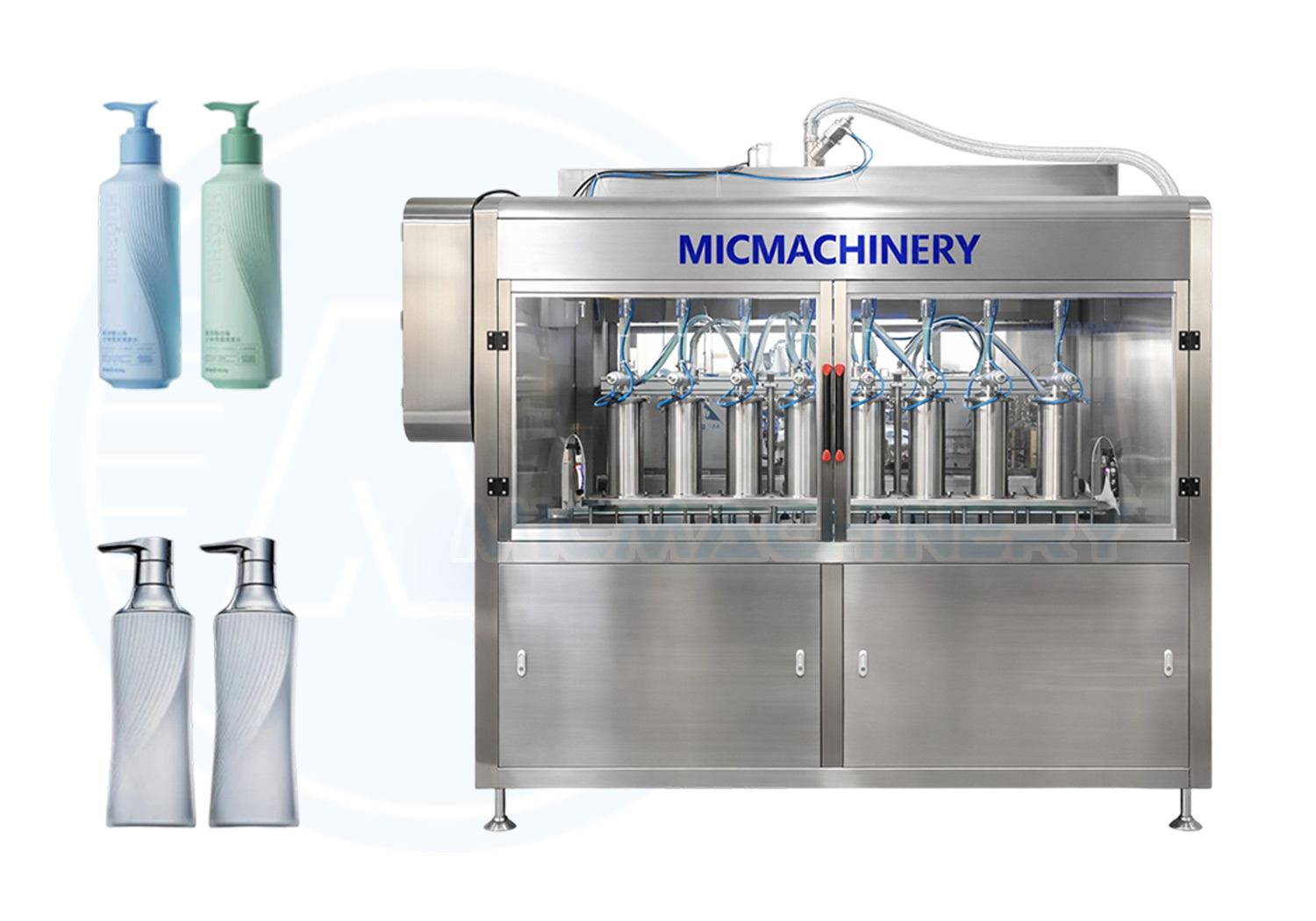
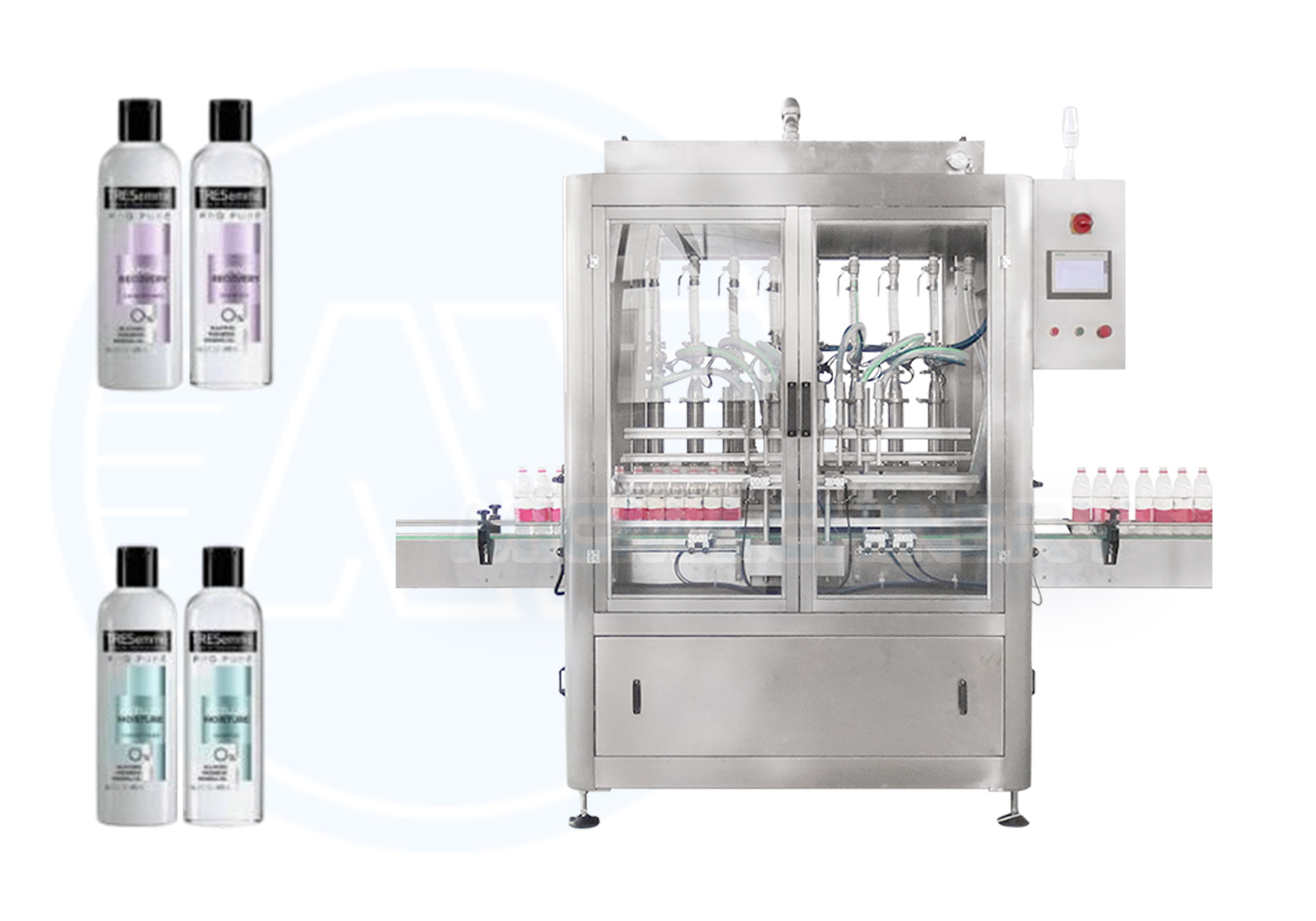
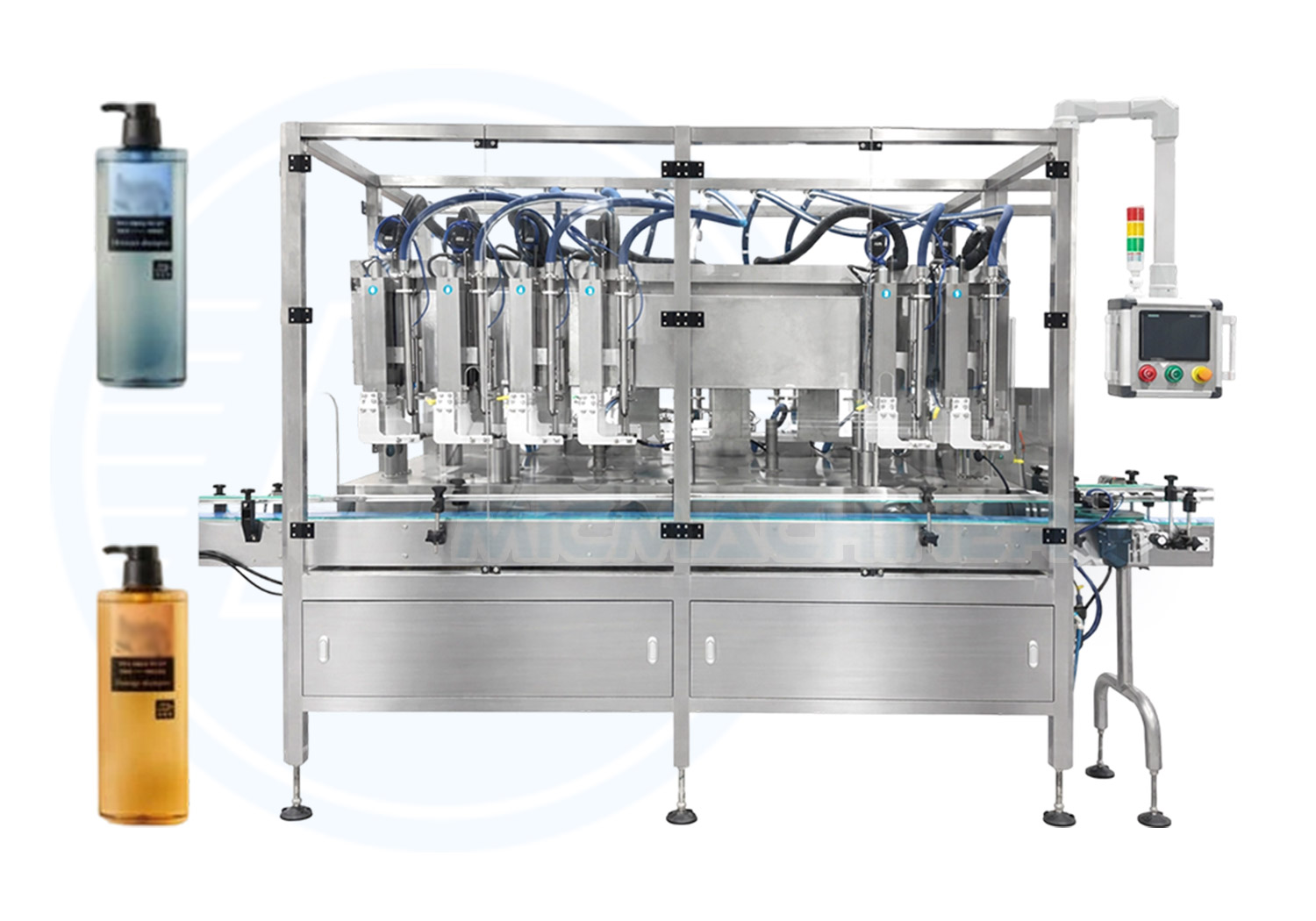
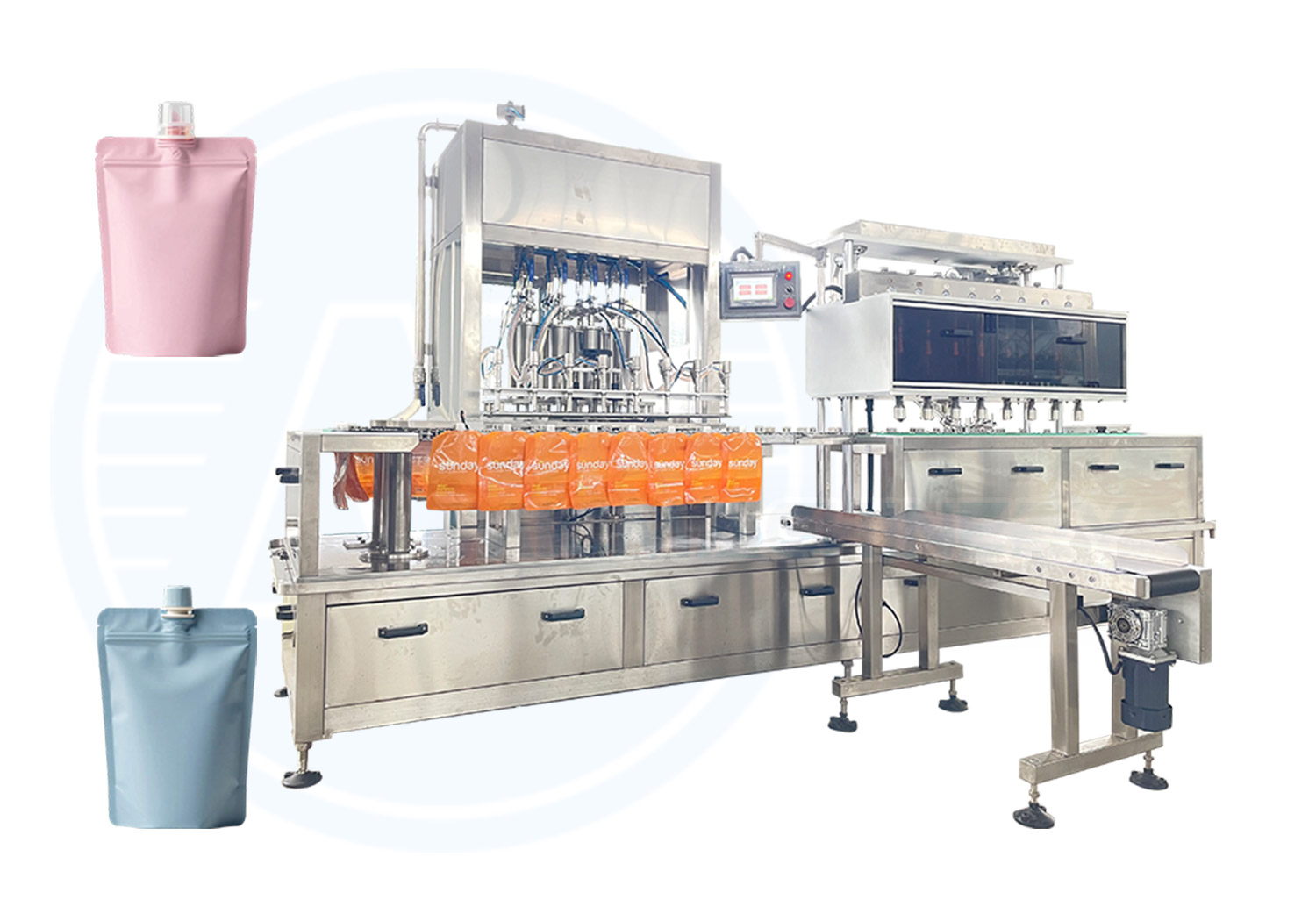
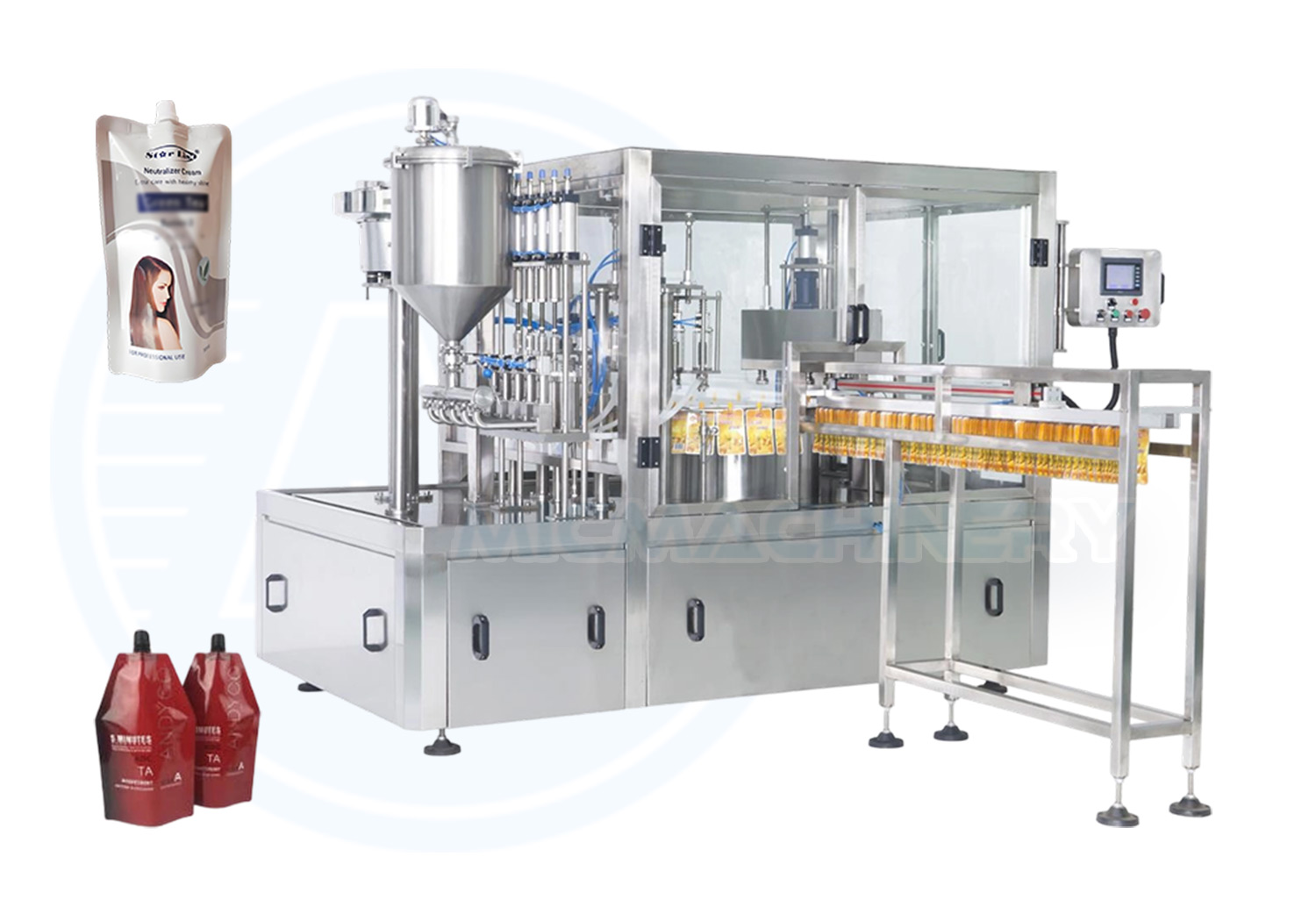
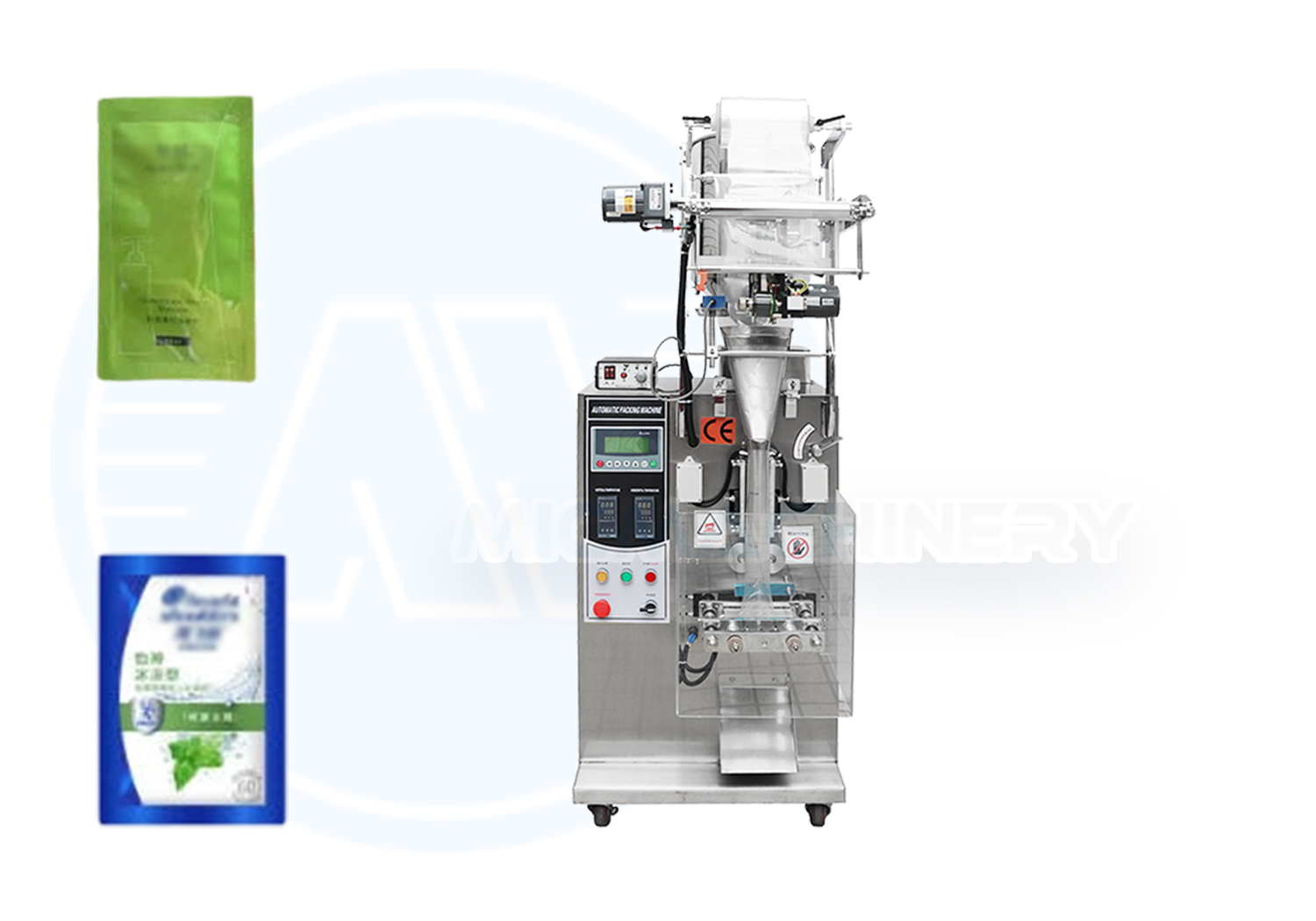
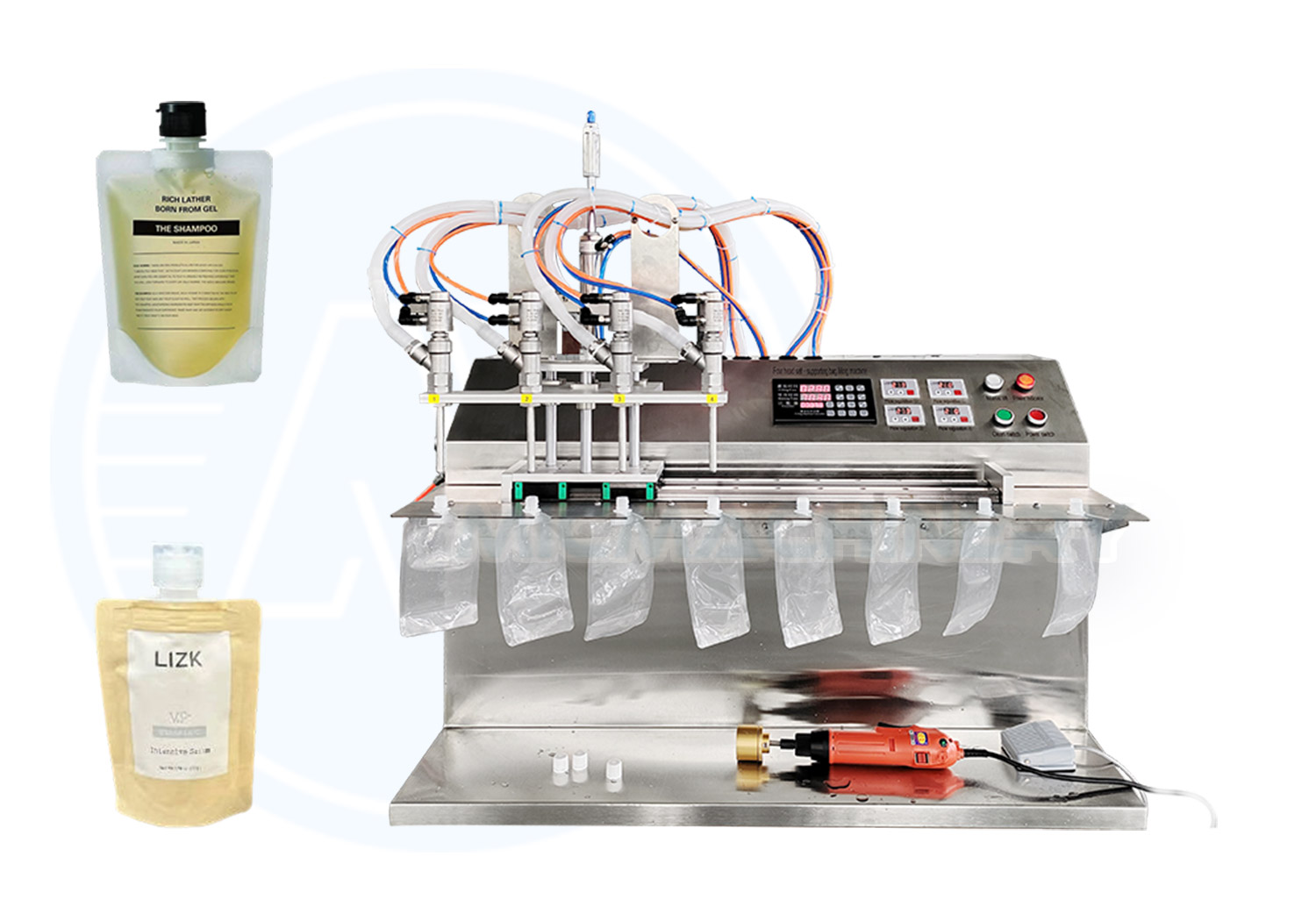
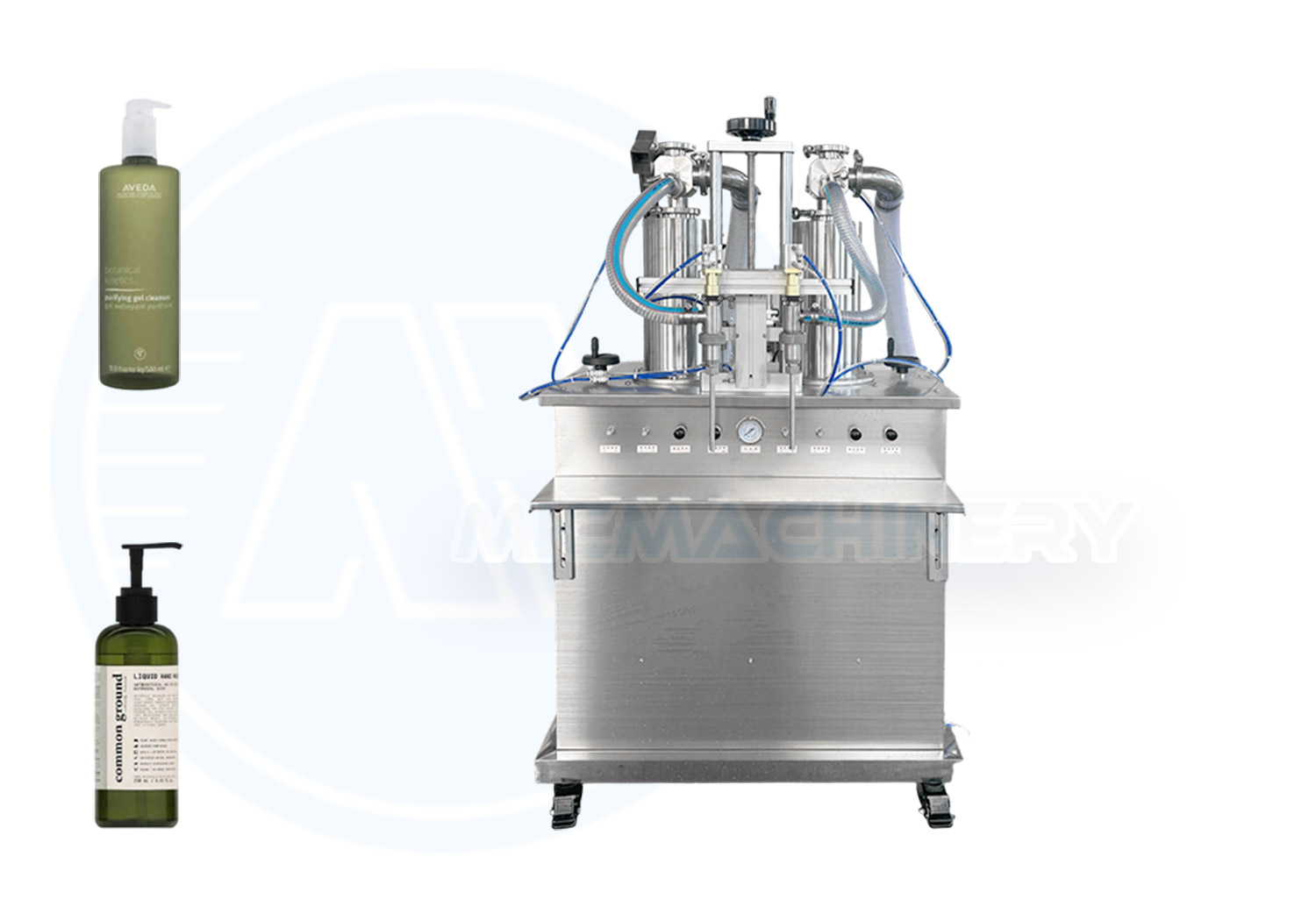
The Shampoo Filling Machine developed by MIC Machinery is designed specifically for personal care liquids with medium to high viscosity. It is widely used in cosmetic factories, contract filling plants, and daily chemical production lines for shampoos, conditioners, shower gels, and liquid soaps.
Unlike water-based filling systems, shampoo filling requires controlled flow, anti-foam design, and stable synchronization with capping and labeling equipment.
The shampoo filling process is designed to maintain stability while preventing foam overflow and inconsistent dosing.
Product Feeding
Shampoo is transferred from mixing or storage tanks into the machine hopper. For thick formulations, an optional agitation system ensures uniform consistency during filling.
Metering Stage
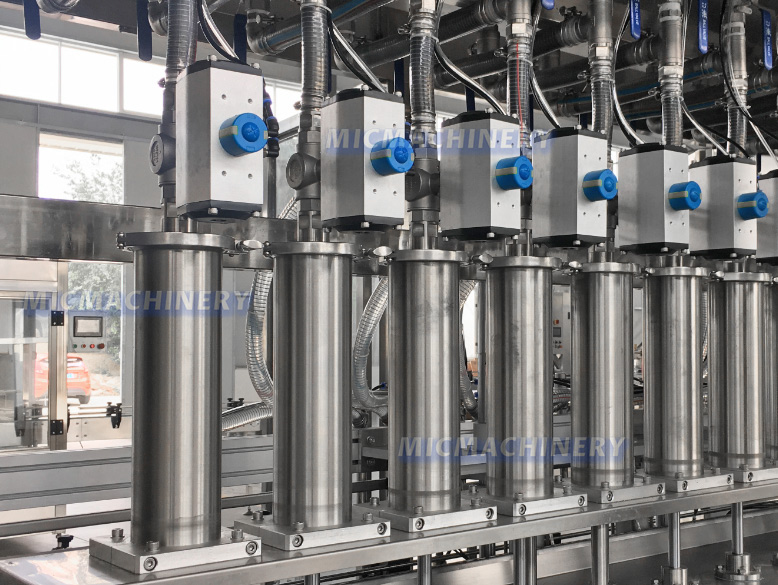
Depending on the system type, shampoo is measured using piston displacement or flowmeter control. Piston systems are preferred for high-viscosity conditioner and gel-based products, while flowmeters are commonly used for standard shampoo liquids.
Bottle Positioning
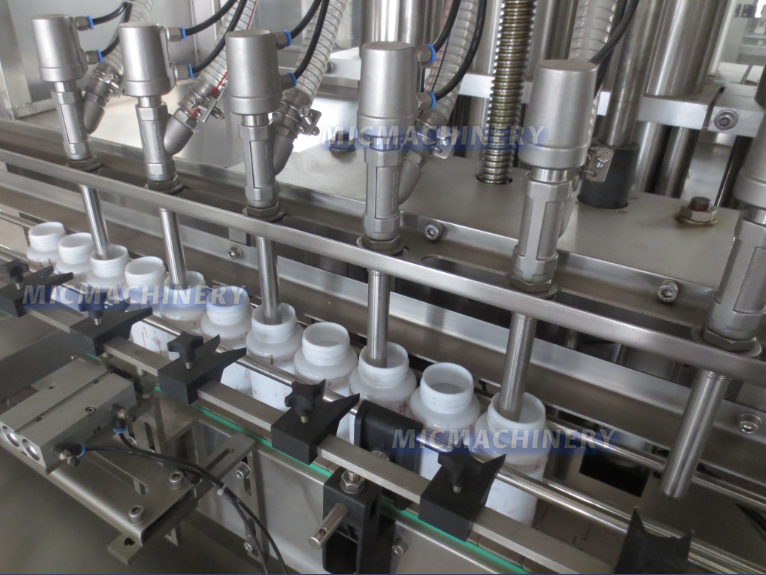
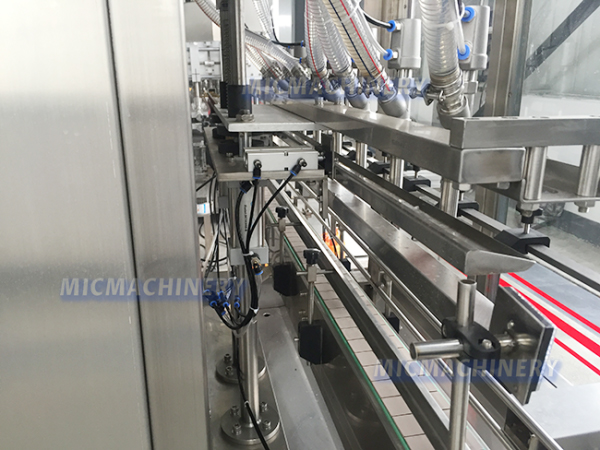
Empty bottles are transported automatically along a conveyor system. Sensors ensure accurate positioning under each filling nozzle before operation begins.
Filling Operation
The nozzles descend into the bottles to minimize foam generation. Shampoo is filled at a controlled speed, which can be adjusted according to viscosity and surfactant content. Slow-start and slow-stop control reduces turbulence and prevents air entrapment.
Anti-drip valves ensure clean cut-off, preventing residue on bottle necks and maintaining packaging cleanliness.
Transfer to Capping System
After filling, bottles move to automatic capping machines. Depending on product type, screw caps or pump dispensers are applied. The system can be fully synchronized with labeling and packaging lines for continuous production.
Video Demonstration
Applications
The Shampoo Filling Machine is widely used in the personal care and daily chemical industry.
Typical applications include:
hair shampoo
hair conditioner
2-in-1 shampoo products
shower gel and body wash
liquid hand soap
pet shampoo products
salon-grade professional shampoo
herbal and organic shampoo formulations
cosmetic gel-based cleansers
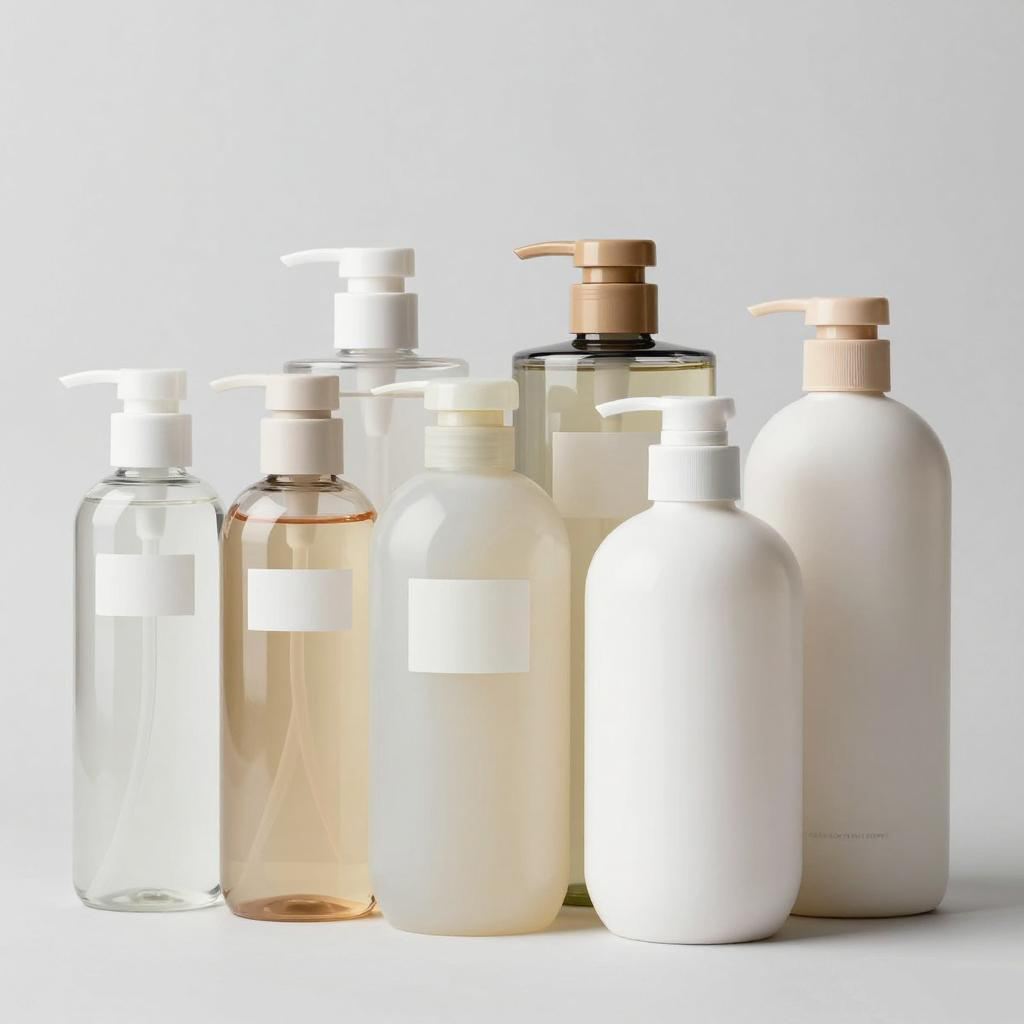
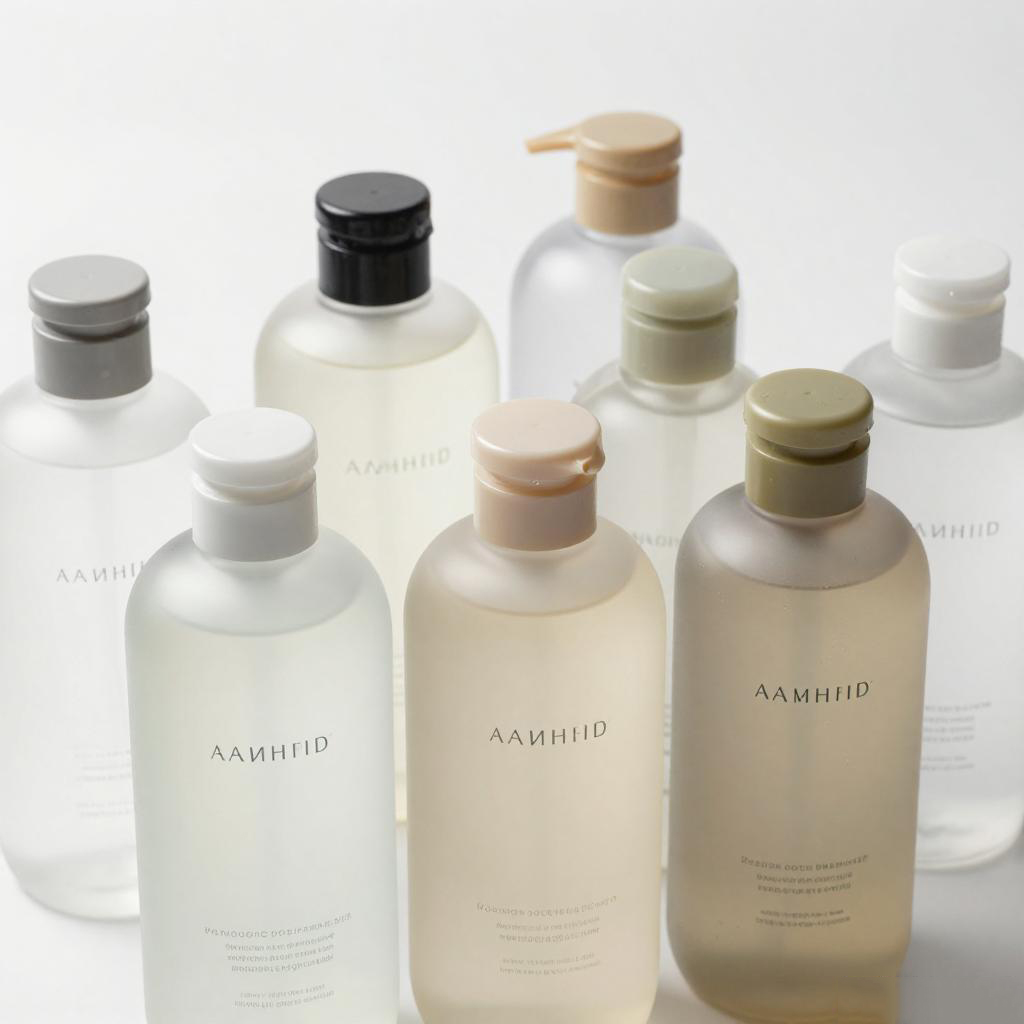
The system supports PET bottles, HDPE bottles, pump bottles, and custom cosmetic packaging formats.
Customization Options
Shampoo production lines often require flexible configurations due to differences in viscosity, bottle design, and branding requirements. MIC Machinery provides multiple customization options including heated or insulated hoppers for temperature-sensitive formulations, servo-driven filling systems for higher precision control, and anti-foam nozzle designs to reduce air entrapment during high-speed filling. CIP cleaning systems can also be integrated to simplify product changeover and improve sanitation efficiency.
For factories producing multiple product types, recipe-based PLC control allows operators to switch filling parameters quickly without mechanical adjustment. The system can also be integrated with automatic bottle feeding, labeling alignment systems, and full packaging automation lines depending on production scale and layout requirements.
Maintenance and Operation
Shampoo contains surfactants and thickening agents that may leave residue inside pipelines and nozzles over time. Regular maintenance is necessary to maintain performance.
Daily maintenance includes flushing the system with water or cleaning solution after production to remove residual product. Nozzles and hopper surfaces should be inspected for buildup.
Weekly inspection should focus on seals, valve performance, and filling accuracy calibration. For piston systems, lubrication and wear checks are also recommended.
Air pressure stability and sensor alignment should be monitored regularly in high-speed production environments.
With proper maintenance, the machine maintains stable foam control and dosing accuracy over long production cycles.
FAQ
Q1: Can the machine handle thick conditioner and gel shampoo? Yes. Servo piston systems are designed specifically for high-viscosity personal care products.
Q2: How is foam controlled during filling? Foam is reduced through diving nozzles, controlled filling speed, and anti-foam valve design.
Q3: What types of bottles are supported? PET, HDPE, and pump bottles are all supported with adjustable conveyor systems.
Q4: Can it handle different shampoo formulas on one line? Yes. Recipe-based PLC control allows fast switching between product types.
Q5: Is cleaning complicated? No. The system is designed for quick flushing, and CIP systems can automate the cleaning process.
Q6: Can it be integrated into a full cosmetic production line? Yes. It can work with capping, labeling, coding, and packaging machines for full automation.
Industrial Shampoo Filling Machine from MIC Machinery
The MIC Machinery Shampoo Filling Machine is designed for stable and precise filling of viscous personal care products in real industrial production environments. It focuses on foam control, accurate dosing, and reliable integration into automated cosmetic packaging lines.