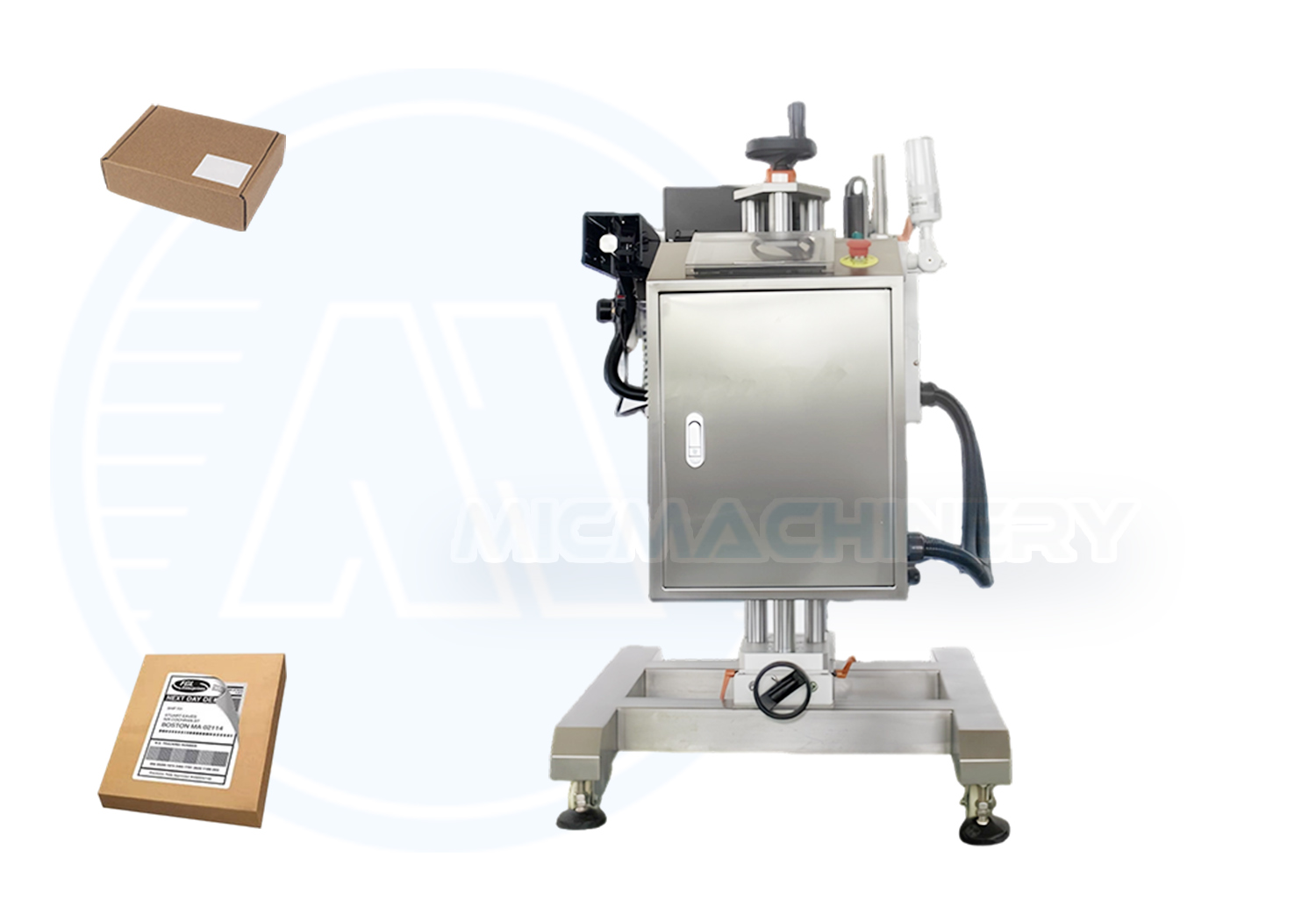
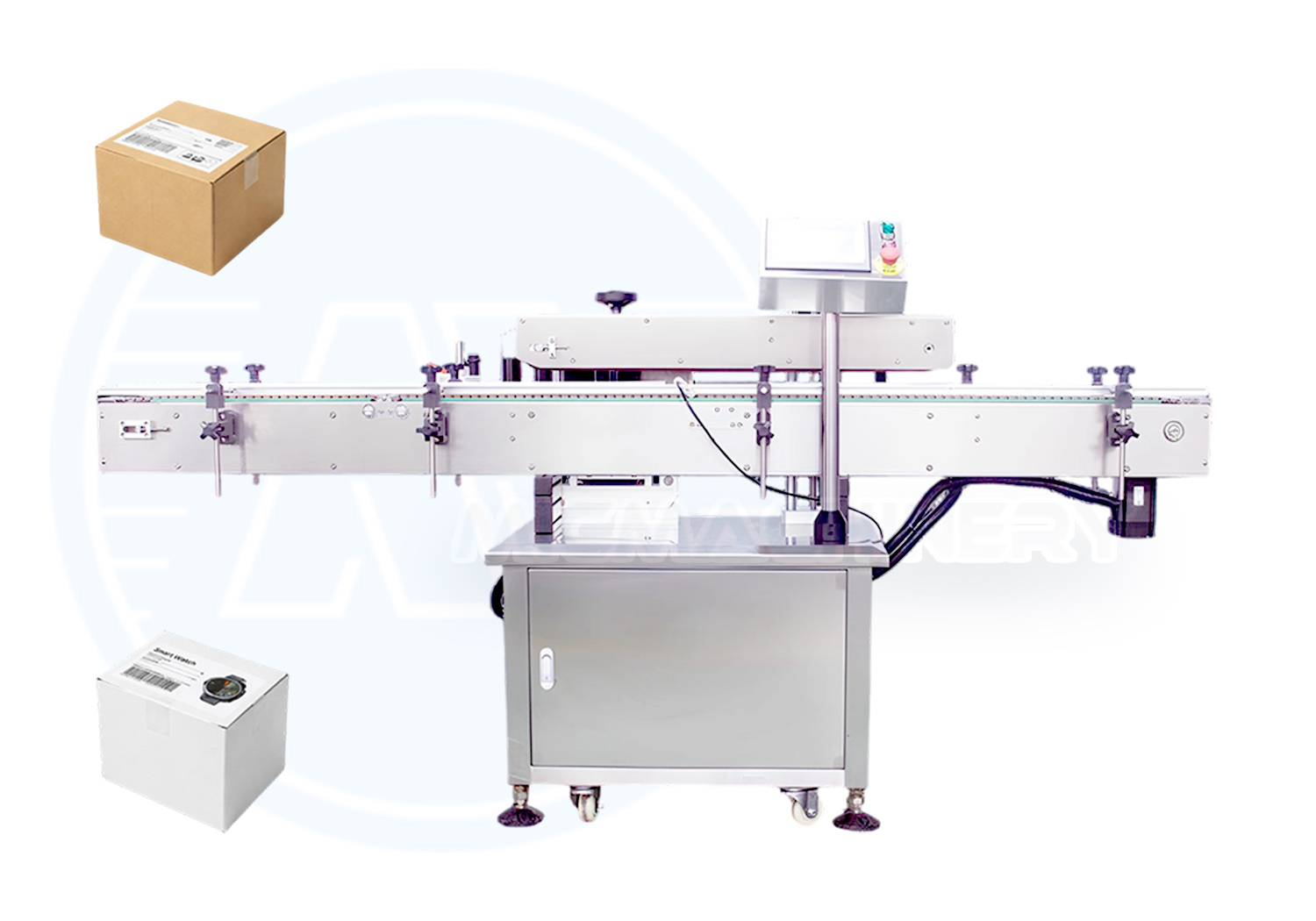
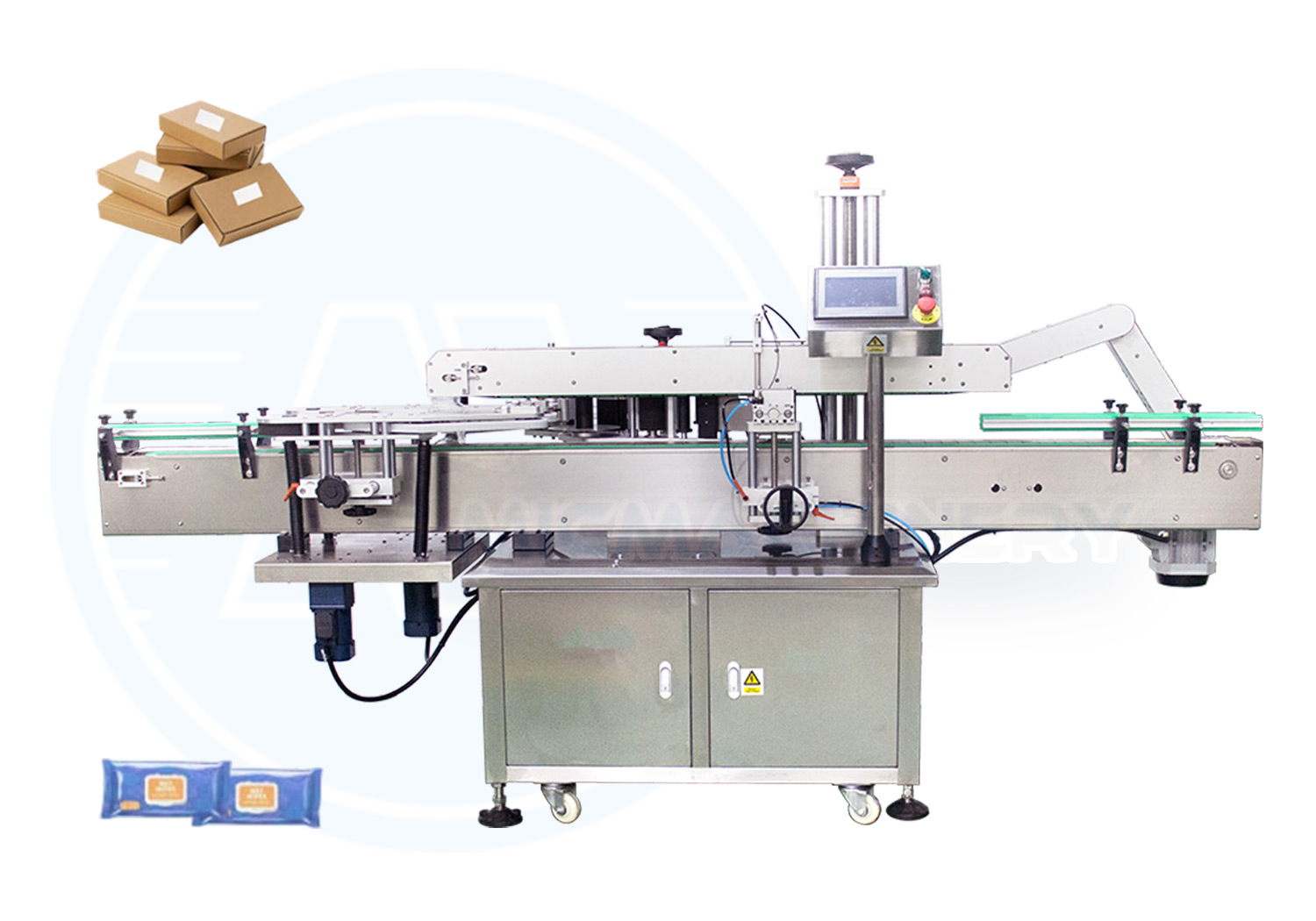
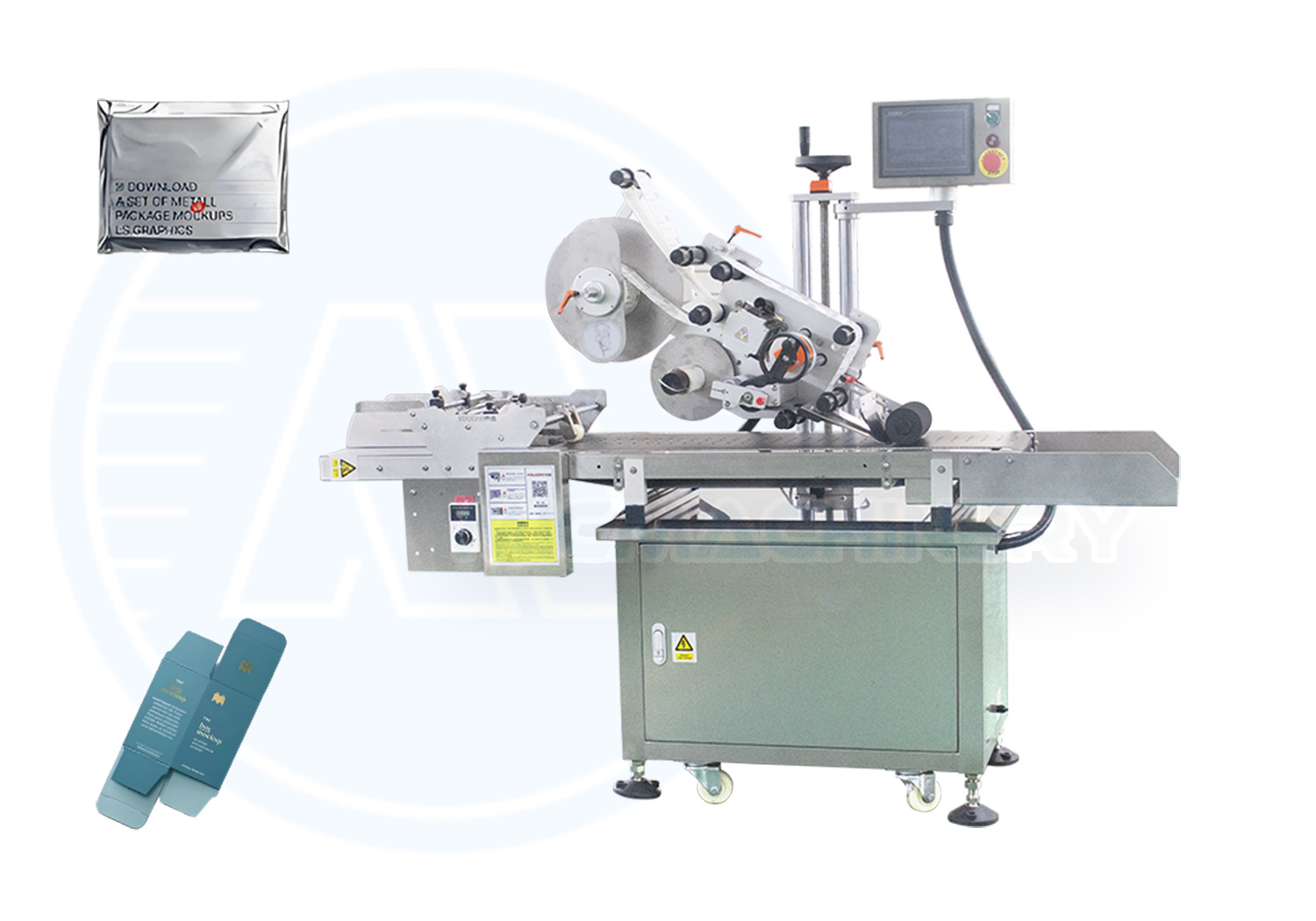
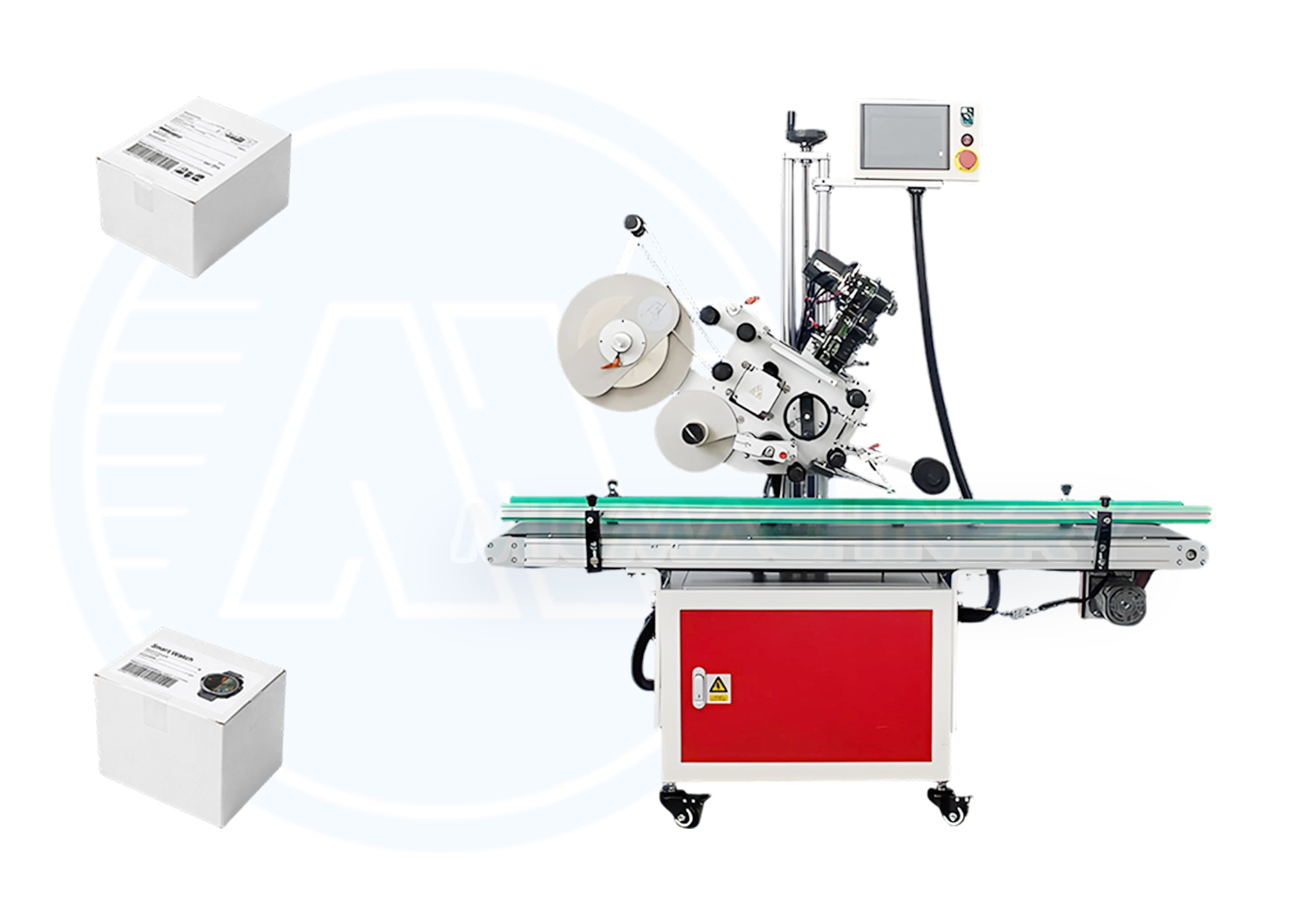
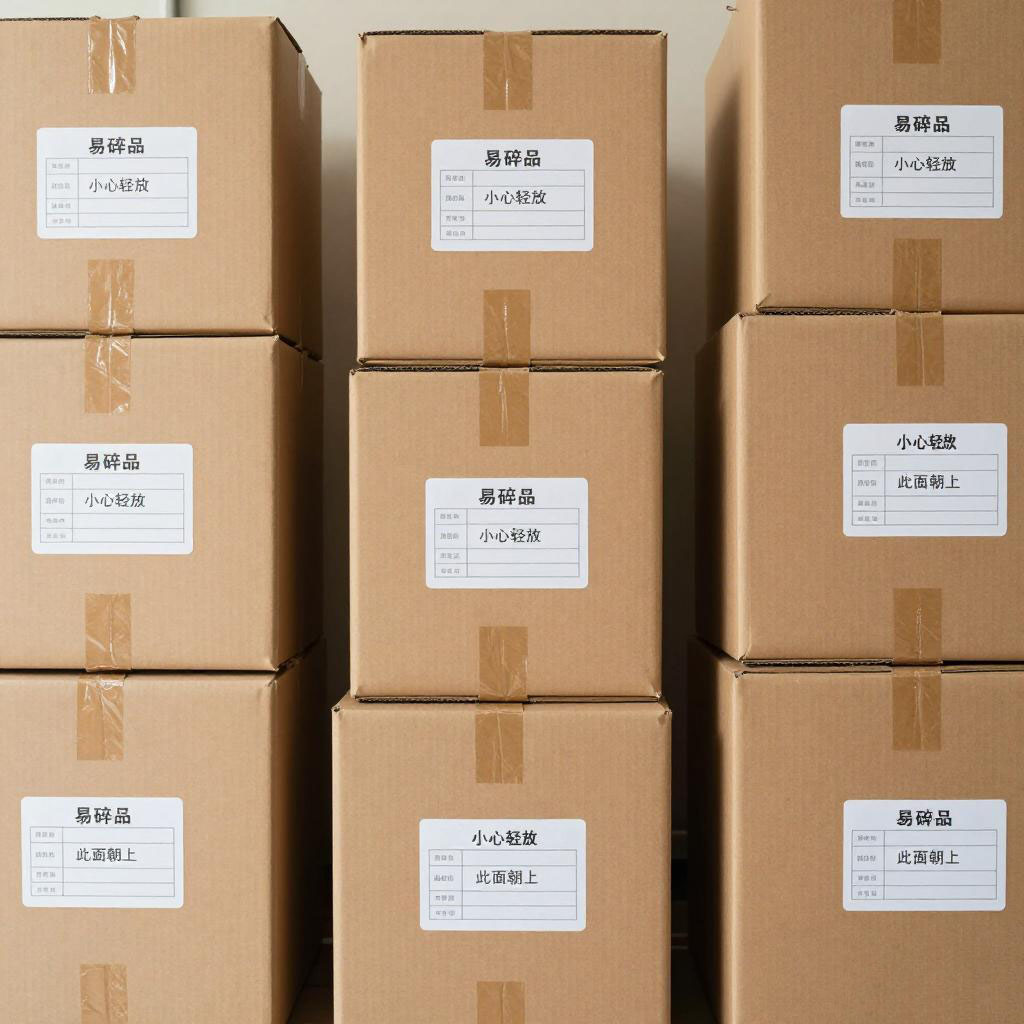
Flat-surface packaging is widely used across food, pharmaceuticals, cosmetics, electronics, and chemical industries. Boxes, cartons, pouches, lids, sachets, and rigid flat containers all require accurate labeling for branding, traceability, and regulatory compliance. Compared with cylindrical products, flat packaging demands precise alignment and stable conveying to ensure labels are applied without skewing or air bubbles.
The Flat Labeling Machine from MIC Machinery is designed specifically for automatic labeling of flat and semi-flat surfaces. It provides high-speed, stable, and precise label application on cartons, bags, trays, lids, and other planar packaging formats. The system is suitable for standalone operation or integration into fully automated packaging lines.
Built with industrial-grade components and servo-controlled technology, the machine ensures consistent labeling quality even in high-throughput production environments.
Working Process
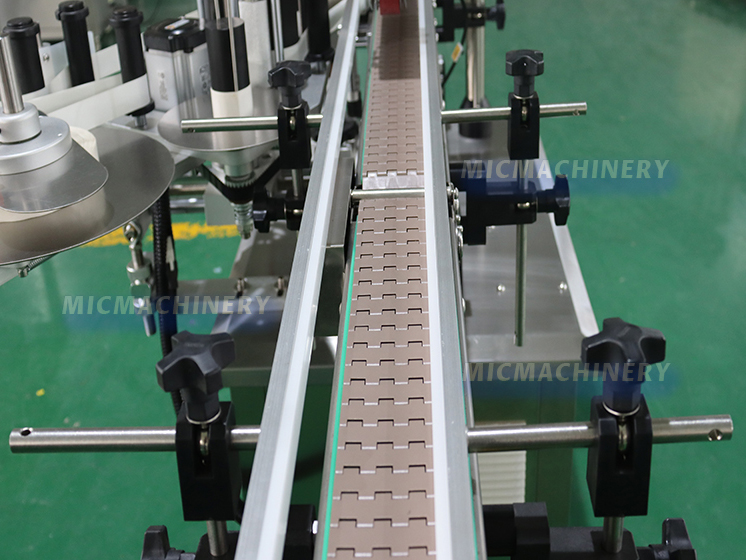
The labeling process begins when flat products are fed into the conveyor system from upstream packaging or feeding equipment. Adjustable guide rails ensure that each product is aligned correctly before entering the labeling station.
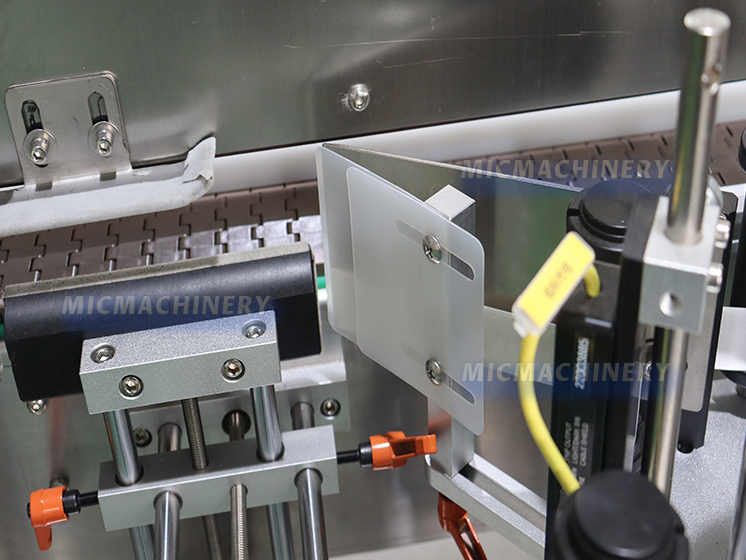
As products move along the conveyor, photoelectric sensors detect their position and transmit signals to the PLC control system. The system calculates the exact timing for label application based on conveyor speed and product spacing.
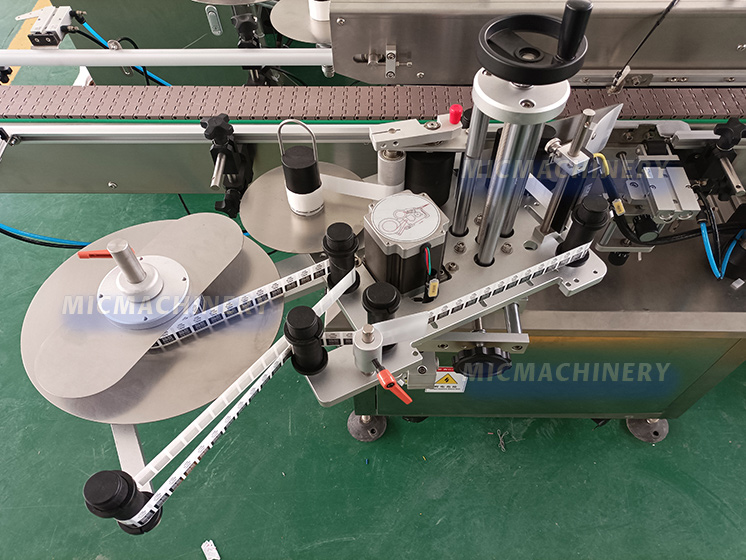
The servo-driven labeling head dispenses the label precisely onto the target surface while maintaining synchronization with product movement. For intermittent operation, the conveyor may briefly pause to ensure maximum labeling accuracy on small or irregular flat surfaces.
After label application, a pressing roller or soft brush system smooths the label to eliminate air bubbles and ensure full adhesion. This is particularly important for carton surfaces and laminated packaging materials.
Optional coding systems can print batch numbers, production dates, or QR codes directly onto labels or packaging surfaces. Vision inspection systems can verify label position, detect missing labels, and check barcode readability before products move to the next stage.
Finished products are transferred to packing, cartoning, or palletizing systems depending on production line configuration.
Video Demonstration
Applications
The Flat Labeling Machine is widely used in industries requiring precise labeling on flat or semi-flat packaging surfaces.
Typical applications include:
Food cartons and boxes
Pharmaceutical packaging cartons
Cosmetic product boxes
Detergent packaging pouches
Chemical product cartons
Electronics packaging boxes
Sachets and pouch packs
Frozen food trays
Retail product packaging
Industrial spare parts packaging
Medical device packaging
E-commerce shipping packaging
The machine supports paperboard, corrugated cartons, laminated pouches, plastic trays, and composite packaging materials.
Customization Options
MIC Machinery offers flexible customization solutions to meet different production requirements and packaging formats.
Top, Side, and Bottom Labeling
Supports multi-position labeling depending on packaging design.
Continuous or Intermittent Operation
Configurable for high-speed continuous labeling or precision stop-and-label modes.
Vision Inspection System
Camera-based inspection verifies label position, alignment, and barcode quality.
Print-and-Apply System
Allows real-time printing of batch codes, QR codes, and production data.
Adjustable Conveyor System
Quick adjustment for different product widths and lengths.
High-Speed Servo Control
Ensures stable synchronization between conveyor and labeling head.
Full Line Integration
Can be integrated with filling machines, sealing systems, cartoning equipment, and warehouse automation lines.
Maintenance and Operation
Routine maintenance is essential to ensure stable performance and consistent labeling quality. Daily cleaning should focus on conveyors, rollers, labeling heads, and sensor surfaces to remove dust, adhesive residue, and packaging debris.
Weekly inspections should check servo synchronization, conveyor alignment, label feeding stability, and sensor calibration. Worn rollers or belts should be replaced promptly to maintain smooth operation.
Lubrication of mechanical components should follow scheduled maintenance guidelines to ensure long-term stability and reduce wear.
Electrical systems, including PLC controllers and servo drives, should be inspected regularly to ensure reliable operation and communication stability.
A preventive maintenance plan helps reduce downtime and ensures consistent labeling accuracy during long production cycles.
FAQ
Q1: What types of products can be labeled? It supports cartons, sachets, pouches, trays, boxes, and other flat or semi-flat packaging.
Q2: What is the labeling accuracy? Standard accuracy is approximately ±1.0 mm depending on product stability and speed.
Q3: Can it handle both rigid and flexible packaging? Yes. It is designed for both rigid cartons and flexible packaging materials.
Q4: Can it print batch codes during labeling? Yes. Optional print-and-apply systems allow real-time coding and labeling.
Q5: Is vision inspection available? Yes. Vision systems can detect label position, missing labels, and barcode readability.
Q6: Can it be integrated into a full packaging line? Yes. It is commonly used with filling, sealing, cartoning, and palletizing systems.
Flat Labeling Machine Solutions from MIC Machinery
The MIC Machinery Flat Labeling Machine provides a stable and precise solution for labeling a wide range of flat and semi-flat packaging formats. With servo-driven accuracy, intelligent control systems, and flexible integration options, it ensures reliable performance for food, pharmaceutical, cosmetic, and industrial packaging production lines requiring consistent and high-quality labeling.