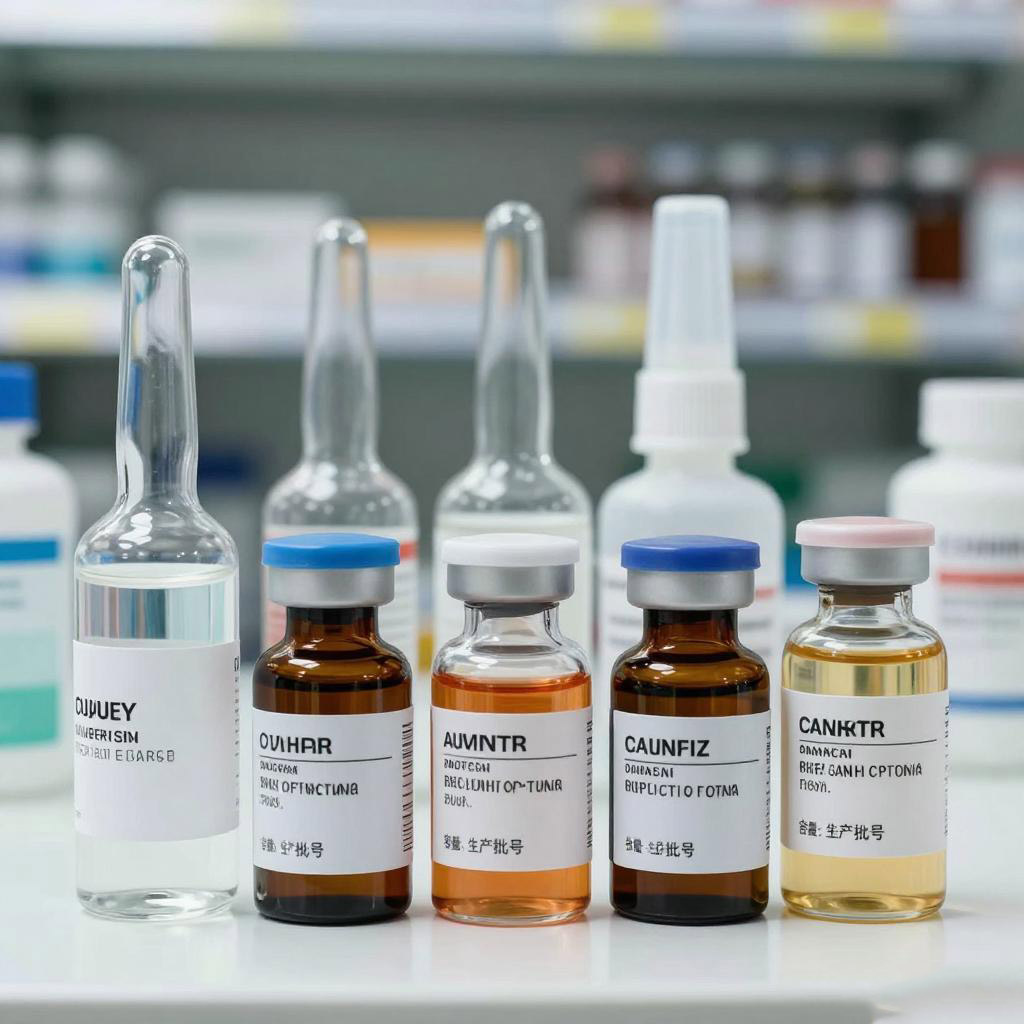
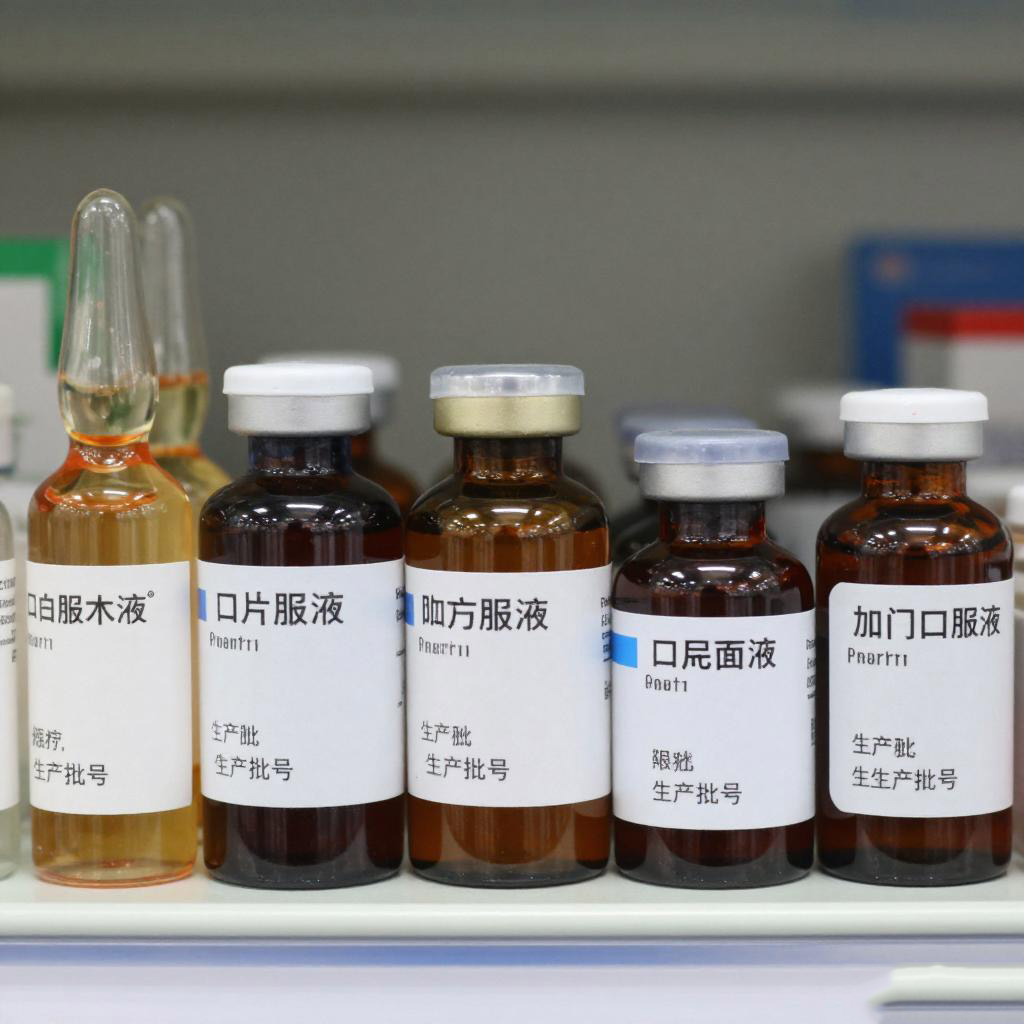
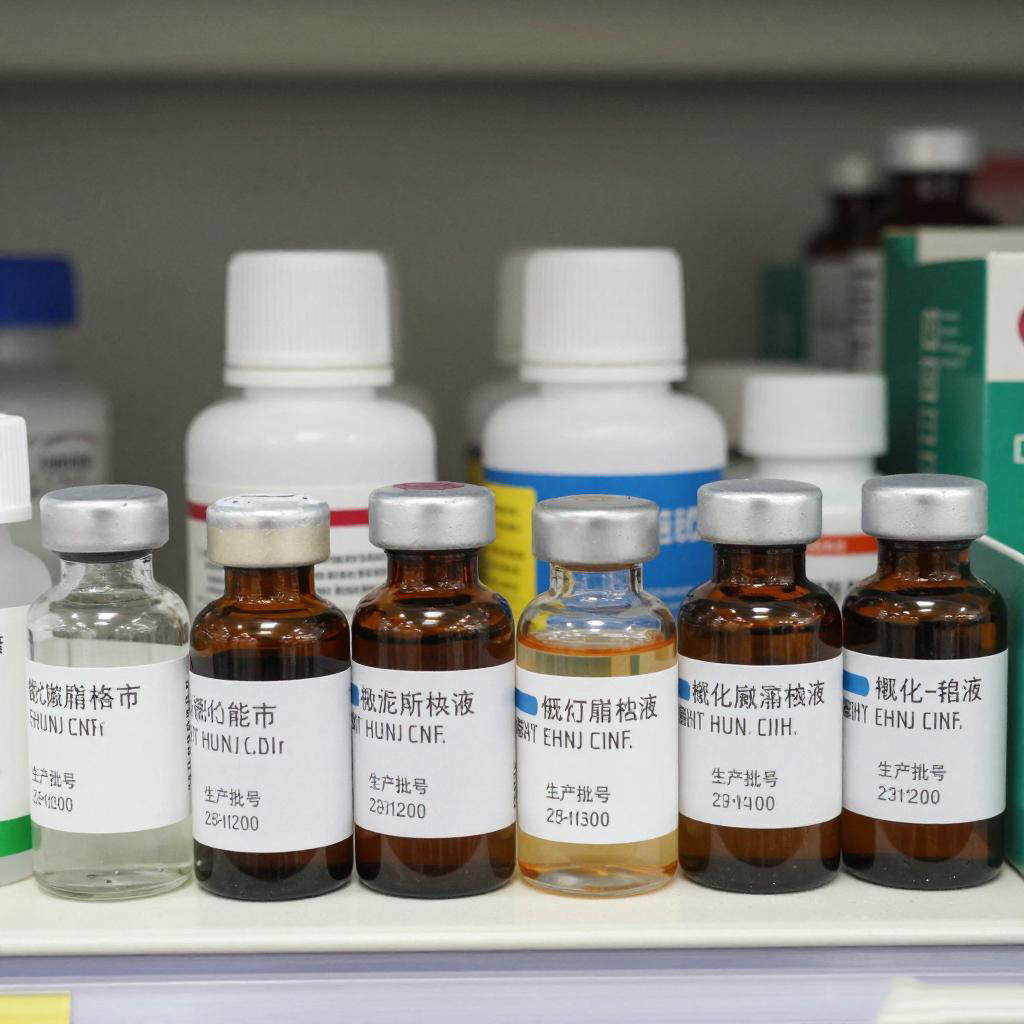
Vials are widely used in pharmaceutical, biotechnology, healthcare, and laboratory industries for packaging vaccines, injectable medicines, reagents, and other liquid products. Due to their small diameter and strict labeling requirements, vial labeling requires high positioning accuracy, stable product handling, and reliable label application performance.
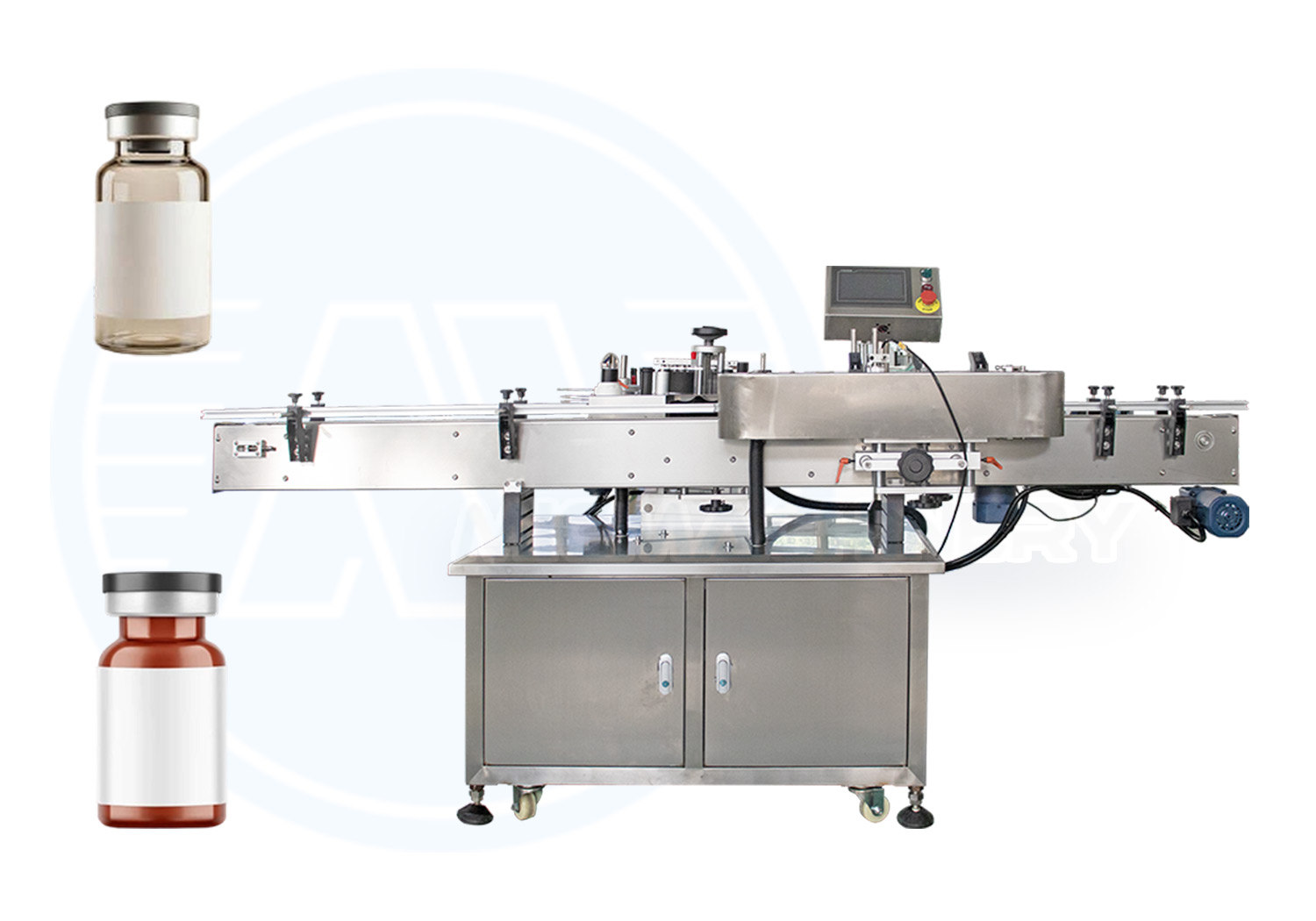
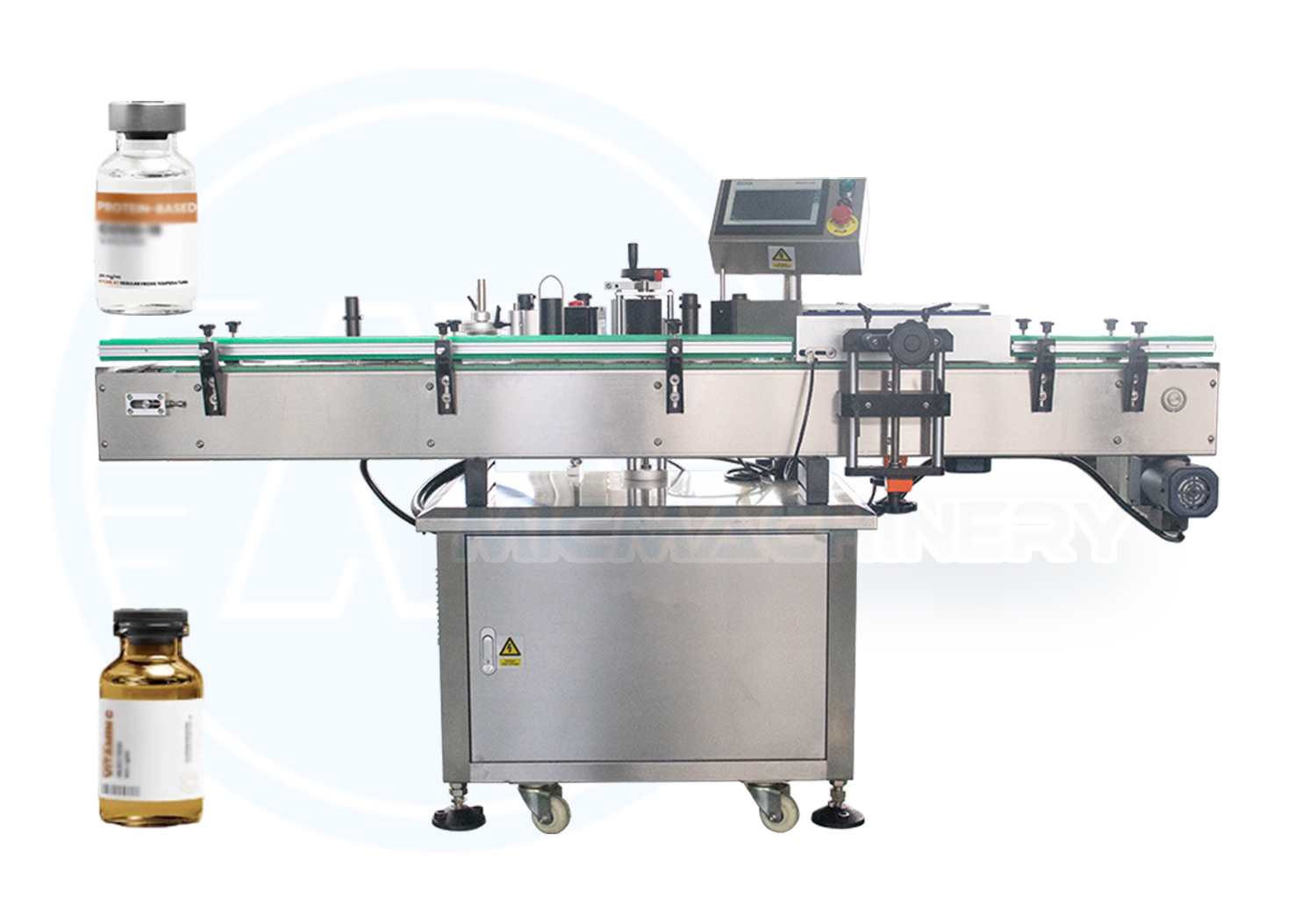
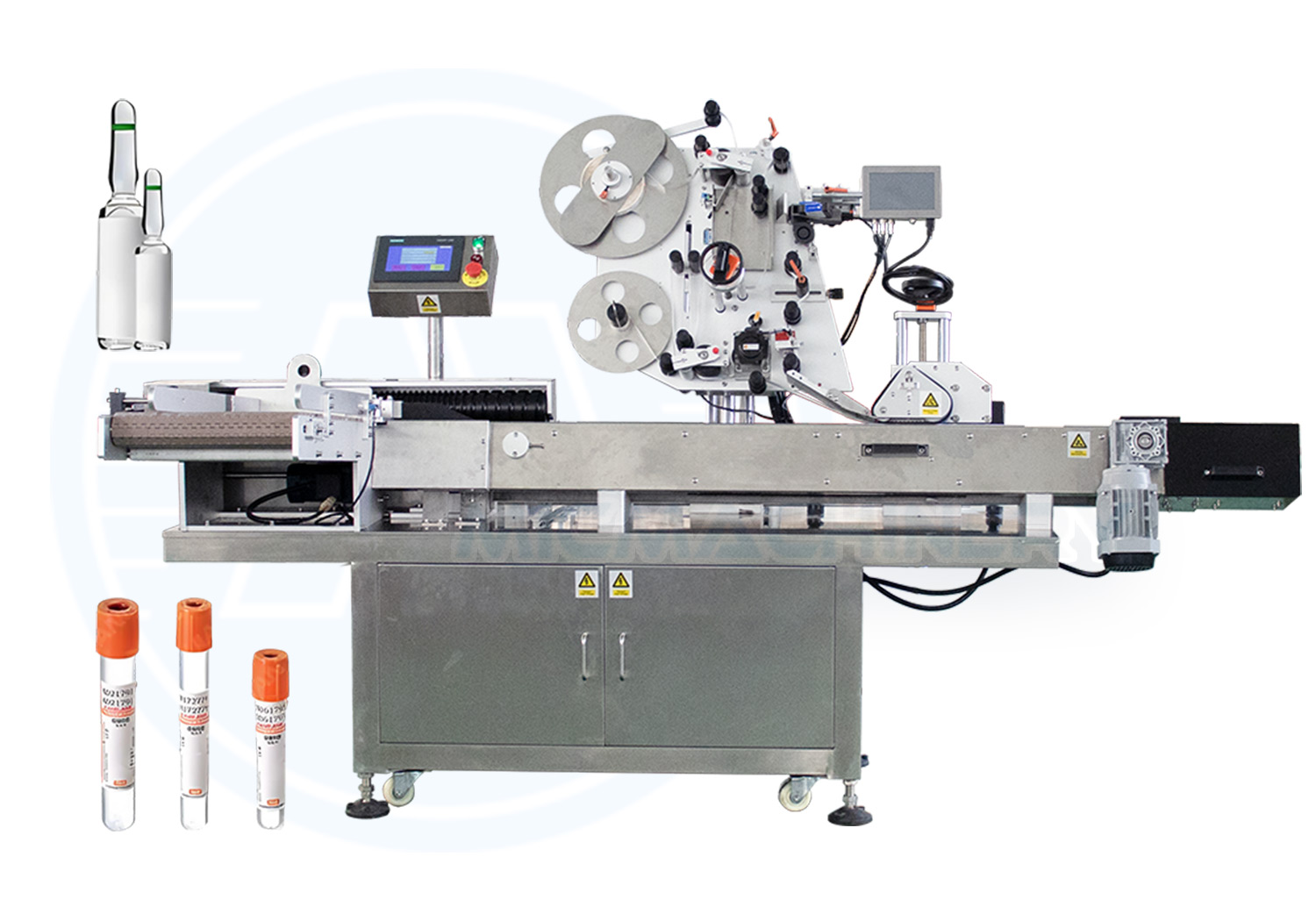
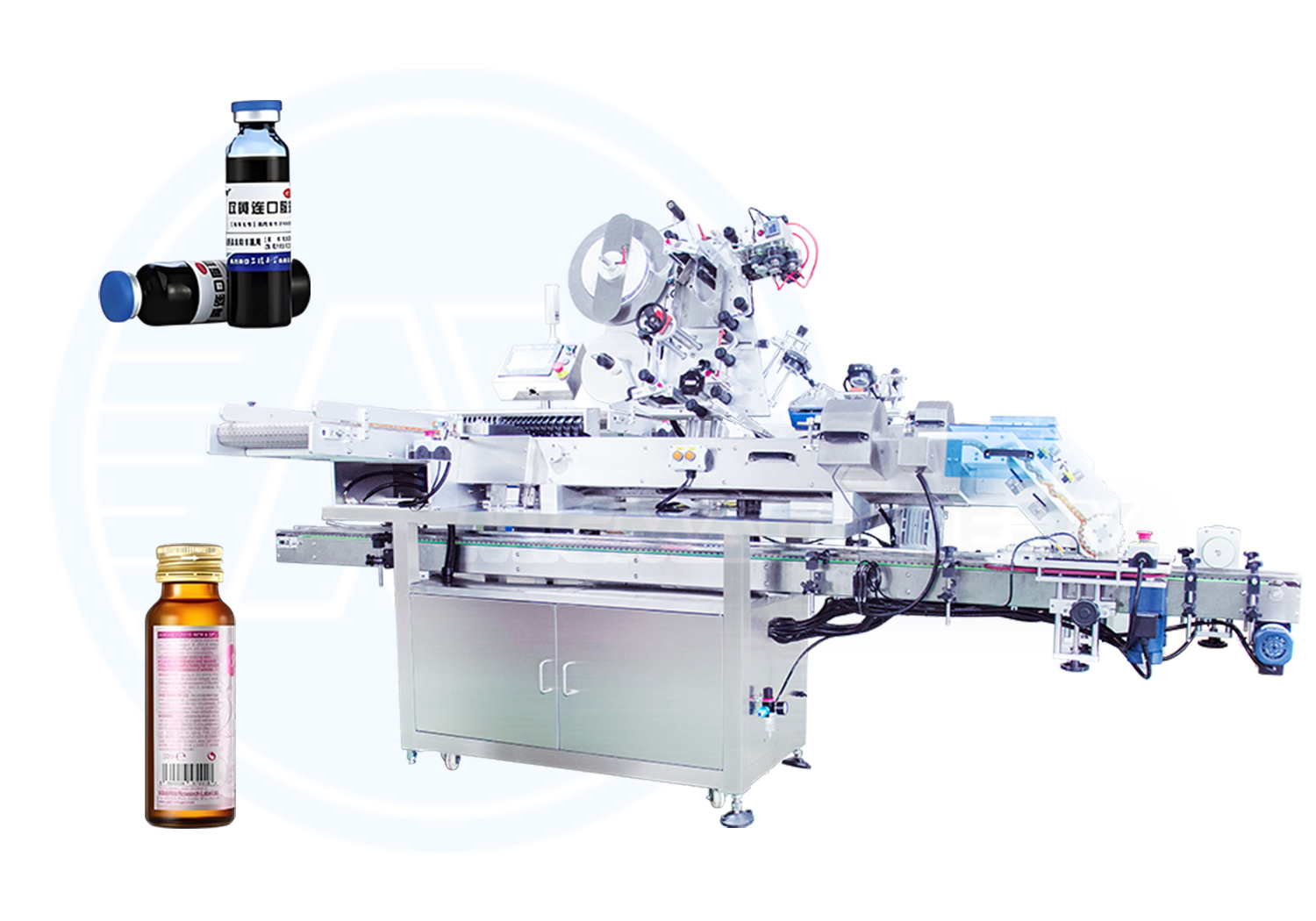
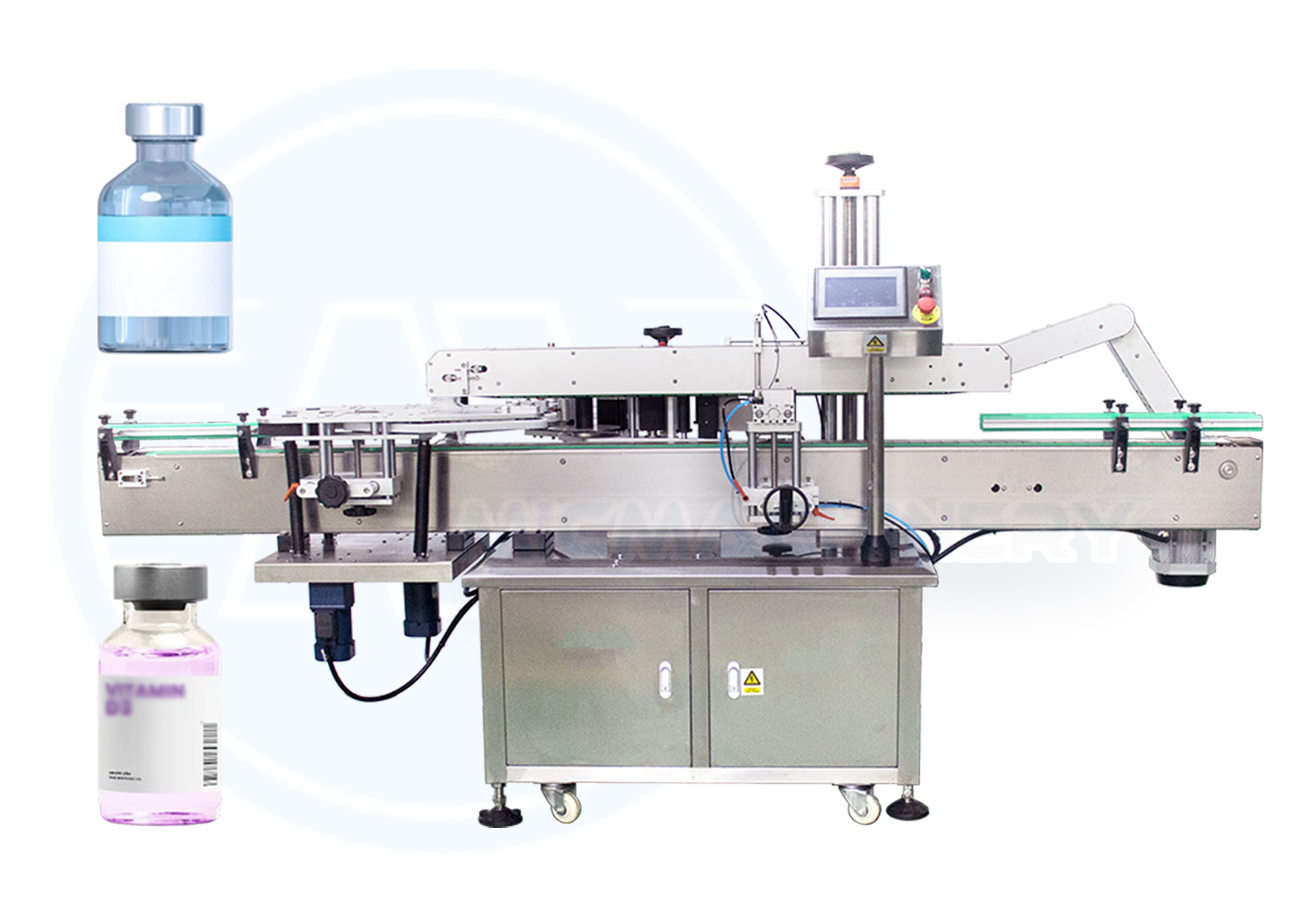
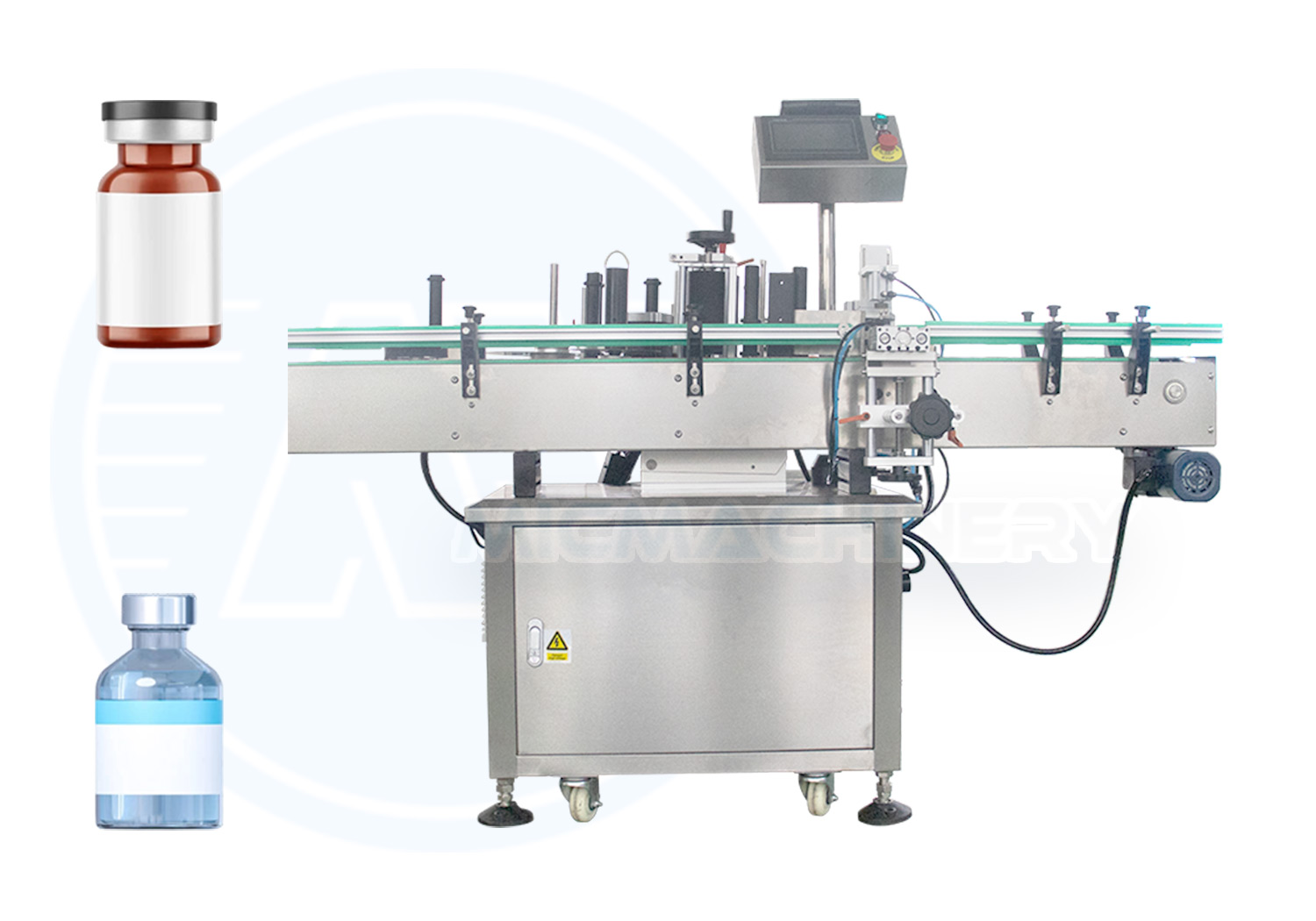
The Vial Labeling Machine from MIC Machinery is designed for automatic labeling of cylindrical vials, bottles, and small containers. It provides precise wrap-around labeling for glass or plastic vials while maintaining consistent label placement at high production speeds. The machine is suitable for pharmaceutical production lines, laboratory packaging operations, and medical product manufacturers requiring accurate identification and traceability.
With servo-controlled labeling technology, intelligent detection systems, and flexible configuration options, the machine helps manufacturers achieve stable labeling performance for different vial sizes and packaging materials.
Working Process
The vial labeling process begins with automatic feeding of vials into the conveyor system. Depending on production requirements, vials can be supplied by a vibrating bowl feeder, rotary table, or connected upstream filling and capping equipment.
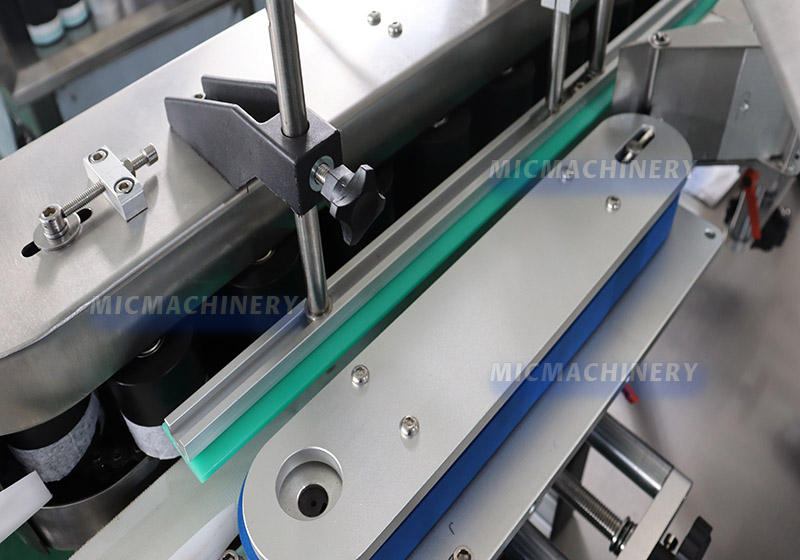
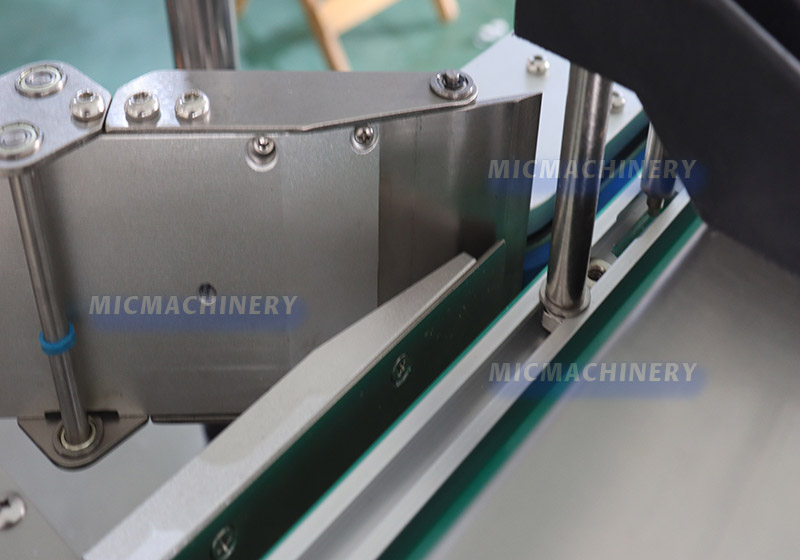
After entering the labeling station, guide mechanisms align the vials and maintain stable spacing between containers. A photoelectric sensor detects each vial and sends a signal to the PLC control system.
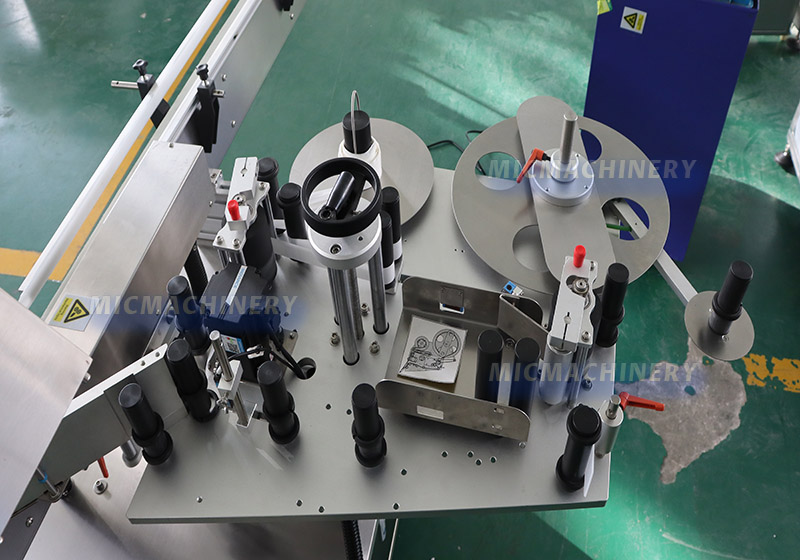
When the vial reaches the correct labeling position, the servo motor activates the label dispensing mechanism. The label is released from the backing paper and accurately applied onto the vial surface while the container rotates at a controlled speed.
The rotating mechanism ensures that the label wraps evenly around the vial without wrinkles, bubbles, or position deviation. For pharmaceutical applications, this controlled movement is important for maintaining barcode readability and ensuring that product information remains correctly positioned.
After labeling, optional inspection systems check label presence, position accuracy, and printed information. Any defective vial can be automatically removed through a reject mechanism before entering the next packaging stage.
The labeled vials are then transferred to downstream processes such as cartoning, secondary packaging, or storage.
Video Demonstration
Applications
The Vial Labeling Machine is mainly used for industries where small cylindrical containers require accurate identification and traceability.
Typical applications include:
Pharmaceutical injection vials
Vaccine vials
Laboratory reagent bottles
Medical sample containers
Cosmetic serum bottles
Essential oil vials
Biotechnology products
Veterinary medicine vials
Chemical sample containers
Healthcare product packaging
The machine supports different materials including glass, plastic, and composite vial containers.
Customization Options
MIC Machinery provides customized vial labeling solutions based on production conditions and product requirements.
Automatic Feeding System
Different feeding methods can be configured, including rotary feeders, vibrating bowl feeders, and conveyor connections.
High-Precision Positioning
Customized positioning devices ensure accurate label placement for small-diameter vials.
Barcode and Vision Inspection
Camera inspection systems can verify barcode readability, label position, and printing quality.
Printing Integration
The machine can integrate thermal transfer printers or inkjet printers for batch numbers, production dates, and traceability codes.
Multi-Size Production
Adjustable components allow quick changeover between different vial sizes.
Production Line Integration
The labeling machine can connect with filling, stoppering, capping, inspection, and cartoning systems to create a complete automated packaging line.
Maintenance and Operation
Regular maintenance is essential for maintaining labeling accuracy and extending equipment service life.
Daily cleaning should include removal of dust, adhesive residue, and product particles from the labeling head, rollers, conveyor system, and sensors. Clean sensor surfaces are especially important because detection accuracy directly affects label positioning.
Weekly inspections should check label feeding tension, roller condition, conveyor alignment, and mechanical fastening points. Any worn components should be replaced promptly to prevent production interruptions.
Servo motors, drive systems, and moving parts should be inspected according to the recommended maintenance schedule. Electrical components such as PLC modules and control panels should be kept dry and protected from contamination.
A preventive maintenance program helps ensure stable operation and reduces unexpected downtime during continuous pharmaceutical production.
FAQ
Q1: What types of vials can the machine label? The machine can label glass and plastic cylindrical vials used in pharmaceutical, medical, laboratory, and cosmetic industries.
Q2: What labeling accuracy can be achieved? The standard labeling accuracy can reach approximately ±0.5 mm depending on vial size, label material, and production speed.
Q3: Can the machine handle transparent labels? Yes. Optional transparent label detection sensors are available for clear label applications.
Q4: Can batch numbers and barcodes be printed during labeling? Yes. Printing systems can be integrated for batch coding, date printing, and traceability information.
Q5: Is the machine suitable for pharmaceutical production? Yes. The stainless steel structure and precision control system make it suitable for pharmaceutical and healthcare packaging environments.
Q6: Can it be connected with filling and capping machines? Yes. The machine can be integrated into complete vial filling, capping, inspection, and packaging lines.
Vial Labeling Machine Solutions from MIC Machinery
The MIC Machinery Vial Labeling Machine provides a precise and reliable solution for automatic labeling of small cylindrical containers. Through accurate positioning, servo-controlled operation, and customizable automation options, it supports pharmaceutical, medical, laboratory, and healthcare manufacturers requiring consistent labeling quality and efficient production performance.