Hot Melt Glue Labeling Machine——Automatic Hot Melt Adhesive Labeling System
Hot melt glue labeling technology is widely used in high-speed packaging lines where manufacturers require reliable label application, strong adhesion, and efficient material usage. Unlike pressure-sensitive labels, hot melt labeling uses heated adhesive to bond paper or plastic labels onto containers, making it suitable for large-volume production environments.
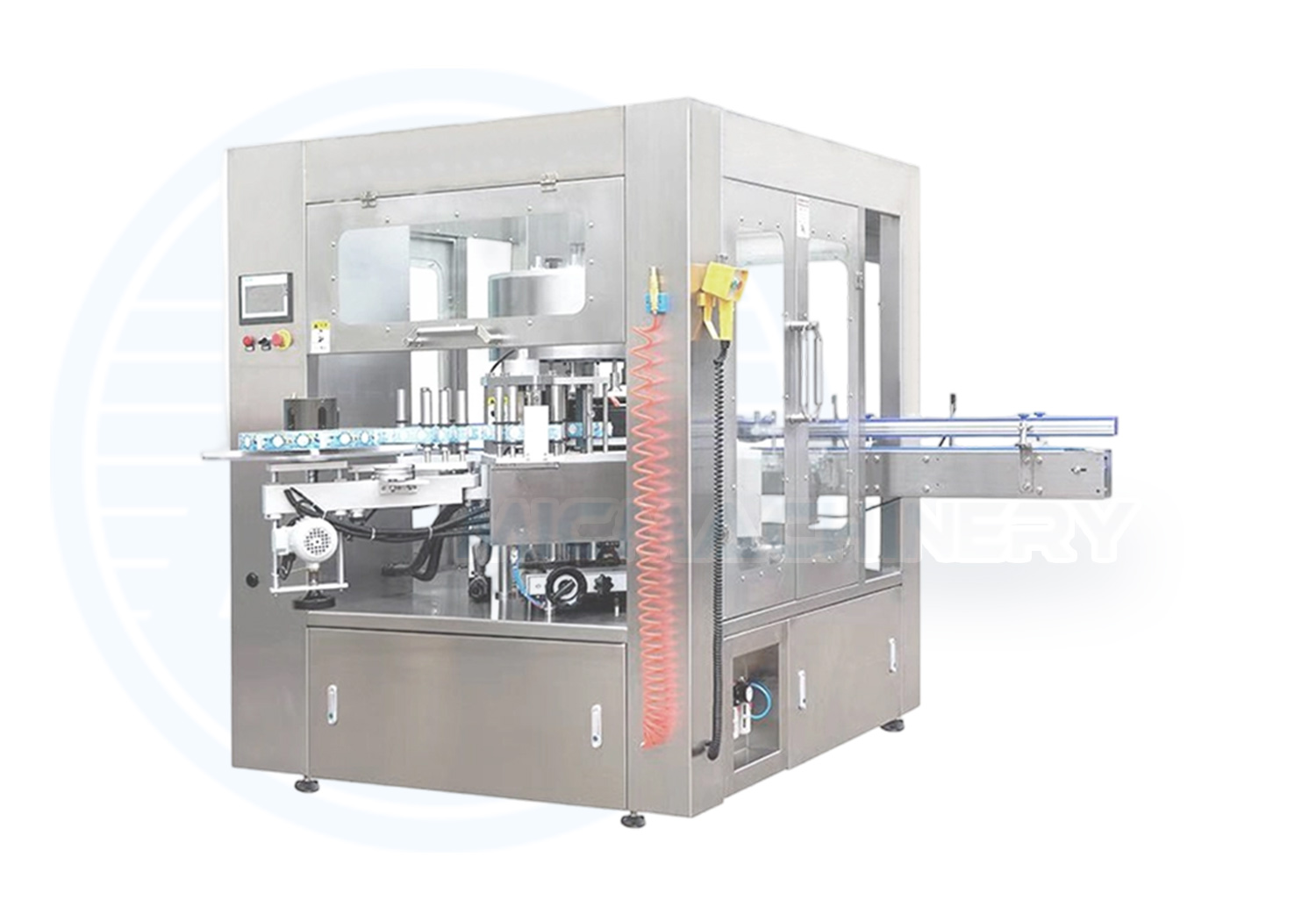
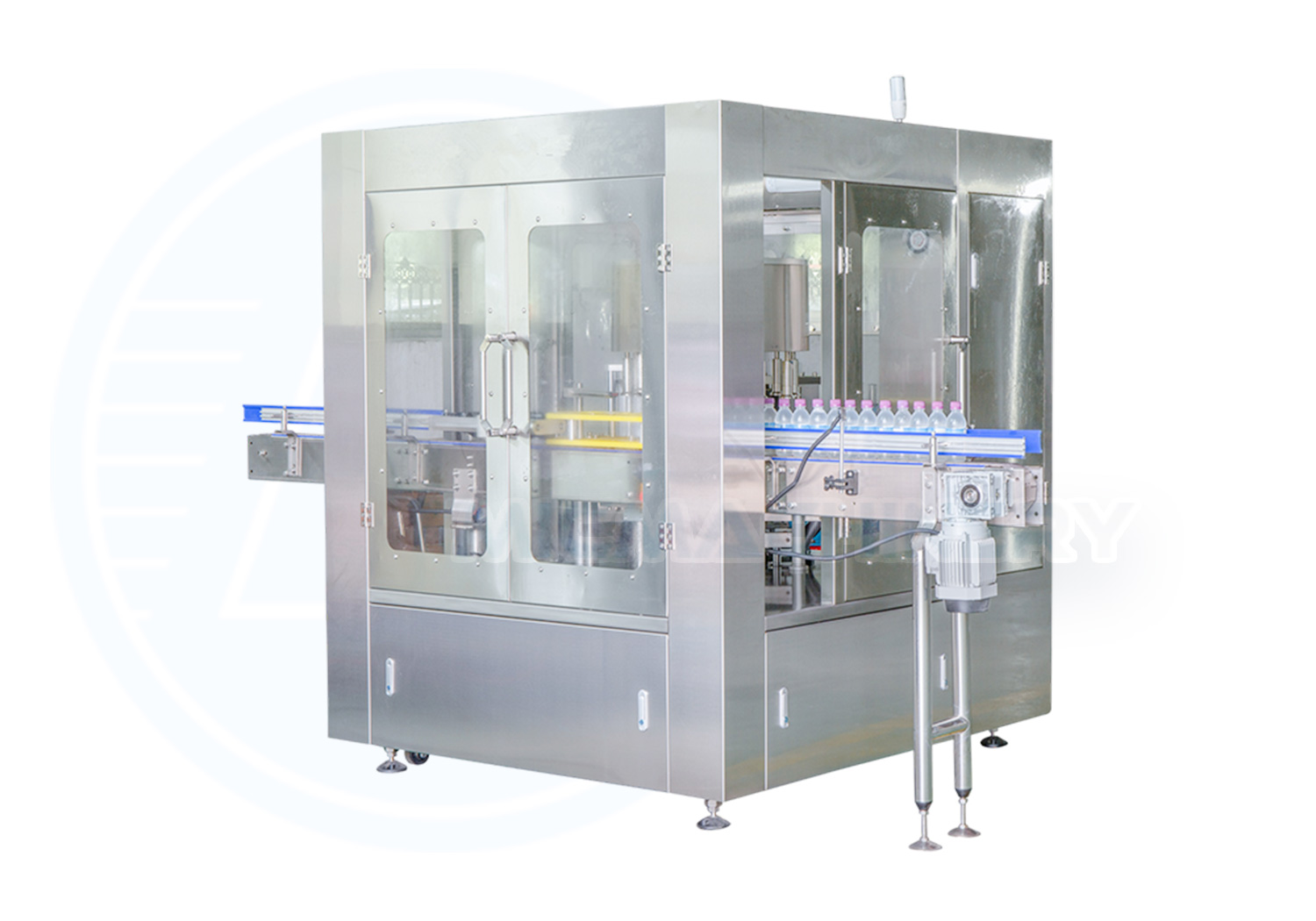
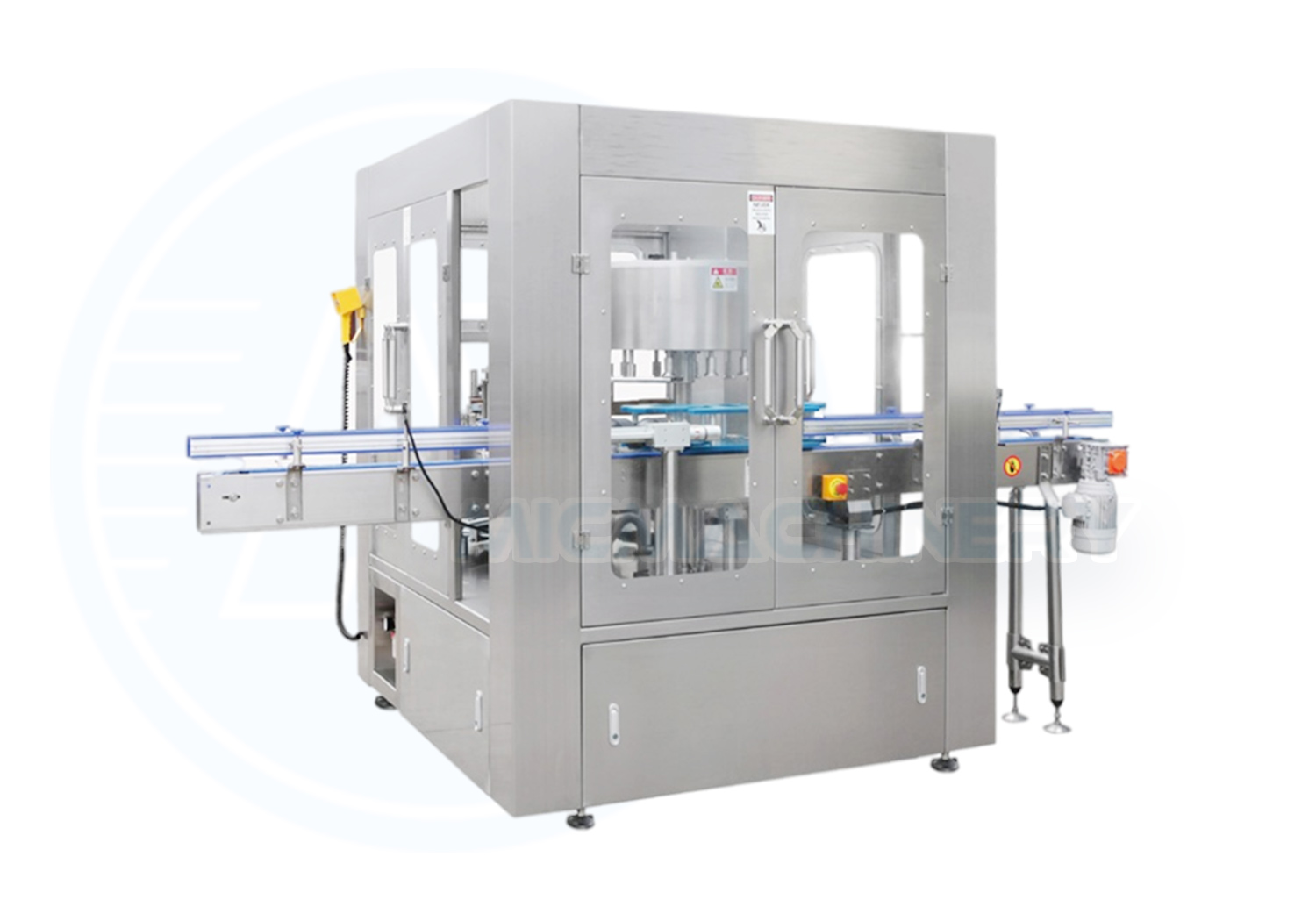
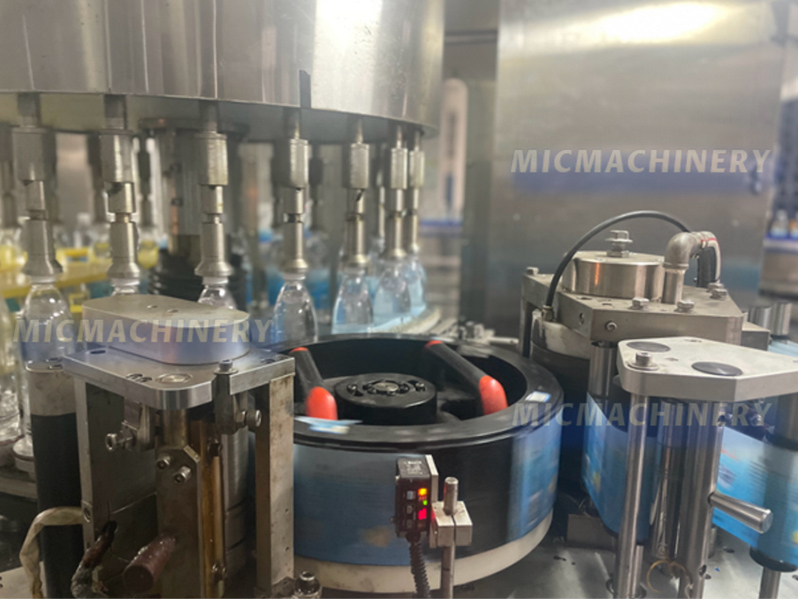
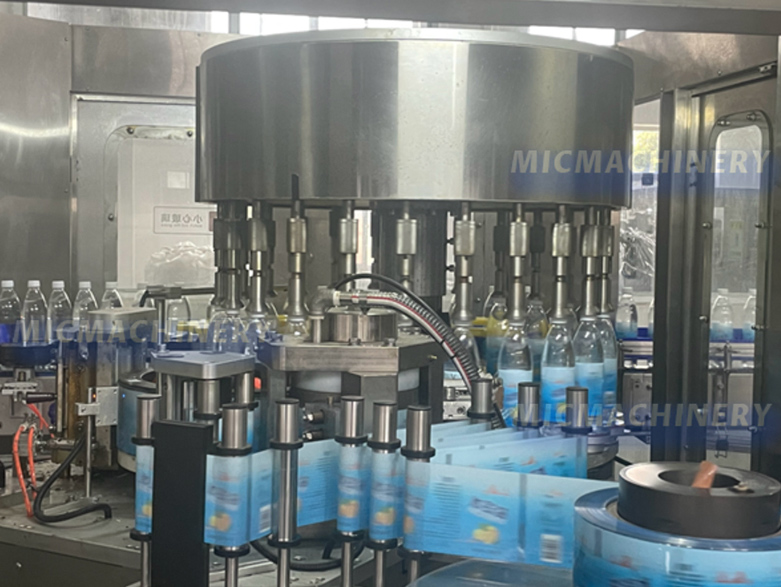
The Hot Melt Glue Labeling Machine from MIC Machinery is designed for automatic labeling of bottles, cans, jars, and containers in industries such as beverages, food, chemicals, and daily products. The system applies hot melt adhesive precisely to the label or container surface before wrapping the label around the product.
With accurate adhesive control, stable container handling, and continuous operation capability, hot melt labeling equipment is commonly used in high-speed production lines where labeling efficiency and cost control are important factors.
Working Process
The hot melt glue labeling process starts when containers enter the machine through the conveyor system. Guide rails and positioning devices ensure that each container moves smoothly into the labeling station.
At the same time, the label roll is continuously fed through the label supply mechanism. The labeling system cuts or separates labels according to the preset length and transfers them toward the adhesive application area.
The hot melt glue system heats the adhesive to the required temperature. A controlled amount of glue is applied to the label edge or designated bonding area through a glue roller or nozzle system.
The container contacts the adhesive-coated label and rotates through the wrapping section. The label is tightly attached around the container surface while the adhesive cools and solidifies quickly.
The machine uses precise speed synchronization between the conveyor, label feeding system, and glue application system. This prevents label overlap, insufficient bonding, or adhesive waste.
After labeling, finished products continue to the next production process, such as inspection, packing, or palletizing.
For high-speed production lines, automatic glue temperature control and adhesive supply monitoring help maintain stable labeling quality during long operating periods.
Video Demonstration
Applications
Hot melt glue labeling machines are mainly used in industries requiring high-speed labeling and reliable adhesive performance.
Beverage Industry
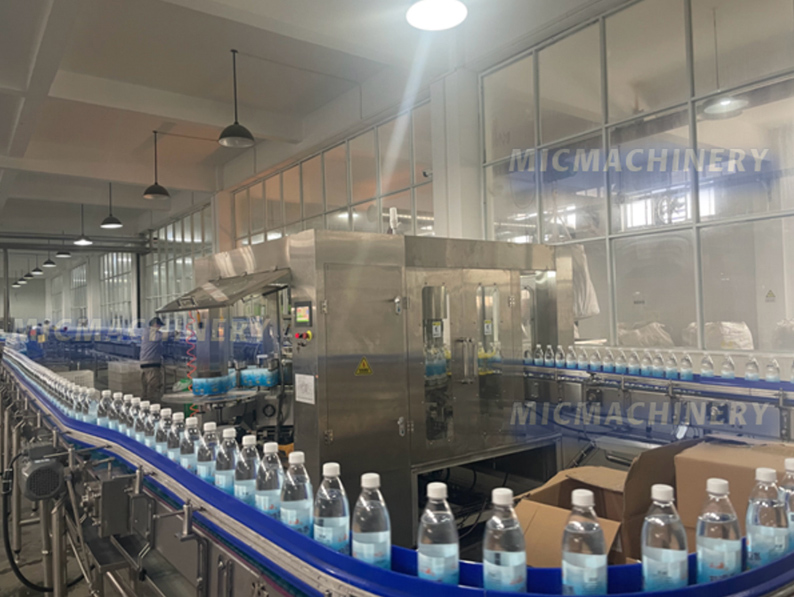
Mineral water bottles
Juice bottles
Carbonated drink containers
Dairy beverage packaging
Beer bottles
Food Industry
Sauce bottles
Cooking oil containers
Food jars
Seasoning packaging
Canned food containers
Chemical Industry
Detergent bottles
Cleaning product containers
Lubricant packaging
Industrial chemical bottles
Daily Chemical Industry
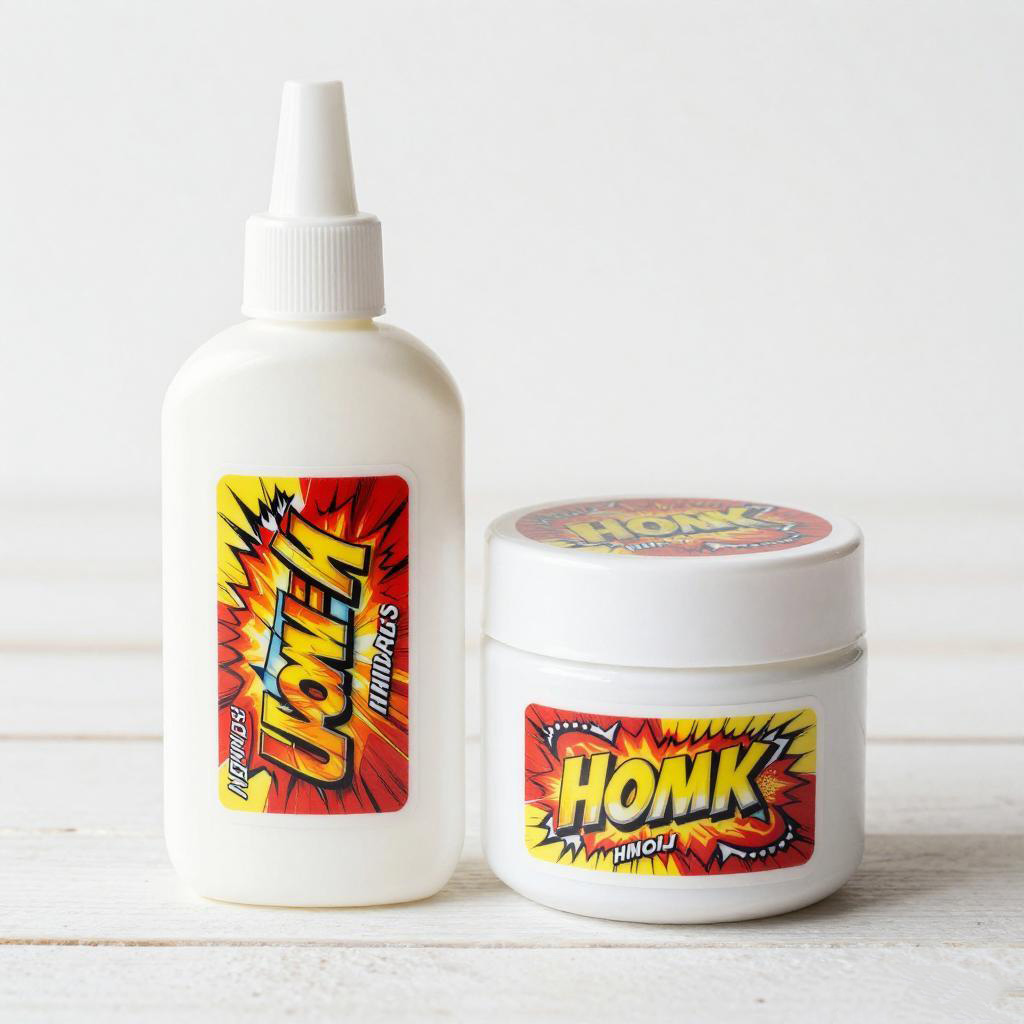
Shampoo bottles
Body care products
Household products
Other Applications
Plastic containers
Glass bottles
Metal cans
Large-volume packaging products
Hot melt labeling is particularly suitable for manufacturers requiring fast labeling speeds, reduced adhesive consumption, and stable production performance.
Customization Options
MIC Machinery provides customized hot melt glue labeling solutions according to specific production conditions.
Container Size Adjustment
The machine can be designed for different bottle diameters, heights, and container shapes.
High-Speed Labeling Configuration
For large-scale production, the labeling system can be equipped with higher-speed components, automatic glue control, and advanced synchronization systems.
Adhesive System Selection
Different hot melt glue systems can be configured according to label material, production environment, and bonding requirements.
Integration with Production Lines
The machine can be connected with filling machines, capping machines, conveyor systems, and packaging equipment.
Inspection and Coding Functions
Optional systems include barcode inspection, label position detection, date printing, and automatic rejection devices.
Maintenance and Operation
Regular maintenance ensures stable labeling accuracy and extends machine service life.
The hot melt glue system should be cleaned regularly to prevent adhesive buildup on glue rollers, nozzles, and application components. Excess adhesive may affect labeling quality and increase material consumption.
Operators should check label feeding components, cutting mechanisms, and guide rollers regularly to ensure smooth operation. Worn mechanical parts should be replaced promptly to avoid production interruptions.
Temperature control systems require periodic inspection because incorrect adhesive temperature can influence bonding strength. The heating unit, sensors, and controllers should remain in good working condition.
Electrical components, including PLC systems, motors, and control panels, should be checked according to the maintenance schedule.
Proper lubrication of moving mechanical parts also helps maintain stable operation during continuous production.
FAQ
Q1: What is a hot melt glue labeling machine? It is an automatic labeling machine that uses heated adhesive to attach labels onto containers.
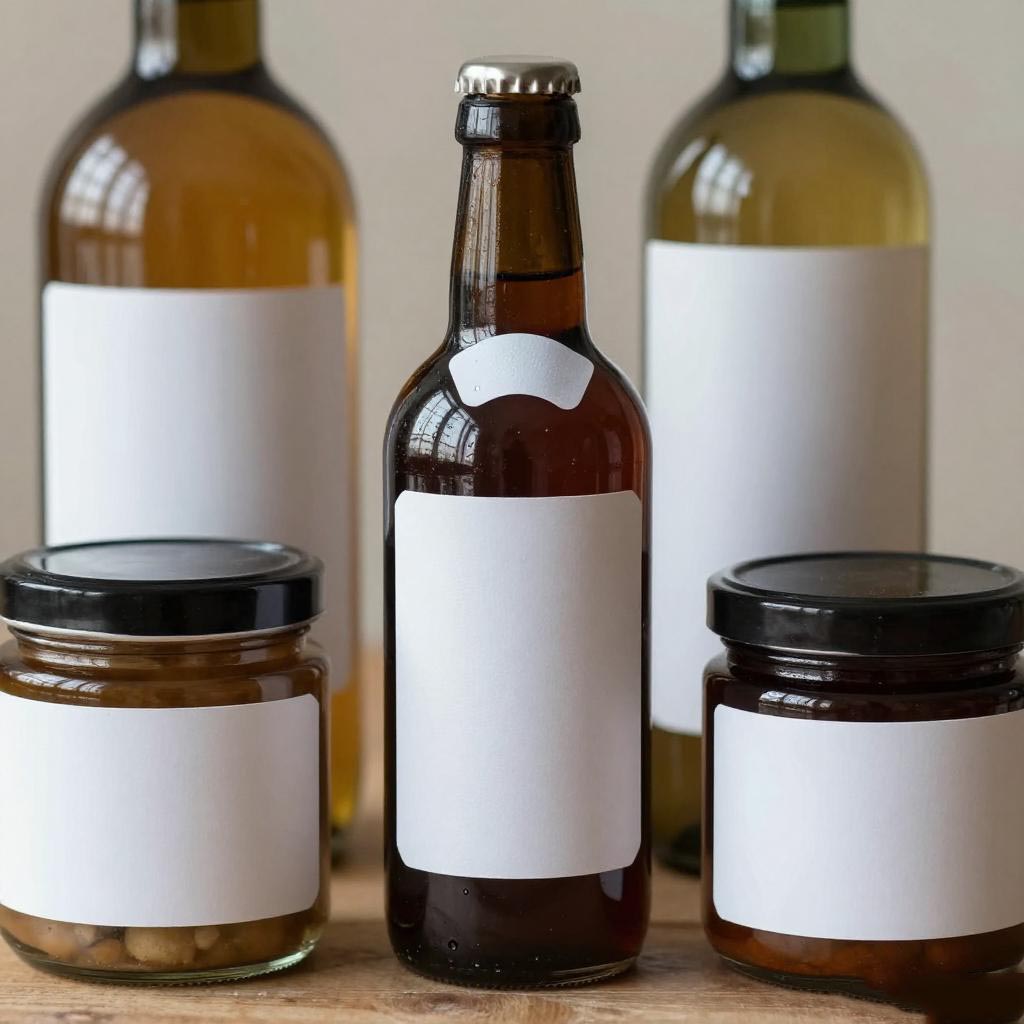
Q2: What products can use hot melt labeling? It is commonly used for bottles, cans, jars, and round containers in beverage, food, chemical, and daily product industries.
Q3: What are the advantages of hot melt glue labeling?
It provides fast bonding, strong adhesion, and efficient label application for high-speed production lines.
Q4: Can the machine use different label materials? Yes. The machine can work with suitable paper and plastic film labels according to production requirements.
Q5: Can the labeling speed be customized? Yes. The machine can be configured according to required production capacity and packaging line speed.
Q6: Can it be integrated with other machines? Yes. It can connect with filling, capping, inspection, and packing equipment to form an automated production line.
Hot Melt Glue Labeling Machine Solutions from MIC Machinery
The MIC Machinery Hot Melt Glue Labeling Machine is designed for manufacturers requiring efficient and stable labeling solutions for high-volume production. With precise adhesive control, reliable mechanical operation, and flexible customization options, it provides a practical labeling system for modern industrial packaging applications.