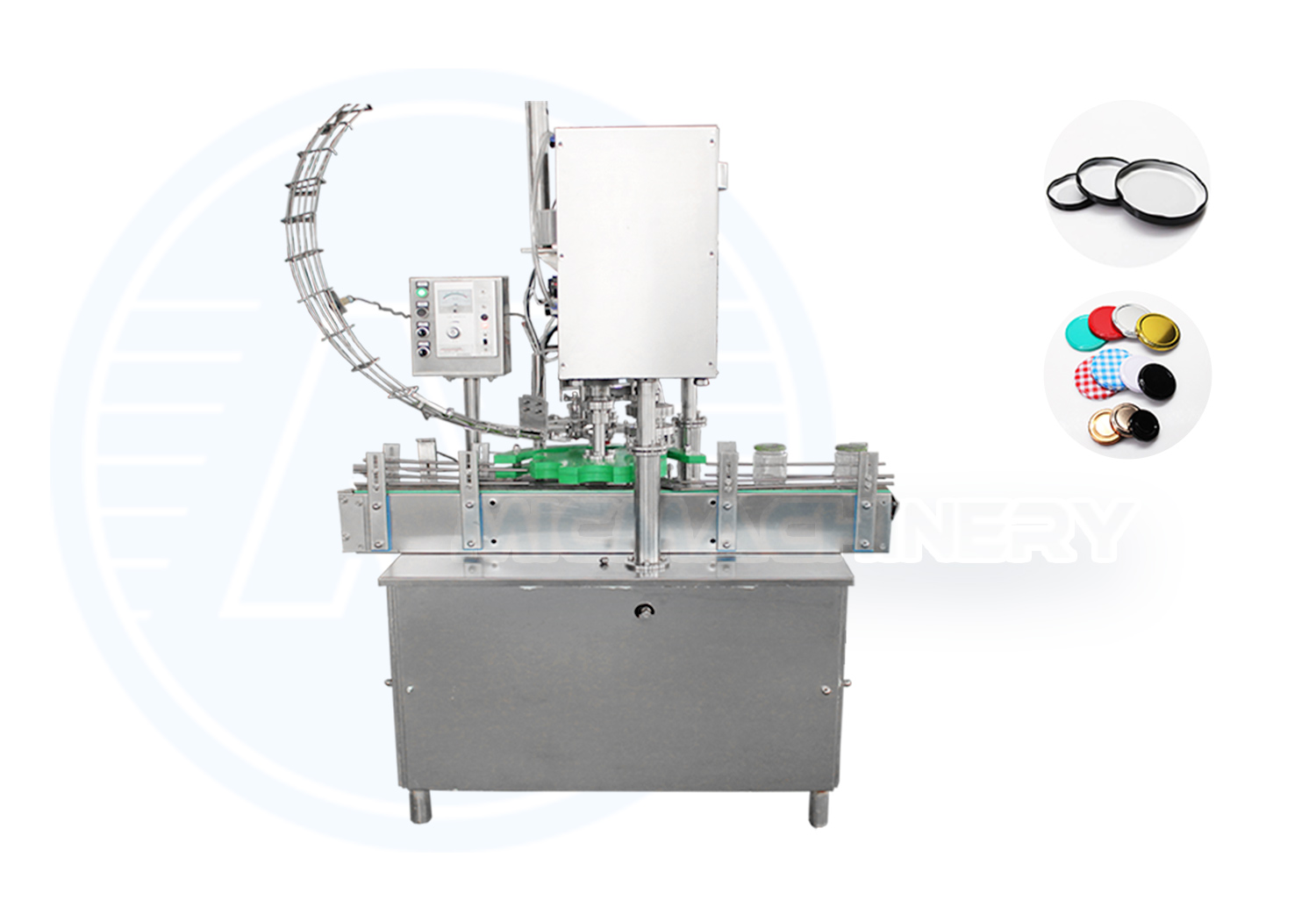
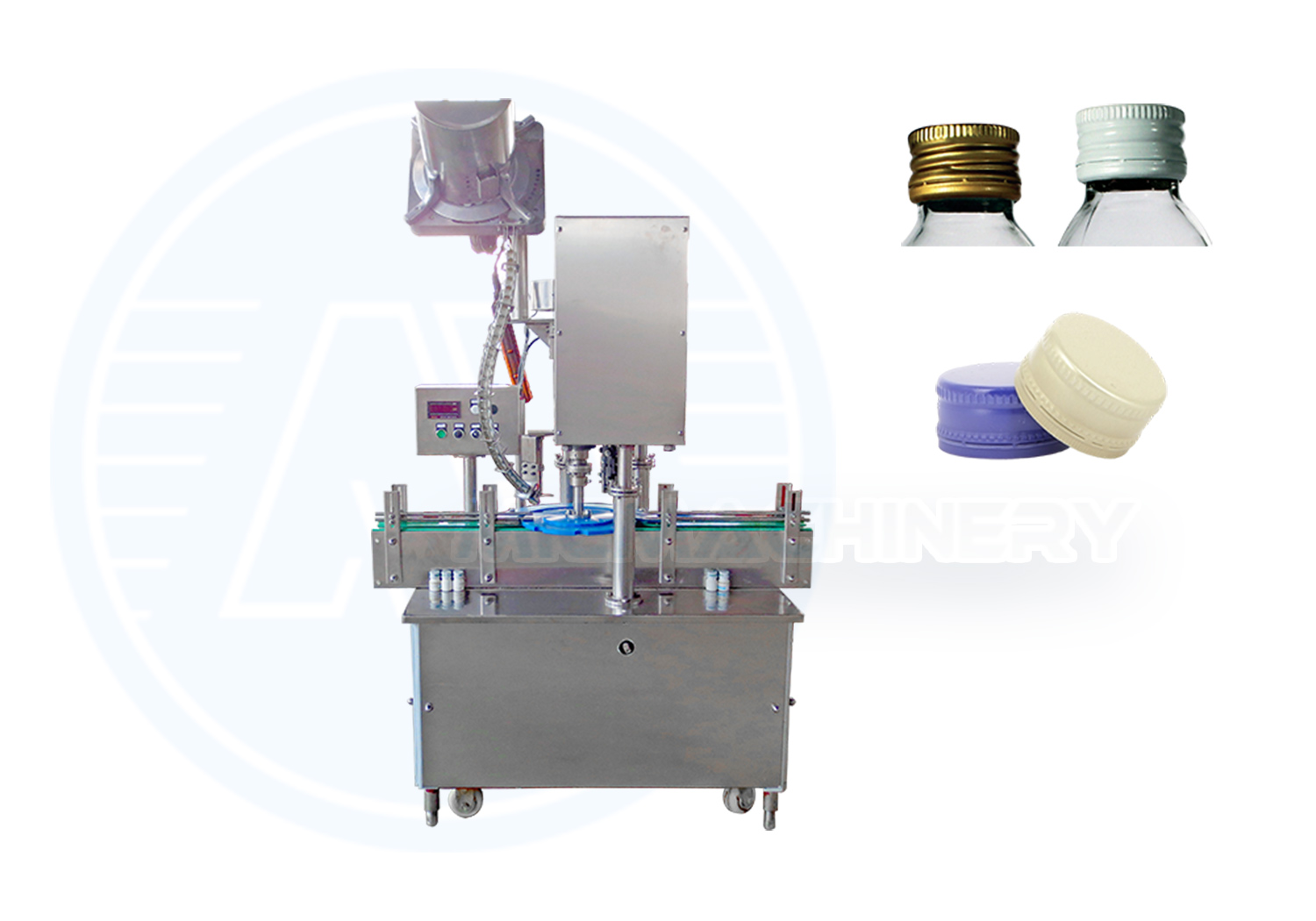
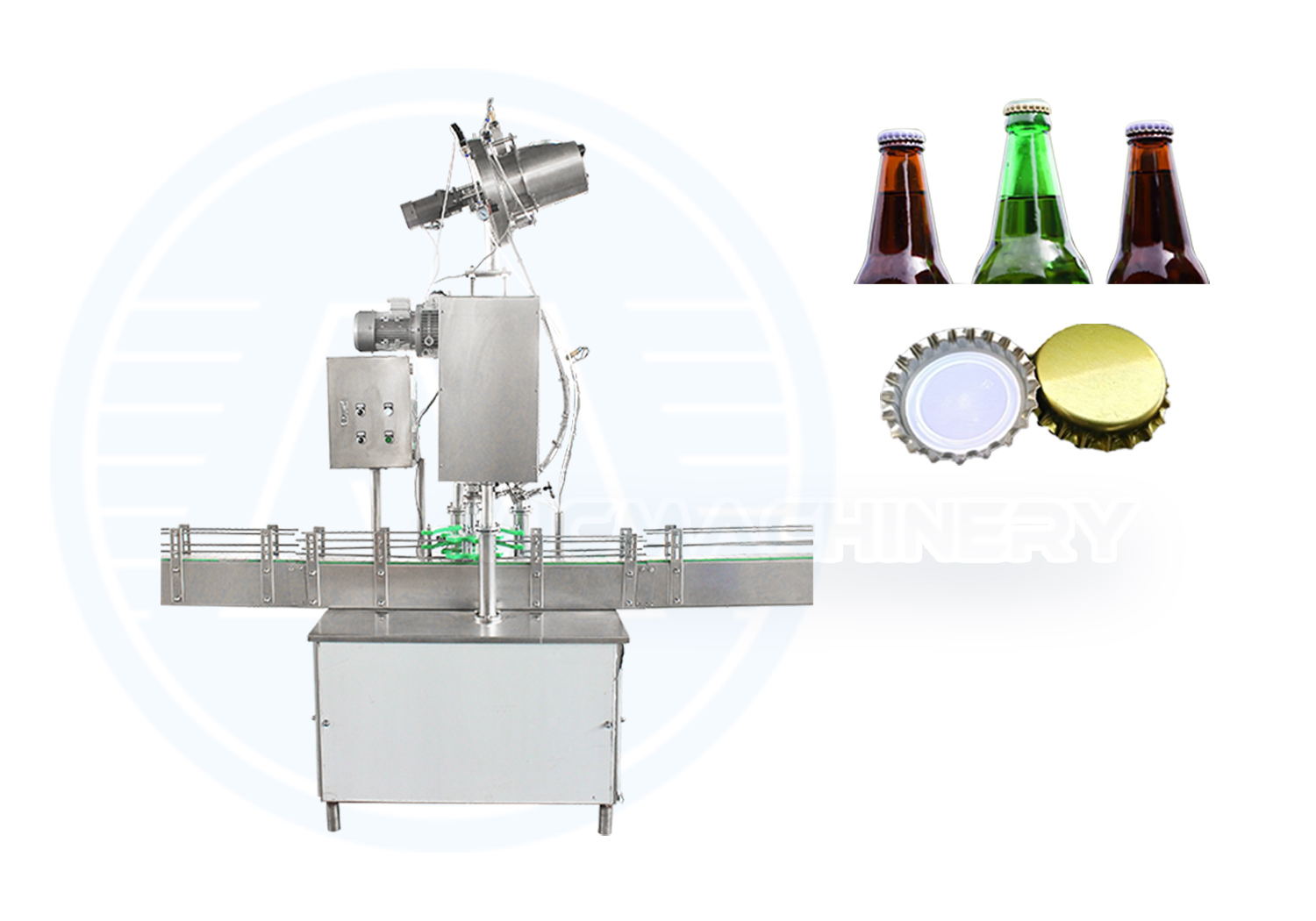
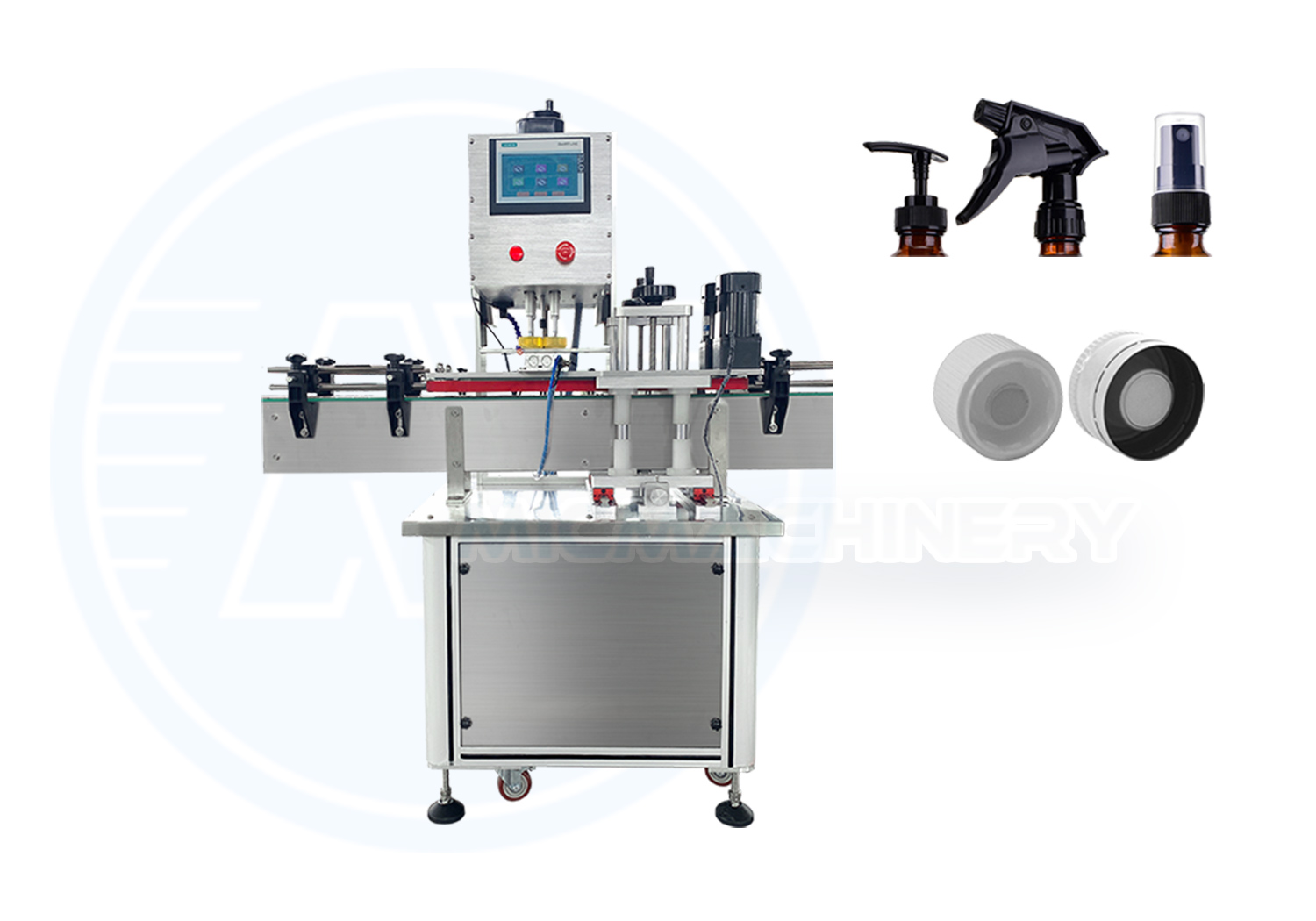
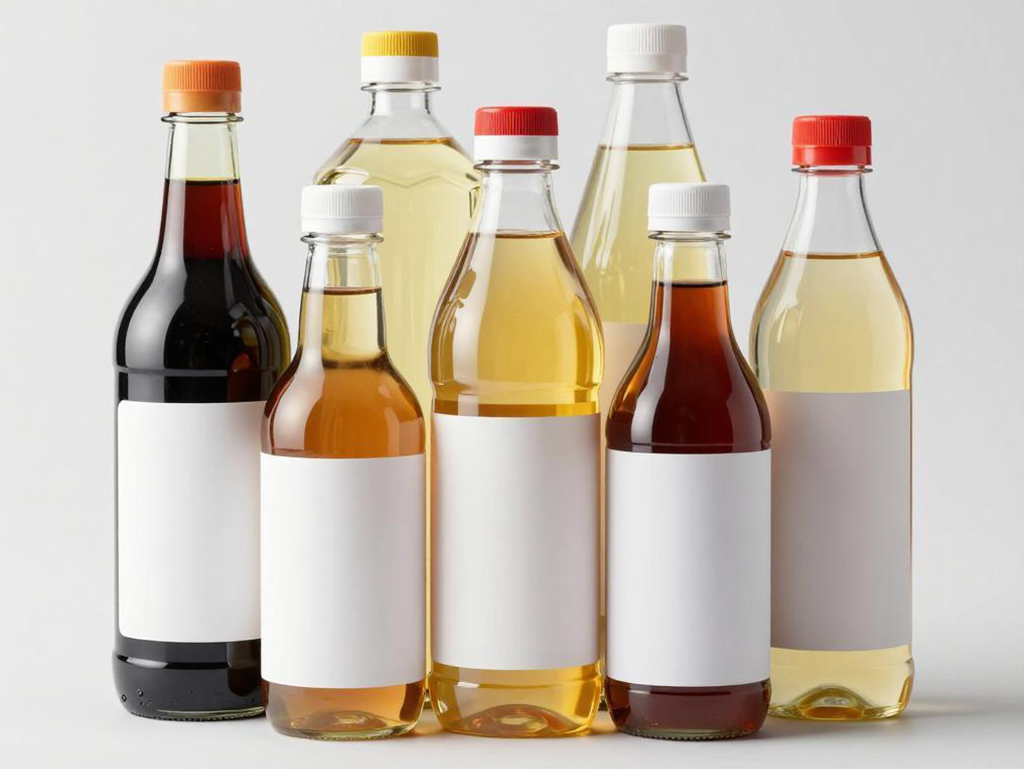
Bottle Sealer——Industrial Sealing Equipment for Liquid Packaging Lines
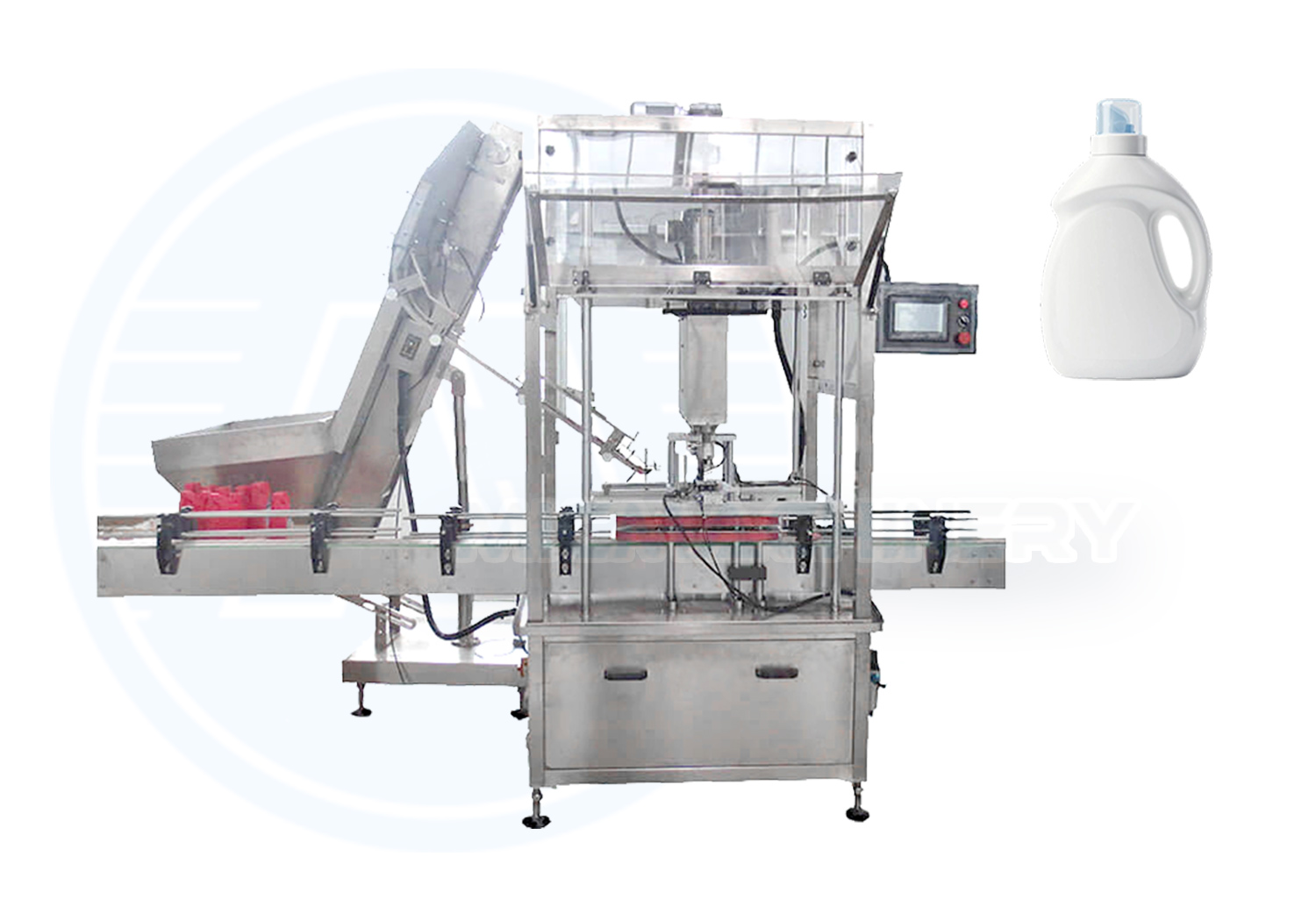
In liquid packaging production, sealing is the final and most critical step before products leave the filling line. The Bottle Sealer is designed to ensure that containers are tightly closed, leak-free, and stable during storage and transportation. Unlike manual sealing methods, industrial sealing systems provide consistent pressure control and repeatable performance across continuous production.
The bottle sealing process is designed to ensure stable closure without damaging the container or cap structure.
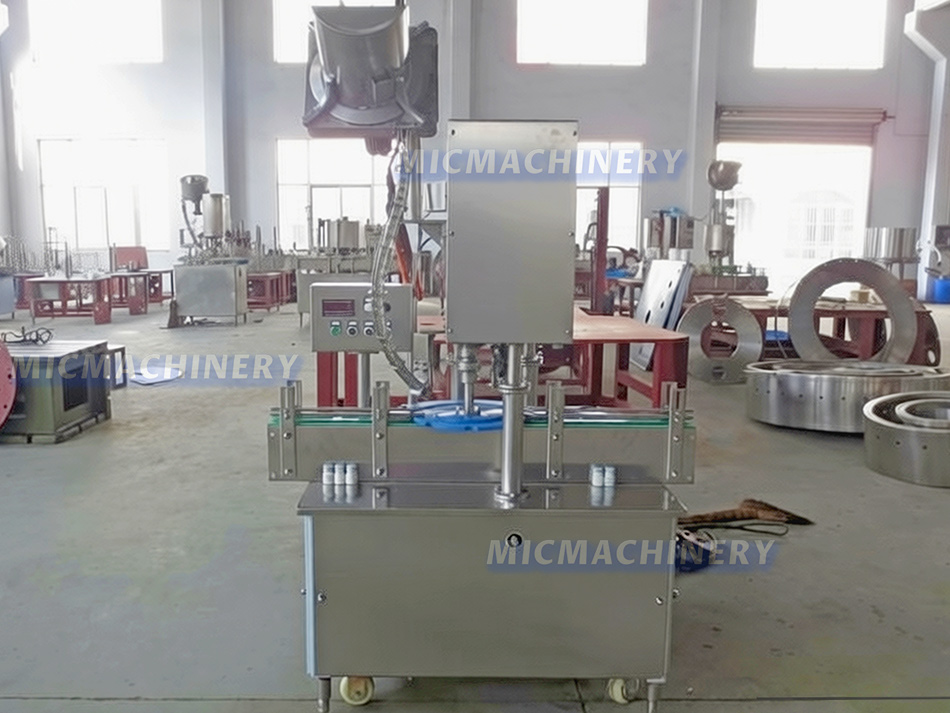
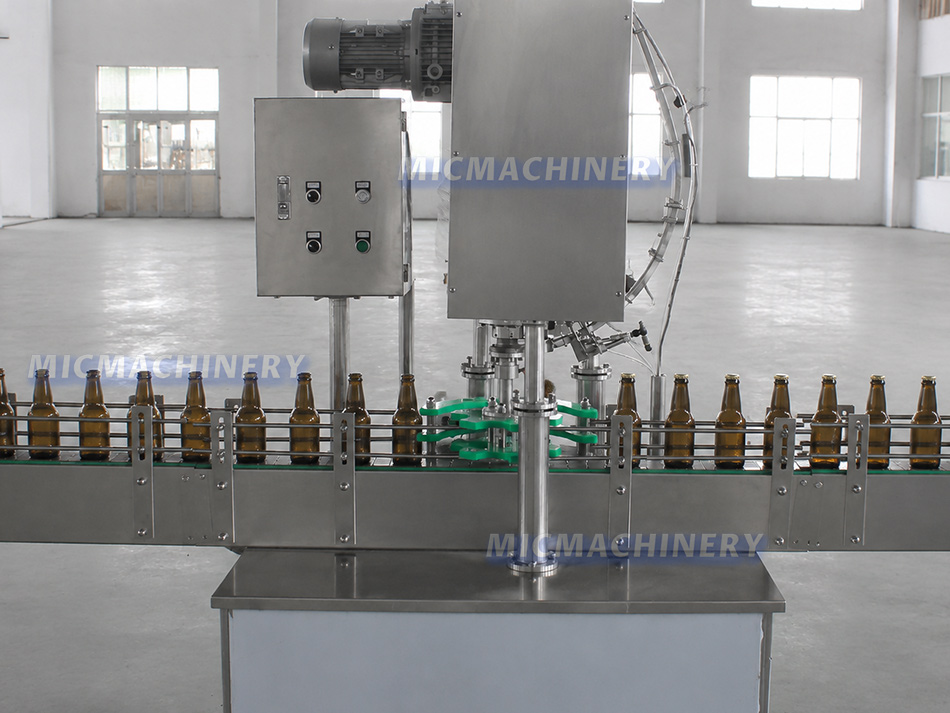
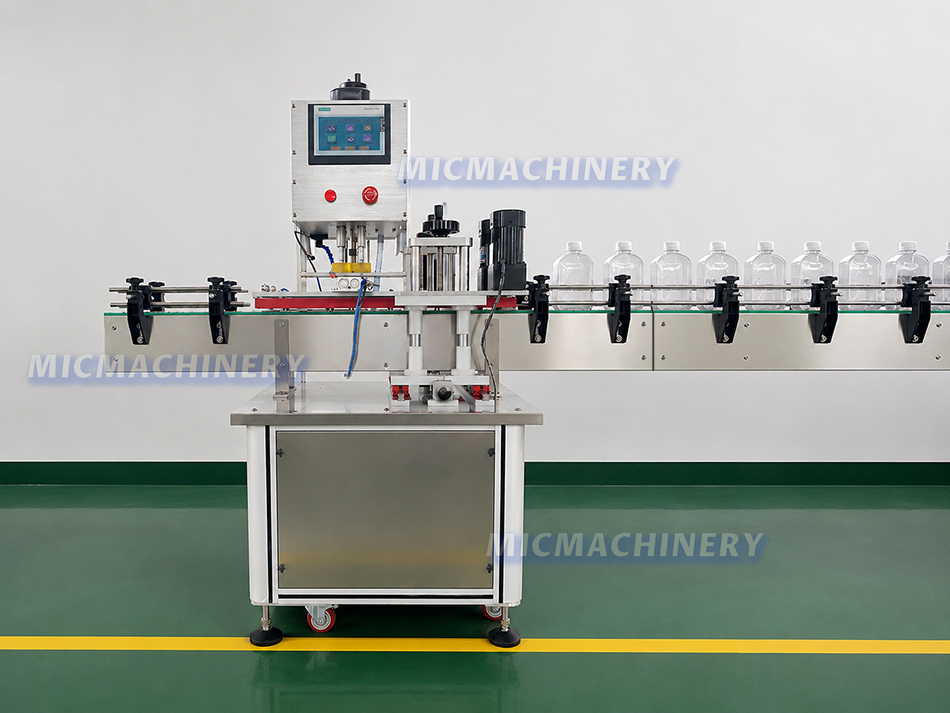
First, filled bottles are transferred into the sealing station via a conveyor system. Positioning devices align each bottle accurately under the sealing head to ensure correct operation.
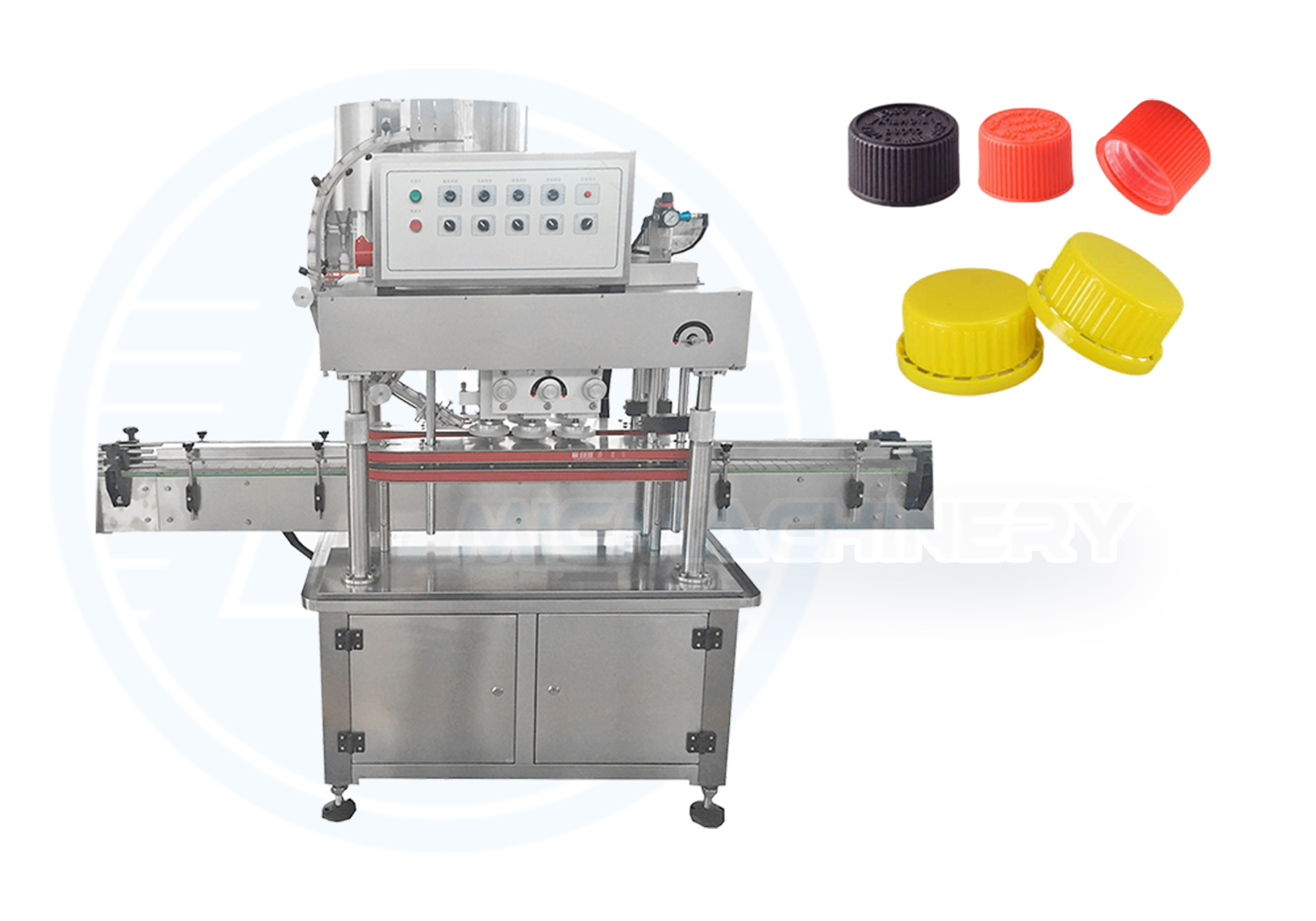
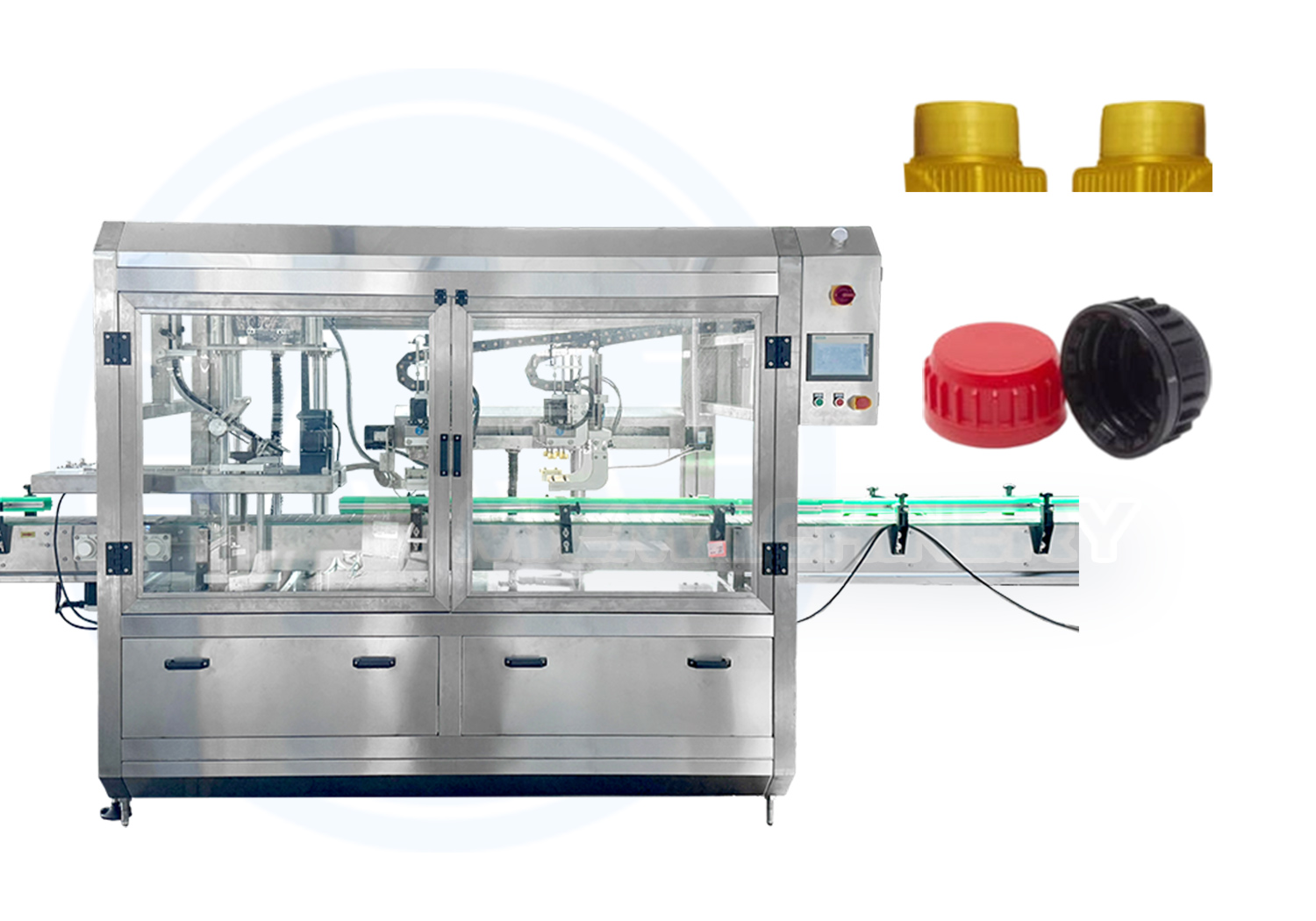
Next, caps are either pre-placed or fed automatically depending on system configuration. Once in position, the sealing head applies controlled pressure or torque to securely close the container.
For screw-type sealing, torque-controlled systems ensure consistent tightening force. For press-type sealing, vertical pressure is applied to lock the cap firmly onto the bottle neck. Induction sealing systems (when configured) create an airtight seal using electromagnetic heat.
After sealing, bottles are transferred to downstream equipment such as labeling or packaging systems. The process is continuous and synchronized with upstream filling operations.
Video Demonstration
Applications
Bottle sealing equipment is widely used across industries where secure packaging is required to prevent leakage, contamination, or evaporation.
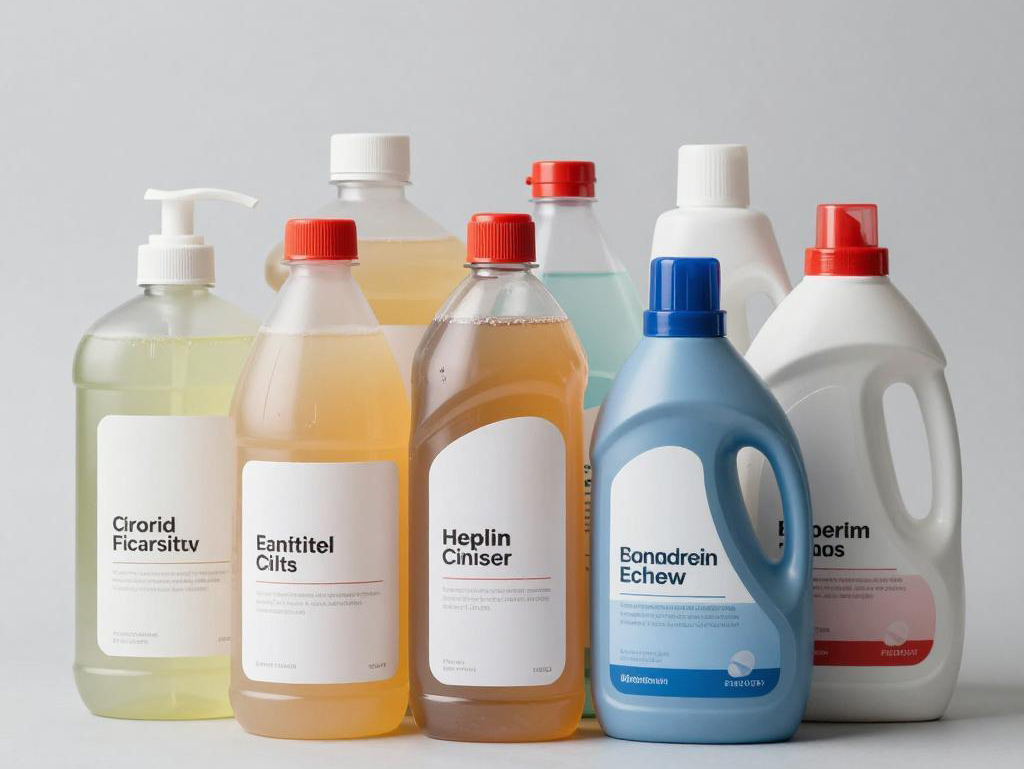
In the chemical industry, it is applied to detergents, solvents, lubricants, cleaning agents, and corrosive liquids where reliable sealing is essential for safe storage and transportation.
In the food and beverage sector, the machine is used for sauces, edible oils, beverages, and liquid condiments, ensuring hygienic and airtight packaging.
Pharmaceutical manufacturers use bottle sealing systems for syrups, disinfectants, medical liquids, and health-related formulations where contamination prevention is critical.
Cosmetic and personal care production lines rely on sealing equipment for shampoos, lotions, creams, perfumes, and skincare products where both functional sealing and packaging appearance matter.
Customization Options
MIC Machinery provides flexible configuration options to match different production environments and packaging requirements.
Item
Description
Servo-driven or pneumatic sealing systems
Ensures stable and precise sealing performance for different production requirements
Torque-controlled screw sealing heads
Provides accurate tightening force for consistent sealing quality
Induction sealing modules
Supports airtight and tamper-evident packaging applications
Multi-head rotary sealing structure
Designed for high-capacity production lines with continuous operation
Automatic cap feeding system
Equipped with vibration or elevator-type cap sorting and feeding
Conveyor and bottle handling customization
Adjustable conveyor height and bottle transfer system design
Corrosion-resistant version
Suitable for chemical production environments and corrosive applications
System configuration
Each system is customized based on bottle type, cap type, and production capacity
Maintenance and Operation
Regular maintenance ensures long-term stability and consistent sealing quality.
Key maintenance practices include:
· Checking sealing heads for wear and alignment
· Cleaning cap feeding and positioning systems
· Inspecting torque or pressure control systems
· Maintaining pneumatic and servo system stability
· Replacing worn sealing pads or gripping components
· Ensuring conveyor synchronization accuracy
· Periodically calibrating sealing force settings
Operators should also monitor container compatibility and cap quality to prevent sealing inconsistencies during production.
FAQ
1)What sealing methods are available?
Depending on configuration, it supports screw sealing, press sealing, torque sealing, and induction sealing systems.
2)What determines sealing quality?
Sealing quality depends on torque control accuracy, pressure stability, bottle alignment, and cap compatibility.
3)Can it handle different bottle sizes?
Yes, quick adjustment systems allow compatibility with multiple bottle heights and diameters.
Bottle Sealing Solutions from MIC Machinery
MIC Machinery designs Bottle Sealer systems focused on stable sealing performance, precise control, and reliable industrial operation. Built for chemical, food, pharmaceutical, and cosmetic industries, the equipment ensures consistent closure quality while supporting seamless integration into modern automated production lines.