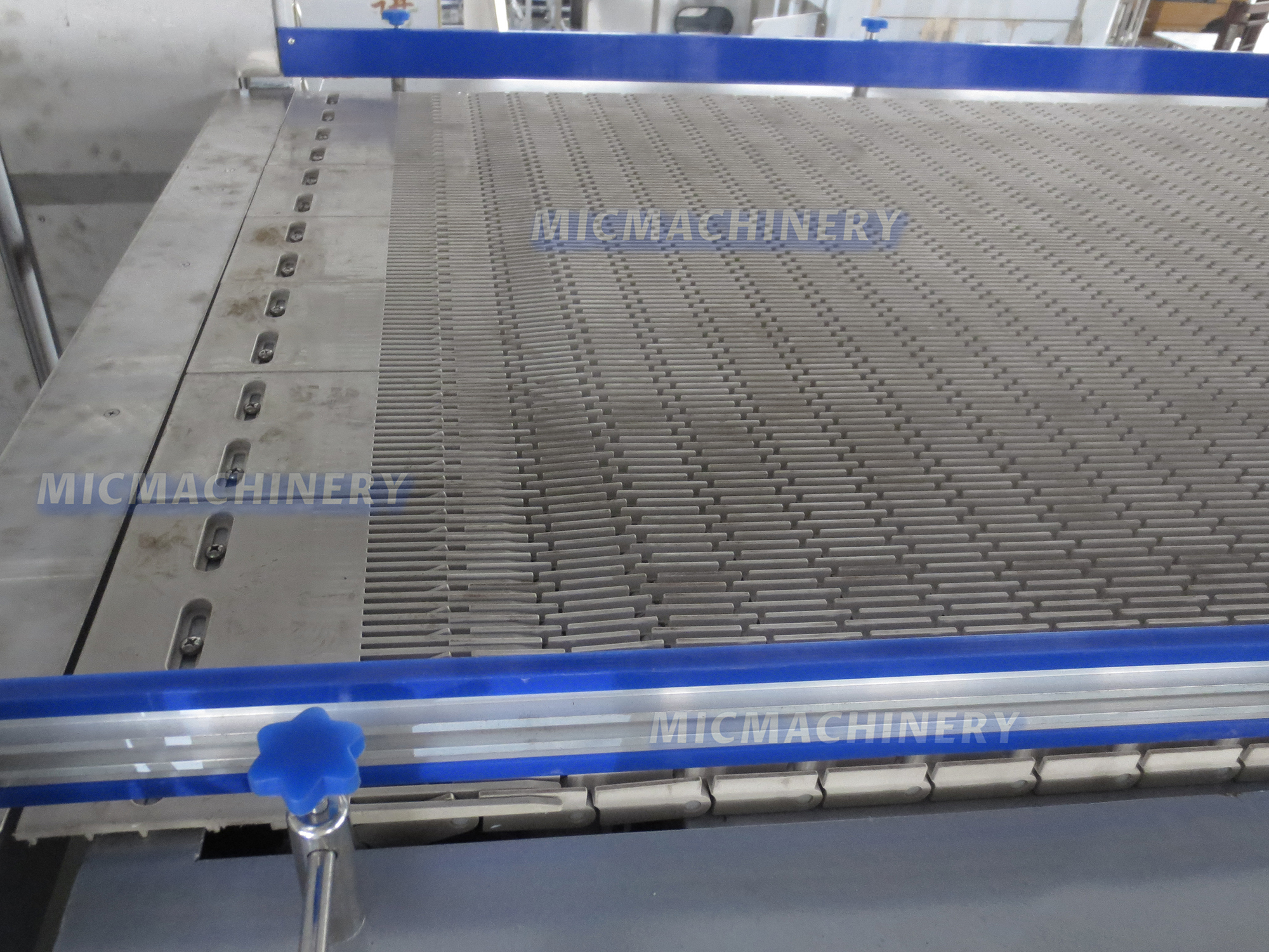
Depalletizer——Automatic Bottle Depalletizing Equipment for Production Lines
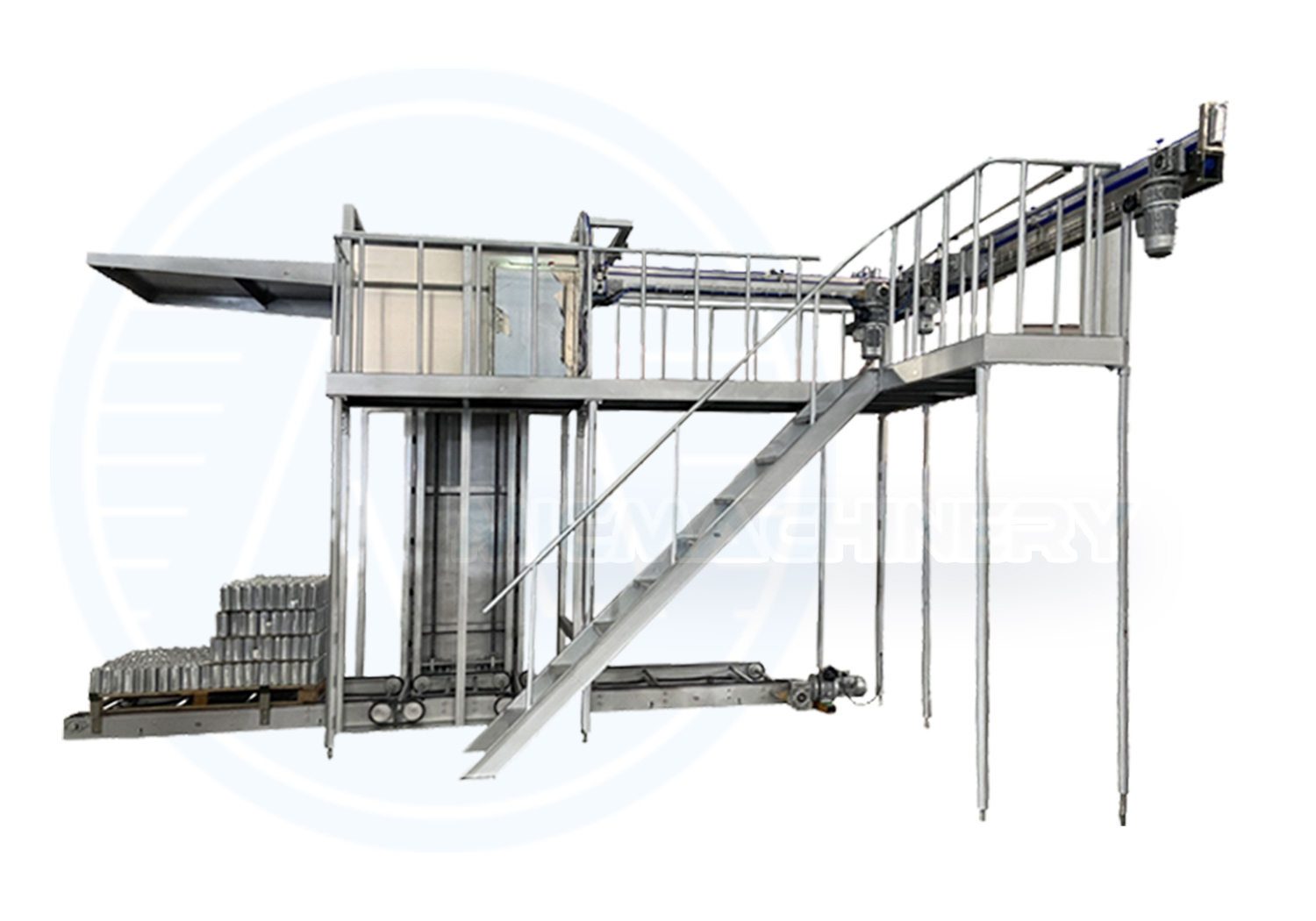
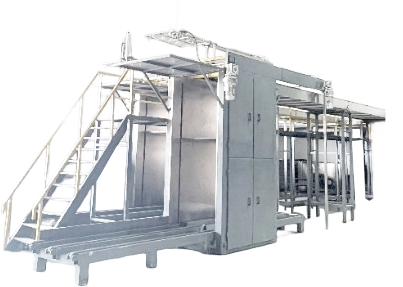
A Depalletizer is an automated handling system used to remove products such as bottles, cans, jars, and containers from pallets and transfer them onto production lines. It is commonly installed at the beginning of beverage, food, chemical, and daily chemical packaging lines to replace manual pallet unloading and provide a continuous supply of containers for downstream equipment.
MIC Machinery designs depalletizing solutions for different container types and production requirements. The equipment can be configured for glass bottles, PET bottles, aluminum cans, plastic containers, and other packaged products. By combining mechanical handling systems, positioning devices, and intelligent control technology, the machine ensures stable container transfer while reducing labor requirements.
In modern manufacturing facilities, automatic depalletizing equipment plays an important role in improving line efficiency. It allows filling machines, rinsing machines, labeling machines, and packaging systems to operate continuously without interruptions caused by manual bottle loading.
The depalletizing process begins when a full pallet of containers enters the loading position through a pallet conveyor or forklift operation.
The pallet is accurately positioned by the machine, and sensors detect its location and height. The lifting system then raises or lowers the pallet to match the working position of the unloading mechanism.
During operation, the gripping system removes one layer of containers from the pallet. Depending on the product type, different handling methods may be used, including vacuum suction, mechanical gripping, or magnetic handling for suitable containers.
After the layer is lifted, the containers are transferred onto the output conveyor. The conveyor then delivers them to the next production process, such as bottle washing, filling, capping, or labeling.
Once one layer is removed, the lifting platform automatically adjusts the pallet height, allowing the next layer to be processed. This cycle continues until the pallet is completely unloaded.
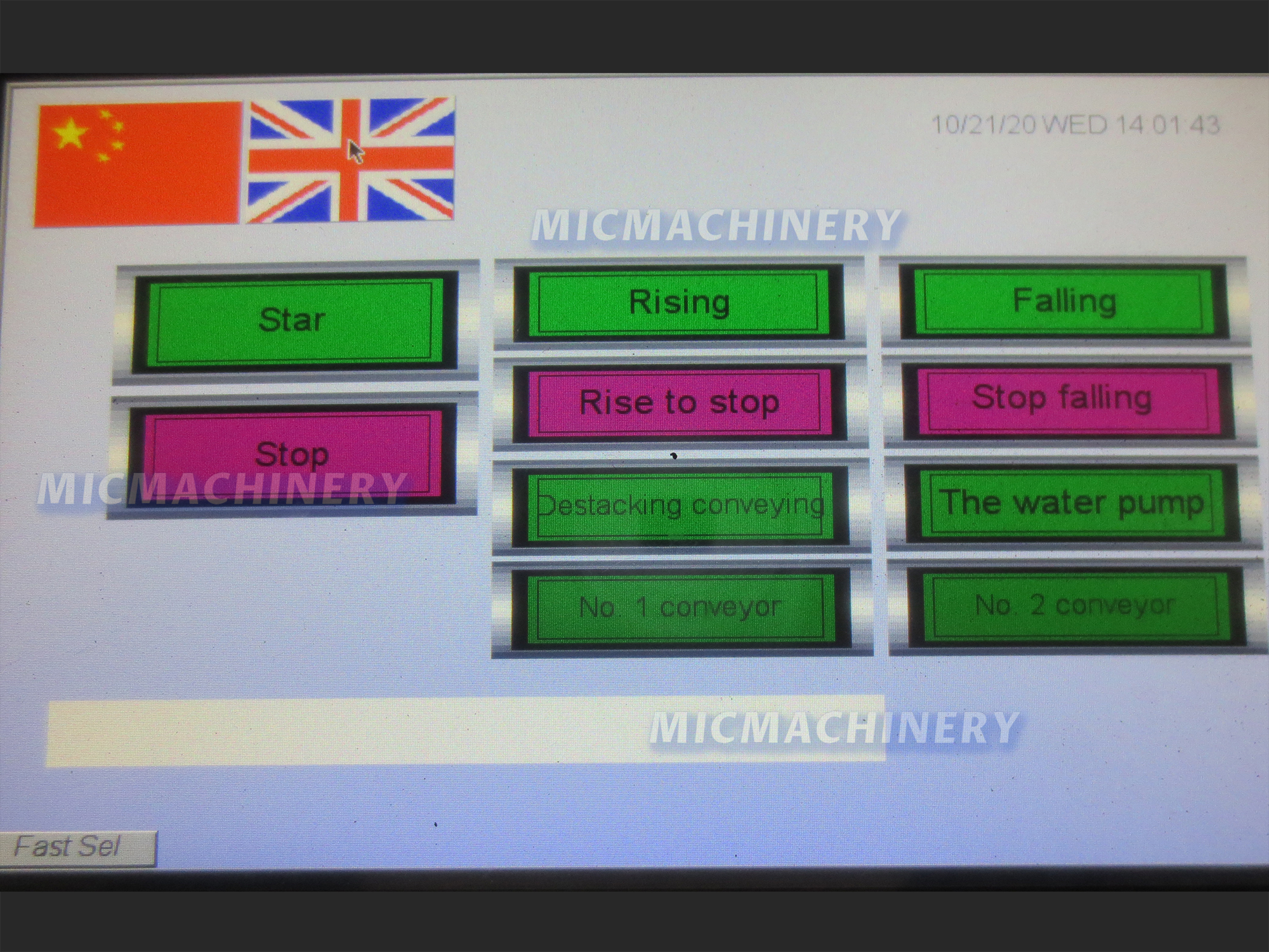
The automatic control system monitors the entire process. If an abnormal condition occurs, such as missing containers, incorrect positioning, or pallet movement problems, the machine can stop automatically to protect products and equipment.
Video Demonstration
Applications
Depalletizers are widely used in industries where large quantities of containers need to be continuously supplied to production lines.
Beverage Industry
Common applications include:
Glass bottle beverage production
Carbonated drink lines
Juice filling lines
Mineral water production
Beer packaging lines
Food Industry
The equipment can handle:
Food jars
Sauce containers
Canned products
Pickled food packaging
Chemical Industry
Applications include:
Detergent bottles
Chemical containers
Lubricant packaging
Industrial liquid containers
Daily Chemical Industry
Used for:
Shampoo bottles
Cosmetic containers
Personal care product packaging
The machine can be adjusted according to container shape, material, and production requirements.
Customization Options
MIC Machinery provides customized depalletizing systems based on customer production conditions.
Different gripping methods can be designed according to container materials and shapes. For fragile glass bottles, the system can be configured with gentle handling mechanisms to reduce breakage risk. For heavier industrial containers, stronger gripping structures can be applied.
The machine layout can also be customized according to factory space and production line direction. Customers can select different conveyor heights, pallet handling methods, and automation levels.
Available customization options include:
Automatic pallet feeding system
Empty pallet discharge system
Multiple pallet size compatibility
Bottle counting and detection system
Conveyor line integration
Remote monitoring system
Safety protection enclosure
For high-speed production plants, the depalletizer can be combined with automatic storage and material handling systems.
Maintenance and Operation
Regular maintenance helps maintain stable depalletizing performance and extends equipment service life.
The gripping system should be inspected regularly to ensure accurate container handling. Wear parts such as suction cups, clamps, and guide components should be checked and replaced when necessary.
The conveyor system requires regular cleaning and inspection. Product debris or dust accumulation may affect container transfer accuracy.
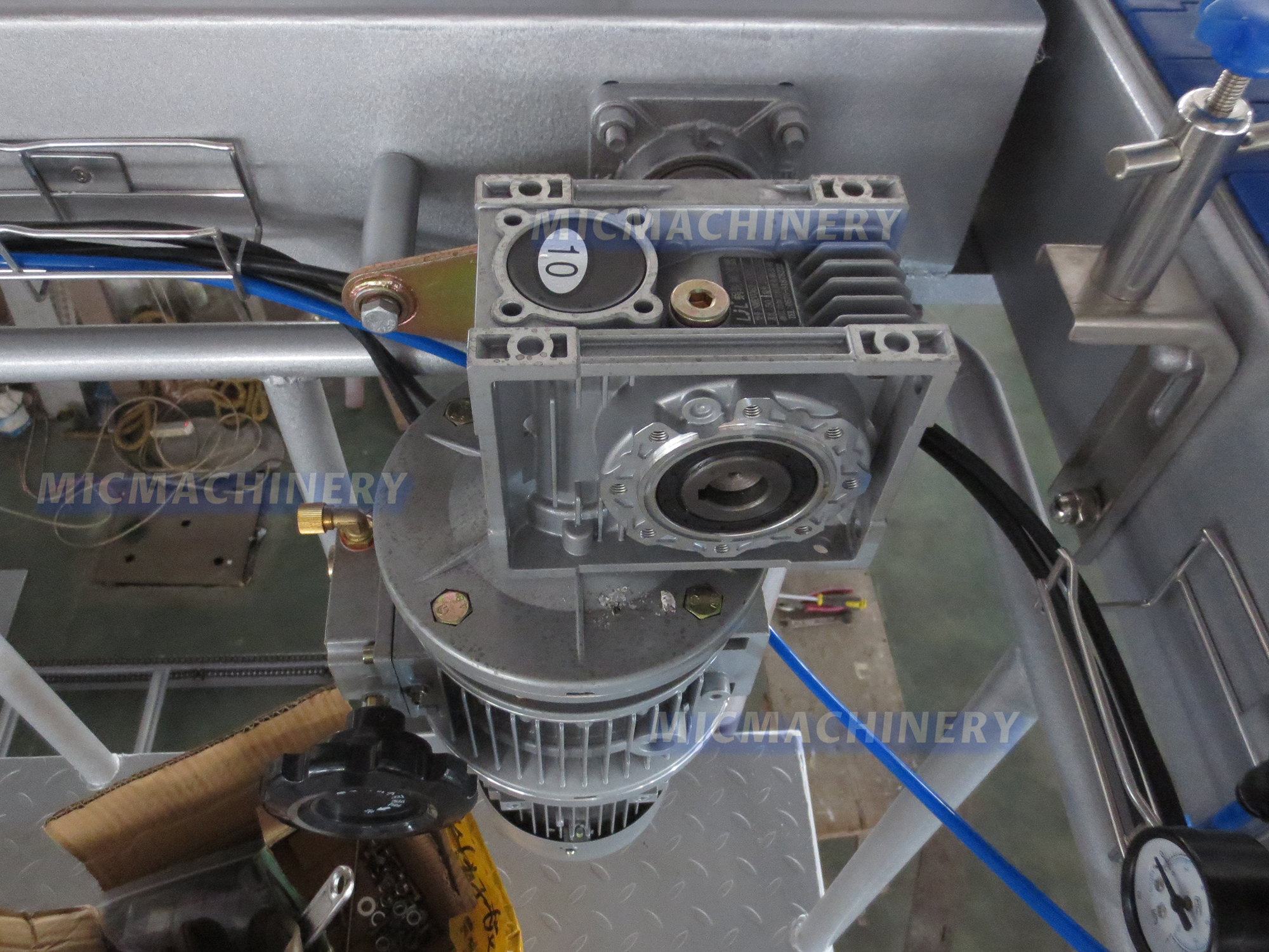
Mechanical transmission components, including chains, bearings, and lifting mechanisms, should be lubricated according to the maintenance schedule. Proper lubrication reduces wear and improves operating stability.
Electrical components such as PLC controllers, sensors, motors, and control panels should be inspected periodically. Sensors must remain clean because they are responsible for accurate pallet and container detection.
A preventive maintenance plan can reduce unexpected downtime and improve production reliability.
FAQ
Q1: What is a depalletizer? A depalletizer is an automatic machine used to remove bottles, cans, jars, or containers from pallets and transfer them to production lines.
Q2: What products can be handled by a depalletizer? It can handle glass bottles, PET bottles, cans, jars, and various industrial containers.
Q3: Can the machine work with a filling line? Yes. It can connect with conveyors, filling machines, labeling machines, and packaging equipment.
Q4: How does the machine prevent bottle damage? The machine uses controlled lifting, positioning, and transfer systems designed according to container characteristics.
Q5: Can the depalletizer be customized? Yes. The structure, gripping system, capacity, and conveyor layout can be customized according to production requirements.
Q6: What production speed can a depalletizer achieve? The speed depends on container type, pallet configuration, and production line requirements.
MIC Machinery Depalletizer provides an automated solution for container handling at the beginning of production lines. With flexible configurations, precise control systems, and integration capabilities, it helps manufacturers improve material supply efficiency and maintain stable continuous production.