ROPP Capping Machine——Aluminum Roll-On Pilfer Proof Sealing System
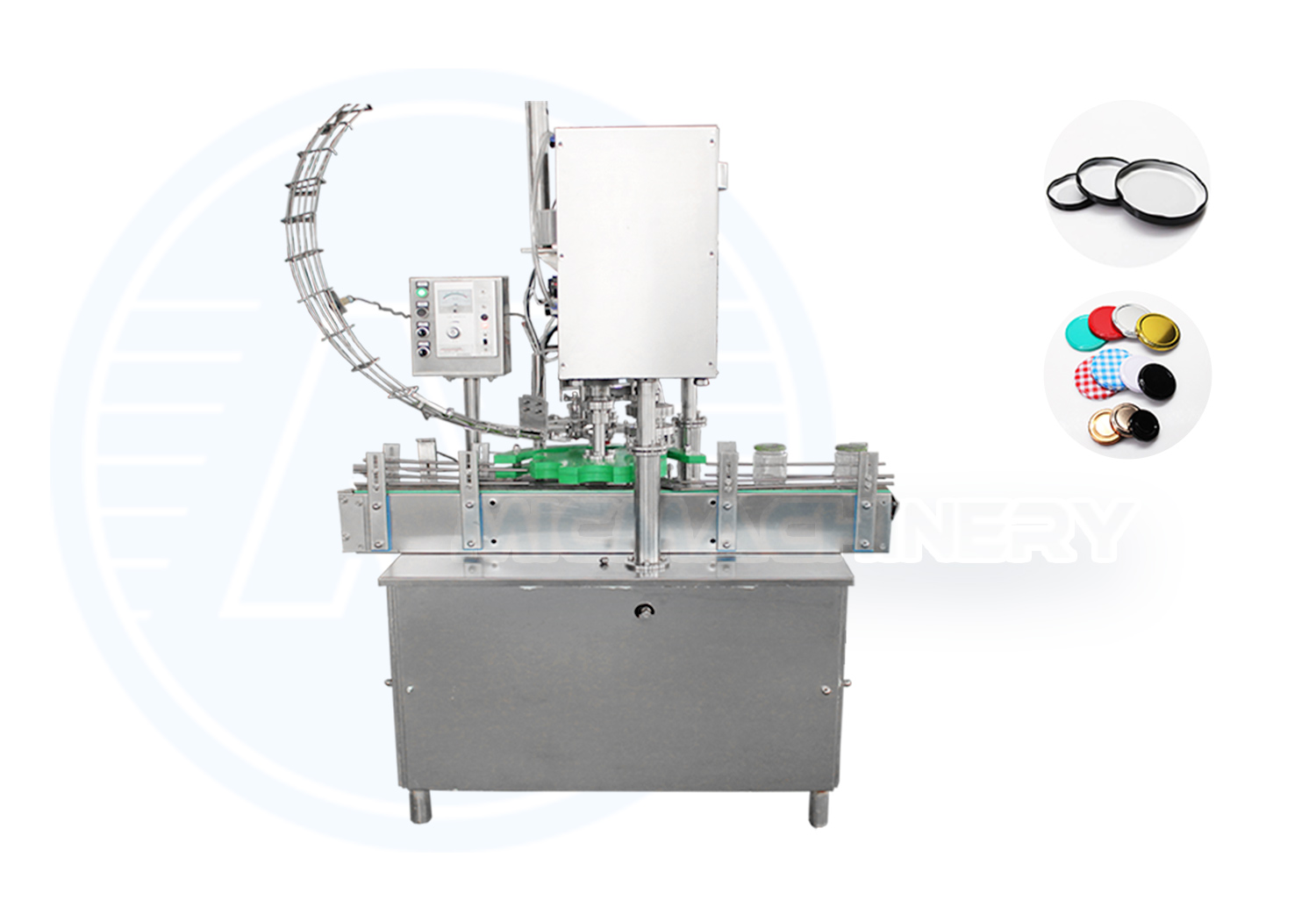
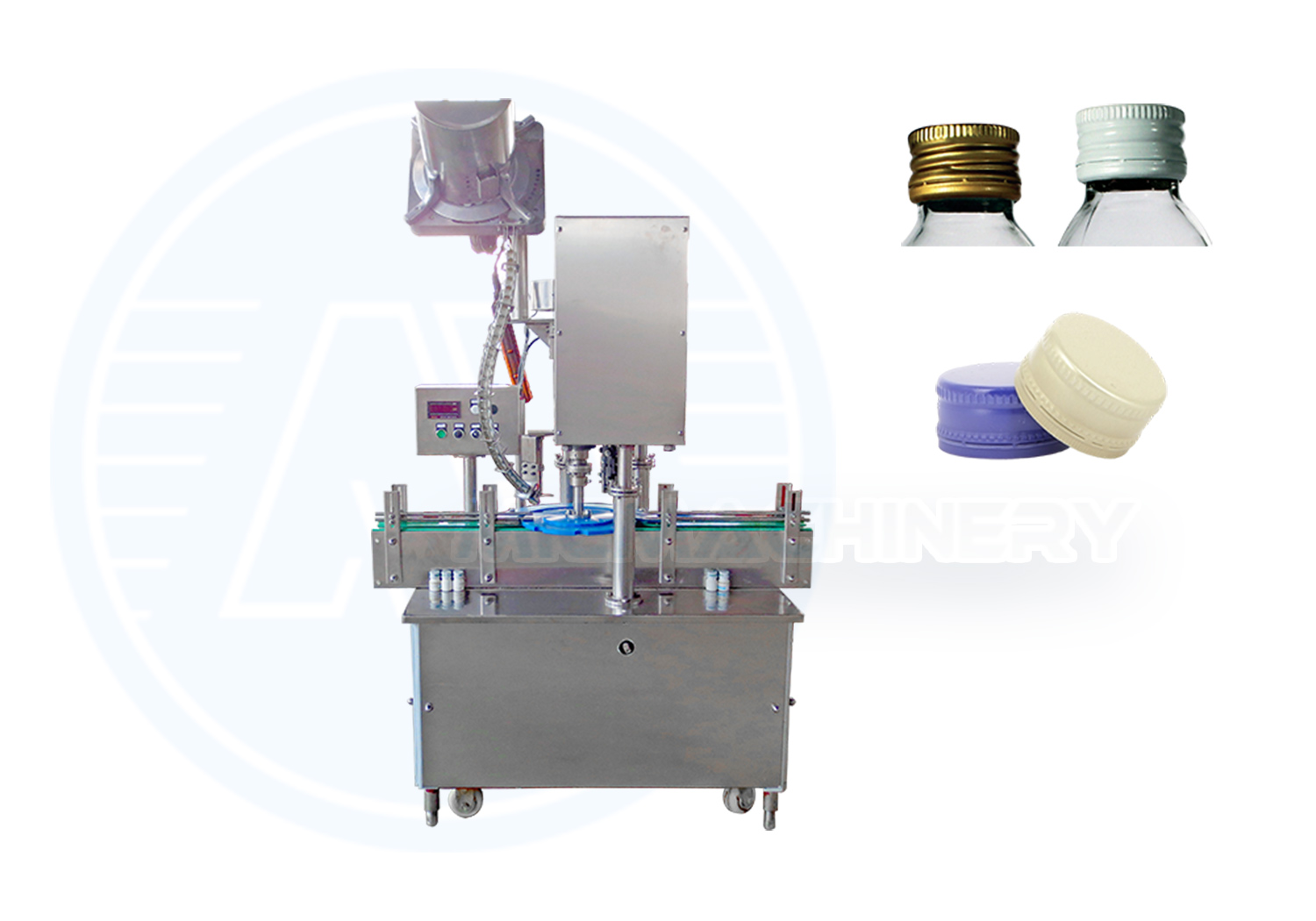
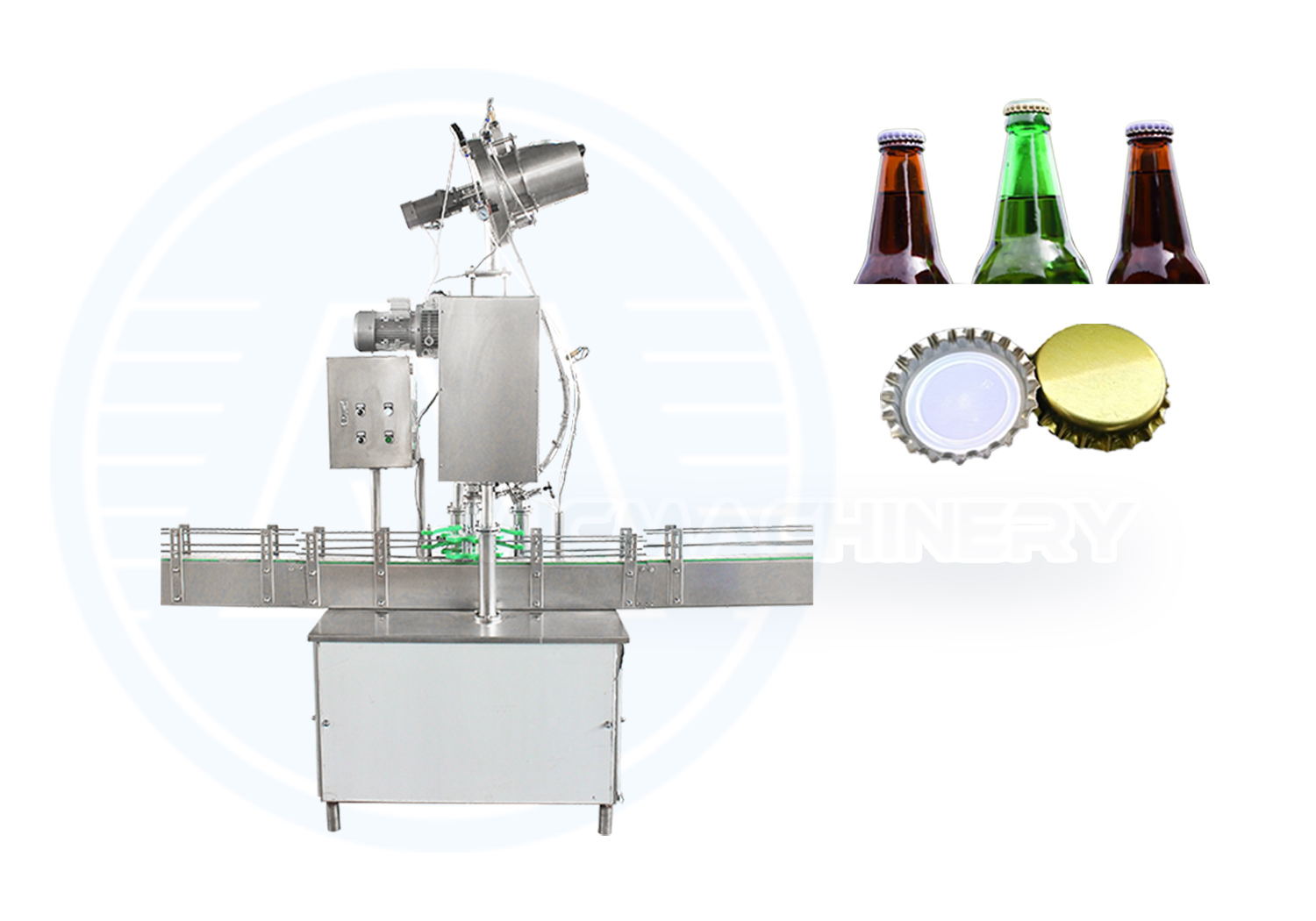
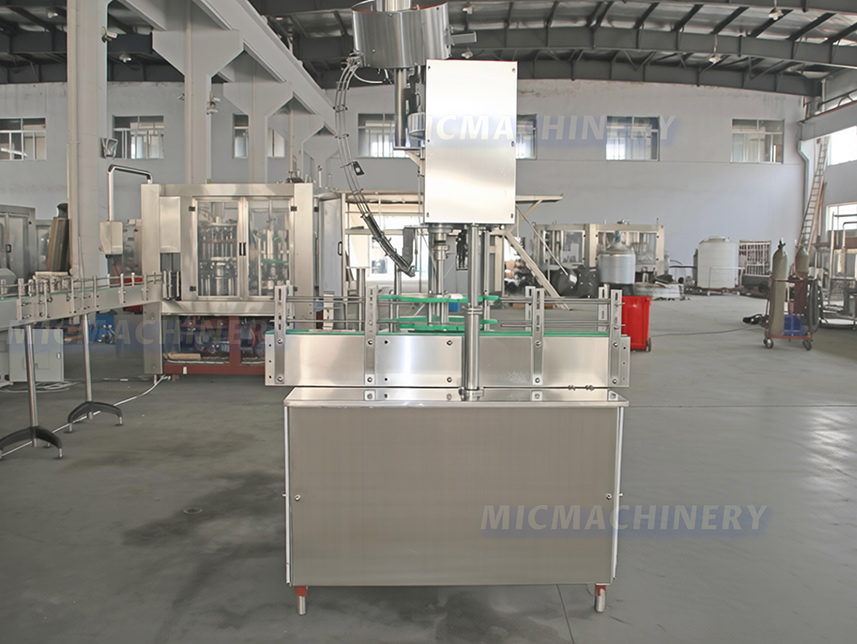
The ROPP Capping Machine (Roll-On Pilfer Proof Capping Machine) is designed specifically for aluminum caps that are formed and tightened onto bottle necks through a controlled rolling process.This type of sealing is widely used in beverage, pharmaceutical, and chemical packaging where leakage prevention and tamper-evident sealing are required. Unlike screw capping systems, ROPP technology forms the cap directly onto the bottle thread using precision rollers, ensuring a permanent and secure closure.
MIC Machinery designs ROPP capping systems based on industrial production requirements, focusing on torque stability, forming accuracy, and long-term operational reliability.
Working Process
The ROPP capping process is different from traditional screw sealing because it forms the cap during operation rather than tightening a pre-threaded closure.
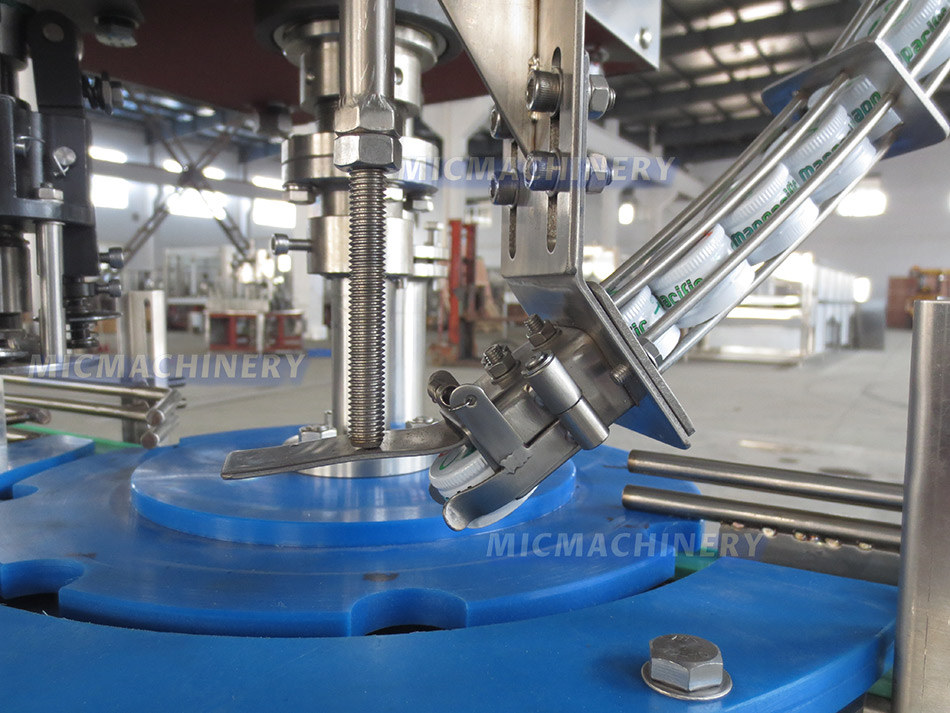
First, bottles filled with liquid are transferred into the capping station via a conveyor system. A cap feeding unit places aluminum caps onto each bottle neck in a precise position.
Once the bottle is aligned, the capping head descends and holds the cap in place. Rotating rollers then press and shape the aluminum material around the bottle neck thread. This process forms the pilfer-proof seal and creates a tamper-evident structure.
The rolling pressure is carefully controlled to ensure uniform deformation without damaging the bottle neck. After sealing, the bottle moves to downstream equipment such as labeling or inspection systems.
The entire process is continuous and synchronized with upstream filling equipment, ensuring stable production flow and consistent sealing quality.
Video Demonstration
Applications
ROPP capping systems are widely used in industries where tamper resistance, sealing integrity, and product authenticity are required.
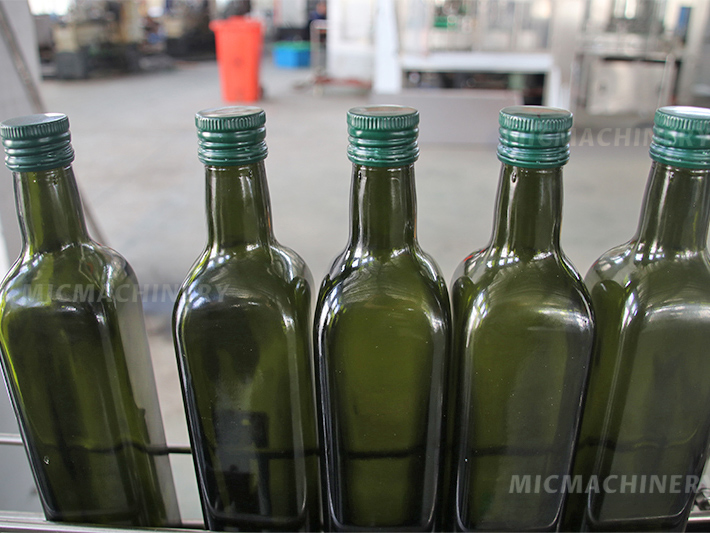
In the beverage industry, the machine is commonly used for bottled water, juice, wine, spirits, and edible liquids. The aluminum seal ensures freshness and prevents unauthorized opening.
In the pharmaceutical sector, it is applied to medicinal syrups, liquid formulations, and healthcare products where contamination prevention and sealing security are critical.
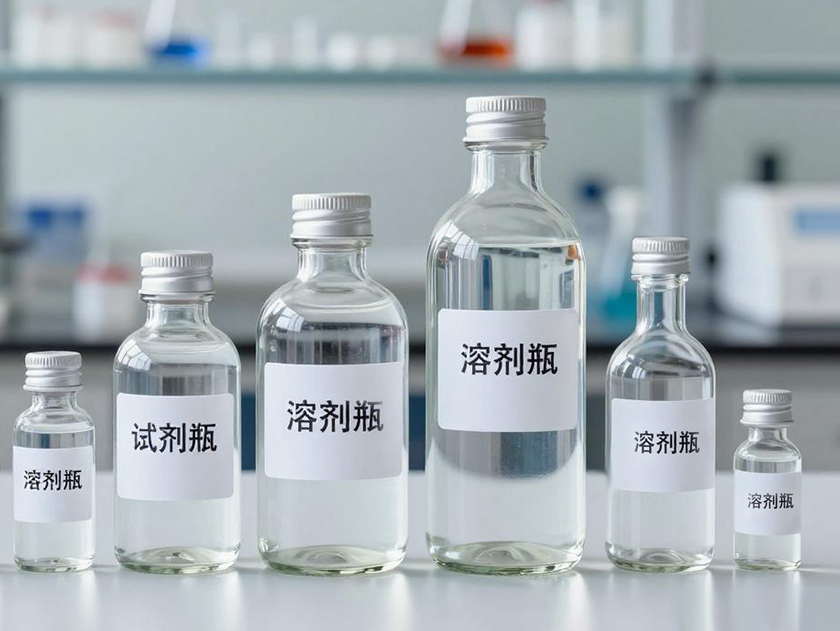
In the chemical industry, ROPP capping is used for solvents, reagents, laboratory chemicals, and specialty liquids that require leak-proof and secure packaging during transport and storage.
Customization Options
MIC Machinery provides multiple configuration options to match different production environments and packaging requirements.
A servo-controlled system is available, offering precise forming pressure and more consistent operation during high-speed production.
For cap handling, an automatic cap feeding system can be integrated, using either elevator-type or vibratory sorting to ensure smooth and continuous cap supply. High-speed rotary designs are recommended for large-scale production lines where output efficiency is a priority.
To meet chemical industry requirements, SUS316L stainless steel construction is available for improved resistance in corrosive environments. A quick changeover system can also be added, allowing fast adjustment between different bottle sizes and reducing production downtime.
For quality control, a vision inspection system can be integrated to detect cap positioning and sealing defects in real time. In addition, the machine can be fully integrated with filling, labeling, and packaging equipment to support complete automated production lines.
Each system is engineered based on bottle geometry, aluminum cap specifications, and required output capacity, ensuring stable performance in real industrial applications.
Maintenance and Operation
Regular maintenance ensures stable sealing performance and extends equipment lifespan.
Key maintenance tasks include:
· Inspecting roller heads for wear and alignment
· Cleaning cap feeding tracks to prevent blockage
· Checking forming pressure consistency
· Lubricating rotating mechanical components
· Monitoring conveyor synchronization
· Verifying PLC control system accuracy
· Replacing worn sealing rollers when necessary
Because ROPP capping involves metal forming, roller condition directly affects sealing quality and must be monitored carefully.
FAQ
1)What is an ROPP capping machine used for?
It is used to apply aluminum caps onto bottles by forming the cap around the bottle neck using rotating rollers, creating a tamper-evident seal.
2)What is the difference between ROPP and screw capping?
Screw capping tightens pre-threaded caps, while ROPP capping forms the aluminum cap directly onto the bottle neck using mechanical rollers.
3)Can it handle high-speed production?
Yes, rotary ROPP systems are designed for high-output production lines and can reach up to 12,000 bottles per hour depending on configuration.
4)Is the sealing tamper-proof?
Yes, the aluminum cap is permanently formed onto the bottle neck, making it tamper-evident and difficult to reopen without visible damage.
5)What affects sealing quality?
Key factors include roller condition, forming pressure, cap quality, and bottle neck precision.
ROPP Capping Solutions from MIC Machinery
MIC Machinery designs ROPP Capping Machines for stable aluminum cap forming, reliable tamper-proof sealing, and continuous industrial production. Built for beverage, pharmaceutical, chemical, and cosmetic industries, the system ensures consistent sealing performance while supporting integration into modern automated bottling lines.