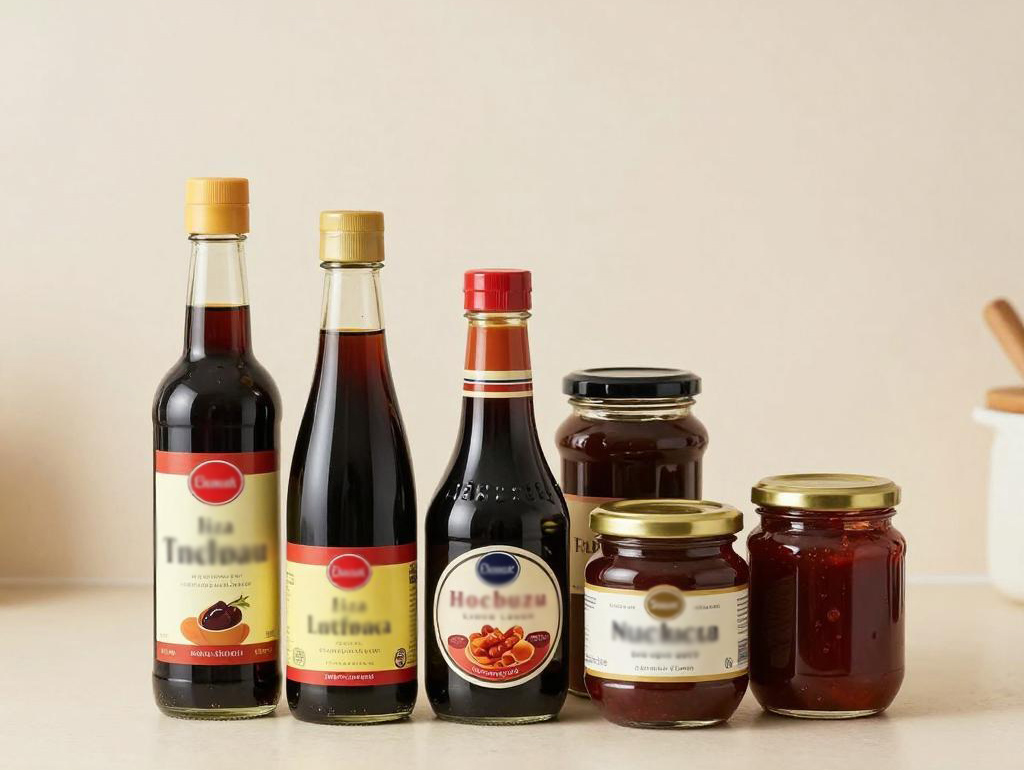
Bottle Filling Machine——Reliable Liquid Packaging Equipment for Industrial Production
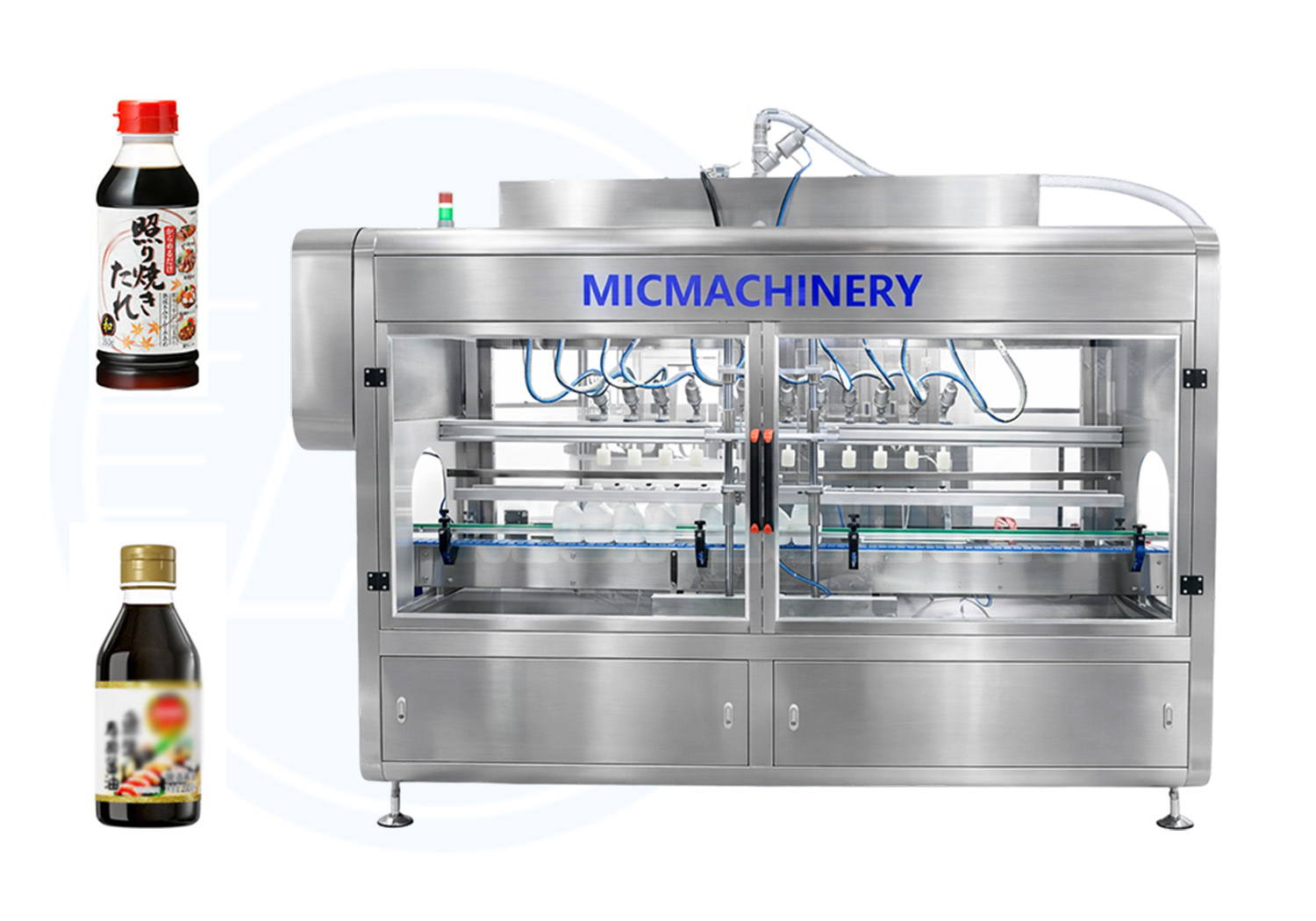
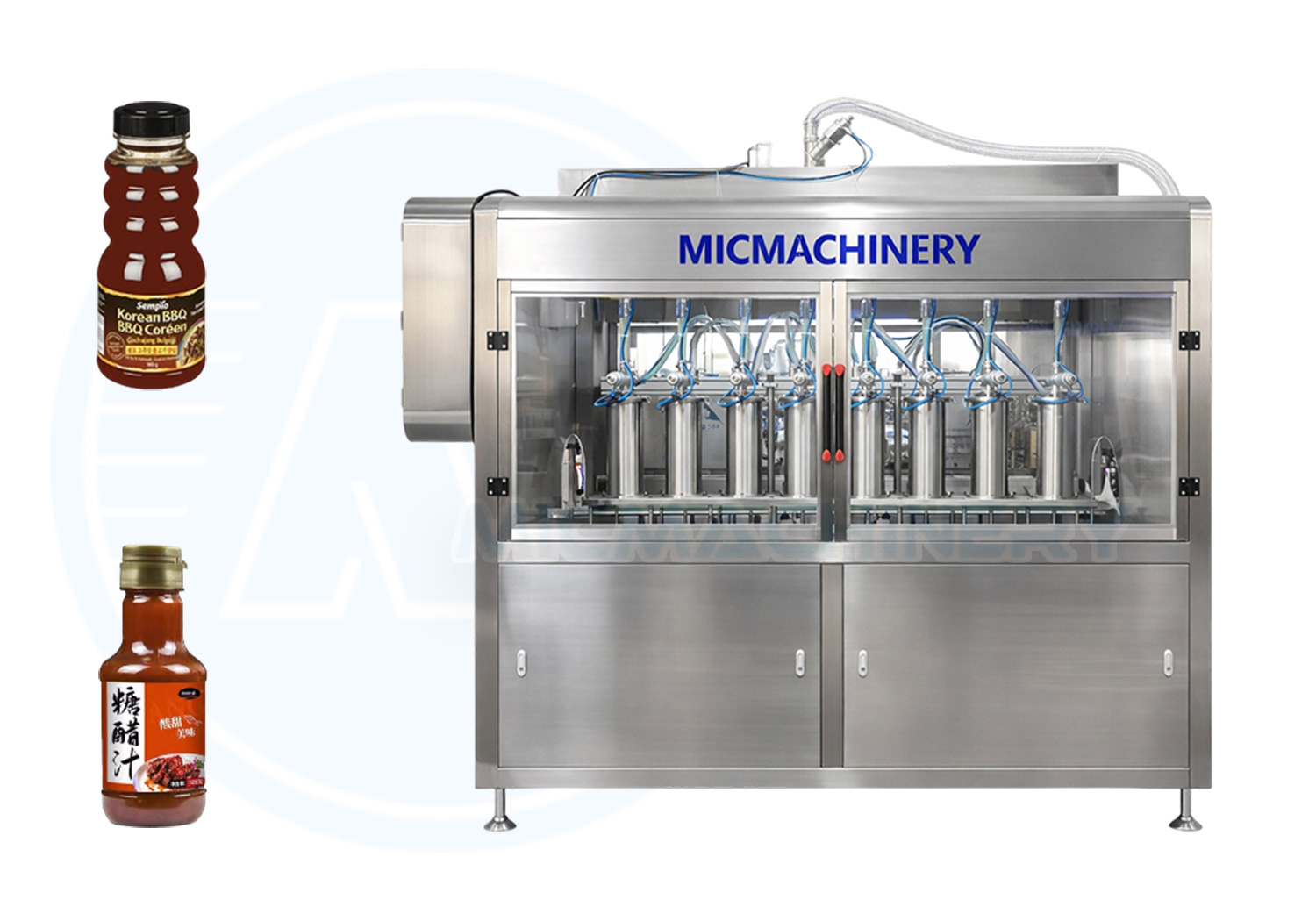
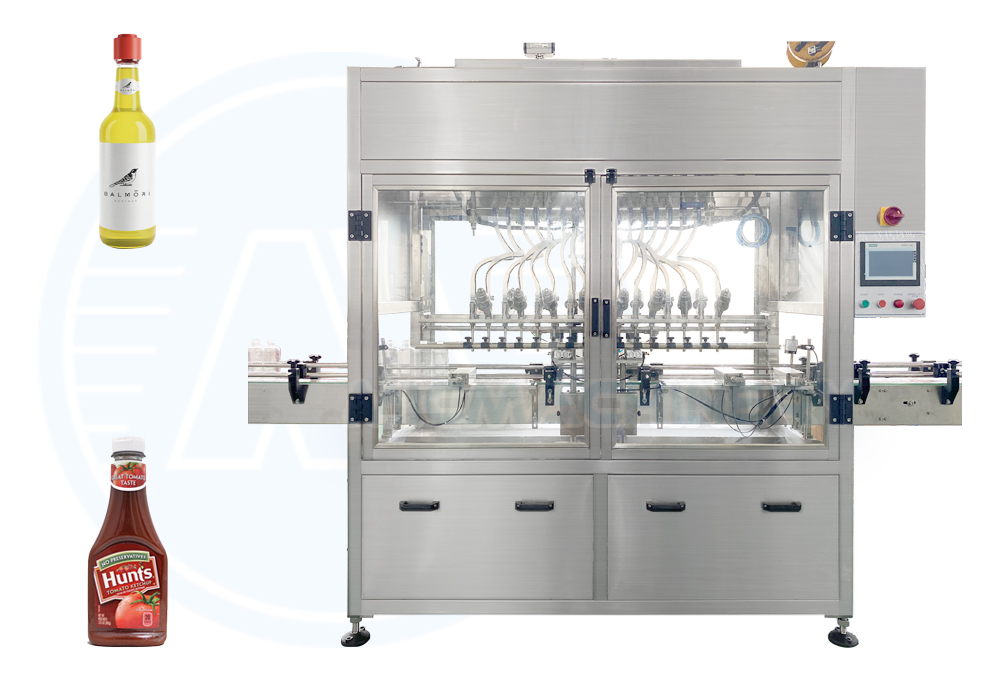
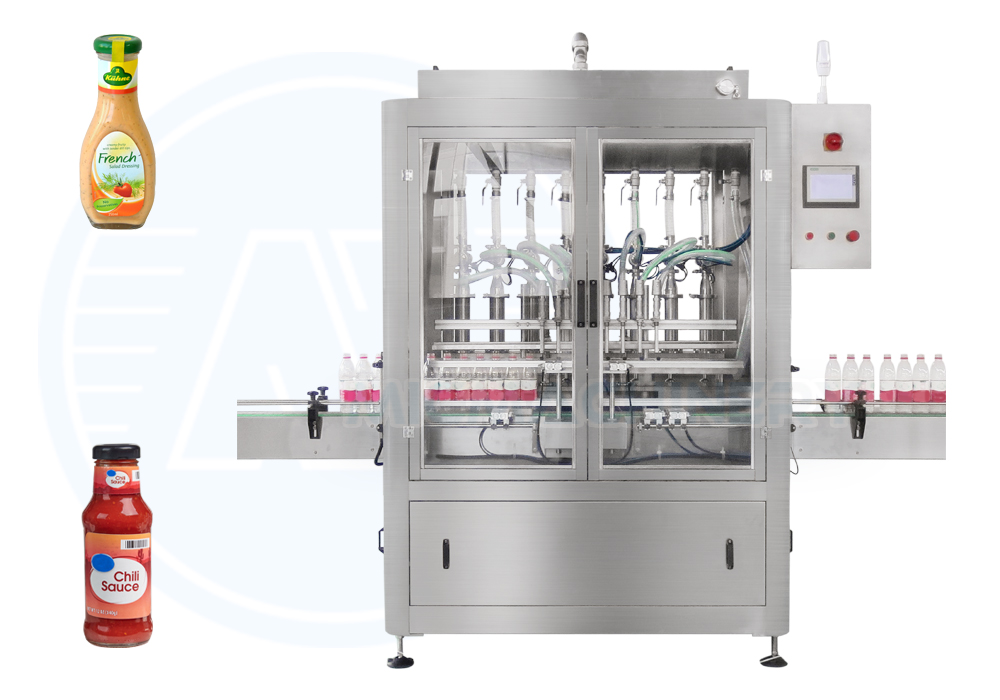
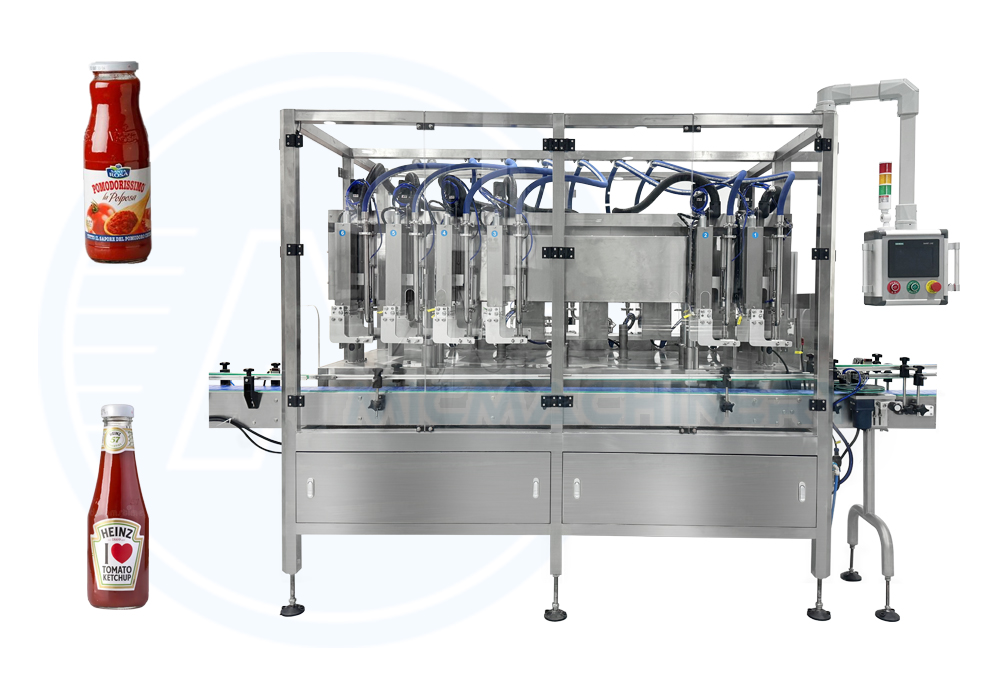
Bottle filling machines are widely used in sauce、chemical, lubricant, detergent, cosmetic, agrochemical, and industrial liquid packaging industries. In modern production environments, manufacturers require more than simple liquid filling. They need stable filling accuracy, reliable automation, easy maintenance, and compatibility with different bottle sizes and liquid types. A properly designed filling system helps improve production efficiency, reduce product waste, and maintain consistent packaging quality.
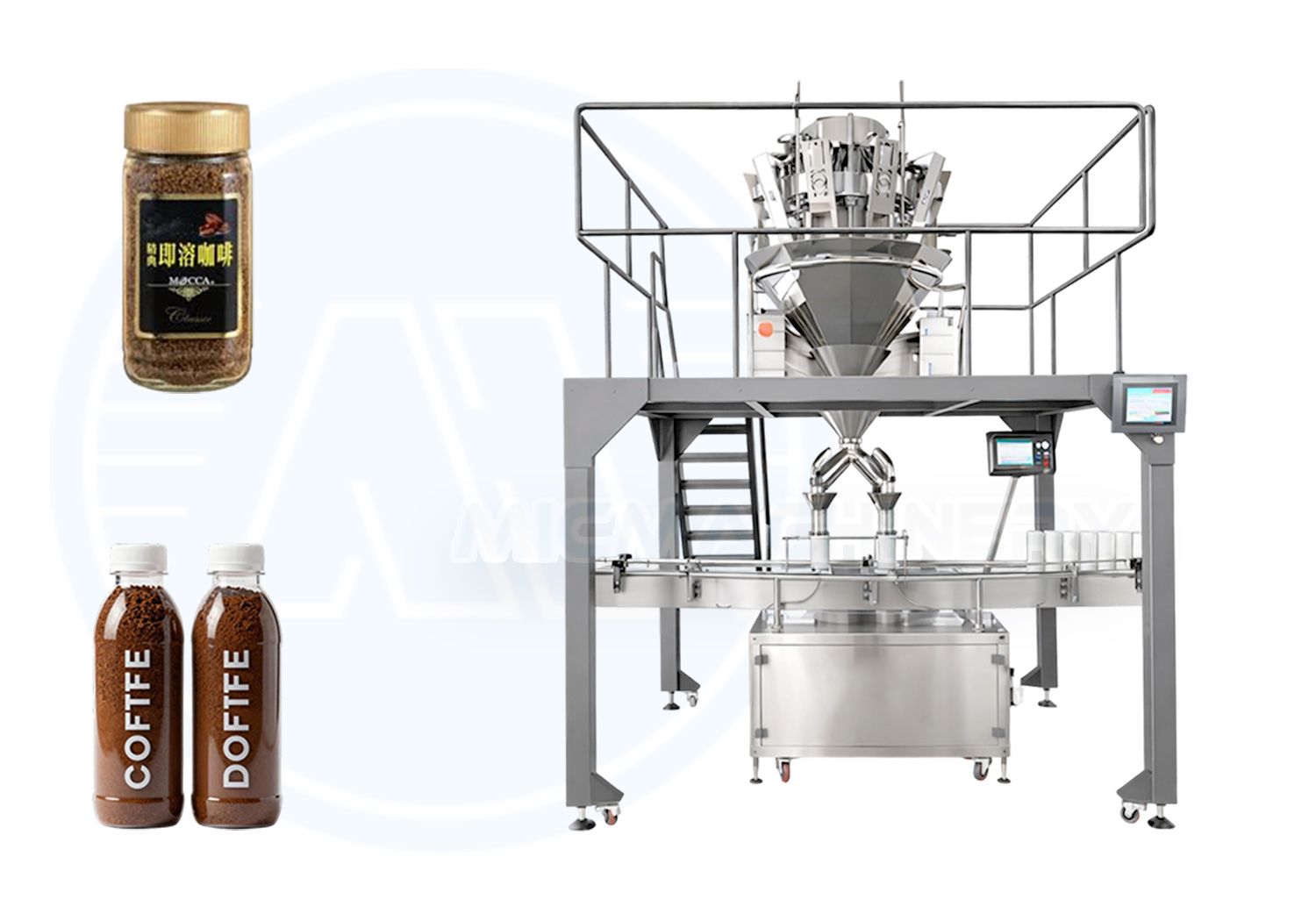
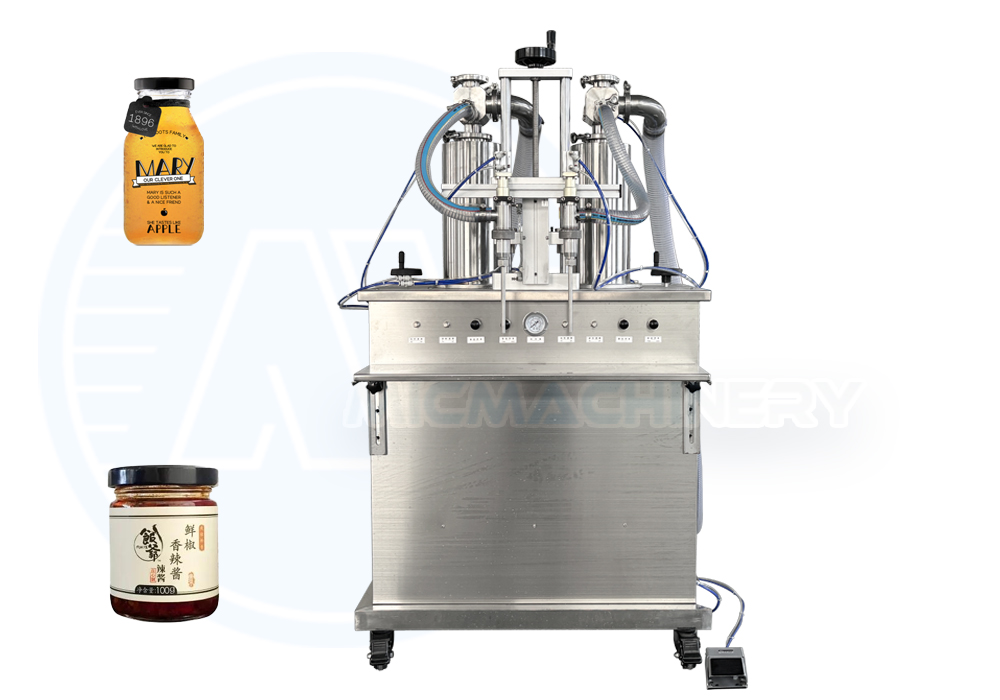
At MIC Machinery, bottle filling equipment is designed for continuous industrial operation and flexible production requirements. The machines can handle low-viscosity liquids such as water, solvents, and alcohol, as well as medium and high-viscosity products including detergents, lubricants, oils, sauce,gels, and chemical liquids. Different filling technologies are available depending on product characteristics and production capacity requirements.
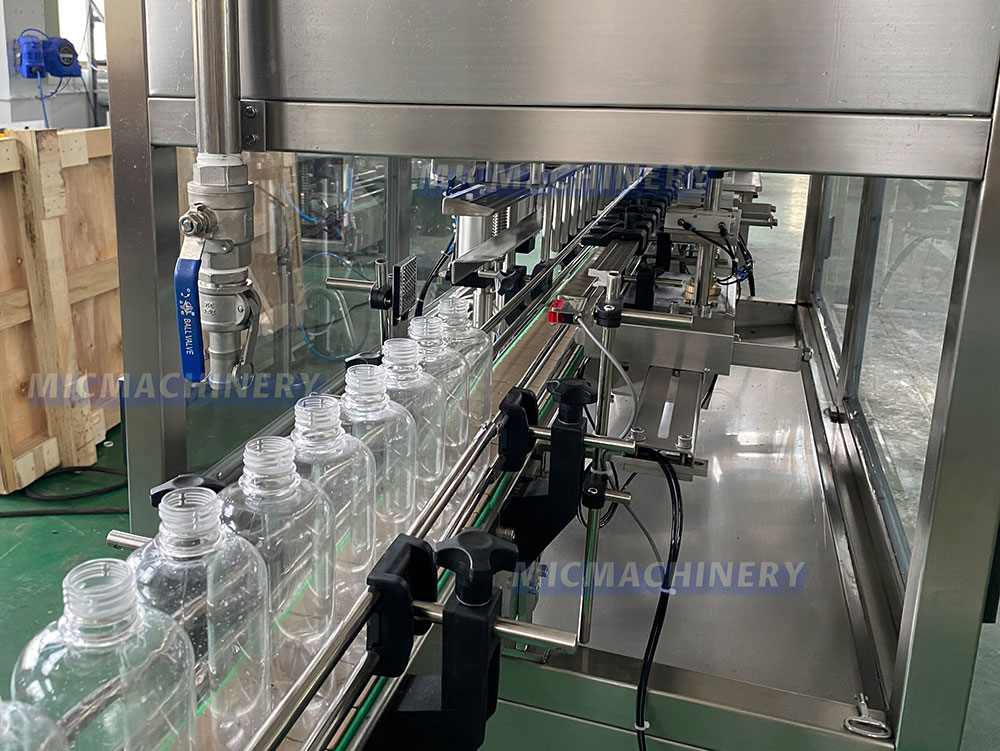
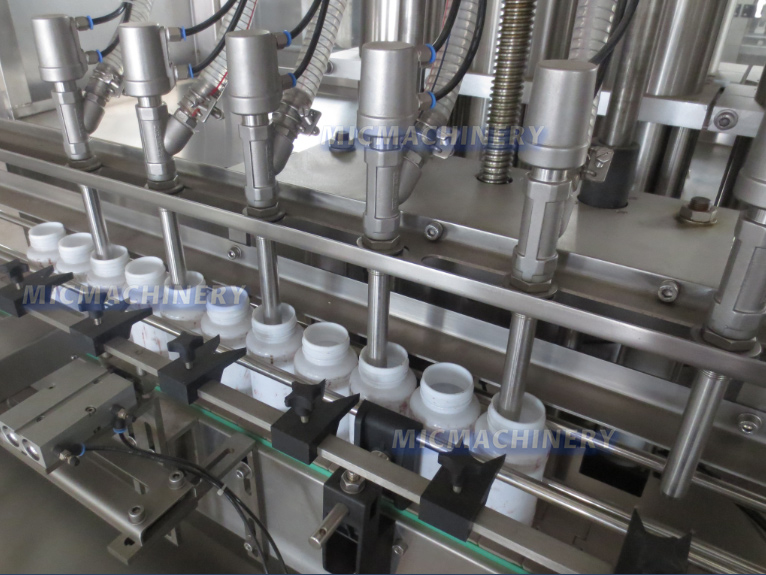
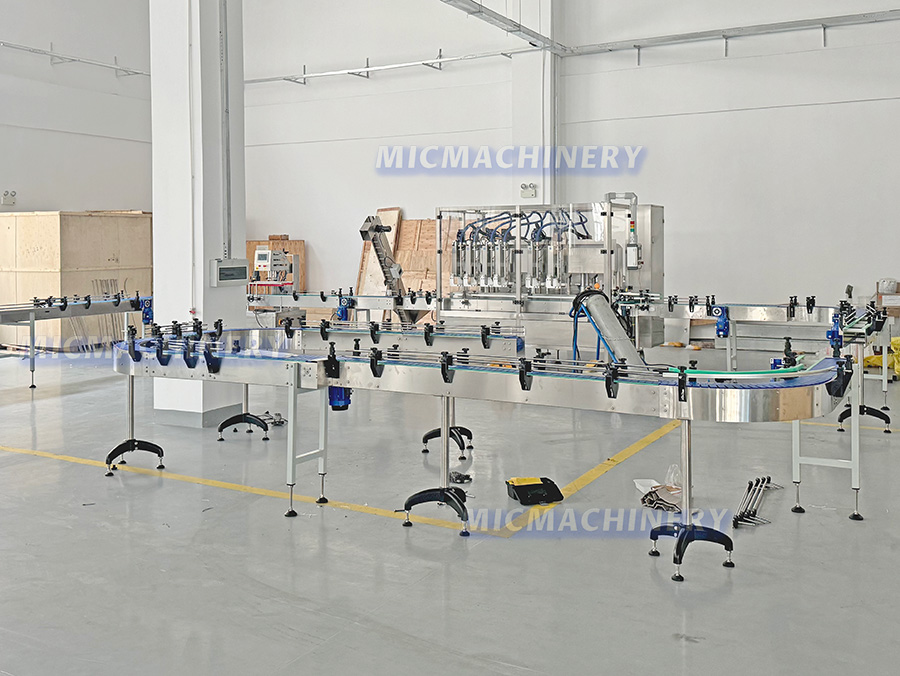
The working process of a bottle filling machine begins with empty bottles entering the conveyor system manually or through an automatic bottle unscrambler. Guide rails keep the containers aligned while sensors detect bottle positioning before filling begins.
The liquid product is transferred from a storage tank to the filling system through pipelines and pumps. Depending on the product type, the machine may use piston filling, gravity filling, overflow filling, or flow meter technology. Servo-controlled filling systems are increasingly popular because they provide higher filling accuracy and easier parameter adjustment.
Once the bottles are positioned beneath the filling nozzles, the machine automatically dispenses the preset liquid volume. Anti-drip nozzles help maintain a clean production environment by preventing liquid leakage after filling. For foaming liquids such as detergents and cleaning chemicals, diving nozzles may be used to reduce foam generation during the filling process.
After filling, the bottles continue along the conveyor to downstream equipment including capping machines, sealing systems, labeling machines, and coding units. The entire production process can operate automatically with synchronized machine communication.
Video Demonstration
Applications of Bottle Filling Machines
Bottle filling machines are suitable for a wide range of industrial applications because of their flexible configuration and adaptable filling systems.
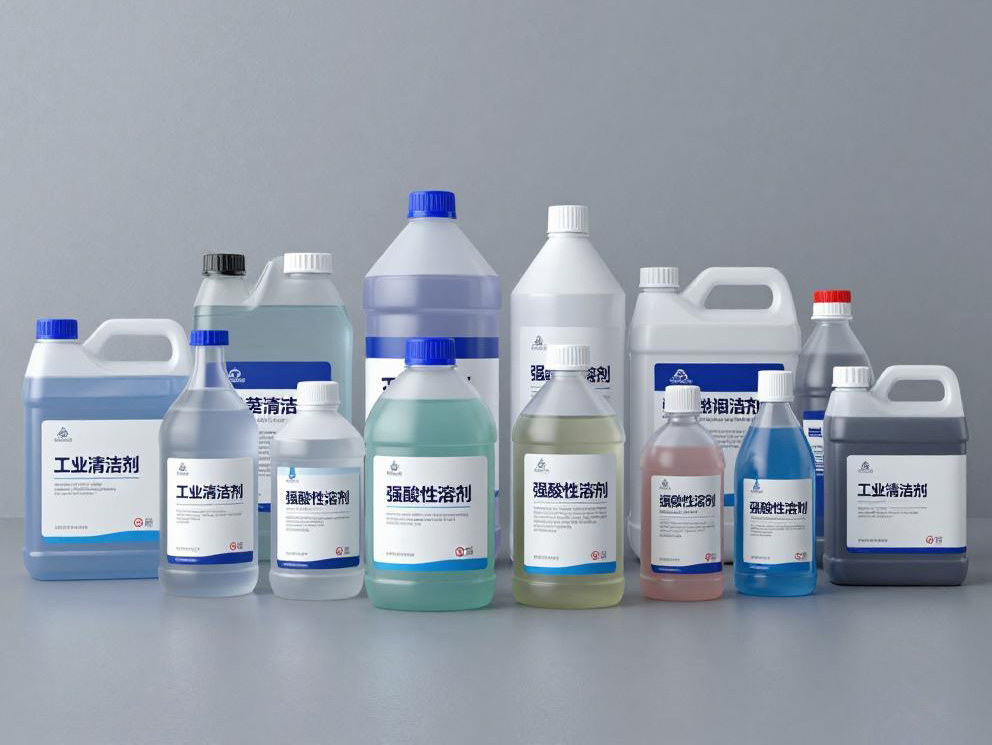
In the chemical industry, filling equipment is used for products such as industrial cleaners, solvents, disinfectants, additives, and corrosive liquids. Chemical-resistant materials including SUS316L stainless steel, PTFE seals, and PVC pipelines are often used to improve durability and operational safety.
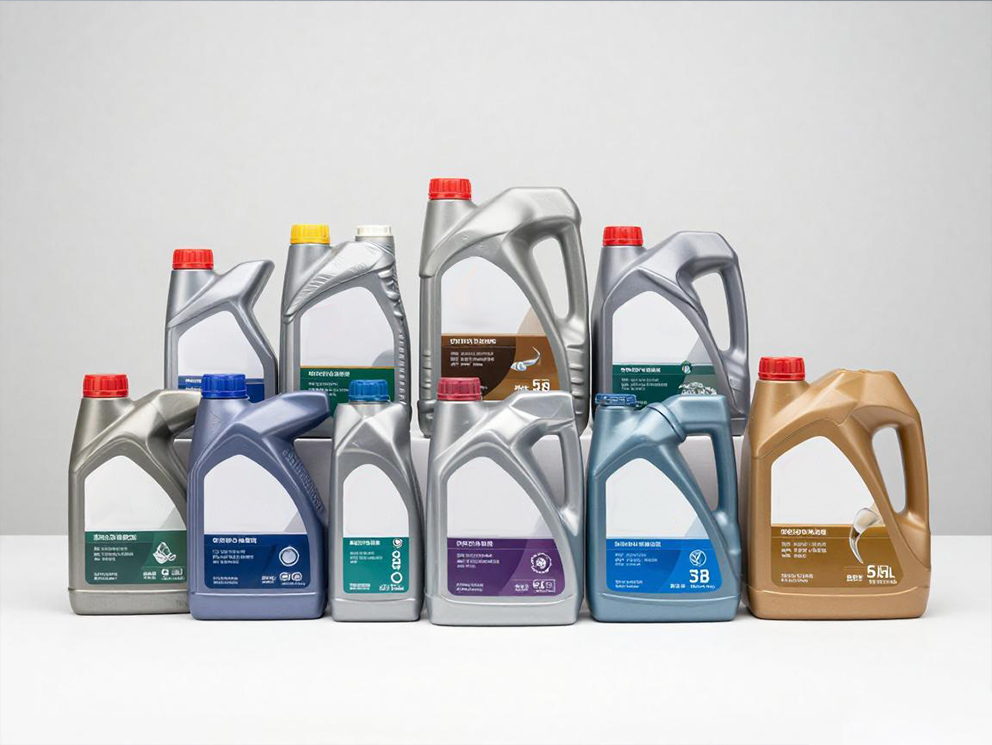
Lubricant and oil manufacturers commonly use piston filling systems for engine oil, hydraulic fluid, brake fluid, and industrial lubricants. These products require stable volumetric filling and reliable anti-drip performance.
In detergent and household product production, bottle filling machines handle dishwashing liquid, laundry detergent, hand soap, and floor cleaner. Since many cleaning products generate foam during filling, specialized nozzle systems and filling speed control are important for maintaining stable operation.
Cosmetic and personal care manufacturers also use bottle filling equipment for shampoos, lotions, gels, creams, and liquid soap products. Flexible bottle handling systems allow quick adjustment between different packaging formats.
Automation and Customization
Industrial manufacturers often require customized filling solutions rather than standard equipment. Bottle filling machines can be configured according to production capacity, bottle size range, product viscosity, and factory layout.
Common customization options include:
· Multiple filling heads
· Explosion-proof electrical systems
· Servo-driven filling control
· Automatic bottle positioning
· Heating and mixing tanks
· CIP cleaning systems
· Automatic cap feeding systems
· Stainless steel or chemical-resistant construction
· PLC control systems with touch screen interfaces allow operators to adjust filling volume, production speed, and machine parameters easily. Many systems also support recipe storage for quick product changeover.
· For factories producing flammable liquids, explosion-proof motors, electrical cabinets, and pneumatic systems can be integrated to improve operational safety.
Maintenance and Operational Stability
Regular maintenance is essential for maintaining filling accuracy and extending machine lifespan. Well-designed bottle filling machines simplify cleaning and component replacement to reduce downtime during routine maintenance.
Daily maintenance tasks usually include cleaning nozzles, checking seals, inspecting pneumatic pressure, and monitoring sensor operation. Machines handling corrosive or sticky liquids may require more frequent cleaning procedures.
Modular machine structures also improve maintenance efficiency because damaged or worn components can be replaced quickly without affecting the entire production line.
FAQ
1)Which filling system is suitable for thick liquids?
Piston filling systems are commonly used for high-viscosity products because they provide accurate volumetric filling.
2)Can the machine handle different bottle sizes?
Yes. Most bottle filling machines support adjustable bottle guides and programmable settings for different container sizes.
3)Is automatic operation available?
Yes. Modern bottle filling systems can operate fully automatically with PLC control and conveyor synchronization.
4)Can the machine be integrated with other packaging equipment?
Yes. Bottle filling machines are commonly connected with capping, labeling, sealing, and carton packing systems.
Industrial Bottle Filling Solutions from MIC Machinery
MIC Machinery provides industrial bottle filling equipment for chemical, lubricant, detergent, cosmetic, and liquid packaging industries. The machines are designed for reliable operation, flexible production requirements, and integration into automated packaging lines.
With customizable configurations, stable filling performance, and industrial-grade construction, bottle filling systems help manufacturers improve packaging efficiency while maintaining consistent product quality in demanding production environments.