Manual Bottle Filling Machine——Practical Filling Solution for Small-Scale and Flexible Production
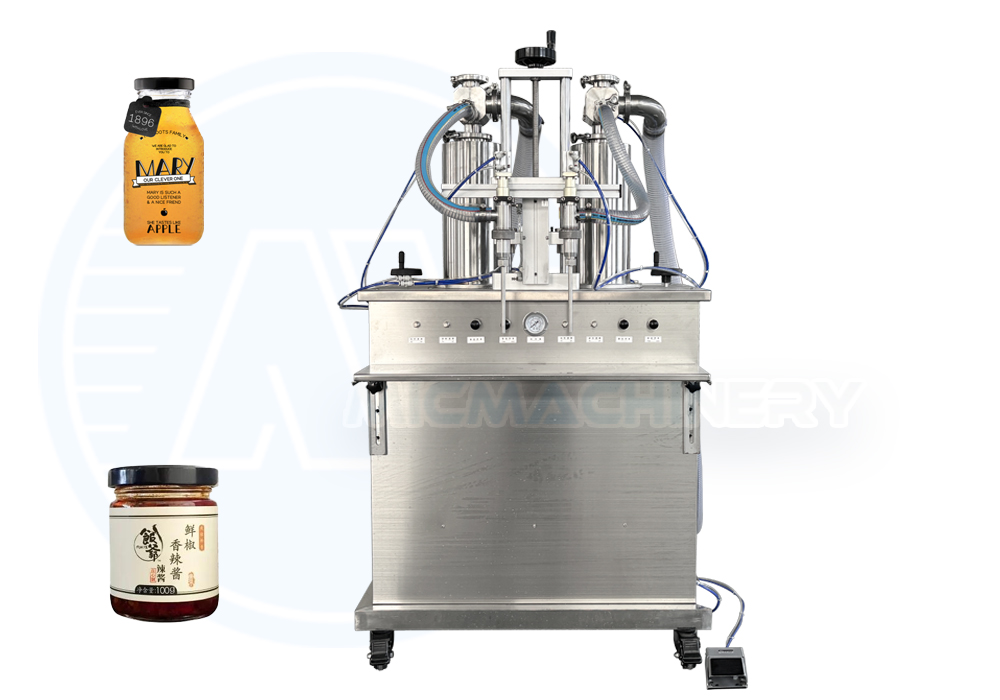
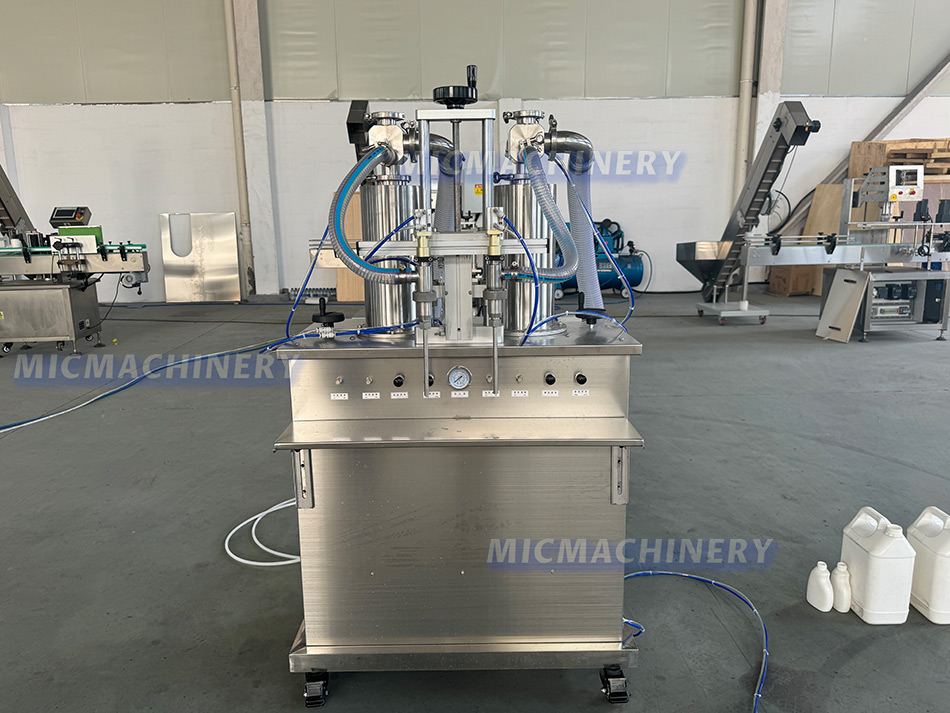
A Manual Bottle Filling Machine is designed for controlled and efficient filling of liquids into bottles when full automation is not required or not economically justified. It is commonly used in small production workshops, pilot lines, laboratories, and flexible manufacturing environments where operators need direct control over filling speed and volume. MIC Machinery designs manual filling systems that maintain industrial-grade accuracy while keeping operation simple, stable, and easy to maintain across different product types.
Working Process
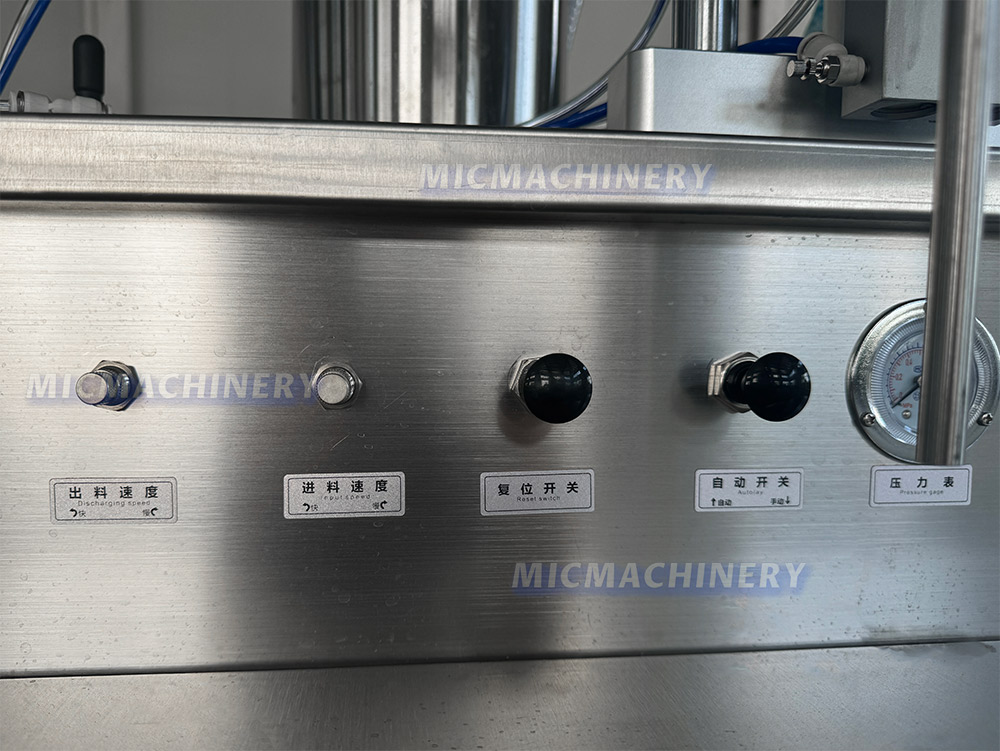
The filling process begins with the operator placing an empty bottle under the filling nozzle. In manual systems, a foot pedal or hand trigger activates the filling cycle, allowing direct control over timing and volume.
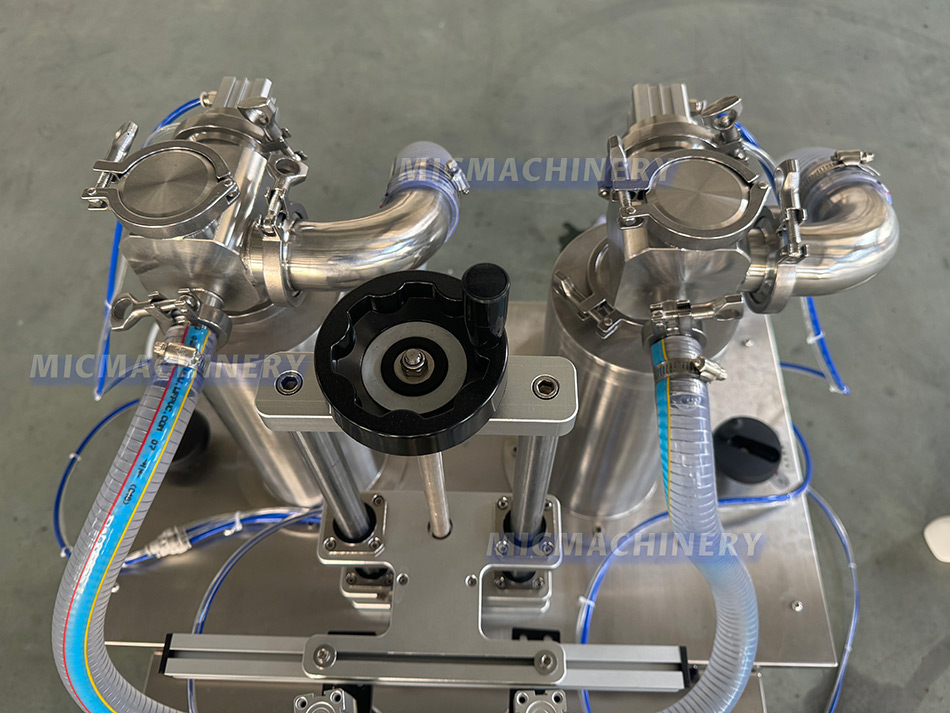
For piston-type manual filling machines, the product is drawn into a cylinder during the intake phase and then dispensed into the container when the operator activates the control mechanism. The stroke length of the piston determines the filling volume, which can be adjusted according to product requirements.
Some models use semi-pneumatic assistance to improve filling consistency, especially for slightly viscous liquids. Anti-drip nozzles help prevent leakage at the end of each filling cycle, maintaining a clean working environment.
Once filling is completed, the operator removes the bottle and places the next one in position. Although the process is manual, the system ensures stable dosing accuracy and repeatable filling results.
Video Demonstration
Applications
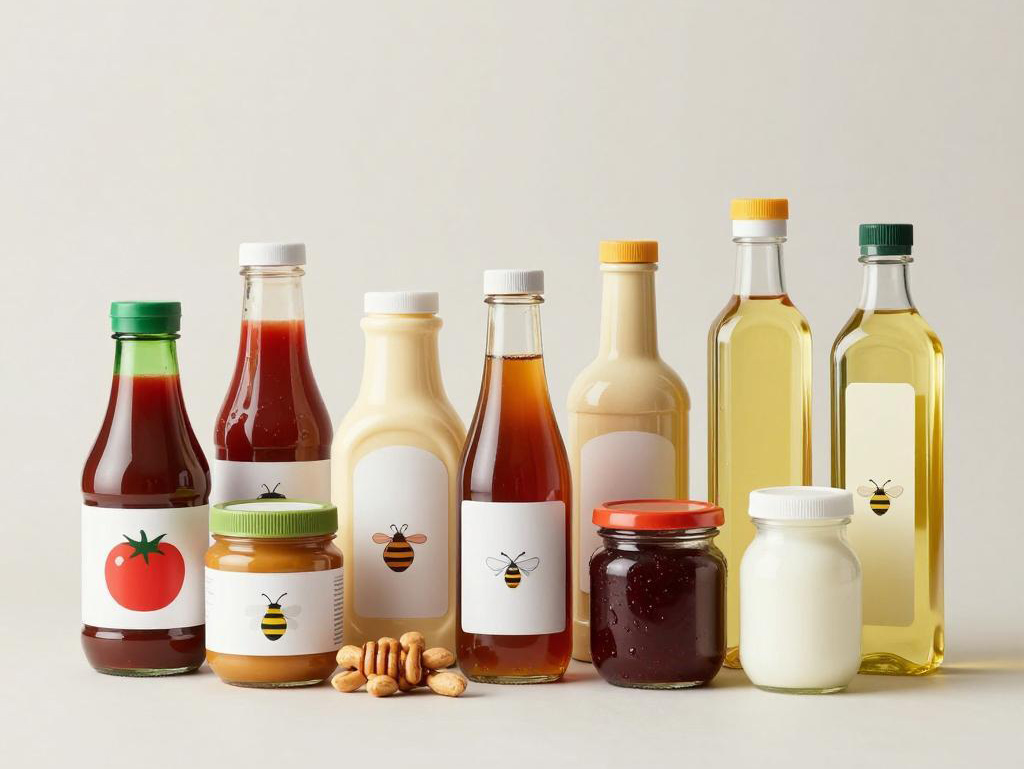
Food Industry
Used for small-batch filling of sauces, oils, honey, syrup, flavor extracts, and other food-grade liquids where flexible production is required.
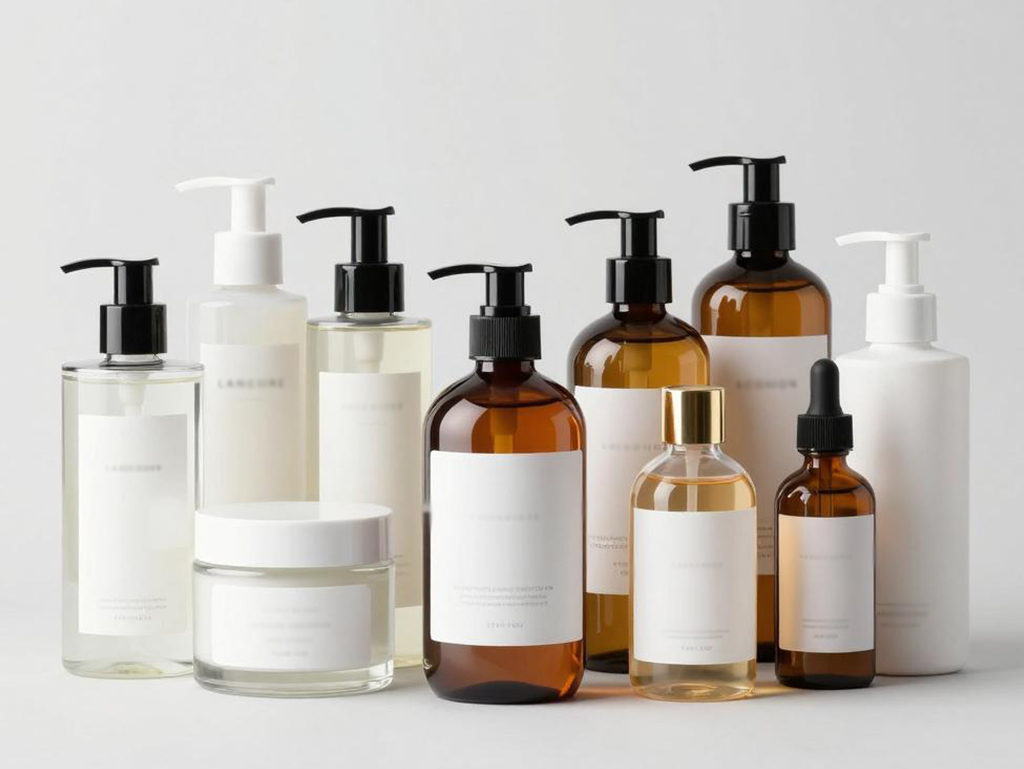
Cosmetic Industry
Suitable for lotions, creams, shampoos, essential oils, and personal care liquids in boutique or sample production lines.
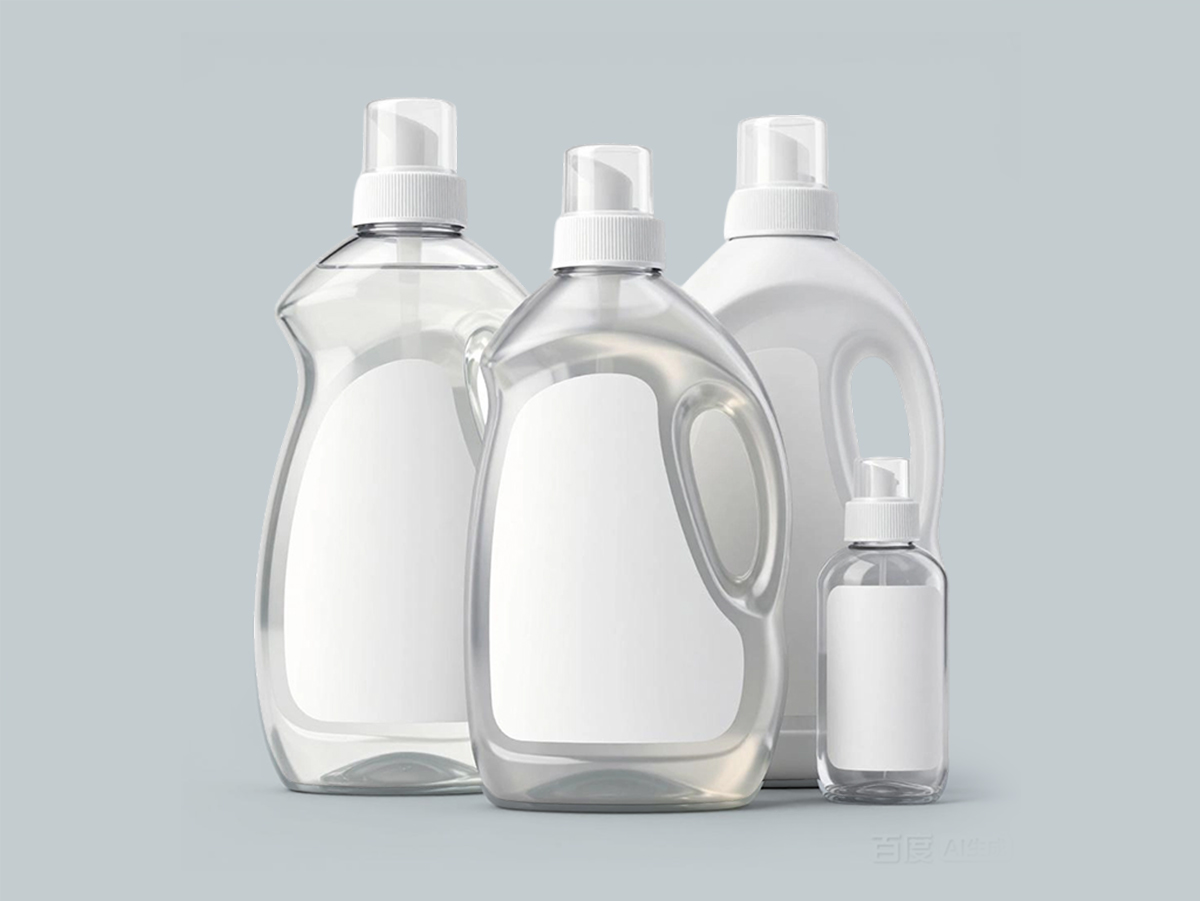
Chemical Industry
Commonly applied for detergents, cleaning liquids, solvents, laboratory chemicals, and small-volume industrial formulations.
Customization Options
MIC Machinery offers flexible customization for manual bottle filling machines to meet different production needs:
· Single or dual nozzle configurations
· Piston volume adjustment systems
· Anti-corrosion material selection for chemical products
· Heating system for viscous liquids
· Different nozzle sizes for various bottle openings
· Quick-cleaning structure for fast product changeover
These configurations allow the machine to adapt to both light industrial and specialized production environments.
Maintenance and Daily Operation
Manual bottle filling machines are structurally simple, but regular maintenance ensures stable performance and long service life.
Operators should routinely check:
· Piston seals and O-rings for wear
· Nozzles for clogging or residue buildup
· Stainless steel surfaces for cleanliness
For chemical products, flushing the filling cylinder and nozzle helps prevent corrosion or blockage.Periodic lubrication of moving components and inspection of sealing parts helps maintain smooth operation and consistent filling accuracy.
FAQ
1)What types of products can it fill?
It can handle liquids, light viscous products, oils, sauces, cosmetics, detergents, and some chemical solutions.
2)Is it accurate enough for commercial production?
Yes. Despite manual operation, piston-based systems provide consistent filling accuracy suitable for small to medium-scale commercial use.
3)Can the machine handle viscous liquids?
Yes. With piston-assisted design, it can handle light to medium viscosity products such as creams, syrups, and lotions.
4)Is it easy to clean and maintain?
Yes. The structure is simple, and most components are easy to disassemble and clean, making it suitable for frequent product changeovers.
5)Can it be upgraded to automatic later?
In some cases, manual systems can be upgraded with pneumatic or semi-automatic components depending on the machine design.
Compact and Flexible Filling Solution
A Manual Bottle Filling Machine provides a practical balance between control, accuracy, and flexibility for small-scale production environments. It is especially suitable for workshops, laboratories, and niche manufacturing where production volume is moderate but product variation is high.