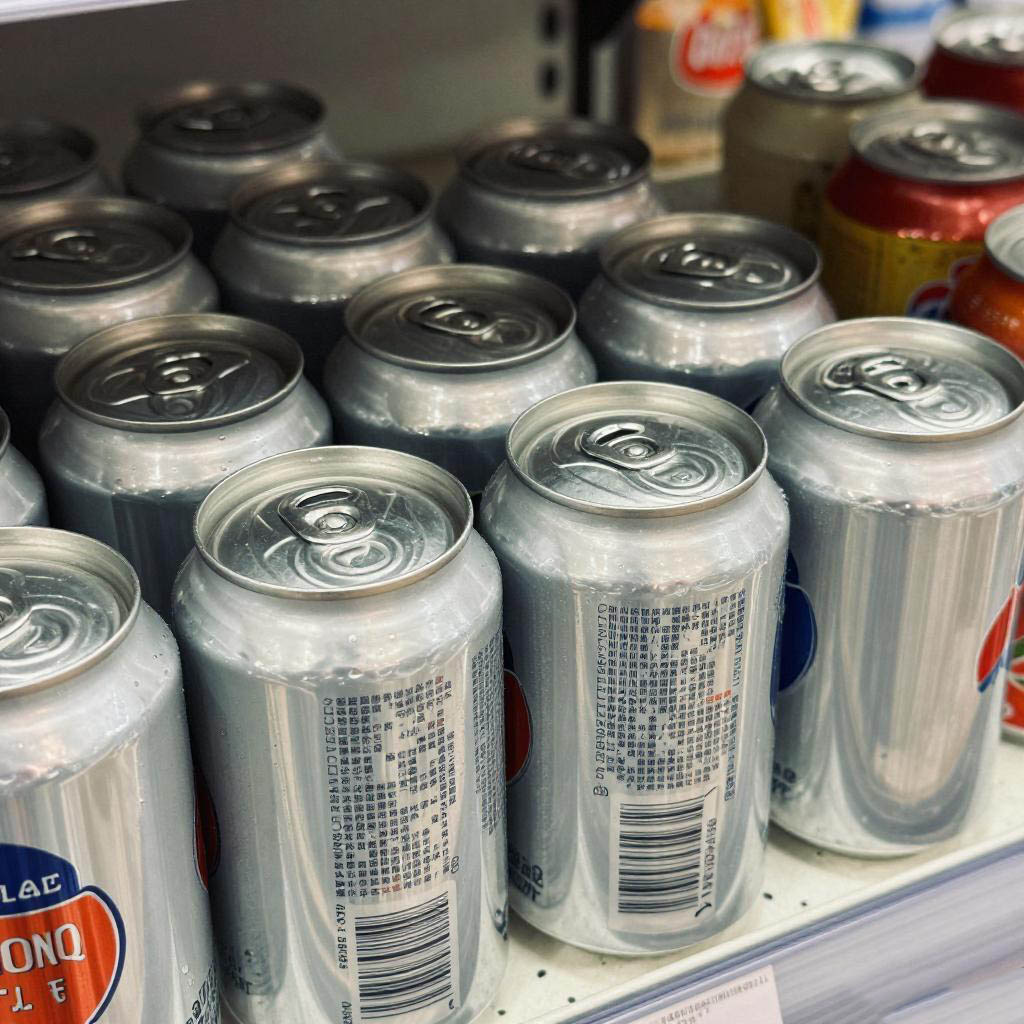
Can Labeling Machine——Automatic Tin & Metal Can Labeling System
In industrial packaging, metal cans remain one of the most durable and widely used container formats for food, beverages, chemicals, lubricants, and aerosol products. However, labeling cylindrical cans presents its own technical challenges. The smooth metal surface, high-speed production demands, and strict alignment requirements mean that inconsistent labeling can easily affect product appearance and brand consistency.
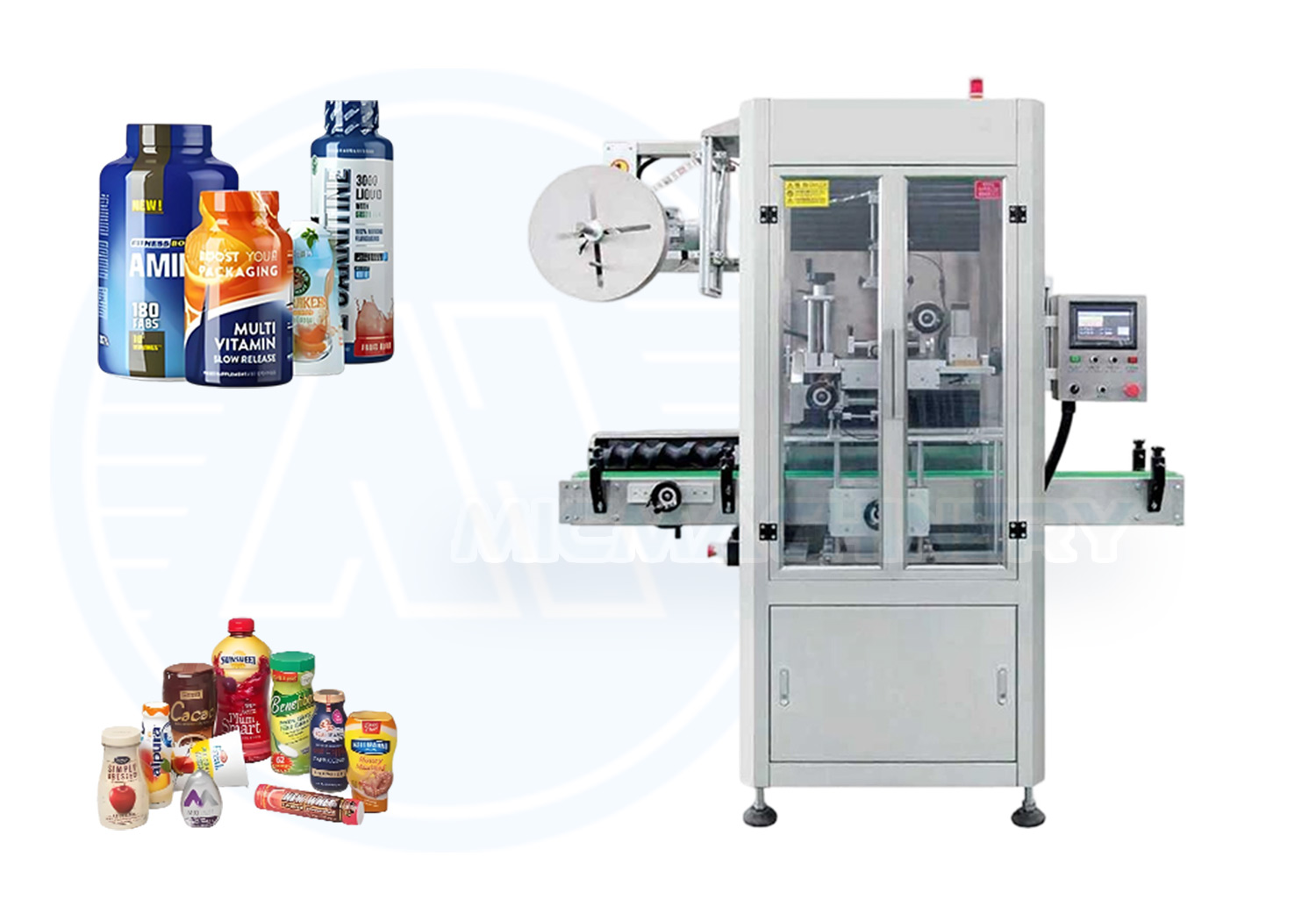
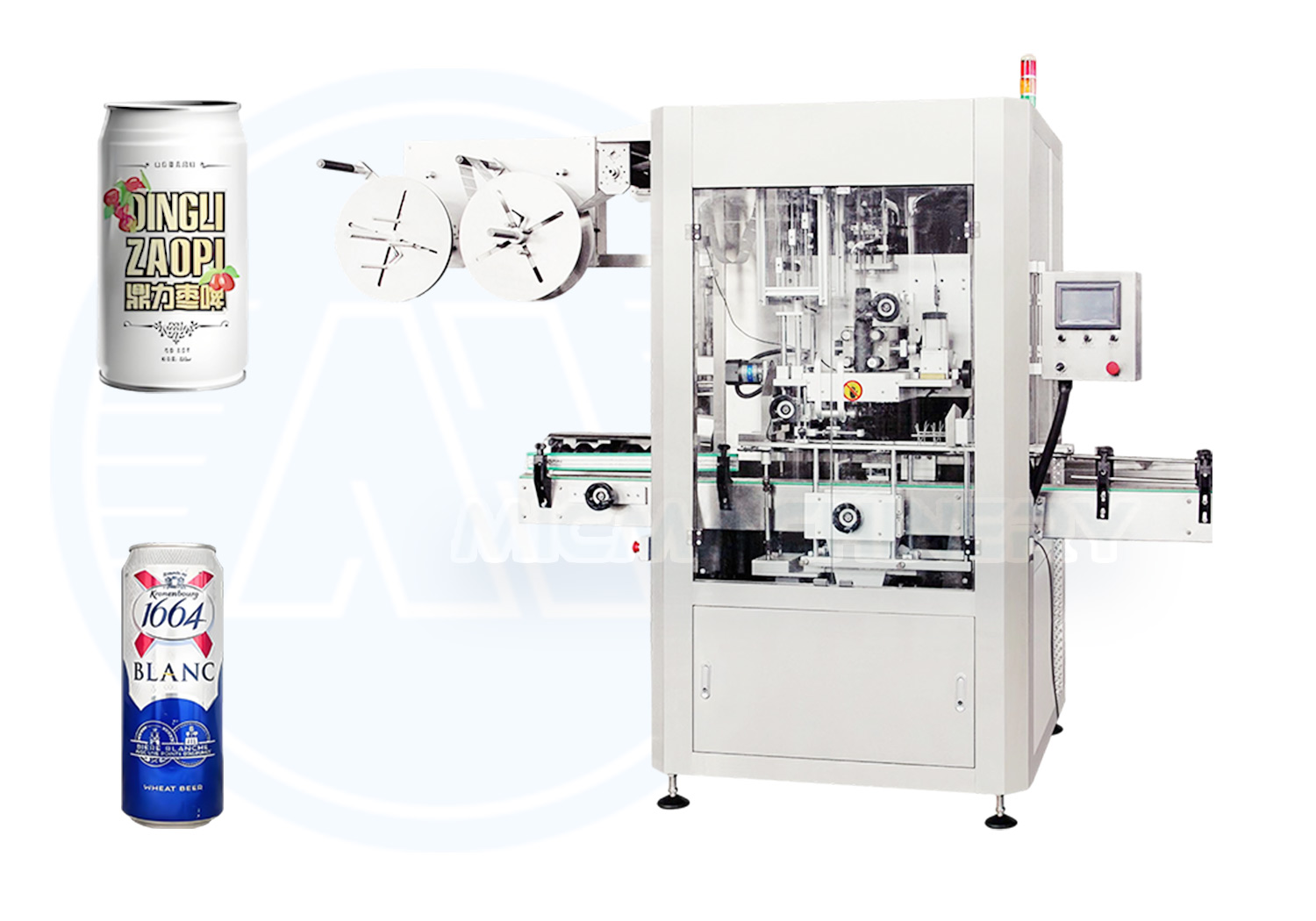
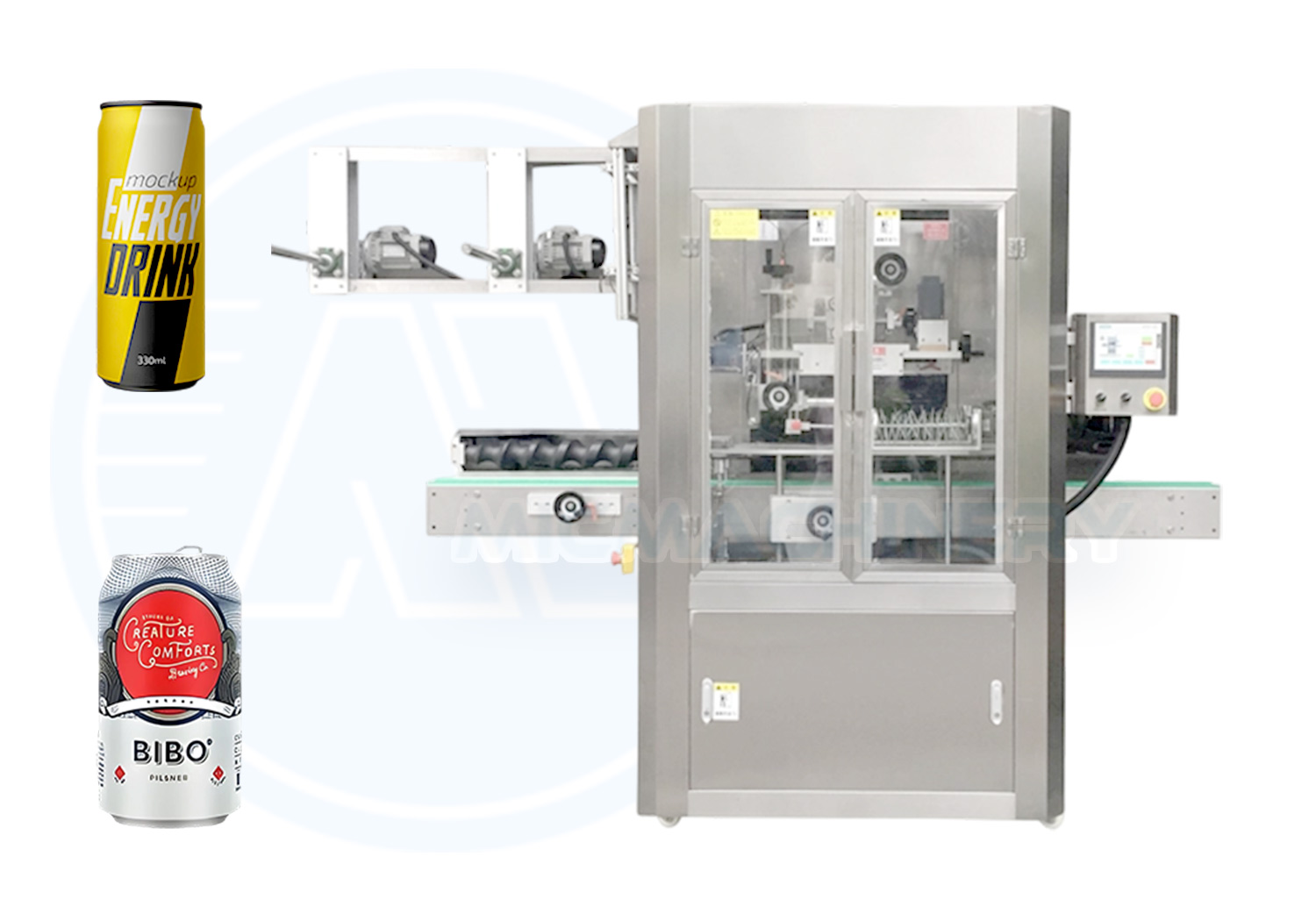
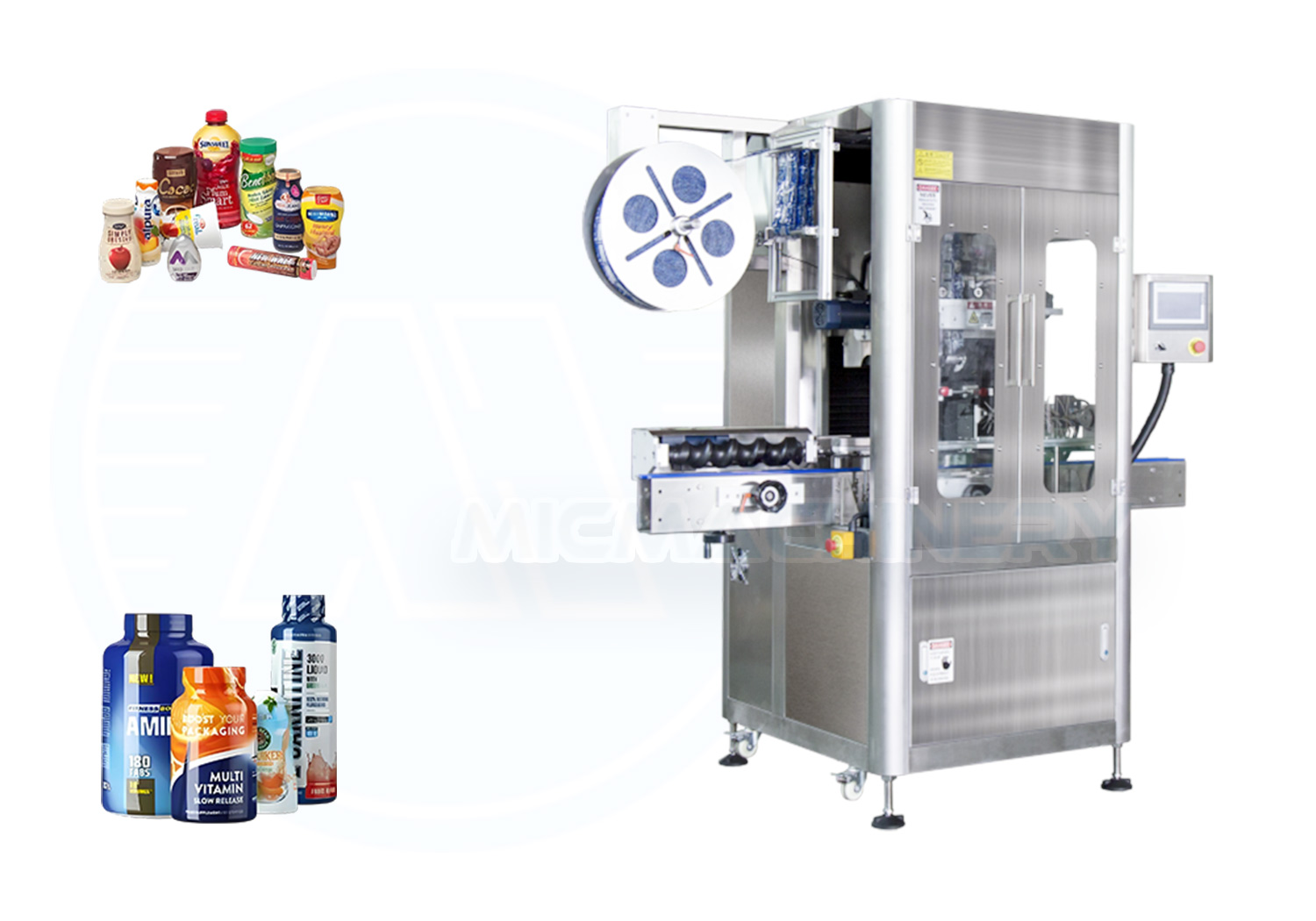
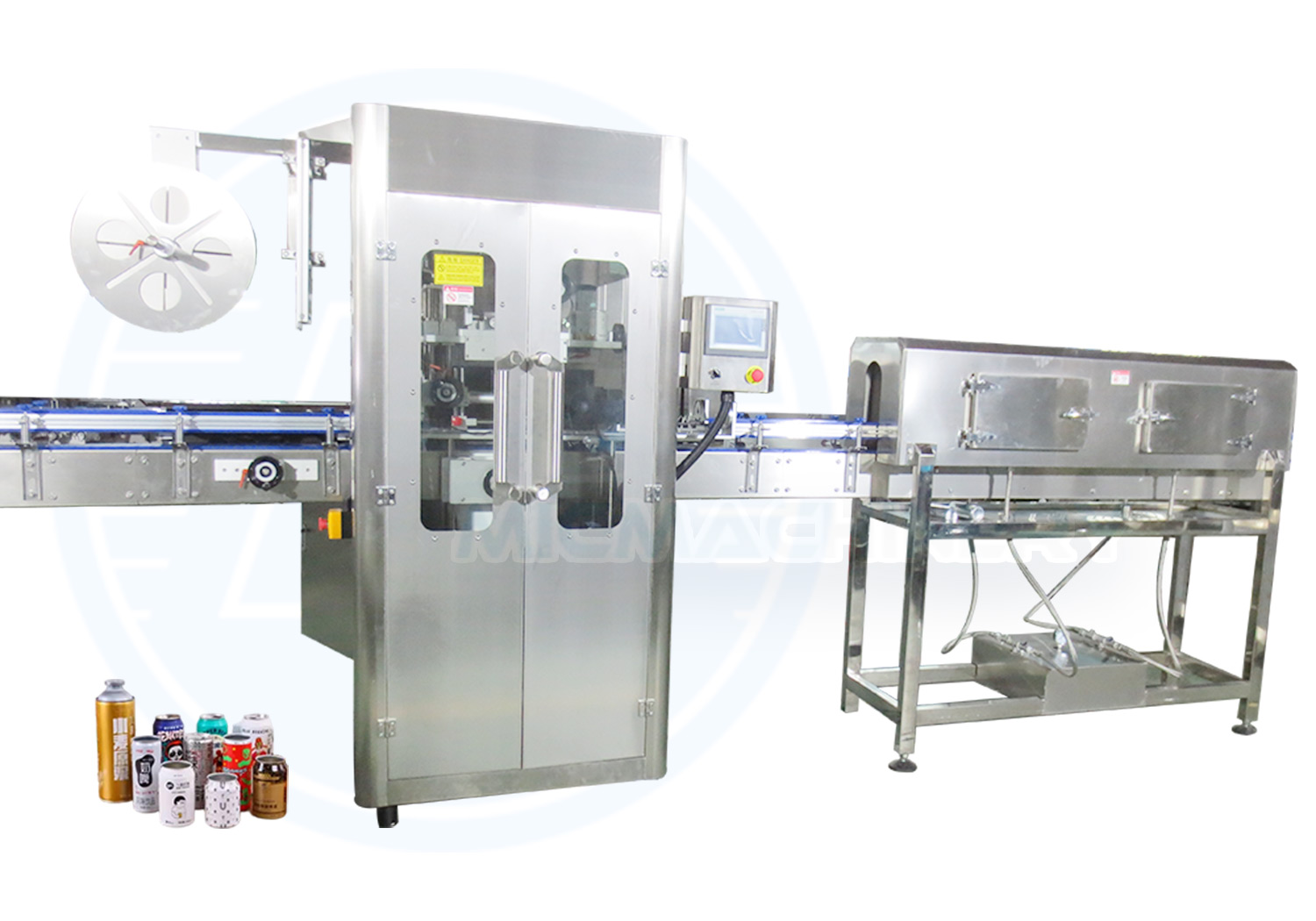
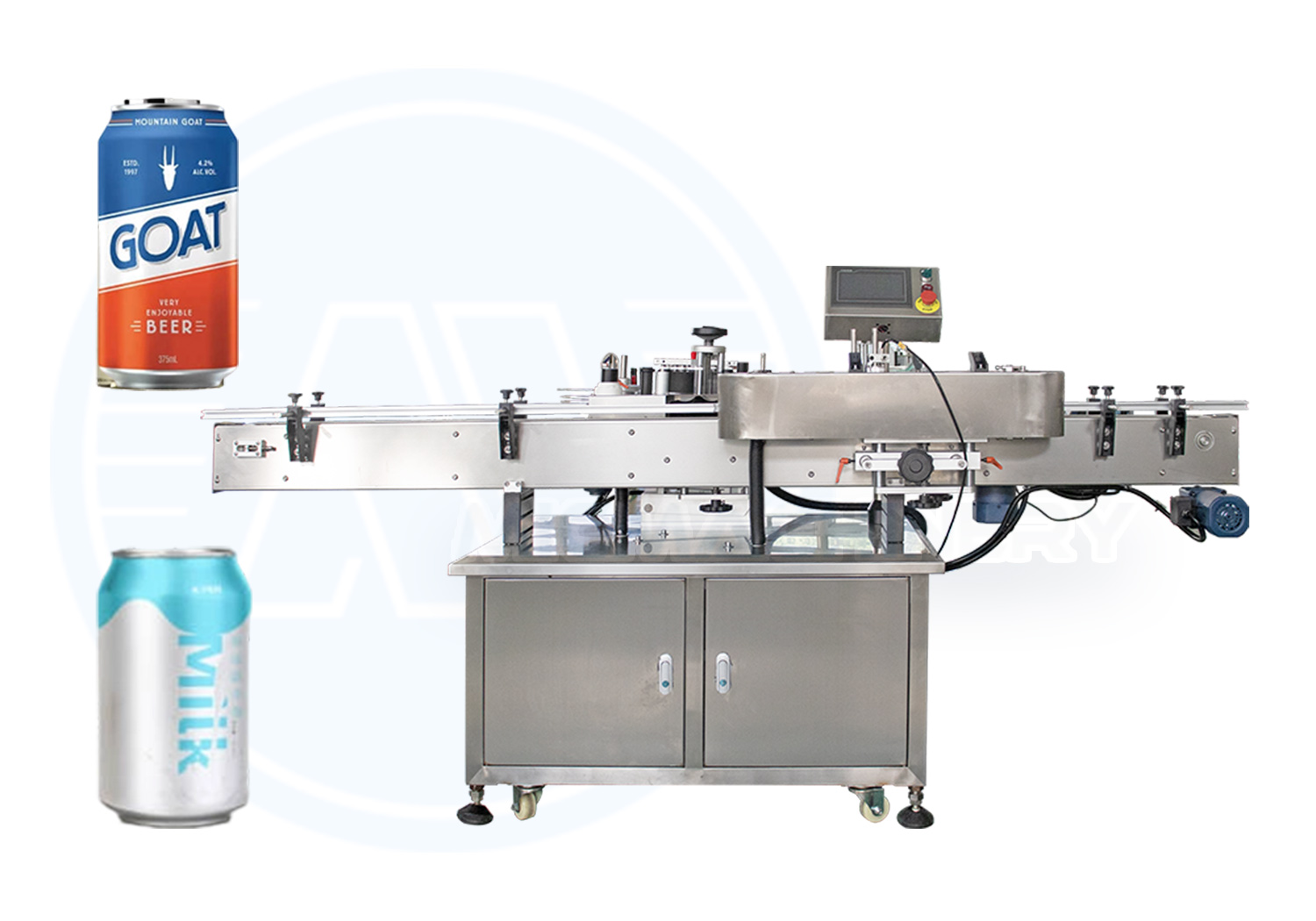
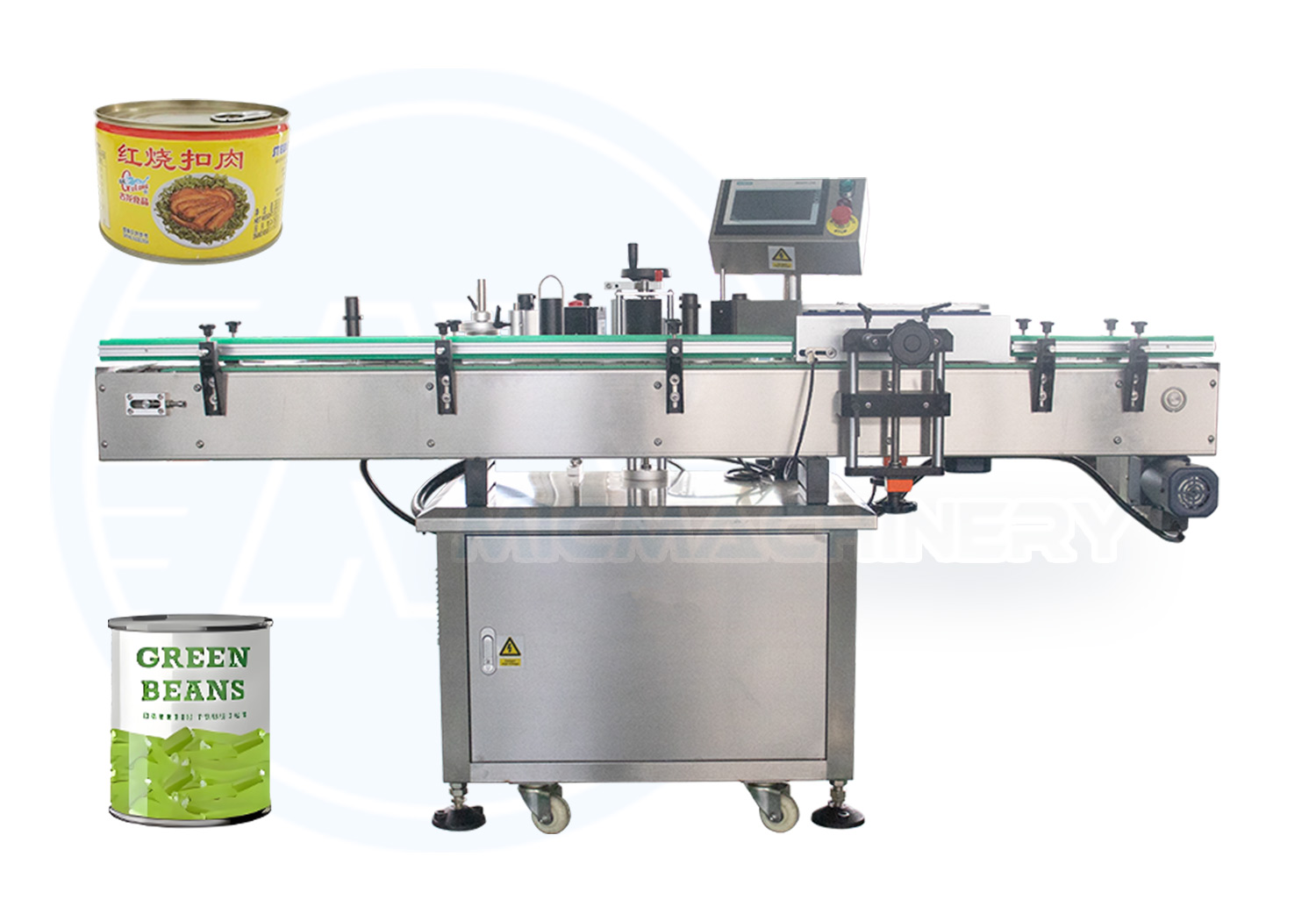
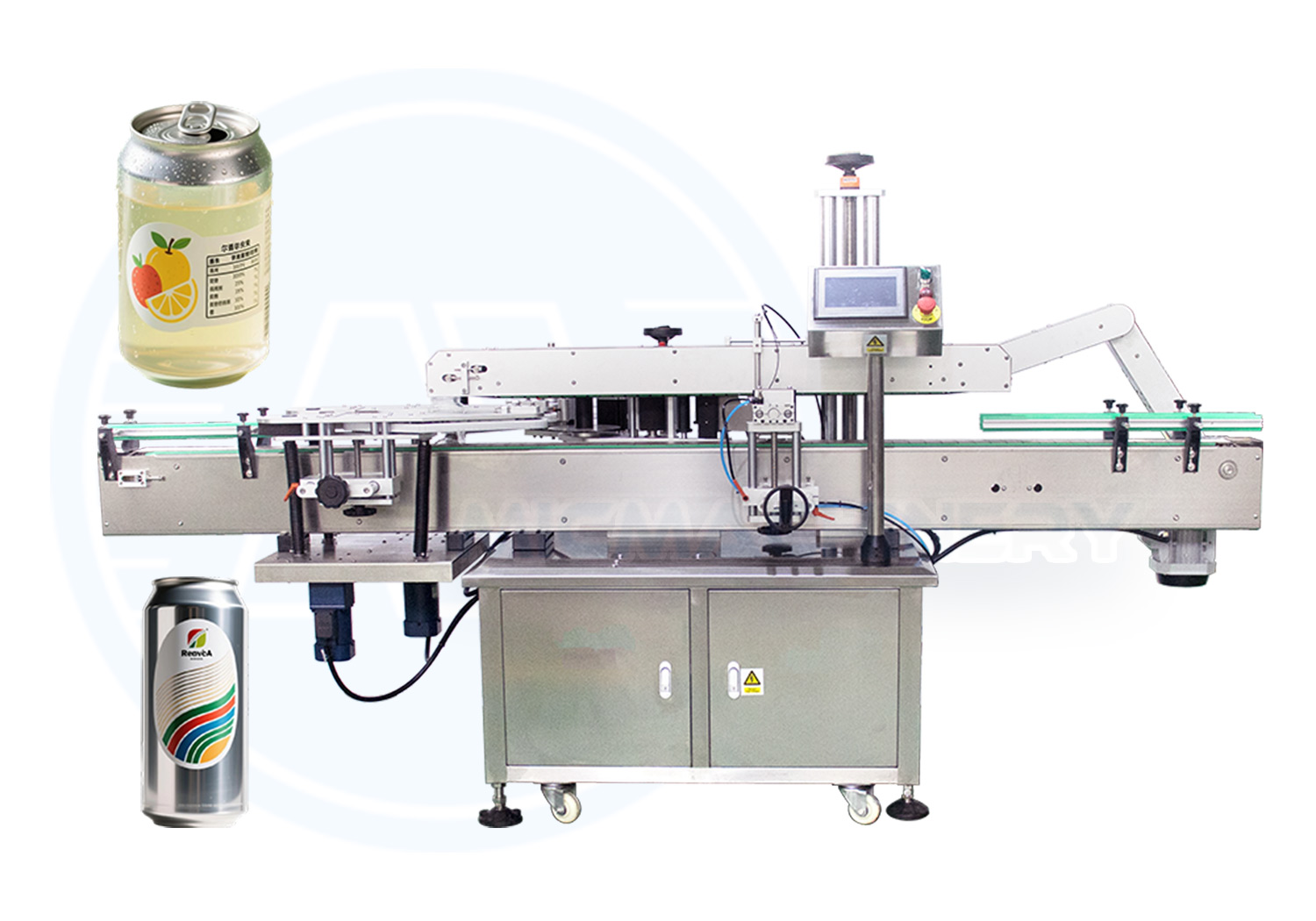
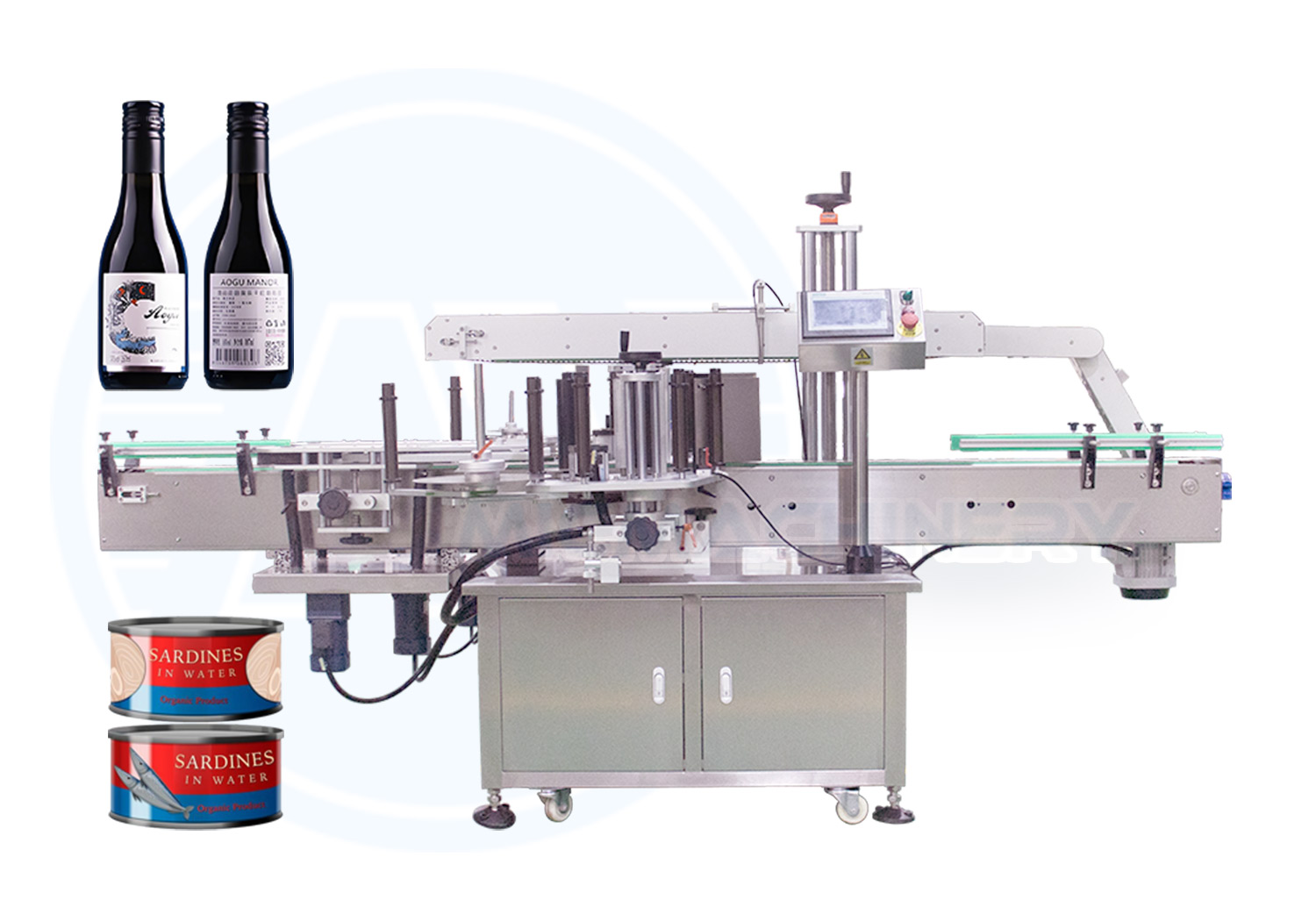
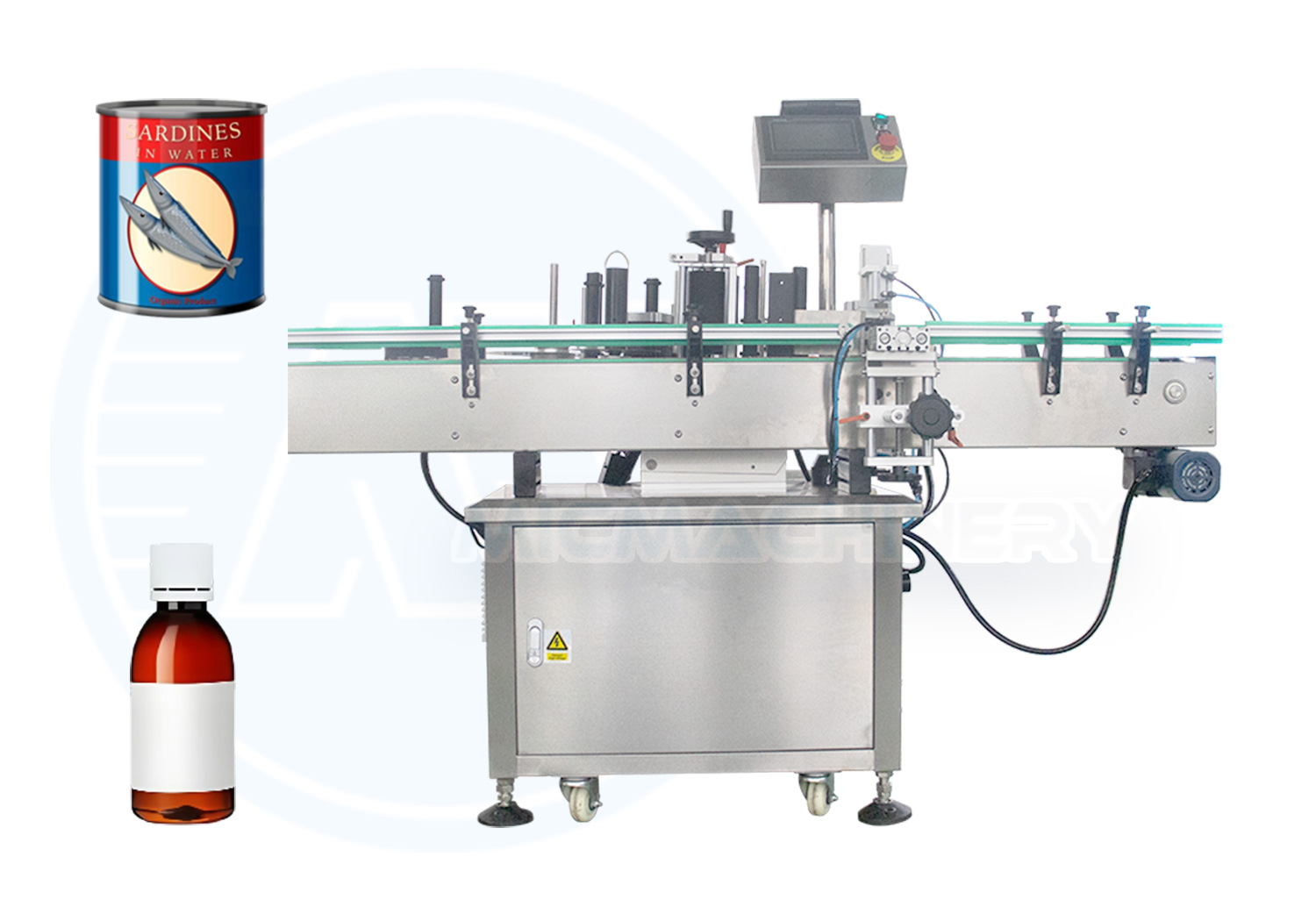
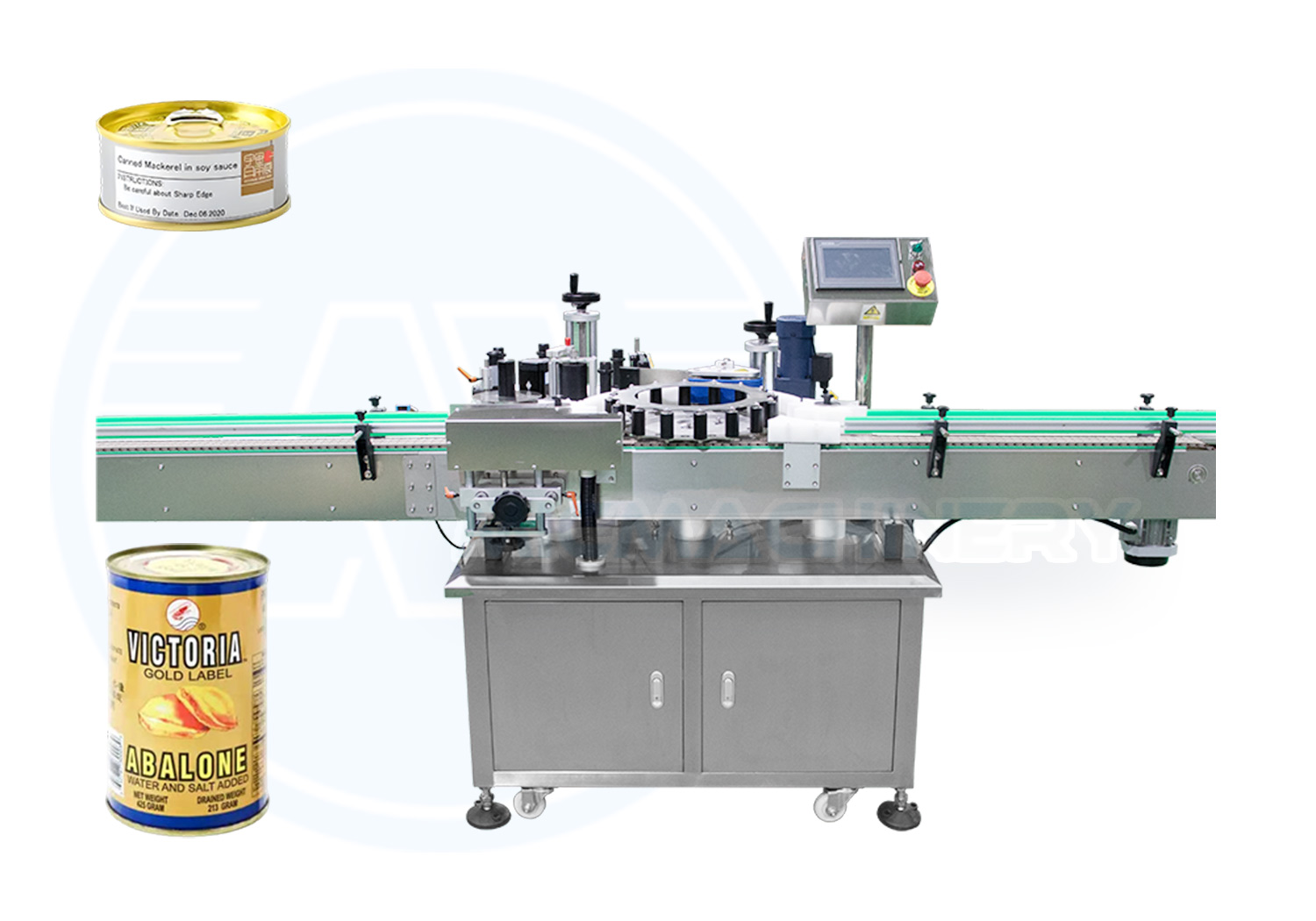
The Can Labeling Machine developed by MIC Machinery is designed specifically for cylindrical metal cans and rigid containers. It delivers stable, high-precision label application for round cans used in food processing, beverage production, chemical packaging, and industrial manufacturing.
Unlike general bottle labeling systems, can labeling equipment must handle thinner labeling tolerances, higher surface rigidity, and sometimes reflective surfaces that require more accurate sensor detection and label positioning control.
Working Process
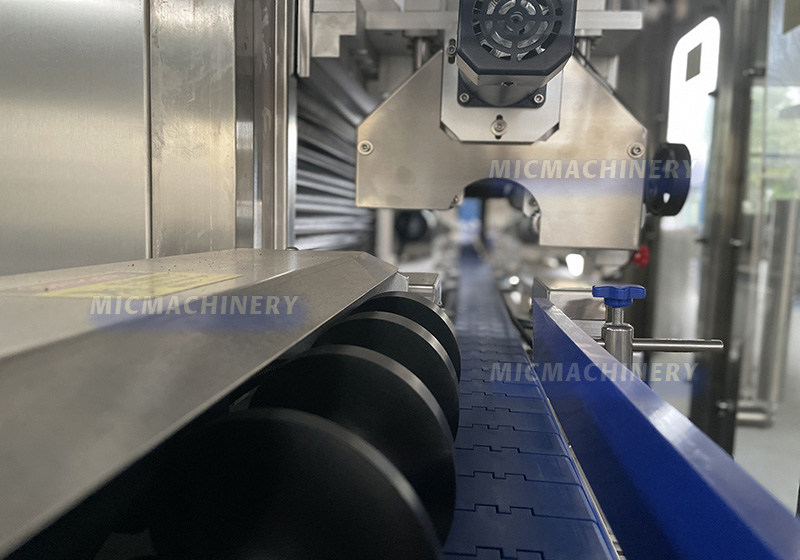
The can labeling process begins when empty or filled cans are transferred into the conveyor system from upstream production equipment such as filling machines or sealing machines. Guide rails align each can to ensure consistent positioning before labeling.
A spacing control system regulates the distance between cans to maintain stable labeling timing. Photoelectric sensors detect each incoming can and trigger the label dispensing system at the precise moment required.
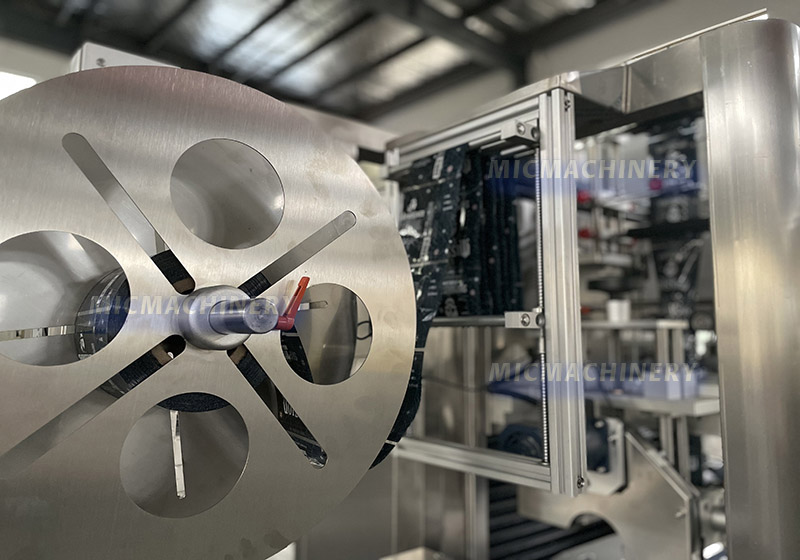
The servo-driven labeling mechanism releases the label while synchronizing with the conveyor speed. As the can moves through the labeling station, it rotates smoothly via side rollers or belt systems, allowing the label to wrap evenly around the cylindrical surface.
Pressure rollers ensure full adhesion of the label onto the can surface, eliminating air pockets and ensuring a firm bond even on metallic or slightly curved surfaces. For partial labeling applications, the system stops label application at predefined positions with high repeat accuracy.
Once labeling is complete, cans continue along the conveyor toward downstream processes such as inkjet coding, inspection, packing, or palletizing. The PLC system continuously monitors sensor input, conveyor speed, and servo synchronization to maintain stable production performance.
Video Demonstration
Applications
The Can Labeling Machine is widely used in industries requiring durable cylindrical packaging and precise branding presentation.
Typical applications include:
Food cans (vegetables, fruits, seafood)
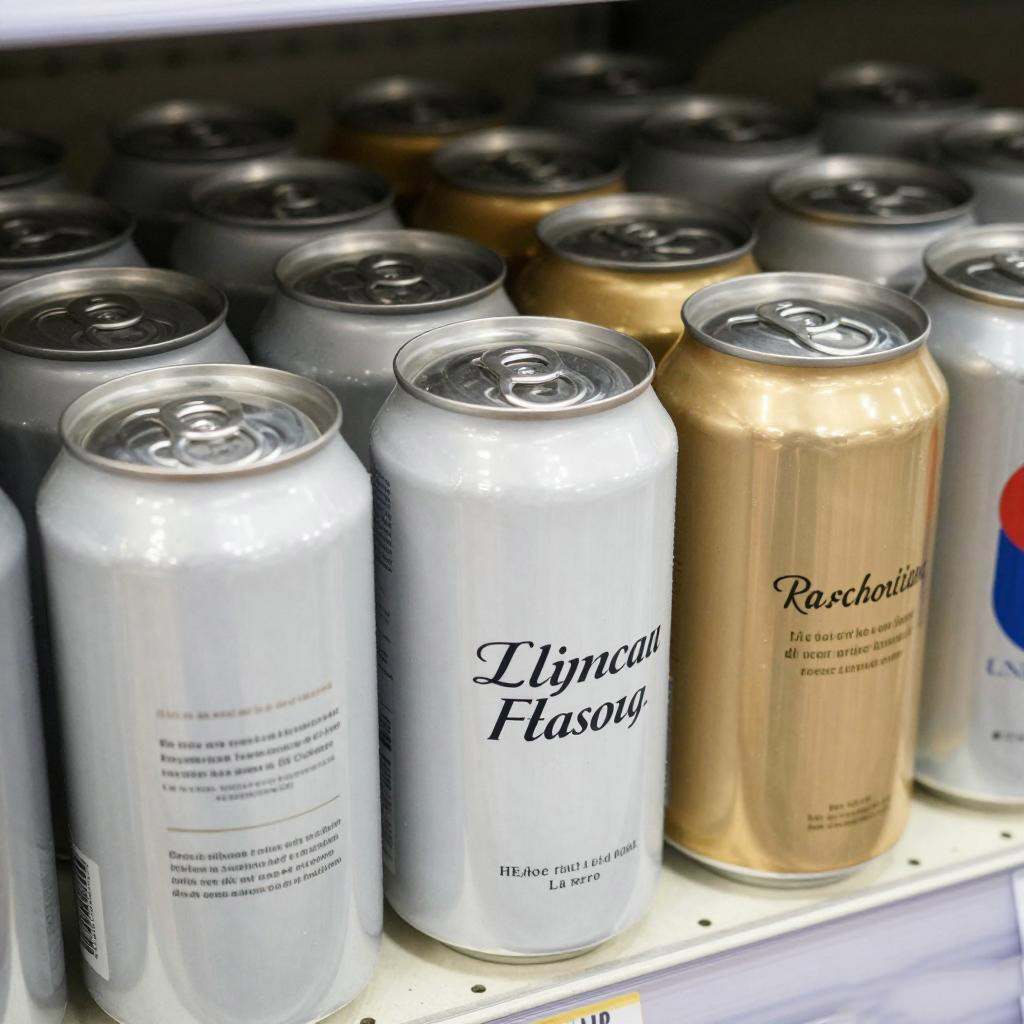
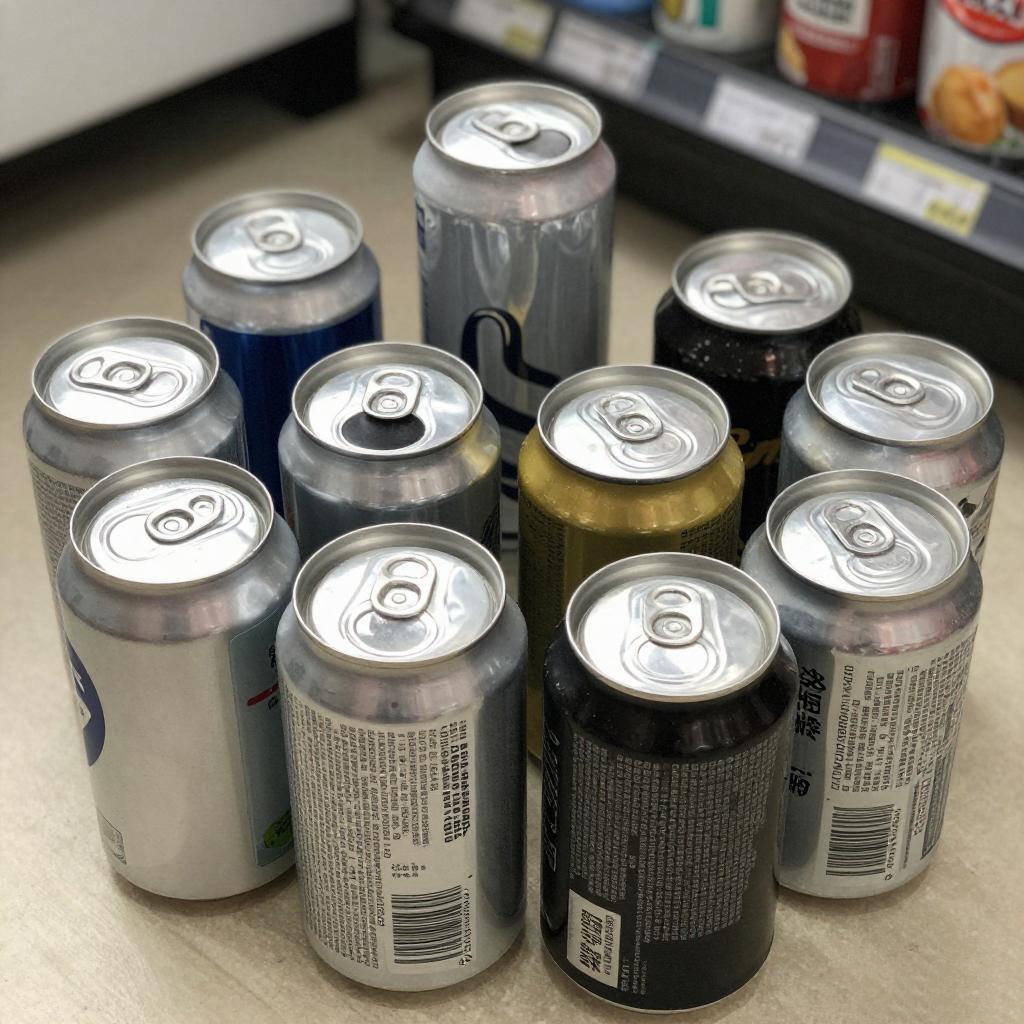
Beverage cans and tins
Powdered milk cans
Chemical product containers
Industrial lubricant cans
Paint and coating tins
Aerosol spray cans
Pharmaceutical metal containers
Nutritional supplement cans
Household cleaning chemical cans
The machine supports aluminum cans, tinplate containers, steel cans, and other rigid cylindrical packaging formats.
Customization Options
Different production requirements require flexible labeling configurations. MIC Machinery offers multiple customization options to ensure stable and efficient operation.
High-Speed Servo Labeling System
Provides synchronized label dispensing for continuous high-speed production lines.
Wrap-Around and Partial Labeling
Supports full circumference labeling or partial surface application.
Reflective Surface Sensor System
Special sensors designed for metal cans ensure accurate detection.
Integrated Coding System
Supports inkjet or laser printing for batch numbers and expiration dates.
Vision Inspection System
Optional camera systems verify label position, alignment, and print quality.
Quick Format Adjustment
Allows fast switching between different can diameters and heights.
Full Production Line Integration
The machine integrates with filling, sealing, coding, inspection, and packaging systems for fully automated production lines.
Maintenance and Operation
Routine maintenance is essential to ensure labeling accuracy and long-term machine stability. Daily cleaning should include rollers, label paths, sensors, and conveyor surfaces to prevent dust or adhesive buildup.
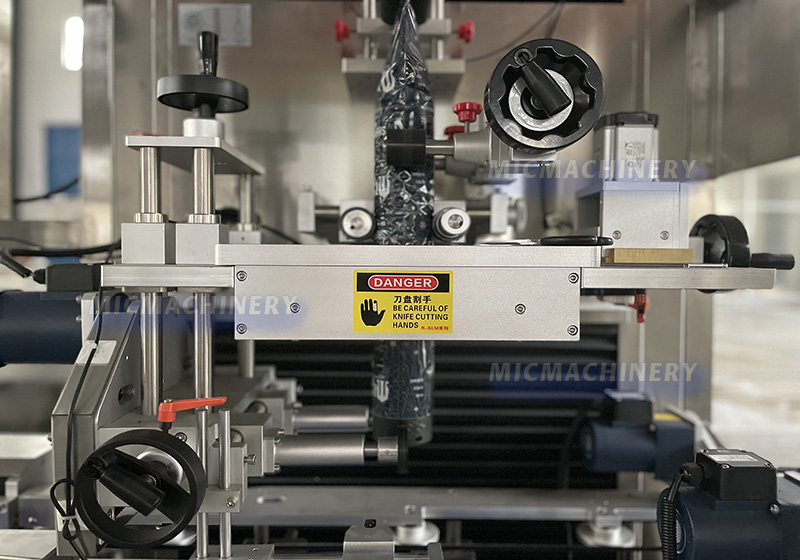
Weekly inspections should check servo motor synchronization, label tension stability, roller wear, and sensor calibration. Guide rails and pressure rollers should be inspected for alignment accuracy.
Lubrication of mechanical components should follow the recommended schedule to ensure smooth operation. Electrical systems, PLC connections, and sensor interfaces should also be inspected regularly to prevent signal errors.
Proper preventive maintenance reduces downtime and ensures stable labeling quality in continuous industrial operation.
FAQ
Q1: What types of cans can the machine label? It supports tin cans, aluminum cans, steel cans, and other cylindrical metal containers.
Q2: Can it handle full wrap-around labeling? Yes. It is designed for both full and partial wrap labeling applications.
Q3: Is it suitable for high-speed production? Yes. It can reach up to 300 cans per minute depending on configuration.
Q4: How does it handle reflective metal surfaces? Special photoelectric sensors ensure accurate detection on reflective surfaces.
Q5: Can it be integrated into a production line? Yes. It integrates with filling, sealing, coding, and packaging equipment.
Q6: How accurate is the labeling system? Standard accuracy is approximately ±1.0 mm under normal operating conditions.
Can Labeling Machine Solutions from MIC Machinery
The MIC Machinery Can Labeling Machine is engineered for precision, stability, and durability in high-speed cylindrical packaging environments. With servo-driven control, intelligent sensing technology, and robust stainless steel construction, it provides reliable labeling performance for metal cans across food, beverage, chemical, and industrial production lines, ensuring consistent branding quality and efficient automated operation.