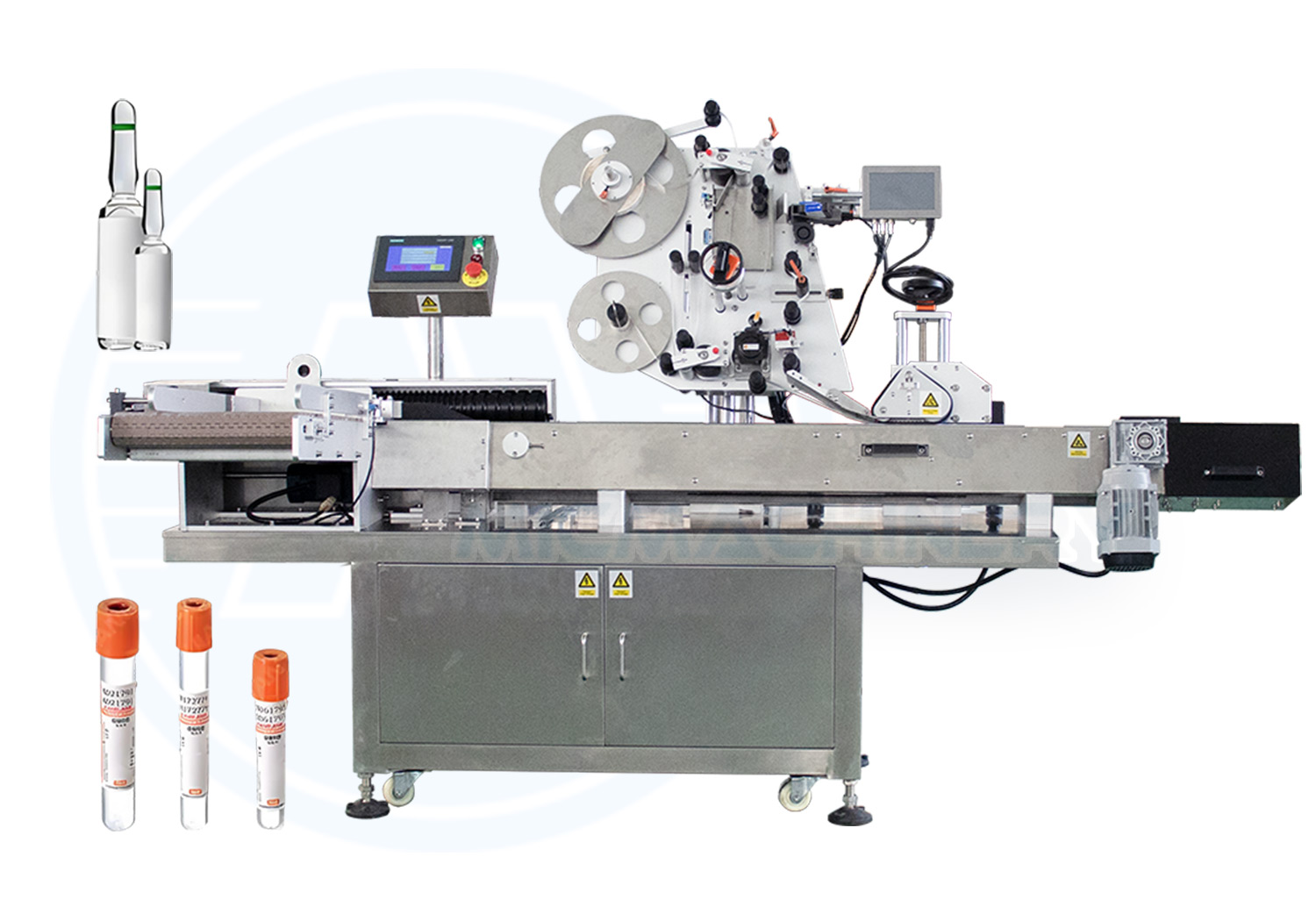
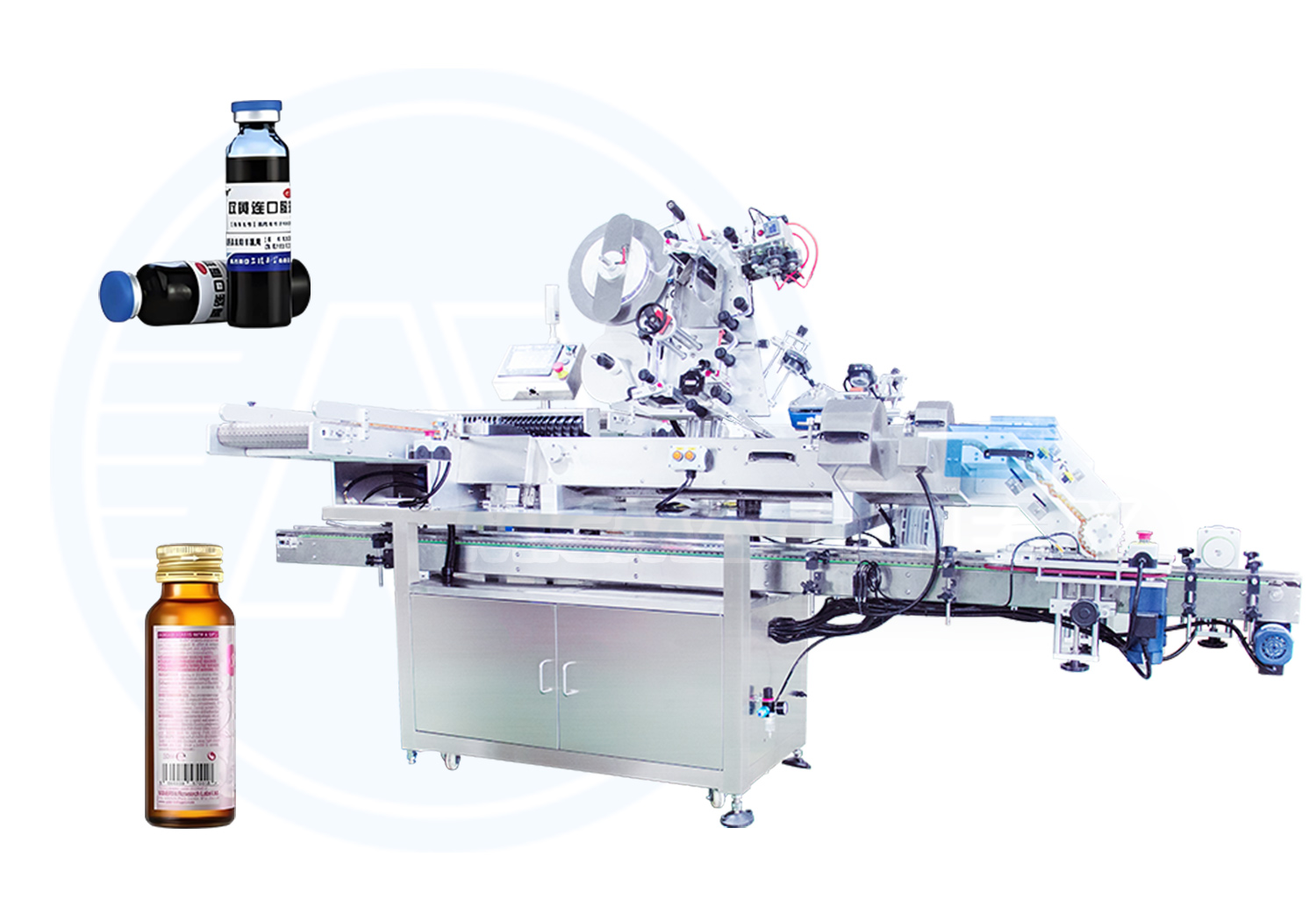
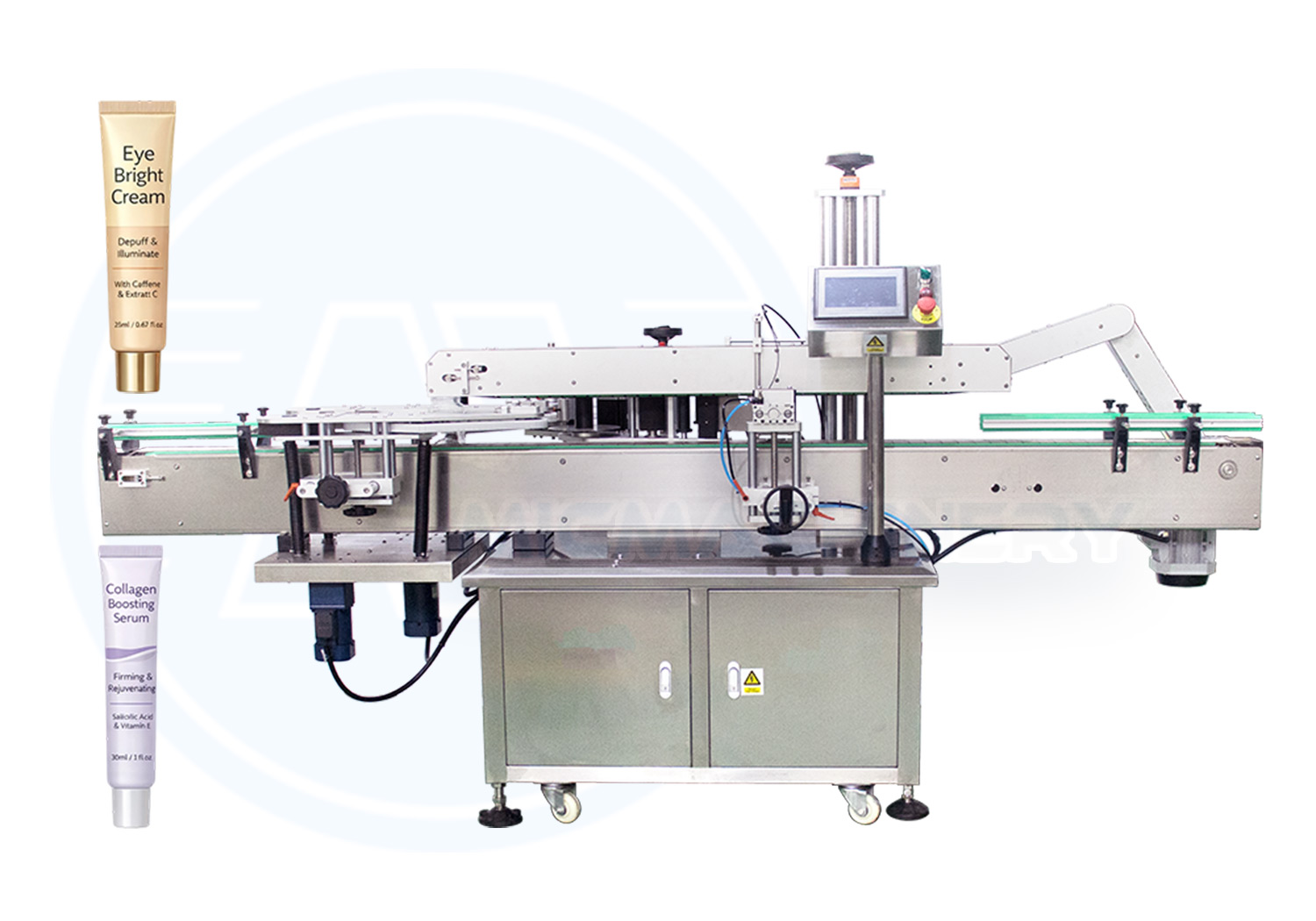
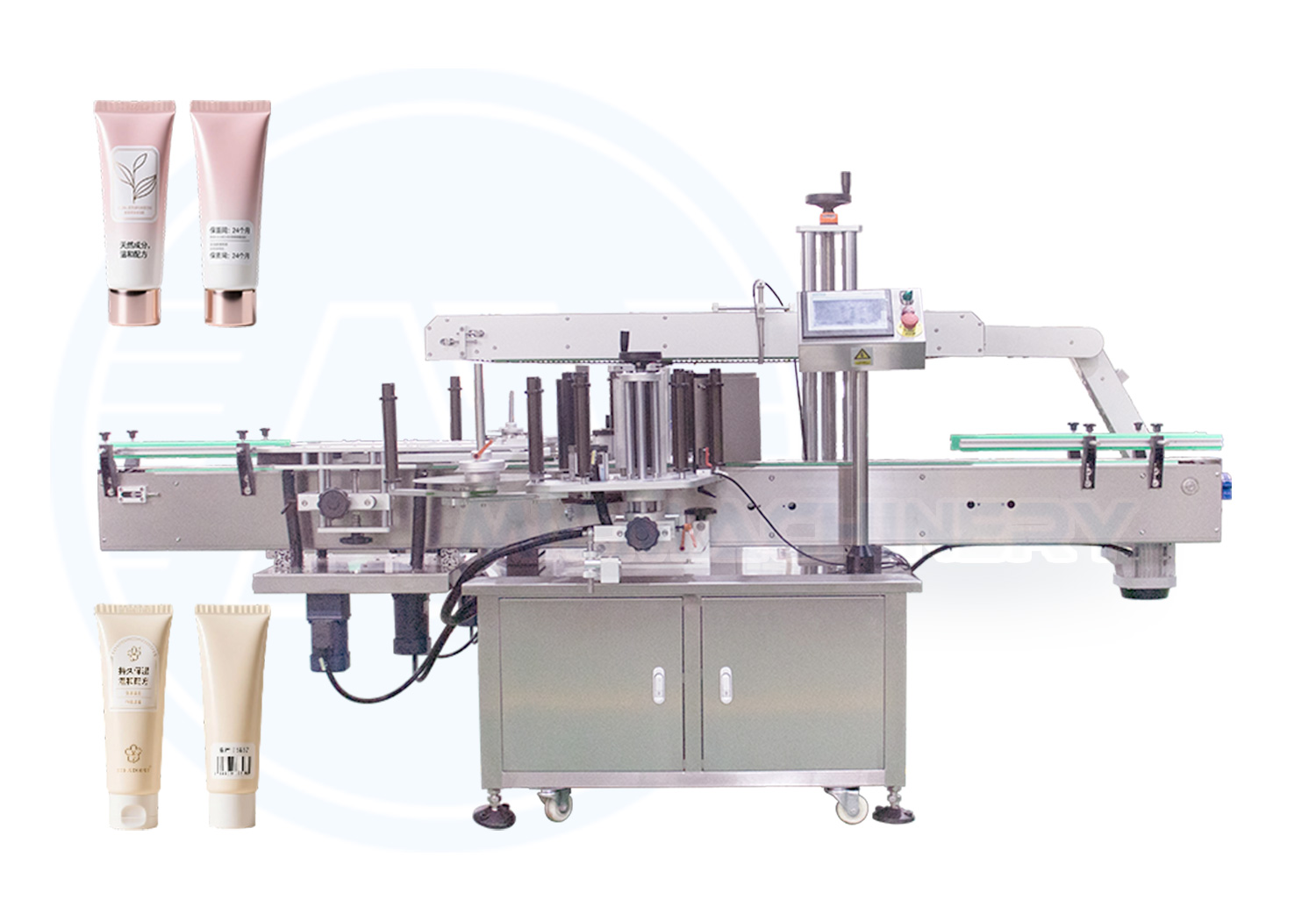
Tube Labeling Machine——Automatic Tube Label Applicator System
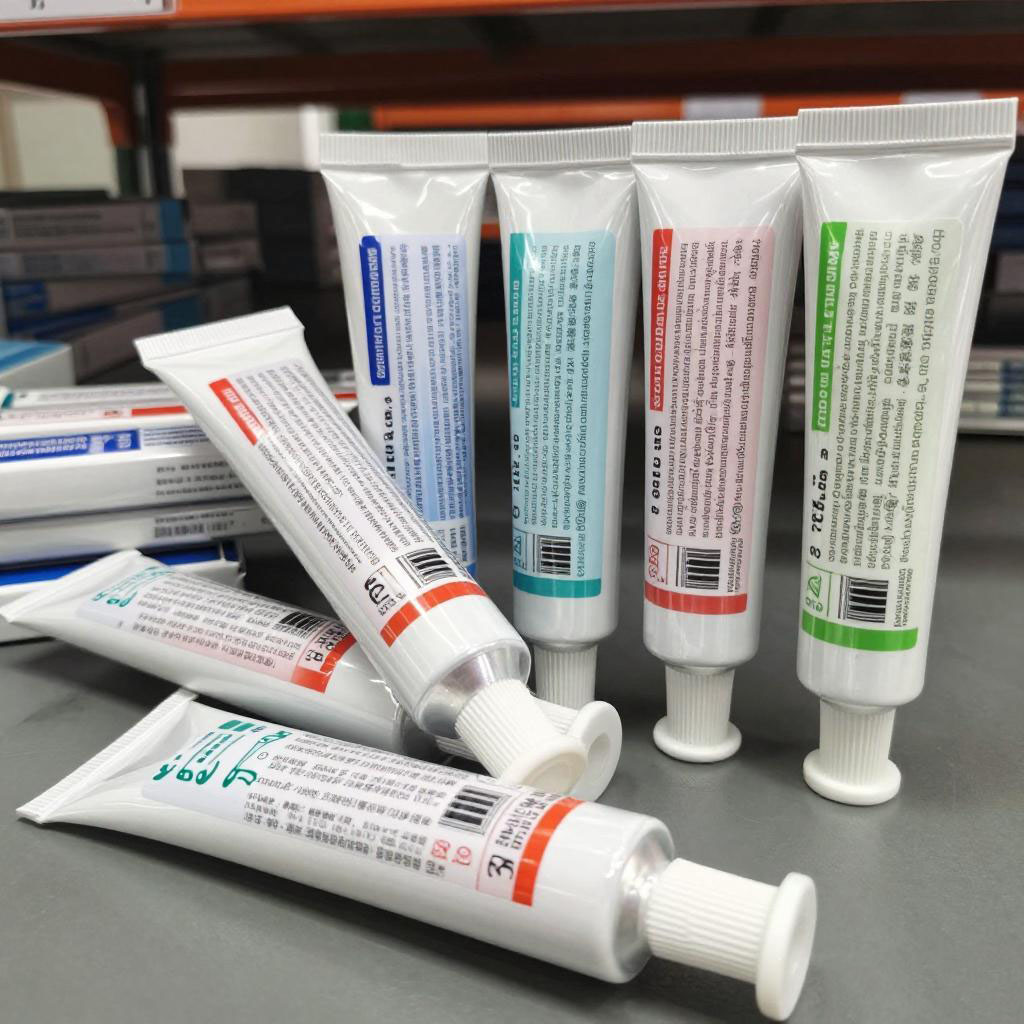
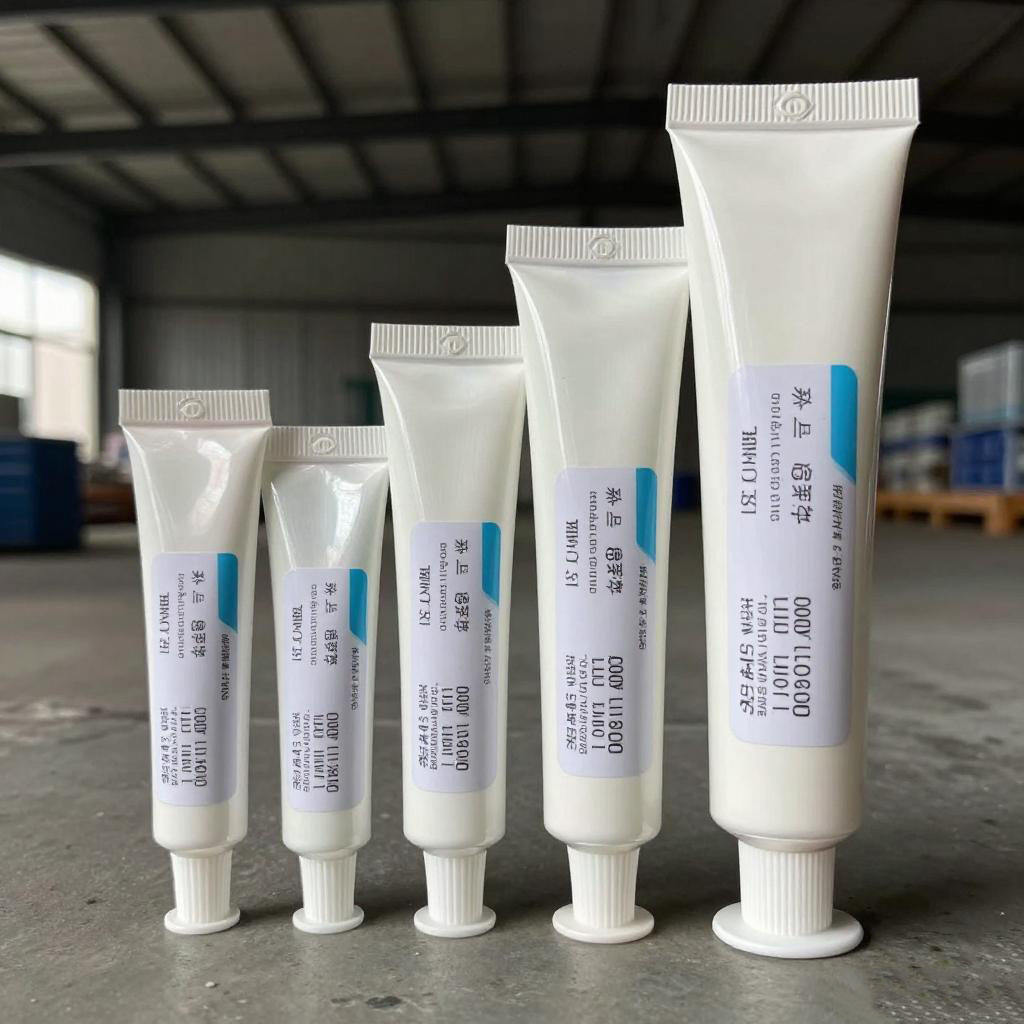
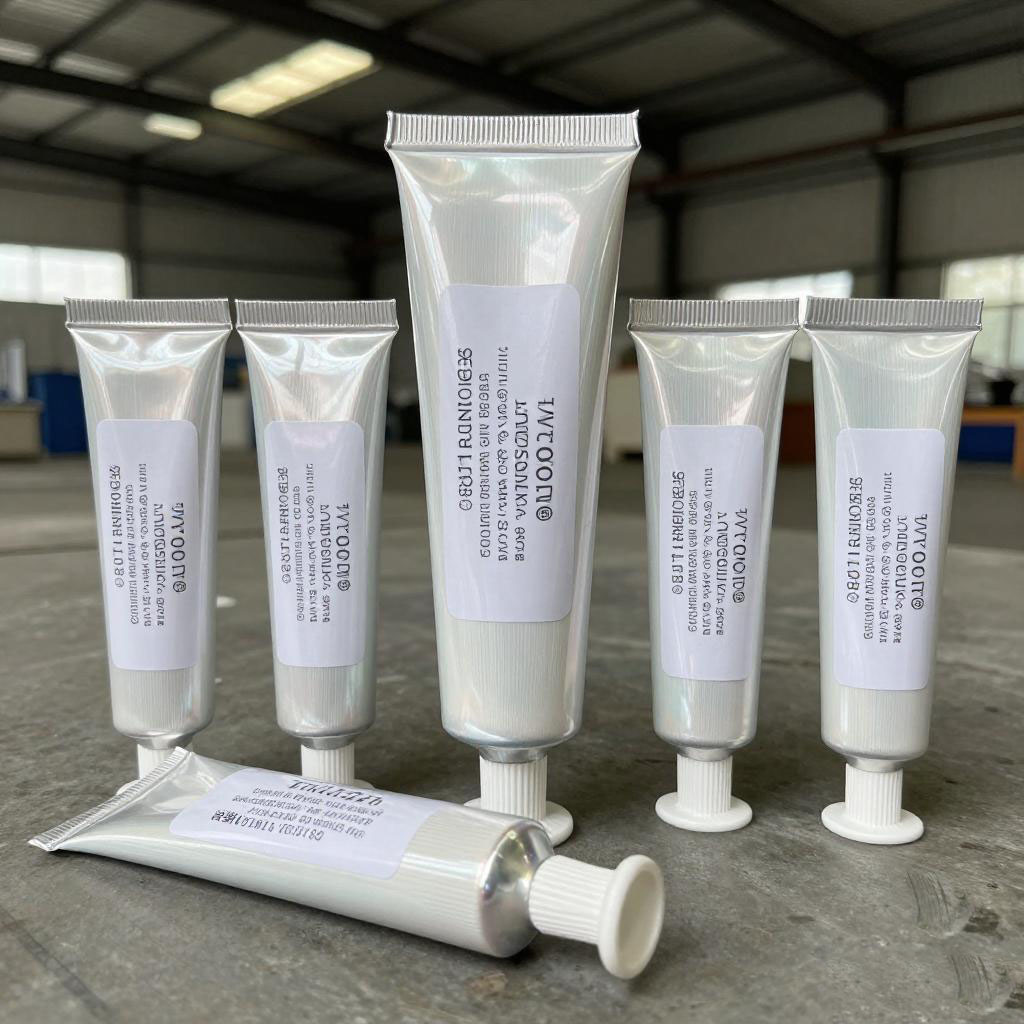
Tube packaging is widely used across cosmetics, pharmaceuticals, adhesives, personal care, and food industries. From toothpaste tubes and cosmetic cream tubes to ointment tubes and industrial sealant cartridges, these products require precise and consistent labeling for branding, regulatory compliance, and product traceability.
The Tube Labeling Machine from MIC Machinery is designed for automatic labeling of cylindrical and oval tubes made from plastic, aluminum, or composite materials. It ensures stable label placement even on flexible or slightly deformable packaging, while maintaining high-speed production efficiency suitable for modern automated filling lines.
Unlike standard bottle or jar labeling systems, tube labeling requires careful handling of soft-walled containers, precise rotation control, and synchronized pressure application to prevent deformation during labeling.
Working Process
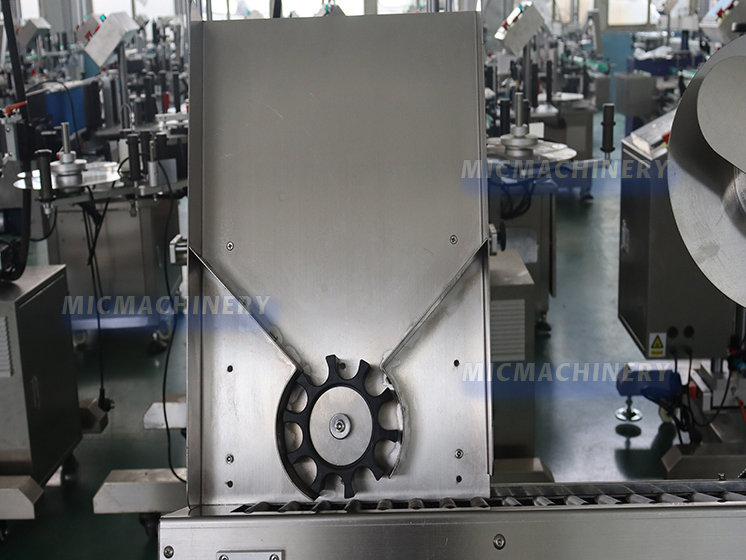
The labeling process begins when tubes are automatically fed from upstream filling and sealing equipment or manually loaded into the conveyor system. A spacing mechanism ensures that each tube enters the labeling station with consistent distance and orientation.
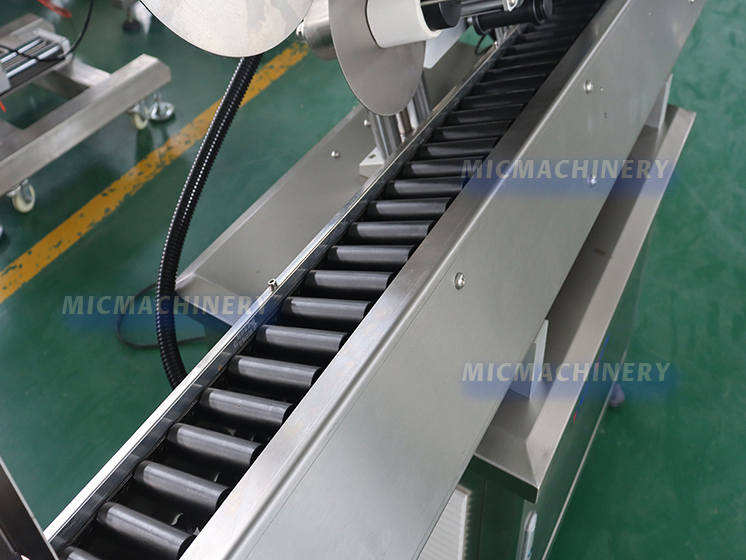
Guide rails and rotating rollers stabilize each tube before it reaches the labeling zone. The system uses synchronized rotation to ensure that the tube surface maintains a controlled speed during label application.
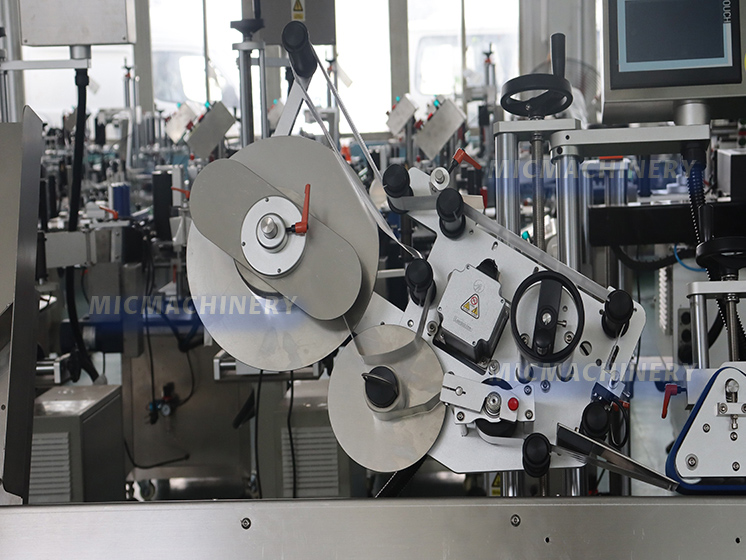
Once the tube is detected by the photoelectric sensor, the PLC system triggers the servo motor to dispense the label at the correct timing. The label is applied while the tube rotates smoothly, allowing full or partial wrap-around labeling depending on product design.
Pressure rollers then gently press the label onto the tube surface to eliminate bubbles and ensure strong adhesion. For flexible tubes, the pressure system is adjustable to avoid deformation while maintaining consistent labeling quality.
If equipped with a coding system, batch numbers, expiry dates, or QR codes are printed either before or after labeling. Optional vision inspection systems verify label position, detect missing labels, and ensure barcode readability.
After labeling, tubes are transferred to downstream processes such as cartoning, sealing inspection, or automatic packaging systems.
Video Demonstration
Applications
The Tube Labeling Machine is widely used across industries requiring precise labeling of cylindrical or oval tubes.
Typical applications include:
Toothpaste tubes
Cosmetic cream tubes
Facial cleanser tubes
Pharmaceutical ointment tubes
Medical gel tubes
Adhesive and glue tubes
Sealant cartridges
Hair dye tubes
Sunscreen tubes
Food paste tubes (mustard, mayonnaise, etc.)
Veterinary medicine tubes
Industrial chemical tubes
The machine supports plastic, aluminum, laminated, and composite tube materials.
Customization Options
MIC Machinery provides flexible customization options to meet different production and packaging requirements.
Tube Rotation System
Precision rubber rollers or star-wheel systems ensure stable tube rotation during labeling.
High-Speed Servo Labeling
Servo-controlled label feeding ensures consistent application at high production speeds.
Transparent Label Detection
Advanced sensors detect transparent or semi-transparent labels accurately.
Print-and-Apply Integration
Supports real-time printing of batch codes, QR codes, and expiration dates.
Vision Inspection System
Camera-based inspection checks label position, print quality, and barcode readability.
Multi-Format Production Support
Allows quick switching between different tube diameters and lengths via stored PLC recipes.
Full Line Integration
Can be integrated with tube filling machines, sealing machines, cartoning machines, and robotic packaging systems.
Maintenance and Operation
Proper maintenance ensures long-term accuracy and stable production performance. Daily cleaning should include conveyor belts, roller systems, labeling heads, and sensor surfaces to remove adhesive residue and product contamination.
Weekly inspections should verify servo synchronization, tube rotation stability, label tension, and guide rail alignment. Wear parts such as rollers and belts should be inspected and replaced when necessary.
Lubrication of mechanical components should follow scheduled maintenance guidelines to ensure smooth operation under continuous production conditions.
Electrical systems, including PLC controllers and servo drives, should be checked regularly for stable communication and performance reliability.
Preventive maintenance reduces downtime and ensures consistent labeling accuracy across long production cycles.
FAQ
Q1: What types of tubes can be labeled? The machine supports cosmetic, pharmaceutical, food, and industrial tubes including toothpaste, cream, ointment, and adhesive tubes.
Q2: What labeling accuracy can be achieved? Standard accuracy is approximately ±0.5 mm depending on tube stability and production speed.
Q3: Can the machine handle soft plastic tubes? Yes. The roller system is designed to support flexible tubes without deformation.
Q4: Can it apply full wrap-around labels? Yes. It supports both partial and full 360° labeling applications.
Q5: Is coding available on tubes? Yes. Optional coding systems can print batch numbers, expiry dates, and QR codes.
Q6: Can it integrate into a complete tube filling line? Yes. It is commonly integrated with filling, sealing, and cartoning systems.
Tube Labeling Machine Solutions from MIC Machinery
The MIC Machinery Tube Labeling Machine provides a precise and stable solution for labeling a wide range of cylindrical and flexible tube packaging. With servo-driven control, intelligent tube rotation systems, and flexible customization options, it ensures consistent performance for cosmetic, pharmaceutical, food, and industrial production lines requiring high-quality automated labeling.