Weight Filling Machine——Precision Filling Based on Net Weight Measurement
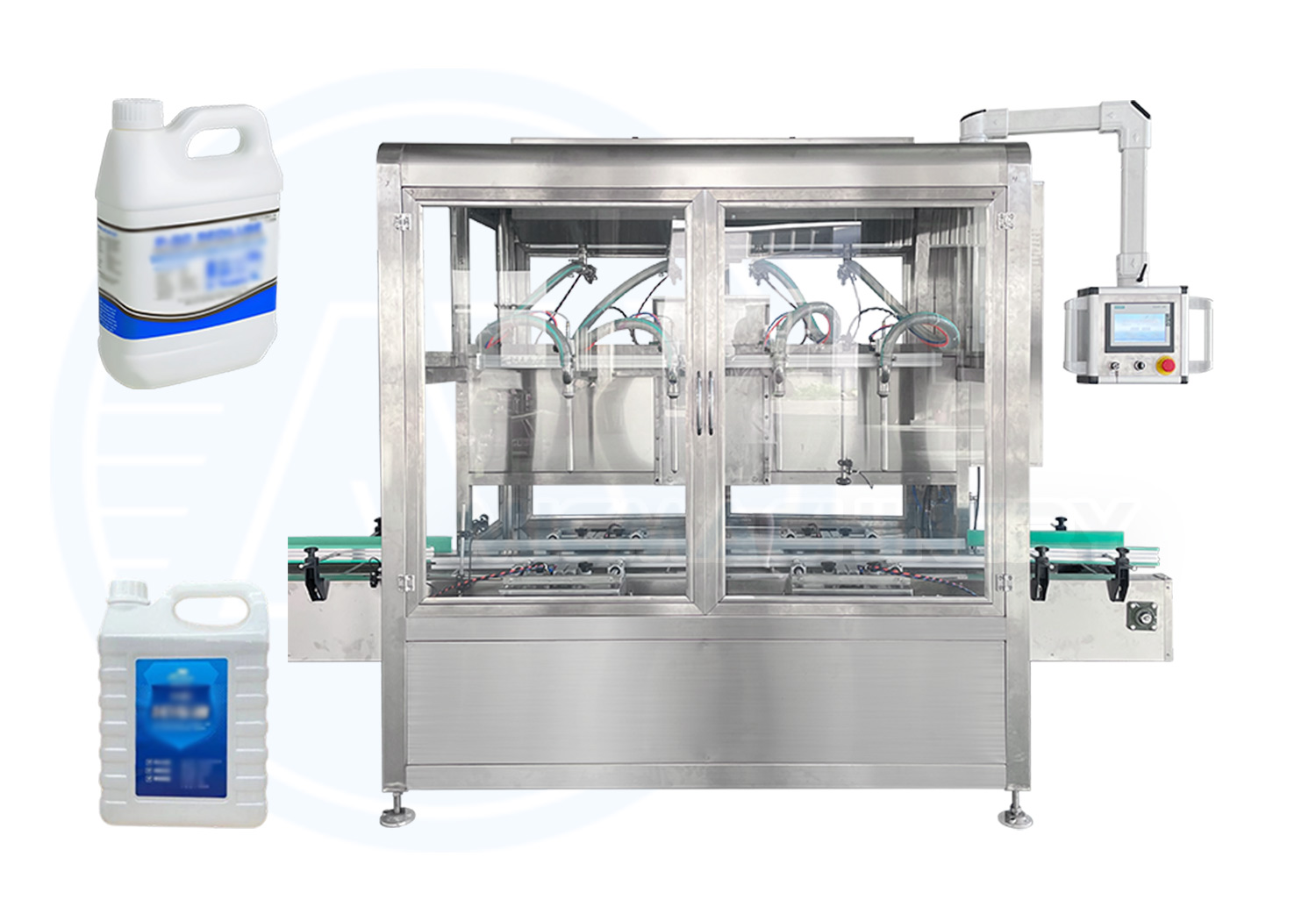
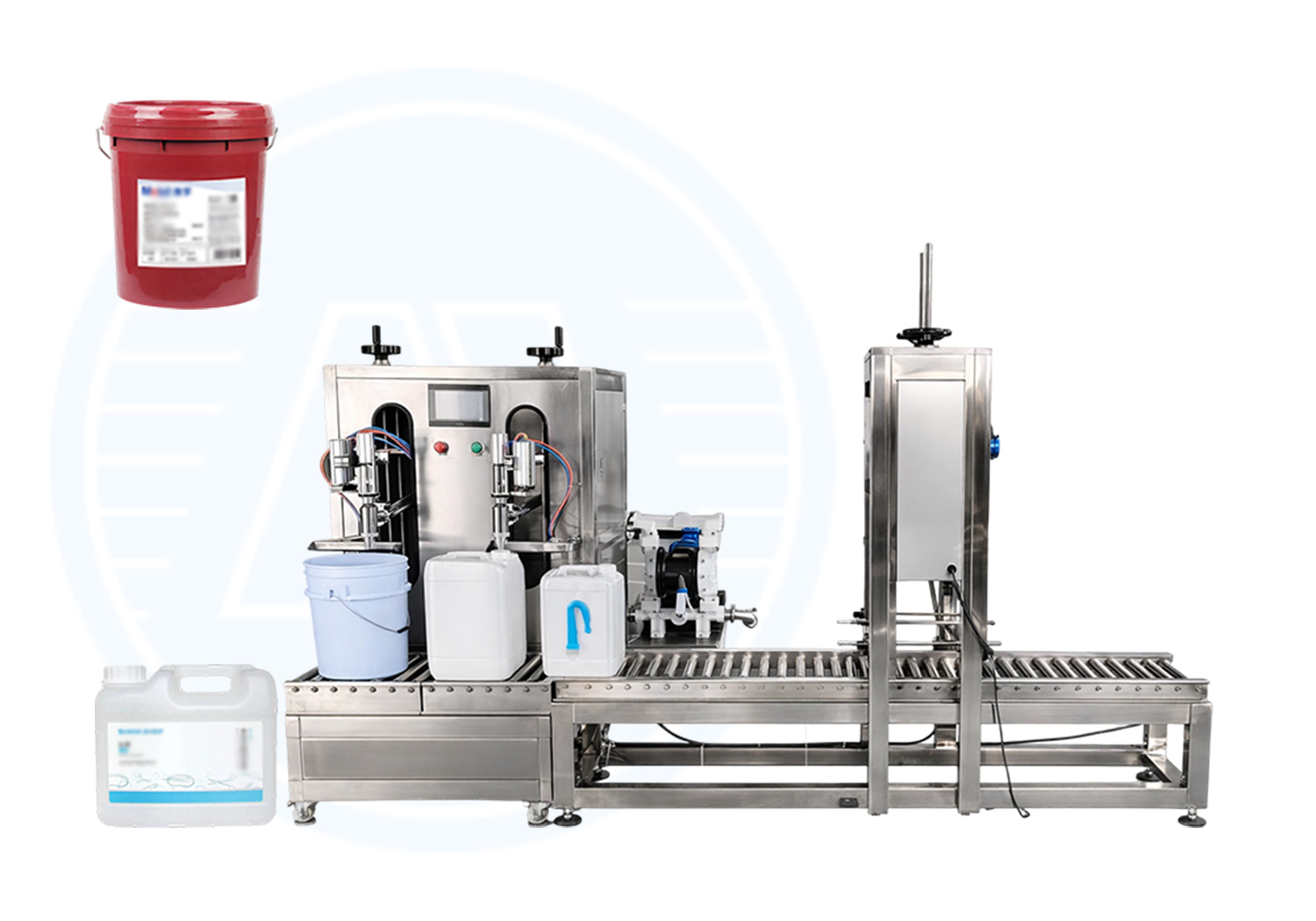
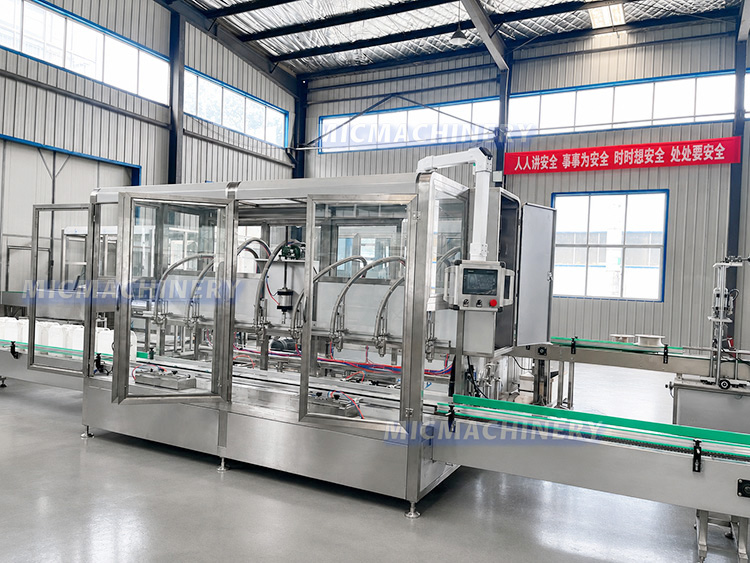
A Weight Filling Machine is designed to fill products according to a predetermined weight using high-precision load cells and weighing control systems. Unlike volumetric filling equipment, it measures the actual product weight during filling, ensuring consistent package accuracy regardless of density variations. This technology is widely used for liquids, powders, granules, and pastes in the chemical, food, pharmaceutical, agricultural, and lubricant industries where accurate net weight control is essential.
Working Process
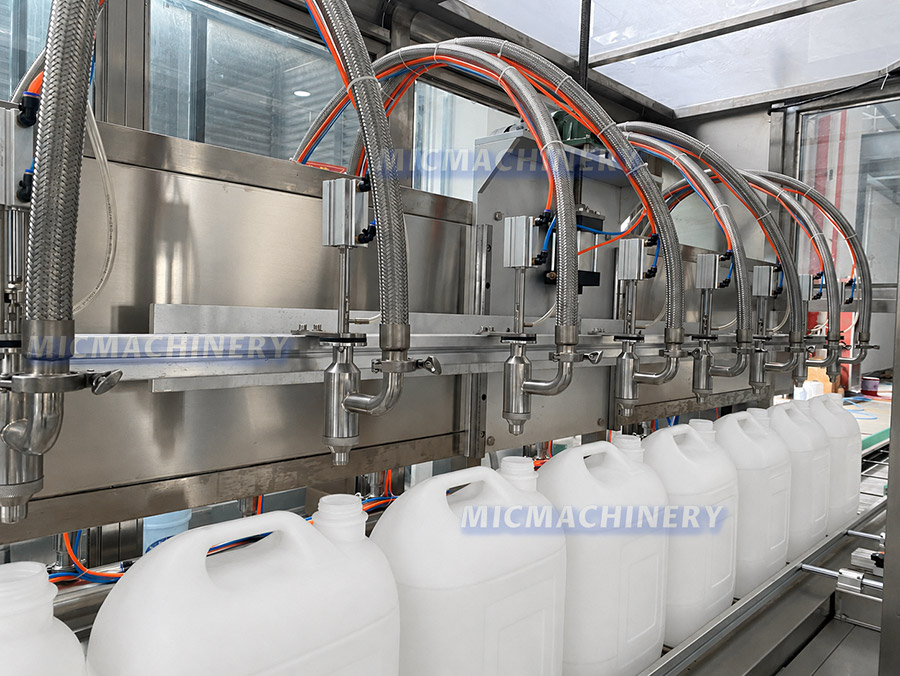
The filling process begins with containers being automatically conveyed to the weighing station. Sensors identify container positioning and ensure proper alignment beneath the filling nozzle or feeding outlet.
Once the empty container is detected, the weighing platform records the tare weight. The filling system then starts dispensing product into the container while the load cell continuously monitors the actual weight in real time.
To achieve high accuracy, most systems operate with a two-stage filling sequence. During the first stage, product is filled rapidly until it approaches the target weight. The machine then automatically switches to a slower filling speed to make fine adjustments and avoid overfilling.
When the target weight is reached, the filling valve closes immediately and the container moves to the next process. Depending on the production line configuration, this may include capping, sealing, labeling, coding, inspection, or palletizing operations.
Video Demonstration
Applications
Chemical Industry
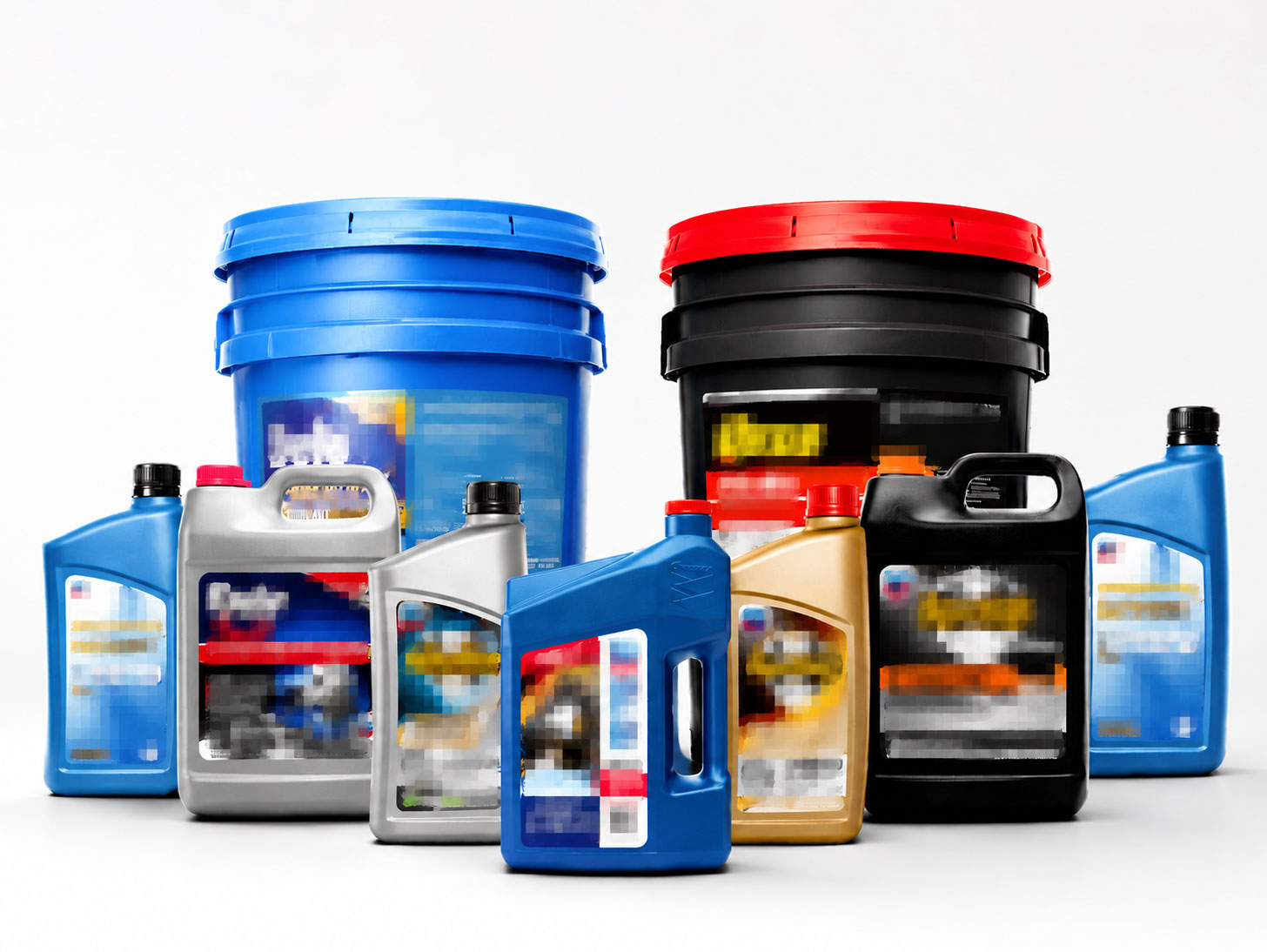
Weight filling machines are widely used for industrial chemicals, coatings, paints, solvents, lubricants, additives, detergents, and specialty chemical products. Weight-based filling helps maintain packaging consistency despite density fluctuations.
Food Industry
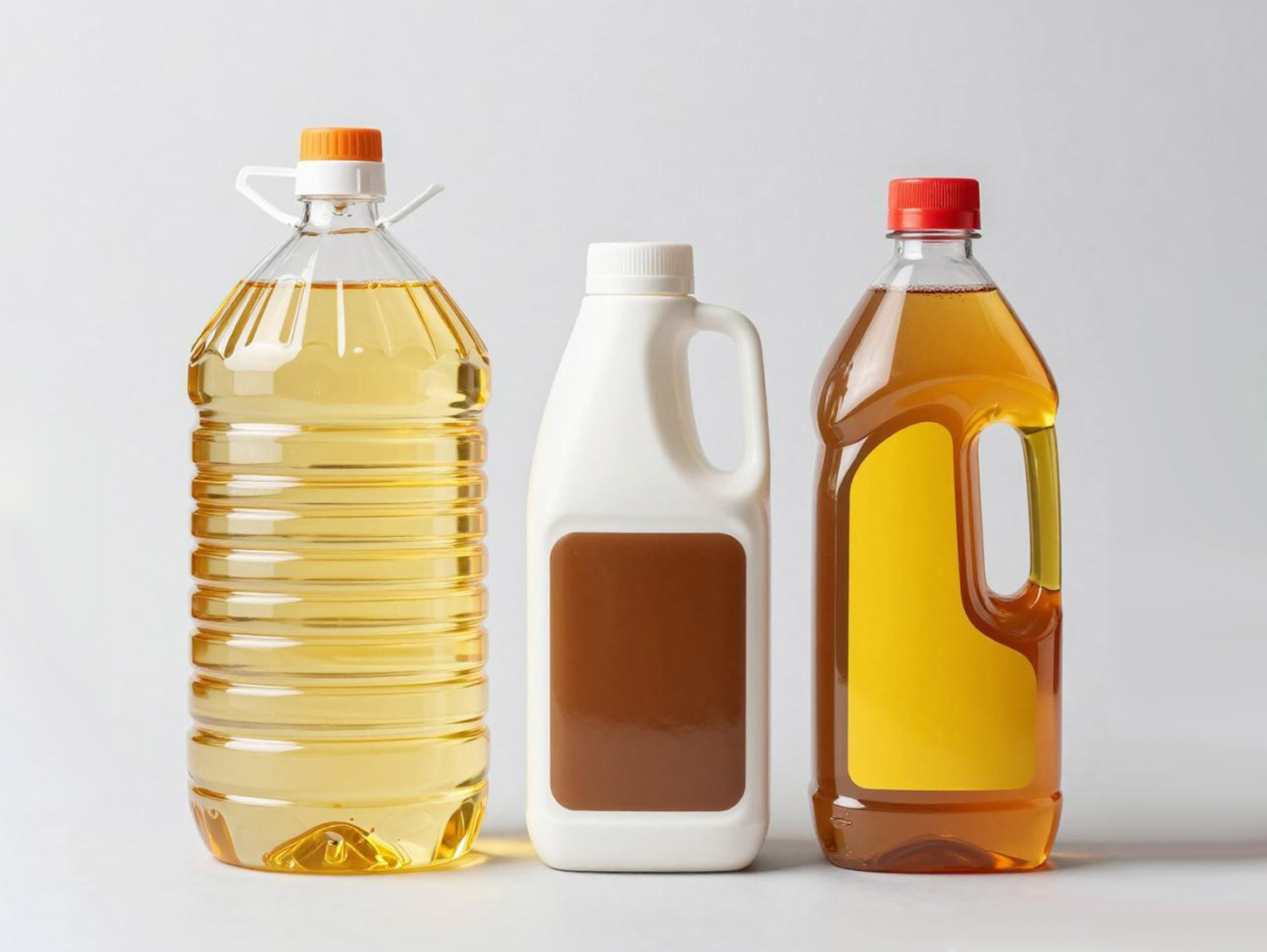
Applications include edible oil, syrup, sauces, liquid seasonings, sugar, flour, rice, coffee, spices, and other food products sold by net weight.
Agricultural Industry
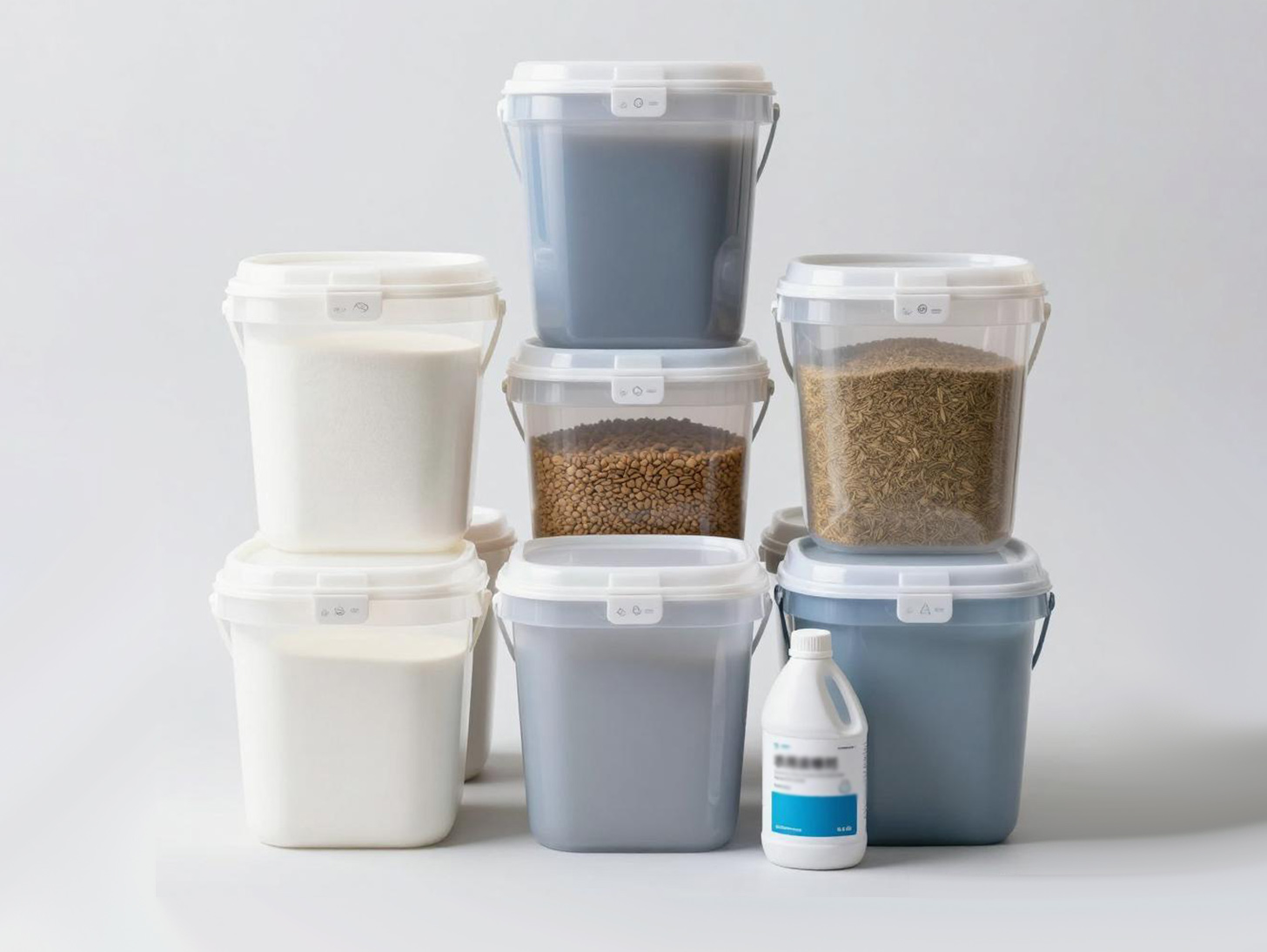
Suitable for fertilizers, pesticides, animal feed additives, seed treatment products, and agricultural chemicals packaged by weight.
Customization Options
Different products require different weighing technologies and filling methods. MIC Machinery offers a wide range of customization options to optimize performance for specific production environments.
Available options include:
· Single-head or multi-head filling systems
· Servo-controlled filling valves
· Gravity filling systems
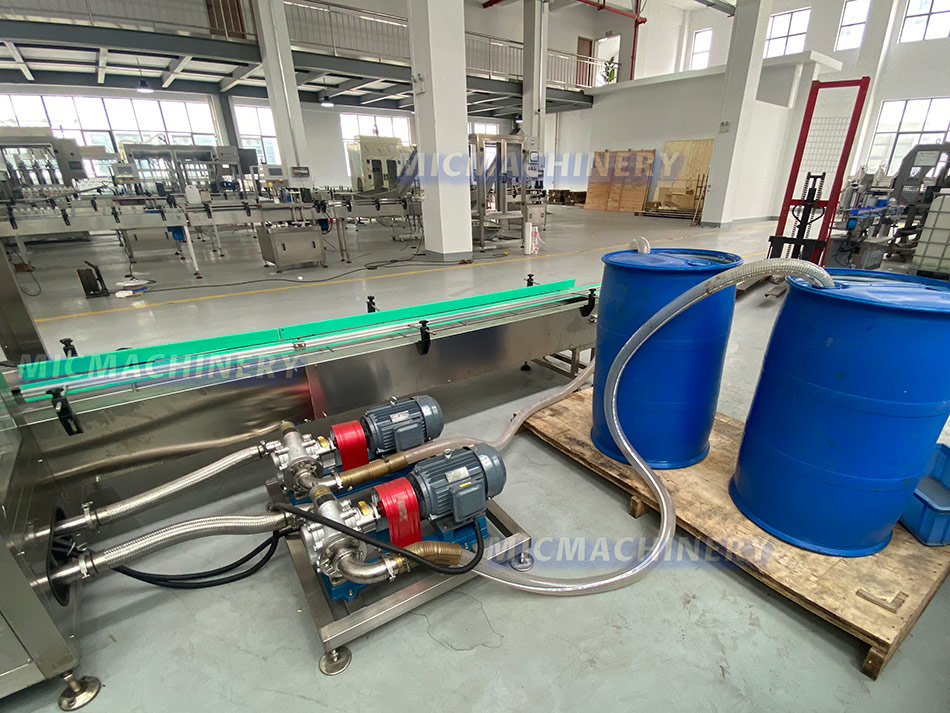
· Pump filling systems
· Explosion-proof electrical design
· Corrosion-resistant wetted parts
· IBC filling systems
· Automatic cap feeding and capping integration
· Labeling and coding systems
· CIP cleaning systems
Machine construction can also be customized according to hygiene standards, product characteristics, and environmental requirements.
Maintenance and Daily Operation
Regular maintenance helps ensure weighing accuracy and long-term equipment reliability.
Operators should routinely inspect:
· Load cell calibration
· Filling valves and nozzles
· Pneumatic components
· Conveyor alignment
· Sensor operation
· Electrical wiring
· PLC alarm records
· Product pipelines and seals
For liquid products, periodic cleaning of filling nozzles and product contact parts helps prevent residue accumulation. For powders and granules, dust removal procedures should be performed regularly to avoid interference with weighing accuracy.Scheduled calibration of weighing systems is recommended to maintain compliance with production quality standards and regulatory requirements.
FAQ
1)What is the difference between weight filling and volumetric filling?
Weight filling measures the actual product weight using load cells, while volumetric filling measures volume. Weight filling provides better consistency when product density varies.
2)Can the machine fill large containers?
Yes. Weight filling technology is commonly used for pails, drums, IBC tanks, and other large-capacity containers.
3)How often should the weighing system be calibrated?
Calibration intervals depend on production requirements and quality standards, but regular verification is recommended to maintain accuracy.
Industrial Weight Filling Solutions
A Weight Filling Machine provides highly accurate filling based on actual product weight, making it suitable for applications where packaging consistency and regulatory compliance are important. By combining precision load-cell technology with automated control systems, MIC Machinery supplies weight filling solutions designed for reliable operation, accurate dosing, and seamless integration into industrial packaging lines across chemical, food, pharmaceutical, agricultural, and lubricant industries.