How Does a ROPP Capping Machine Work?
How Does a ROPP Capping Machine Work? | MIC Machinery
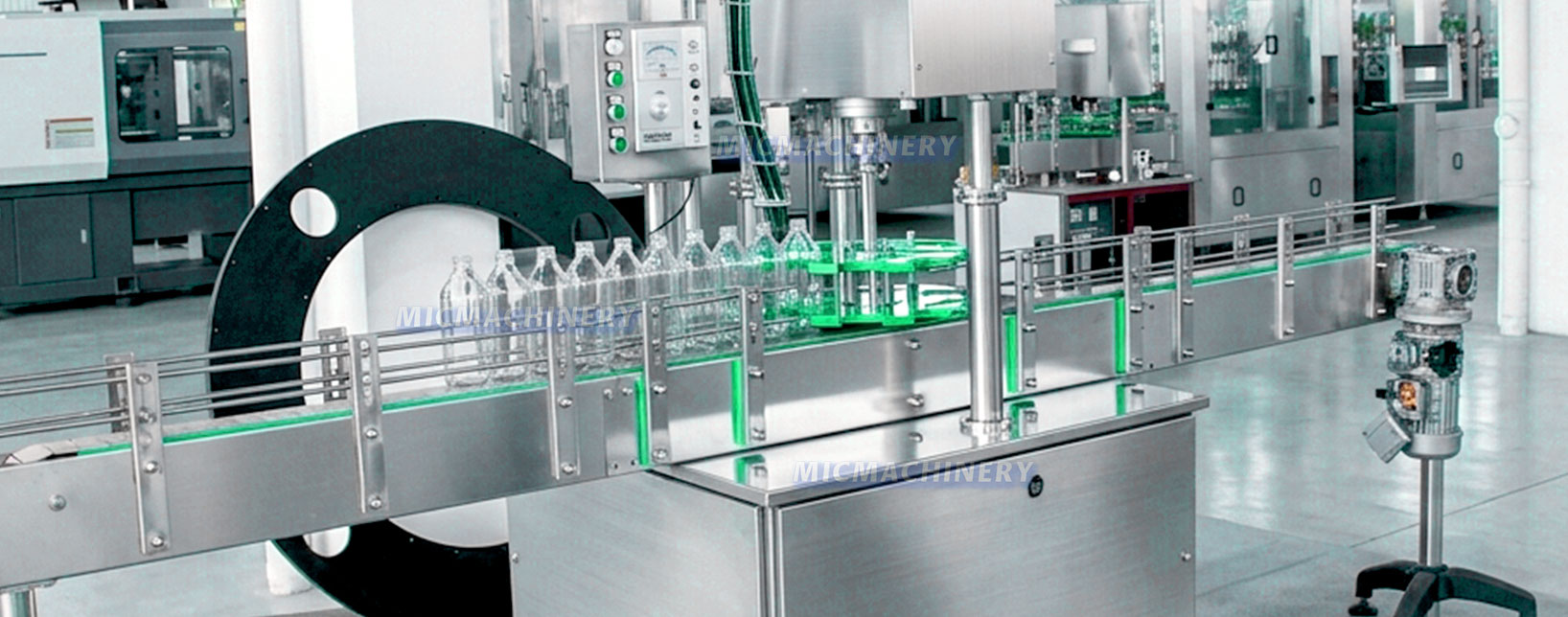
A ROPP capping machine is designed to seal bottles with roll-on pilfer-proof aluminum caps. Unlike conventional screw capping, the machine forms the cap thread directly onto the bottle neck while compressing the liner and creating a tamper-evident band. This technology is widely used for beverages, pharmaceuticals, chemicals, edible oils, wine, and other liquid products requiring reliable closure integrity.
What is a ROPP capping machine?
|
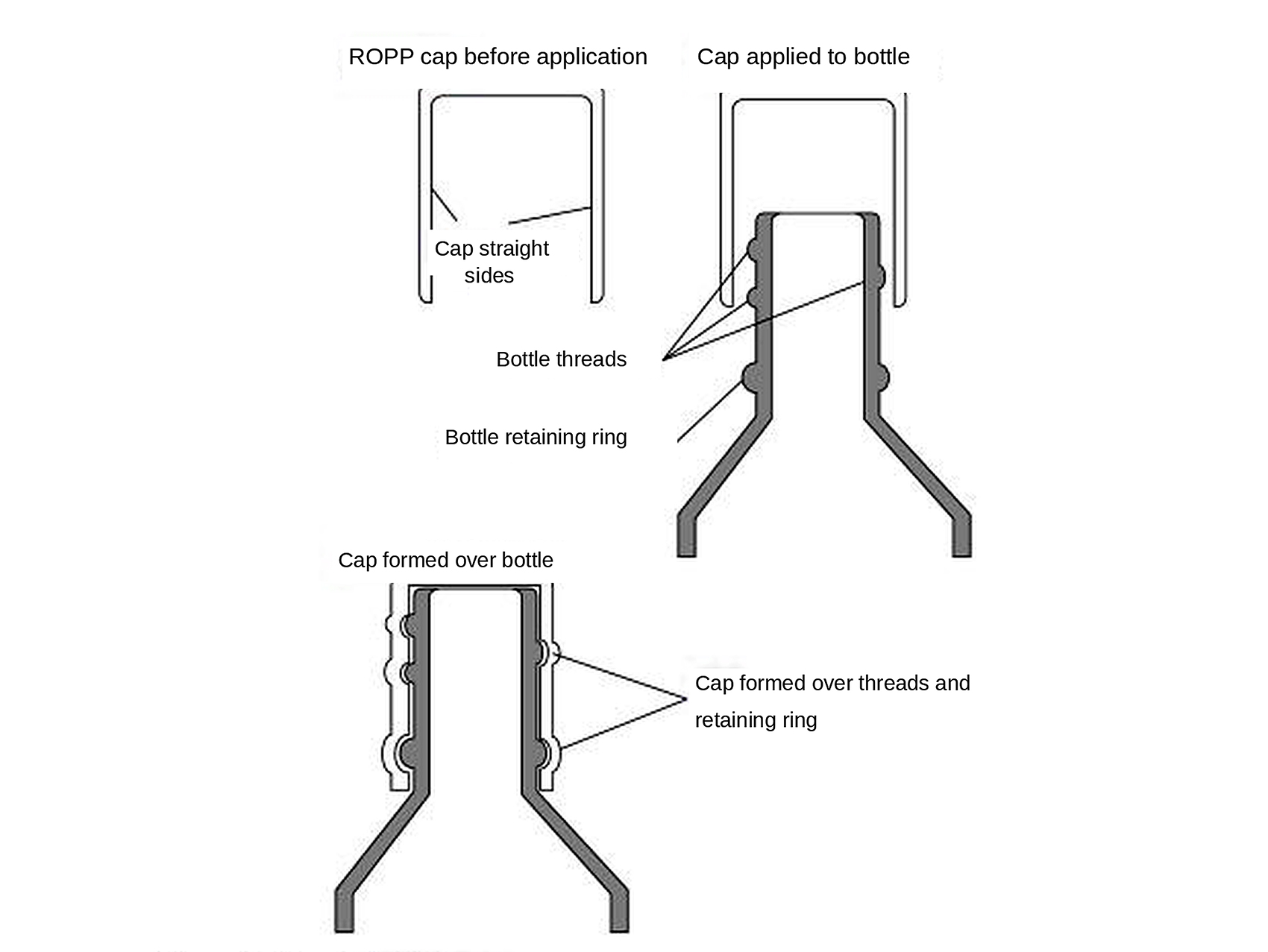
ROPP stands for Roll-On Pilfer-Proof. A typical ROPP closure consists of an aluminum shell, sealing liner, formed thread area, and pilfer-evident band. During capping, forming rollers reshape the aluminum shell around the bottle neck rather than simply tightening a pre-threaded cap. ----- For chemical packaging, this process is particularly important when container integrity, contamination prevention, and leak resistance are critical. The bottle neck, cap dimensions, liner material, and capping settings must be compatible to achieve consistent sealing. |
|
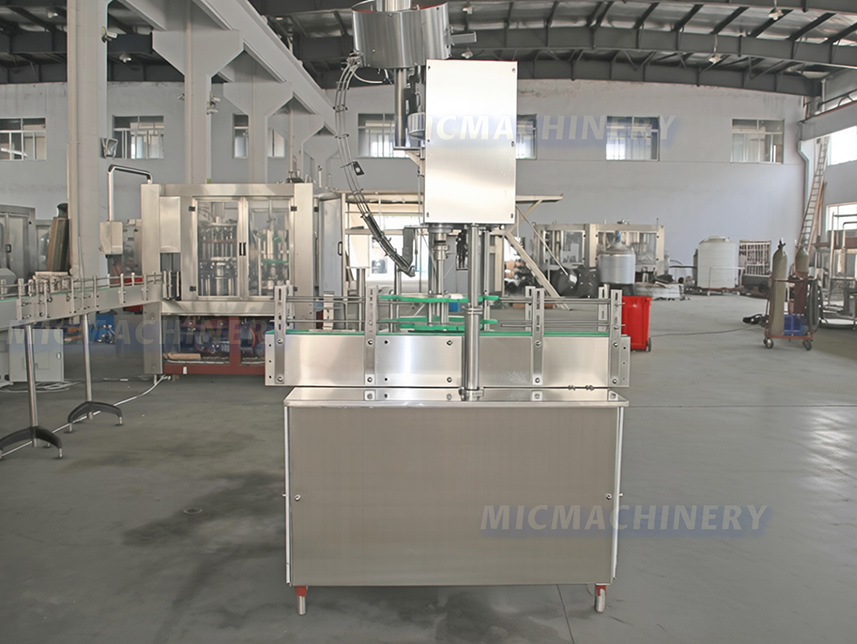
How does an automatic ROPP capping machine work?
A typical automatic ROPP capping machine operates through four coordinated stages:
· Bottle positioning: Conveyors, guides, or star wheels accurately locate bottles beneath the capping head.
· Cap feeding: An automatic cap feeder supplies aluminum caps in a consistent orientation.
· Thread forming and sealing: The capping head applies controlled downward pressure while rollers form the aluminum skirt around the bottle thread.
· Pilfer-band forming: Lower rollers shape the tamper-evident band beneath the neck bead before the sealed bottle exits the machine.
ROPP Capping Process
| Stage | Main Function | Key Quality Factor |
| Cap feeding | Deliver aluminum caps | Orientation |
| Bottle positioning | Align bottle and head | Neck centering |
| Top pressure | Compress liner | Seal integrity |
| Thread forming | Shape aluminum shell | Thread profile |
| Band forming | Create tamper evidence | Band position |
|
Inspection |
Verify finished closure |
Torque, leakage, appearance |
What factors affect ROPP capping quality?
The performance of a ROPP capping machine for chemical packaging depends on more than machine speed. Cap diameter and height, aluminum thickness, liner construction, bottle neck finish, roller geometry, head height, and bottle stability all influence the final closure.
For production qualification, manufacturers should evaluate cap height, thread formation, tamper-band position, opening torque, leakage, and visible deformation. This is especially important for corrosive, volatile, or contamination-sensitive chemical formulations.
How to choose a ROPP capping machine?
Before selecting an automatic or semi-automatic ROPP capper, confirm the bottle material, neck finish, cap specification, target output, number of bottle formats, and required integration with the liquid filling machine, conveyor, labeling, coding, and inspection systems.
For multiple formats, change parts and capping-head adjustments should be considered during line design. Trial production using actual bottles and caps is recommended because closure compatibility directly affects sealing performance and machine settings.
Technology and Maintenance
 |
A reliable ROPP capping system requires controlled mechanical alignment and preventive maintenance. Operators should regularly inspect forming rollers, bottle supports, guides, cap-feeding components, and head-height settings. Recording torque and finished-cap defects can help identify tooling wear or setup drift before reject rates increase. ----- For chemical plants, cleaning and material compatibility should also be incorporated into the maintenance procedure, particularly where product residue may contact the capping area. ----- MIC Machinery provides industrial filling and packaging equipment solutions tailored to product characteristics, container formats, production capacity, and complete-line requirements. |
FAQ
| What is the difference between ROPP capping machine and screw capping machine? |
| A ROPP capper forms an aluminum cap onto the bottle neck, while a conventional screw capper applies an already threaded closure. |
| How much does a ROPP capping machine cost? |
| Cost depends on automation level, production capacity, cap specifications, number of heads, bottle formats, and line integration requirements. |
| Why does my ROPP cap leak? |
| Possible causes include incorrect liner compression, bottle-neck variation, cap mismatch, contamination, or incorrect roller and head settings. |
| How to maintain a ROPP capping machine? |
| Inspect and clean the cap-feeding path, rollers, guides, bottle supports, and capping head. Regularly verify torque and finished-cap quality after maintenance or format changes. |
| Can a ROPP capping machine handle different bottle sizes? |
| Yes, depending on its design. Different bottle and cap formats may require dedicated change parts, tooling, or capping-head adjustments. |