How Does a Sauce Filling Machine Improve Efficiency?
How Does a Sauce Filling Machine Improve Efficiency?
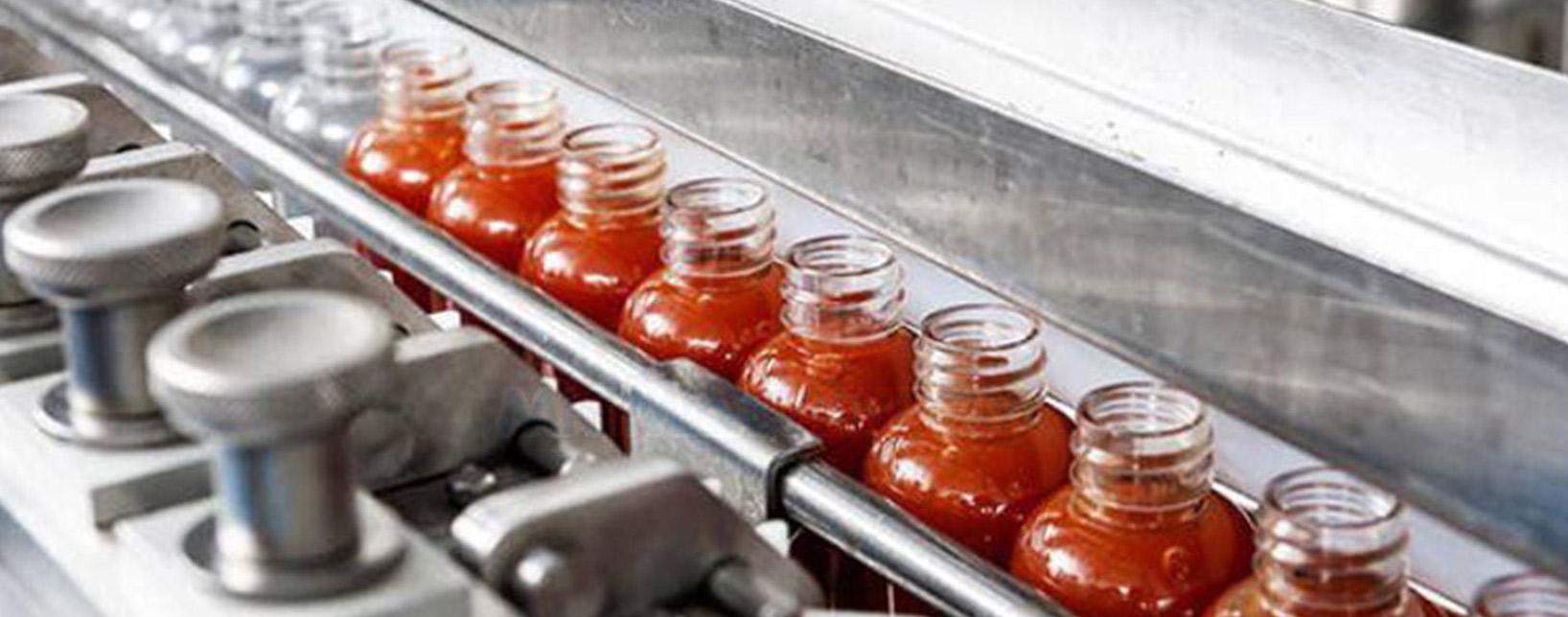
A Sauce Filling Machine is an automated filling system designed for accurately dispensing liquid and high-viscosity products, including ketchup, chili sauce, mayonnaise, jam, paste, and chemical-based viscous materials. In food, chemical, and daily chemical industries, precise filling technology plays an important role in improving production efficiency, reducing material waste, and maintaining consistent product quality. MIC Machinery develops customized filling solutions according to material characteristics, container types, and production requirements.
What Should Manufacturers Know About Sauce Filling Machine Applications?
Unlike low-viscosity liquid filling, sauce filling requires specialized equipment because many products have high density, uneven flow characteristics, or suspended particles. A suitable automatic sauce filling machine must consider product viscosity, filling accuracy, packaging format, and production capacity.
In industrial applications, piston filling technology is commonly used for viscous materials because it provides stable volume control and consistent filling performance. For products with different flow properties, manufacturers may select servo filling systems, gear pumps, or other customized solutions.
Common Applications of Sauce Filling Equipment
| Industry | Products | Suitable Filling Method |
|---|---|---|
| Food Processing | Ketchup, chili sauce, dressing | Piston filling |
| Beverage Industry | Syrup, concentrated drinks | Servo filling |
| Chemical Industry | Adhesive paste, detergent gel | High-viscosity filling |
| Cosmetics | Cream, lotion, gel | Precision piston filling |
For chemical and industrial manufacturers, the filling system should also consider corrosion resistance, material compatibility, and easy cleaning requirements.
How Does Sauce Filling Machine Technology Work?
|
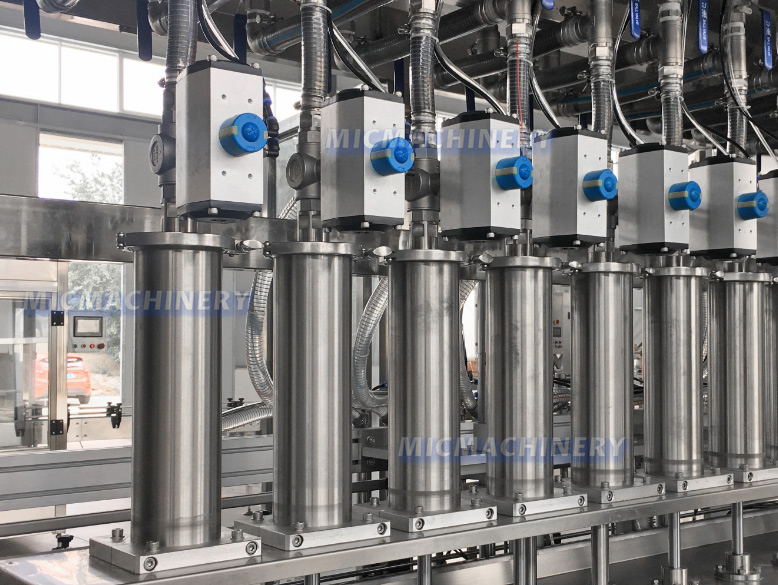
Precision Piston Filling System The filling system is the key component that determines accuracy and stability. A piston sauce filling machine uses piston movement to draw and discharge materials with controlled volume. ----- This technology is especially suitable for thick sauces and paste-like products because filling accuracy is less affected by viscosity changes. The system can also be equipped with servo motors to achieve precise control of filling speed and volume. ----- For manufacturers producing different products, adjustable filling parameters allow one machine to handle multiple formulas and packaging sizes. |
|
 |
 |
|
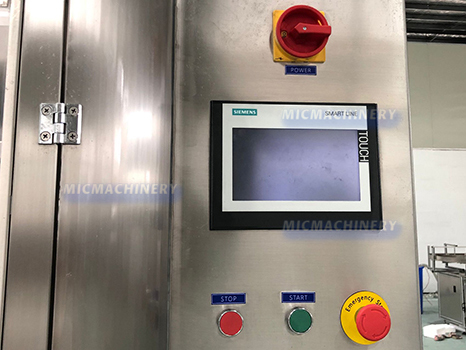
PLC Control and Automated Operation Modern automatic sauce filling machines integrate PLC control systems, touch-screen interfaces, and sensors to improve production management. ----- Operators can adjust: · Filling volume · Filling speed · Production cycles · Container detection · Alarm settings ----- The automation system reduces manual operation errors and improves production consistency. It can also connect with capping machines, labeling machines, conveyors, and other packaging equipment to create a complete automatic sauce filling line. |
|
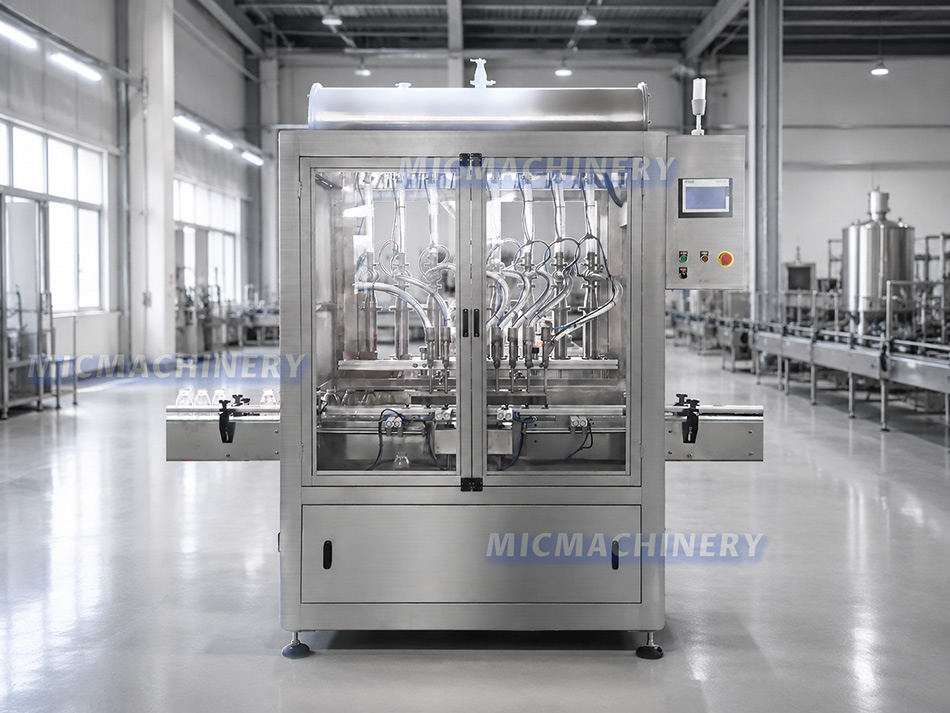
Hygienic Design and Customization Sauce products often require strict hygiene control. Professional filling equipment uses stainless steel structures, optimized material channels, and anti-drip filling nozzles to reduce contamination risks and improve cleaning efficiency. ----- For food and chemical applications, contact parts are commonly manufactured from SUS304 or SUS316L stainless steel according to product requirements. ----- A reliable sauce filling machine manufacturer should provide customization options based on: · Product viscosity · Particle size · Filling volume · Container shape · Production speed ----- For example, thick sauces containing particles may require larger nozzles and stronger filling systems, while smooth sauces can use standard piston mechanisms for higher-speed production. |
|
 |
What Are the Benefits of Using an Automatic Sauce Filling Machine?
Improved Filling Accuracy
Automated filling systems provide consistent volume control, reducing overfilling and material waste. This helps manufacturers improve cost efficiency during large-scale production.
Higher Production Efficiency
Compared with manual filling methods, automatic equipment enables continuous operation and stable output, helping factories increase production capacity.
Better Product Consistency
Precise filling control ensures each container receives the same amount of product, improving packaging quality and customer experience.
Flexible Industrial Application
With adjustable parameters and customized configurations, sauce filling equipment can support different industries, from food processing to chemical and cosmetic manufacturing.
How to Select the Right Sauce Filling Machine?
Before purchasing filling equipment, manufacturers should evaluate several factors:
Product Characteristics:
Analyze viscosity, density, particle content, and chemical properties to select the correct filling system.
Production Requirements:
Choose machine speed and automation level according to factory output targets.
Packaging Format:
Confirm compatibility with bottles, jars, tubes, or other containers.
Maintenance Needs:
Select equipment with reliable components, simple operation, and easy cleaning design to reduce downtime.
FAQ
| What products can a sauce filling machine handle? |
| It can fill ketchup, mayonnaise, chili sauce, jam, paste, cream, adhesive materials, detergent gels, and other medium-to-high viscosity products. |
| Why is piston filling suitable for thick sauces? |
| Piston filling provides accurate volume control by using mechanical displacement, making it suitable for products with high viscosity and unstable flow characteristics. |
| Can a sauce filling machine be customized? |
| Yes. Filling volume, nozzle design, automation level, and production speed can be customized according to different industrial requirements. |
| What industries use sauce filling equipment? |
| It is widely used in food processing, chemical manufacturing, cosmetics, and daily chemical industries where precise filling of viscous materials is required. |