How Does an Oil Filling Machine Work in Modern Production?
How Does an Oil Filling Machine Work in Modern Production? | Mic Machinery
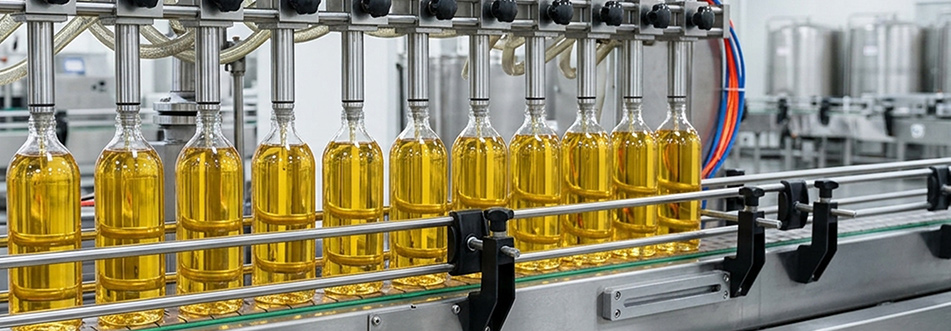
An Oil Filling Machine is a precision packaging system designed for accurately filling edible oils, cooking oils, vegetable oils, and other liquid oil products into bottles or containers. In modern food manufacturing plants, the machine integrates filling accuracy control, anti-drip technology, automated operation, and hygienic design to improve production efficiency. MIC Machinery provides customized oil bottling solutions according to product characteristics, container types, and factory capacity requirements.
How to Choose the Right Oil Bottling Line?
Selecting a suitable oil bottling system requires evaluating several practical production factors.
Production Capacity
The required output determines the machine configuration, filling heads, and automation level.
· Small production: semi-automatic filling equipment
· Medium production: automatic filling and capping systems
· Large factories: complete high-speed oil bottling lines
Production capacity should match market demand and future expansion plans.
|
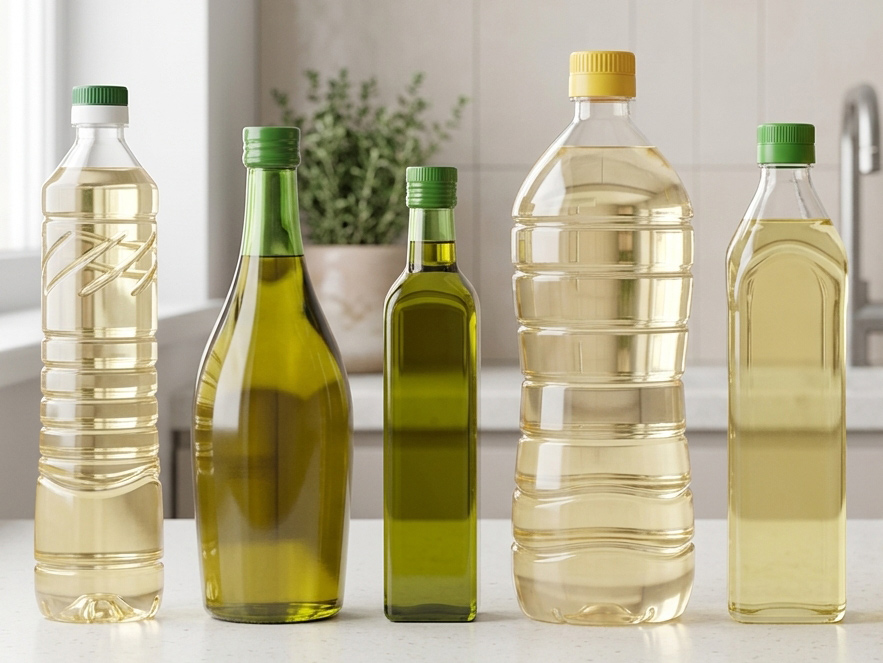
Bottle Type and Size Bottle material, shape, and volume directly influence filling system design. ----- Common containers include: · PET bottles · HDPE bottles · Glass bottles · Plastic jars · Metal containers ----- A flexible filling system should support quick changeover between different bottle specifications. |
 |
|
|
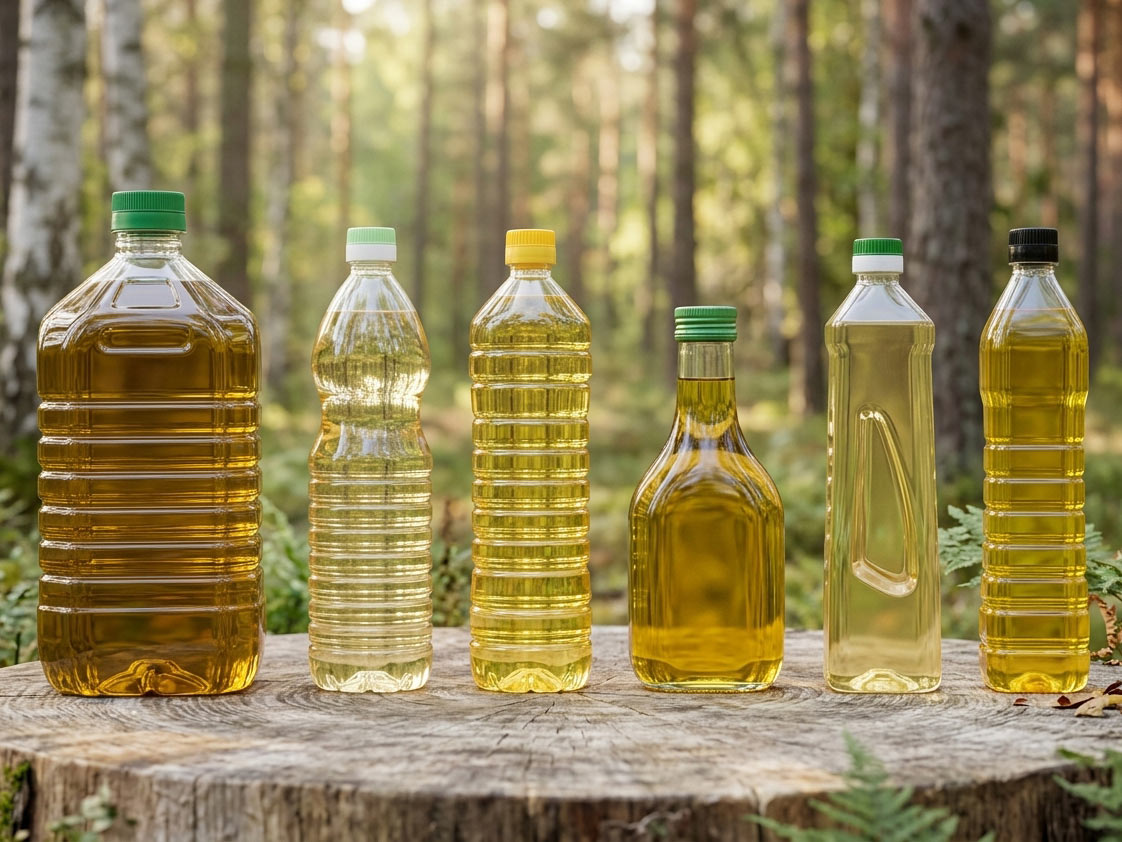
Oil Type and Characteristics Different oil products have different flow properties. ----- Examples: · Olive oil · Sunflower oil · Palm oil · Soybean oil · Blended cooking oil ----- Parameters such as viscosity, temperature, and filling accuracy requirements affect the selection of pumps, valves, and nozzles. |
Automation Level
Manufacturers can choose between:
· Semi-automatic filling systems
· Automatic filling and capping machines
· Fully integrated oil production lines
Higher automation reduces manual operation and improves consistency during continuous production.
Investment Budget
The ideal solution should balance equipment cost, production efficiency, maintenance requirements, and long-term operating expenses.
Oil Filling Technology
Modern oil filling equipment mainly uses volumetric control, flow meter technology, piston filling, or weighing systems.
Precision Filling Control
Accurate filling prevents:
· Product loss
· Uneven bottle volume
· Customer complaints
Advanced PLC control systems allow operators to adjust filling parameters through an HMI interface for different bottle sizes and oil products.
Anti-Drip Filling Design
Oil products tend to leave residue around the bottle mouth. Anti-drip nozzles and optimized filling valves help reduce contamination and improve packaging appearance.
Stainless Steel Hygienic Structure
Food-grade oil filling machines usually adopt stainless steel structures to meet hygiene requirements and simplify cleaning procedures.
Gravity Filling Machine vs Tracking Filling: Key Differences
|
Technology |
Working Principle |
Advantages |
Suitable Applications |
| Gravity Filling Machine | Uses product weight and liquid level difference for filling | Simple structure, stable operation | Low viscosity oils |
| Tracking Filling Machine | Filling nozzles move together with bottles during filling | Higher speed and accuracy | Large-scale automatic oil production |
Gravity Filling Machine
Gravity filling is commonly used for products with good fluidity. It offers simple maintenance and reliable operation but may have limitations when higher filling speed or precision is required.
Tracking Filling Machine
Tracking filling technology allows bottles and filling nozzles to move synchronously. This reduces stopping time and improves continuous production efficiency, especially for high-output bottling lines.
Oil Filling Machine Selection Guide
When choosing an oil filling solution, manufacturers should consider:
· Filling volume range
· Required production speed
· Bottle material and shape
· Oil viscosity
· Filling accuracy
· Cleaning requirements
· Future production expansion
MIC Machinery develops customized filling solutions based on specific factory conditions and product requirements.
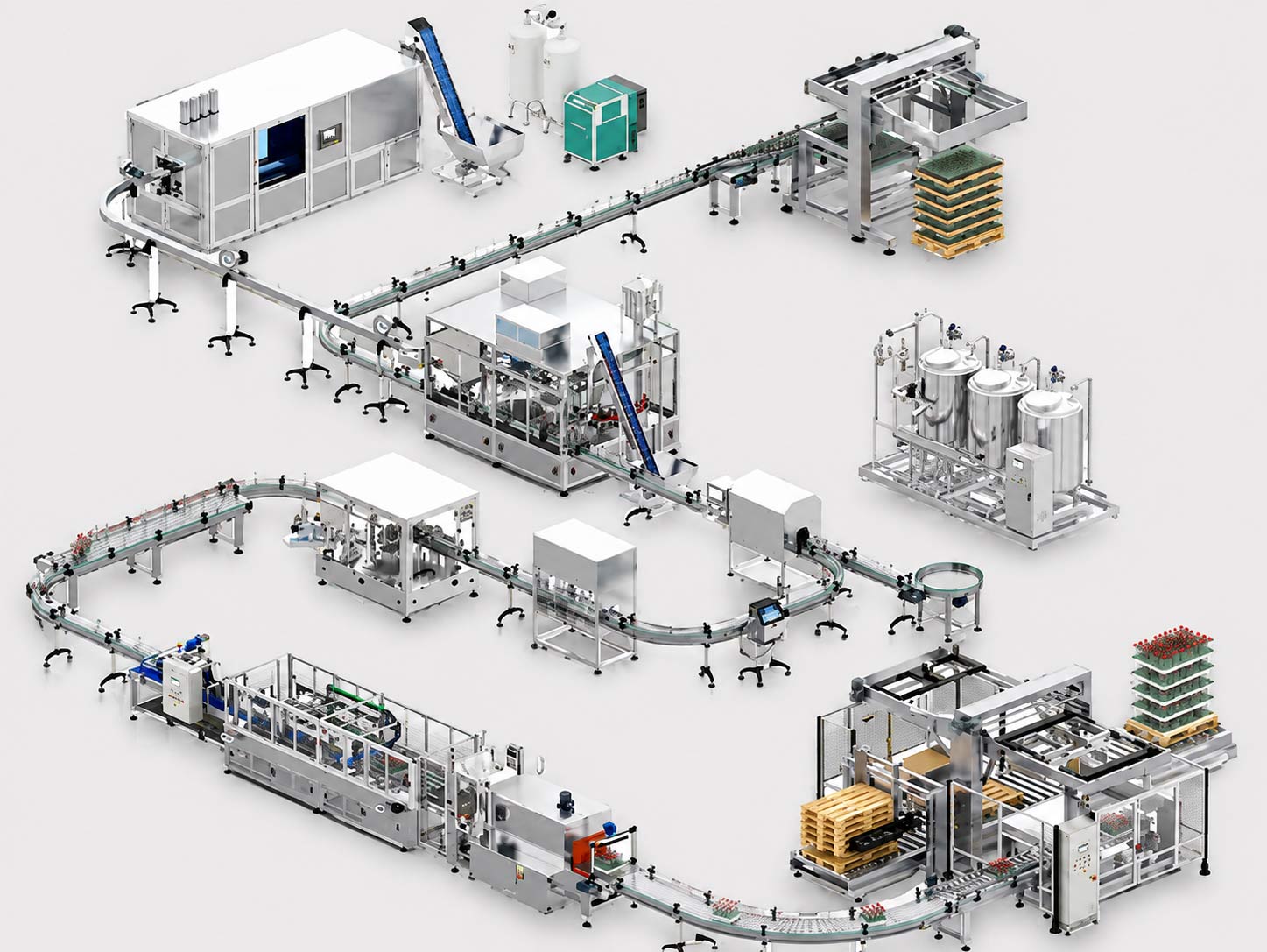
Complete Oil Production Line Configuration
A complete oil bottling production line may include:
Bottle Unscrambler → Oil Filling Machine → Capping Machine → Labeling Machine → Coding Machine → Conveyor System → Packaging Equipment
|
Optional systems include: ----- · Bottle inspection equipment · Cartoning machine · Palletizing system · Automatic control system ----- This integrated approach helps factories achieve continuous production with improved efficiency and consistent product quality. |
 |
FAQ
| What products can an Oil Filling Machine handle? |
| It can fill various liquid oil products, including edible oil, cooking oil, vegetable oil, olive oil, and similar liquid products. |
| What filling method is suitable for oil products? |
| The suitable method depends on viscosity, production speed, and accuracy requirements. Gravity filling, piston filling, flow meter filling, and weighing filling are commonly used technologies. |
| Can one filling machine handle different bottle sizes? |
| Yes. Many automatic systems support adjustable filling parameters and quick-change components for different container sizes. |
| How can filling accuracy be improved? |
| Using precise metering systems, stable product supply, optimized nozzles, and PLC-controlled operation can improve filling consistency. |
| Does MIC Machinery provide complete oil bottling solutions? |
| Yes. MIC Machinery provides customized solutions including filling, capping, labeling, conveying, and complete production line integration according to customer requirements. |