How Does Oil Viscosity Affect Lube Oil Filling Accuracy?
How Does Oil Viscosity Affect Lube Oil Filling Accuracy? | MIC Machinery
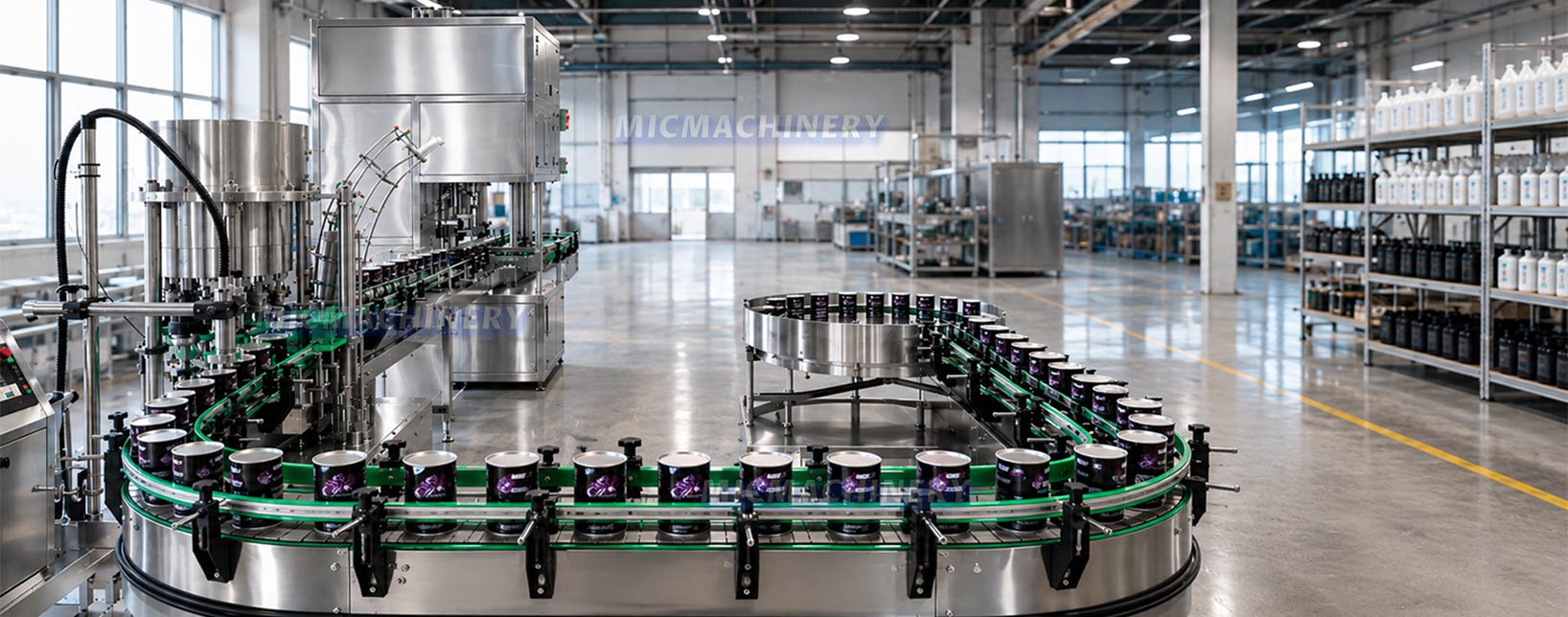
Lubricating oils vary considerably in viscosity, temperature sensitivity, foaming tendency, and packaging format. These properties directly influence flow behavior during quantitative filling. A properly engineered Lube Oil Filling Machine must therefore match the oil characteristics with the appropriate metering principle, nozzle design, and control method. MIC Machinery provides piston, gravity, weighing, and tracking filling solutions for engine oil, gear oil, hydraulic oil, compressor oil, and other industrial lubricants, with configurations ranging from small bottles to large industrial containers.
Industry Knowledge
Why Does Oil Viscosity Affect Lube Oil Filling Accuracy?
Viscosity determines how easily lubricant moves through pipes, pumps, valves, and filling nozzles. When viscosity is high, flow resistance increases and the filling cycle can become slower or less stable. Temperature changes can further alter viscosity, creating differences in flow behavior between production batches.
If the metering system is not matched to the product, operators may experience inconsistent filling volumes, extended filling cycles, or residual oil at the nozzle. This is why lubricant packaging requires more than simply selecting a machine according to bottle capacity.
The technical solution is to evaluate the oil's viscosity range, filling volume, production rate, and container opening before selecting the metering system. MIC's configurations include flowmeter-based systems and servo piston systems, with the latter providing controlled dosing for higher-viscosity lubricants.
|
|
How Do You Fill High-Viscosity Lube Oil Without Dripping? High-viscosity oil tends to remain attached to the nozzle after the filling cycle. If the valve closes too slowly or the nozzle geometry is unsuitable, residual lubricant can fall onto the bottle neck, conveyor, or machine surface. ----- The solution involves coordinated control of filling speed, nozzle position, valve shut-off, and product flow. MIC uses anti-drip valves and diving nozzles to achieve cleaner cut-off and reduce splashing, while specialized anti-foam nozzles can reduce turbulence and air entrapment. |
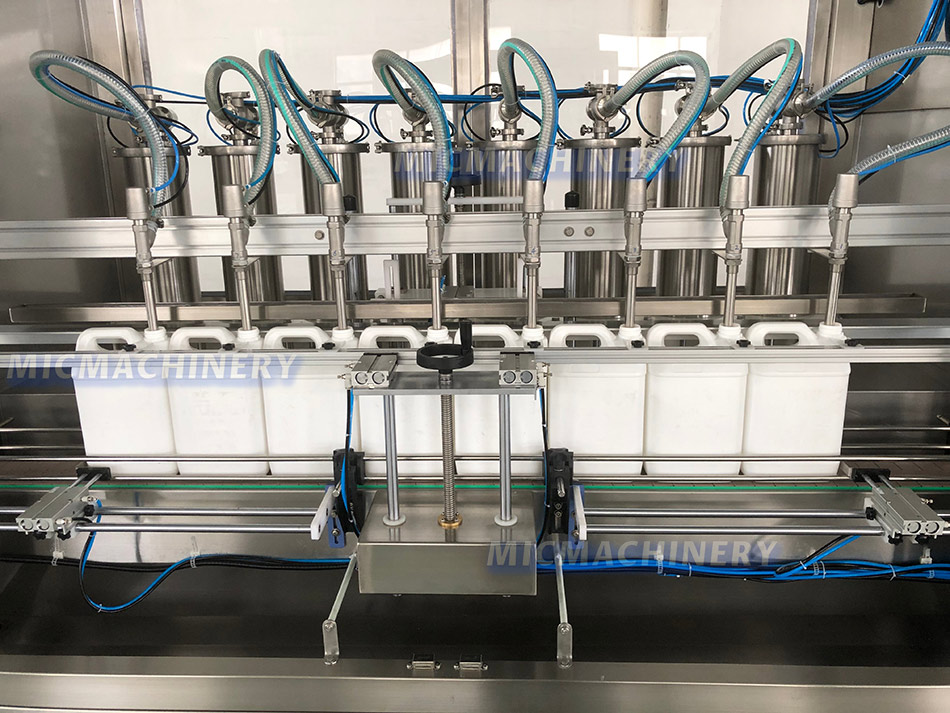
What Causes Inconsistent Lube Oil Filling Volumes?
Inconsistent dosing can result from viscosity variation, unstable product supply, incorrect calibration, worn piston seals, or unsuitable flow-control parameters. For high-speed lines, even small fluctuations can accumulate into significant product loss.
A practical approach is to stabilize the oil supply, maintain the metering components, and select the appropriate filling technology. MIC recommends regular flowmeter calibration and inspection of valve sealing performance; piston systems should also be checked for seal wear.
Technology
Flowmeter-Based Filling
Flowmeter systems measure product flow during filling and provide stable quantitative control for continuous production. MIC specifies high-accuracy flowmeter configurations to improve measurement stability and reduce product loss, particularly in high-speed applications.
Servo Piston Filling
A servo piston system is particularly suitable when the lubricant has relatively high viscosity. Controlled piston movement provides repeatable volumetric dosing while allowing filling parameters to be adjusted for different product and container requirements. MIC's product range includes piston systems for filling volumes such as 50–1,000 ml and higher-capacity configurations for industrial containers.
Anti-Foam and Diving Nozzles
Foaming and splashing can affect both filling cleanliness and apparent filling consistency. Controlled filling speed and diving nozzles help reduce turbulence, especially for narrow-neck containers and high-speed production. Anti-foam nozzle configurations are also available for products prone to air entrapment.
|
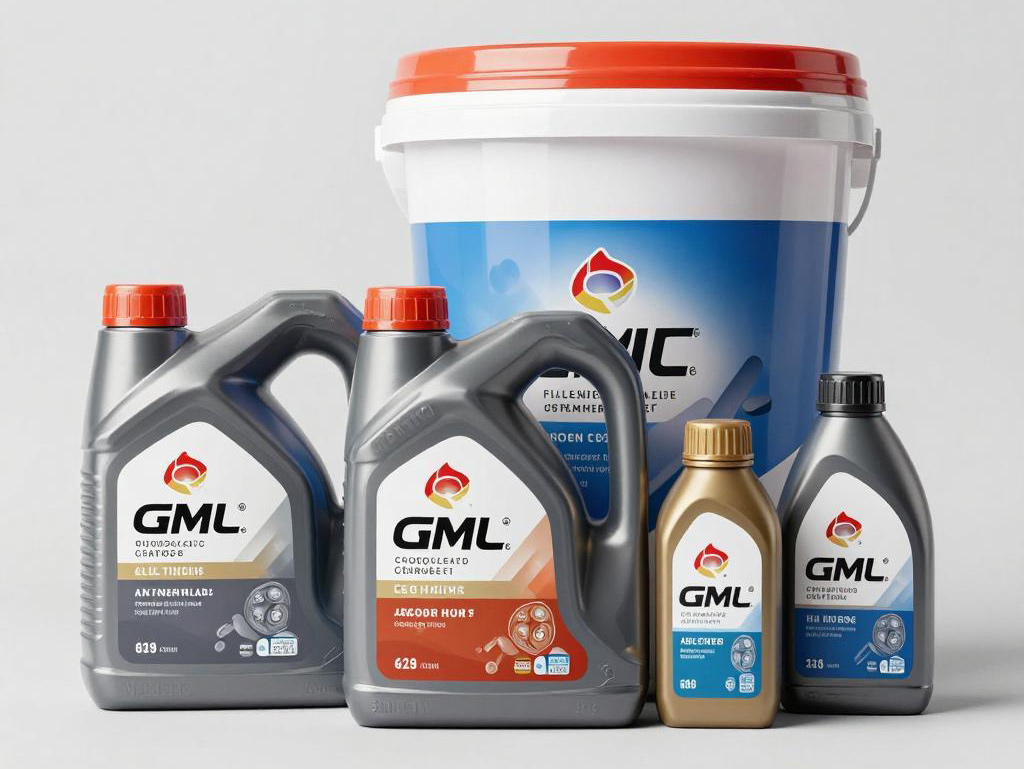
Multi-Format Packaging Lubricants may be packaged in PET bottles, HDPE containers, metal cans, pouches, or industrial drums. MIC's configurations cover filling volumes from approximately 50 ml to 30 L, as well as 200 kg and 1,000 kg industrial containers. Production speeds vary by machine configuration, with examples including 2,000–2,400 BPH for 1 L piston filling and 200–600 barrels/hour for certain weighing systems. ----- For manufacturers operating multiple lubricant SKUs, multi-format bottle handling and CIP cleaning can reduce changeover time and cross-contamination risks. |
 |
MIC Machinery develops filling solutions for lubricant and chemical packaging applications, with options for lubricant oil filling machine, high-viscosity oil filling machine, and automatic lube oil filling machine configurations. The final system can also integrate capping, labeling, induction sealing, and palletizing equipment for a complete production line.
FAQ
| Can One Lube Oil Filling Machine Handle Different Oil Grades? |
| Yes. The machine can be configured for engine oil, gear oil, hydraulic oil, compressor oil, and other lubricants with different viscosities. |
| How Can Lube Oil Filling Loss Be Reduced? |
| Accurate metering, anti-drip nozzles, stable product supply, and optimized filling parameters help minimize overfilling and product loss. |
| What Container Sizes Can a Lube Oil Filling Machine Handle? |
|
Depending on the configuration, MIC filling systems can handle small bottles, cans, drums, and large industrial containers. |
|
How Often Should a Lube Oil Filling Machine Be Calibrated? |
| Calibration should be performed periodically and whenever the product, filling volume, or metering components change. |
| How Do You Prevent Lube Oil From Dripping? |
| Anti-drip valves, suitable nozzle design, controlled filling speed, and precise shut-off timing help prevent residual oil from dripping after filling. |