How to prevent dripping when filling paste products?
How to prevent dripping when filling paste products?
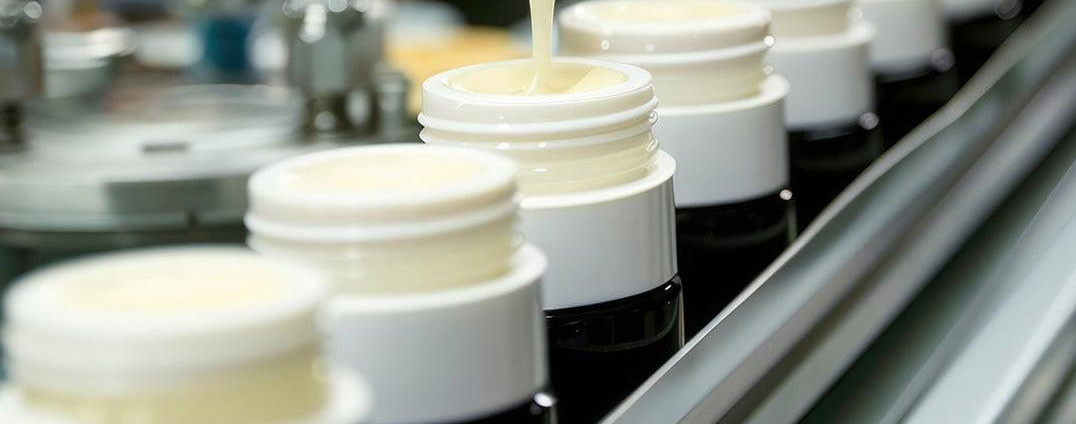
Dripping after filling is one of the most common quality issues in paste product packaging. It not only causes material waste but may also contaminate container mouths, affect subsequent capping processes, and reduce overall production efficiency. For industries such as cosmetics, chemicals, food, adhesives, and personal care products, controlling filling cut-off performance is essential for stable automated production.
Common causes of paste filling dripping:
| Problem Source | Typical Symptoms | Recommended Solution |
|---|---|---|
| Incorrect nozzle shut-off | Paste continues flowing after filling | Adjust valve timing or install anti-drip nozzle |
| High product viscosity | Paste forms strings between nozzle and container | Optimize nozzle design and filling speed |
| Residual pressure inside pipeline | Small drops appear after filling cycle | Add pressure release or suck-back function |
| Damaged sealing parts | Continuous leakage from filling head | Replace seals, O-rings, or valve components |
| Product temperature fluctuation | Filling consistency changes during production | Maintain stable material temperature |
How Does the Filling Nozzle Design Affect Paste Dripping?
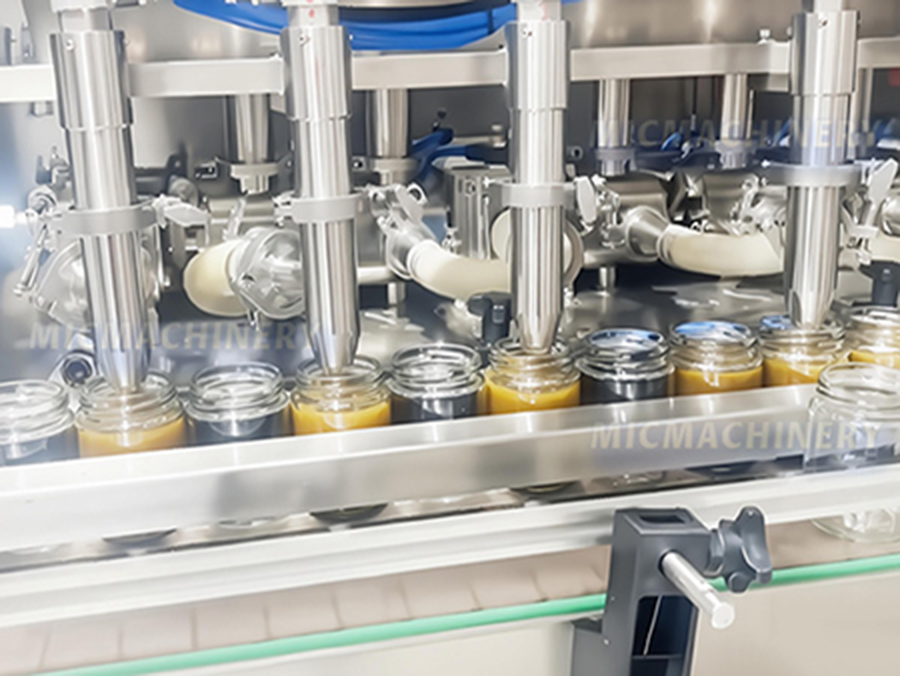
The nozzle is the final contact point between the filling system and the container, making its structure critical for clean filling performance. A standard nozzle may work well for low-viscosity materials but struggle with thick paste products because the material tends to remain attached to the nozzle tip.
|
For high-viscosity applications, manufacturers often use optimized shut-off valves, anti-drip nozzles, or servo-controlled filling systems. These designs help create a cleaner cut-off by controlling the final material flow instead of simply stopping the pump or piston movement. ----- When selecting a nozzle, companies should consider: · Product viscosity and elasticity · Particle size inside the paste · Container opening diameter · Filling volume · Required production speed |
 |
For example, cosmetic creams and silicone sealants usually require different nozzle structures because silicone has higher cohesion and may create longer material strings during filling.
How Can Viscosity Control Improve Paste Filling Accuracy?
One important factor affecting dripping is material viscosity stability. Paste products are highly sensitive to temperature changes. When the material becomes colder, viscosity increases, causing slower flow, longer filling time, and greater possibility of residual material remaining inside the nozzle.
Using a high viscosity paste filling machine with suitable feeding and heating systems can significantly improve production stability. For example, heated hoppers, insulation pipelines, and controlled product feeding systems help maintain consistent material conditions.
Key parameters that should be monitored include:
| Parameter | Influence on Filling |
|---|---|
| Material temperature | Changes viscosity and flow speed |
| Filling speed | Too fast may cause stringing |
| Nozzle diameter | Affects discharge resistance |
| Suction-back distance | Controls residual paste removal |
| Filling pressure | Determines material movement stability |
What Machine Adjustments Can Reduce Paste Dripping?
Preventing dripping is not only related to hardware selection. Correct machine parameter settings are equally important. Before changing components, operators should analyze when dripping occurs:
1)Dripping immediately after valve closing
2)Dripping during nozzle lifting
3)Dripping after machine pauses
4)Only one filling head leaking
Different symptoms indicate different causes.
For example, if only one nozzle drips, the issue may come from a damaged sealing ring, contamination inside the valve seat, or incorrect assembly. If all filling heads have the same problem, operators should check common factors such as product pressure, filling speed, and material temperature.
For automated production, a servo piston filling machine for paste products can provide more precise control of acceleration, filling speed, and final cut-off position compared with traditional pneumatic systems.
Recommended adjustment steps:
· Reduce final filling speed before shut-off
· Optimize nozzle lifting timing
· Adjust anti-drip or suck-back settings
· Clean product residue around valve components
· Verify sealing performance regularly
How to Maintain Paste Filling Equipment to Avoid Leakage?
Regular maintenance plays an important role in preventing dripping problems. Following a proper paste filling machine maintenance guide helps operators reduce residue buildup, prevent valve leakage, and maintain stable filling performance. Paste materials often contain oils, powders, particles, or adhesive components that may accumulate around valves and seals.
A practical maintenance schedule should include:
· Cleaning filling nozzles after production
· Checking O-rings and sealing rings
· Inspecting piston seals
· Confirming valve closing performance
· Testing filling accuracy periodically
For chemical and cosmetic applications, operators should also confirm that all product-contact parts are compatible with the material. Stainless steel 304 or 316L components are commonly selected for corrosion resistance and easier cleaning.
A reliable filling system should not only prevent dripping but also maintain stable filling weight, reduce material waste, and support long-term production efficiency.
FAQ
| What filling process is recommended for sticky paste products? |
| Sticky materials usually require a controlled piston filling process combined with suitable nozzle design. The filling speed, nozzle diameter, and shut-off method should be tested according to the product characteristics to avoid stringing and incomplete cut-off. |
| What should be checked before installing a paste filling machine? |
| Before installation, confirm factory space, power supply, compressed air requirements, production layout, and connection with upstream or downstream equipment such as mixers, conveyors, and capping machines. |
| How can technicians debug uneven filling after installation? |
| Technicians should check product temperature, material supply stability, piston parameters, filling speed, and nozzle position. Adjustments should be performed one parameter at a time to identify the actual cause. |
| Why does the paste filling machine suddenly stop working? |
| Common reasons include insufficient air pressure, blocked material pathways, sensor errors, damaged seals, or electrical control problems. A systematic inspection of mechanical and electrical systems is required before restarting production. |
| How can maintenance reduce paste filling machine failures? |
| Regular cleaning, replacement of worn sealing parts, lubrication of moving components, and recording operating conditions can reduce unexpected downtime and extend equipment service life. |