Lube Oil Filling Machine——Industrial Lubricant Packaging System
Lubricating oil production involves a wide range of viscosities and container types, from light engine oils to heavy industrial greases and gear lubricants. While these products appear stable in storage, their behavior during filling can vary significantly depending on temperature, viscosity grade, and foaming tendency. In high-speed production environments, even small inconsistencies in flow control can lead to inaccurate filling volumes, contamination at bottle necks, or unnecessary product loss.
The Lube Oil Filling Machine developed by MIC Machinery is designed for controlled, high-precision filling of lubricant products in industrial packaging lines. The system is widely used in automotive lubricant plants, industrial oil refineries, and contract packaging facilities. It ensures accurate dosing, stable operation under continuous production, and compatibility with different container sizes and oil grades.
Unlike simple gravity-based systems, modern lubricant filling requires a combination of flow control, anti-drip technology, and precise synchronization with capping and labeling systems to maintain consistent output quality.
The filling process begins with lubricant oil being stored in a buffer tank that maintains stable pressure and continuous supply to the filling system. For multi-grade production lines, the storage system may include filtration units to ensure oil purity before filling.
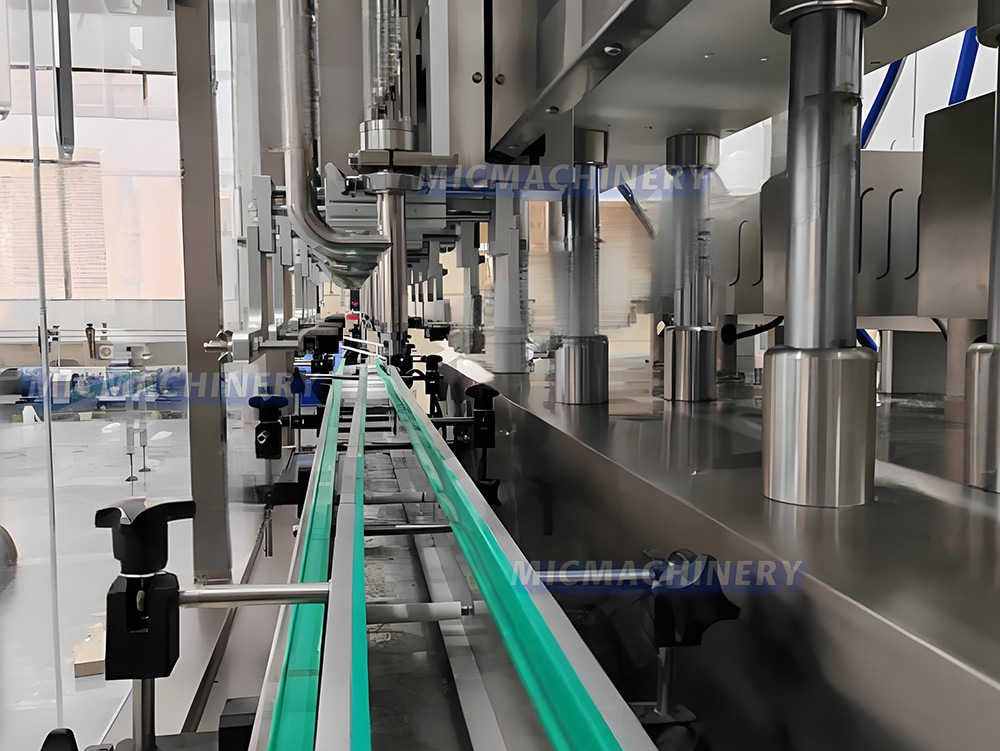
Once the system is ready, empty containers are automatically fed onto the conveyor and positioned under the filling nozzles using photoelectric sensors. Accurate positioning is essential to prevent spillage and ensure uniform filling across all bottles.
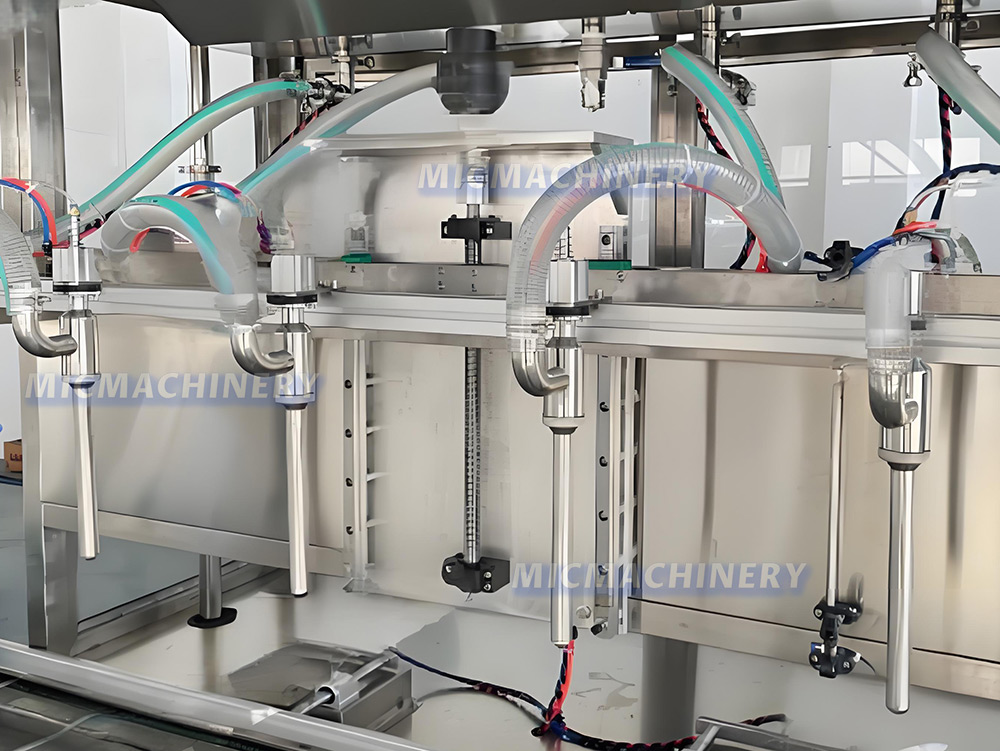
The filling cycle starts when the flowmeter or piston system activates. Oil is dispensed into each container at a controlled speed to minimize turbulence and avoid foaming. Diving nozzles are commonly used to reduce splashing and ensure smooth filling, especially for narrow-neck bottles or high-speed lines.
At the end of each cycle, anti-drip valves close precisely to prevent leakage or residue on bottle surfaces. Filled containers are then transferred to downstream equipment for capping and sealing. Depending on production requirements, the system may be synchronized with induction sealing units, labeling machines, and automatic palletizing systems to form a fully integrated production line.
Video Demonstration
Applications
The Lube Oil Filling Machine is widely used in petroleum, automotive, and industrial lubrication sectors.
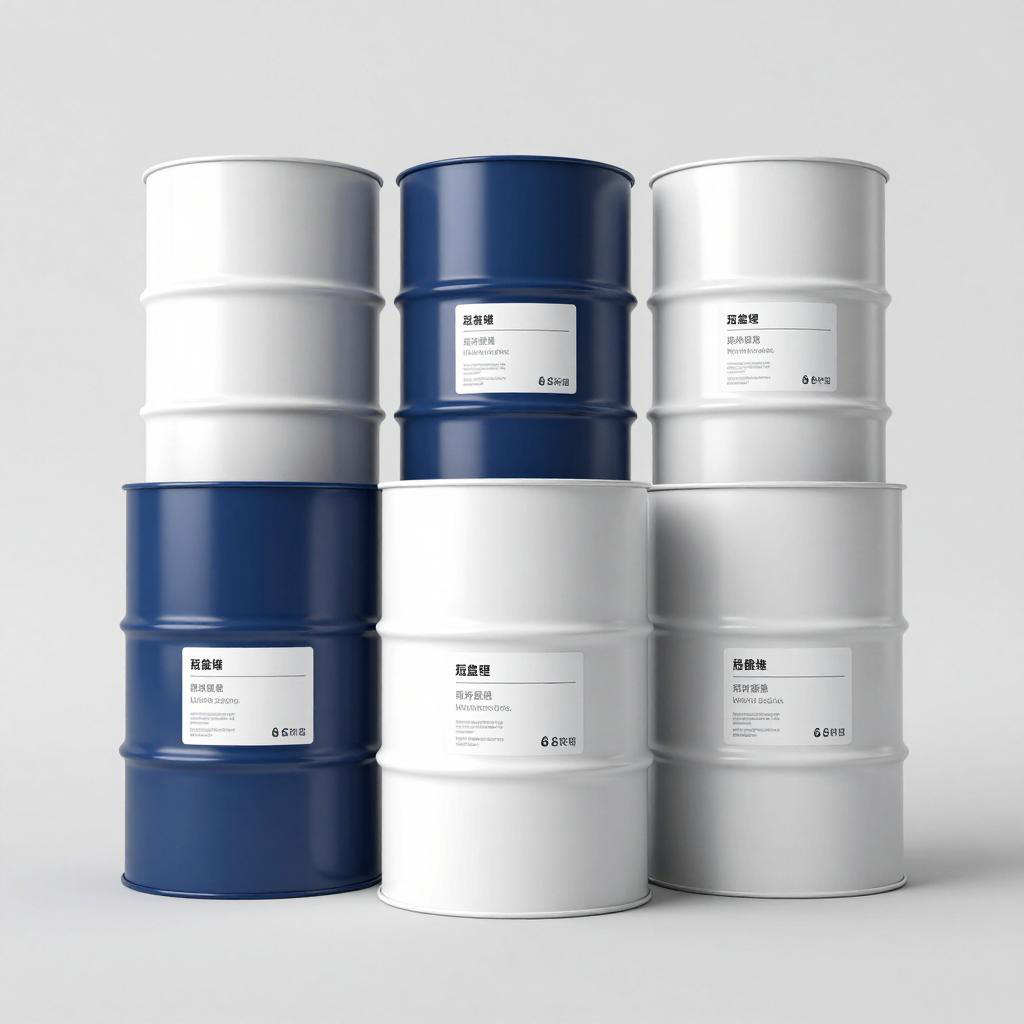
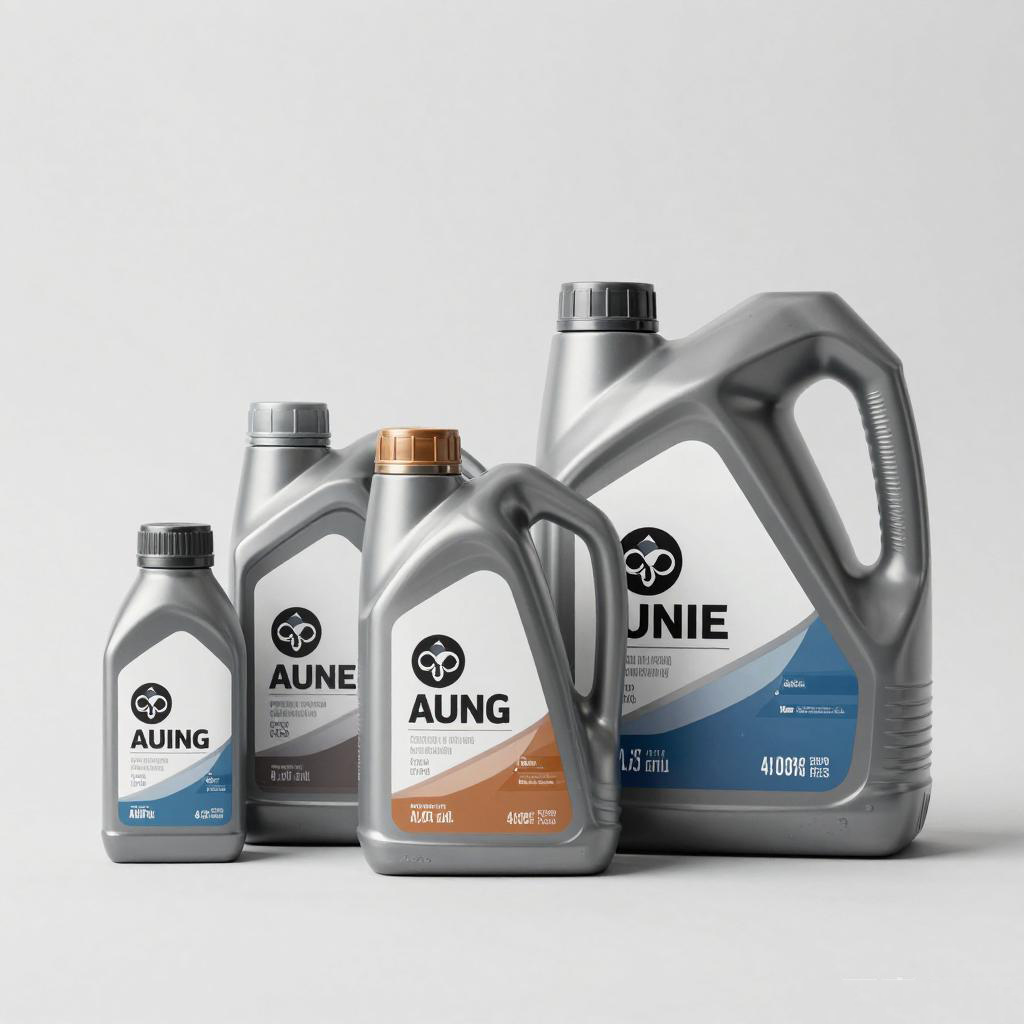
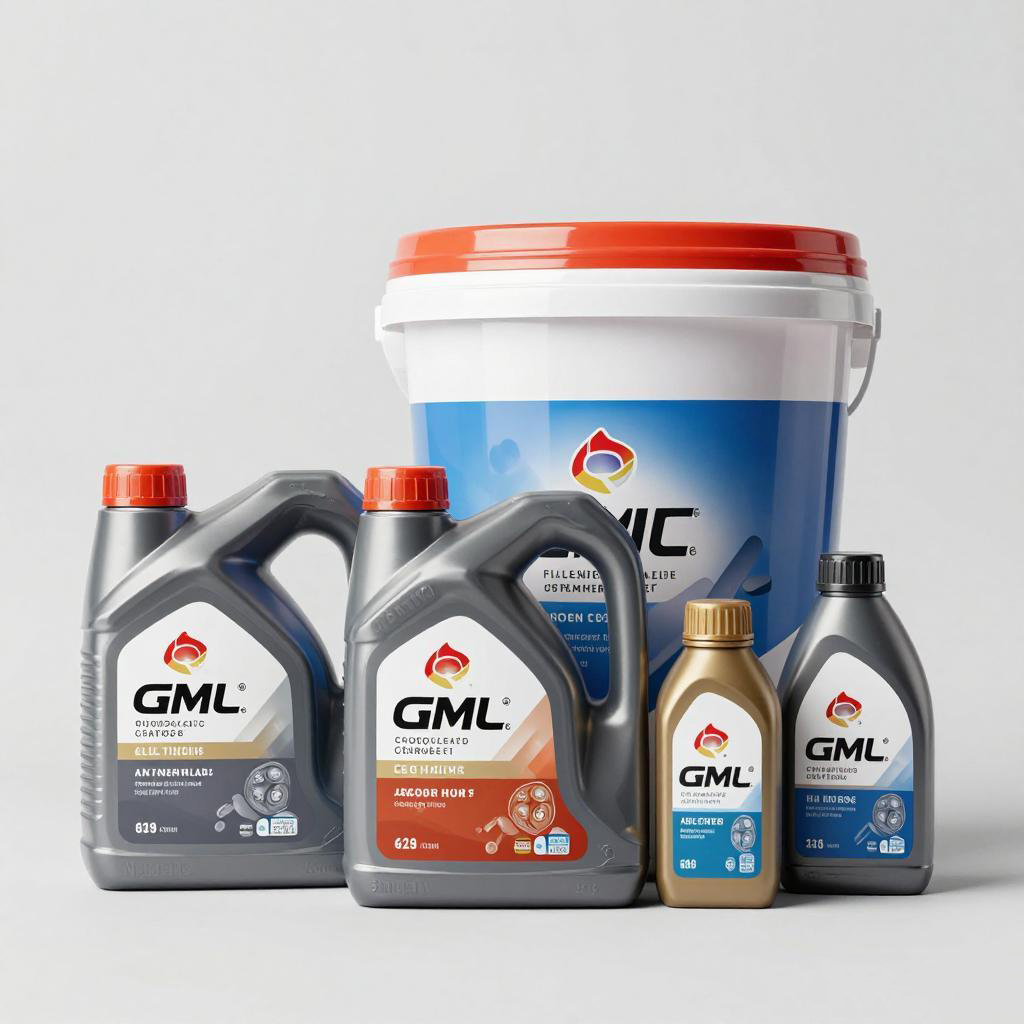
The system supports PET bottles, HDPE containers, metal cans, and industrial drums depending on configuration. It is suitable for both small retail lubricant packaging and large industrial supply chains.
Customization Options
Lubricant production environments often require flexible system configurations due to differences in viscosity, packaging size, and production scale. MIC Machinery provides multiple customization options to meet these requirements.
Flowmeter Precision System
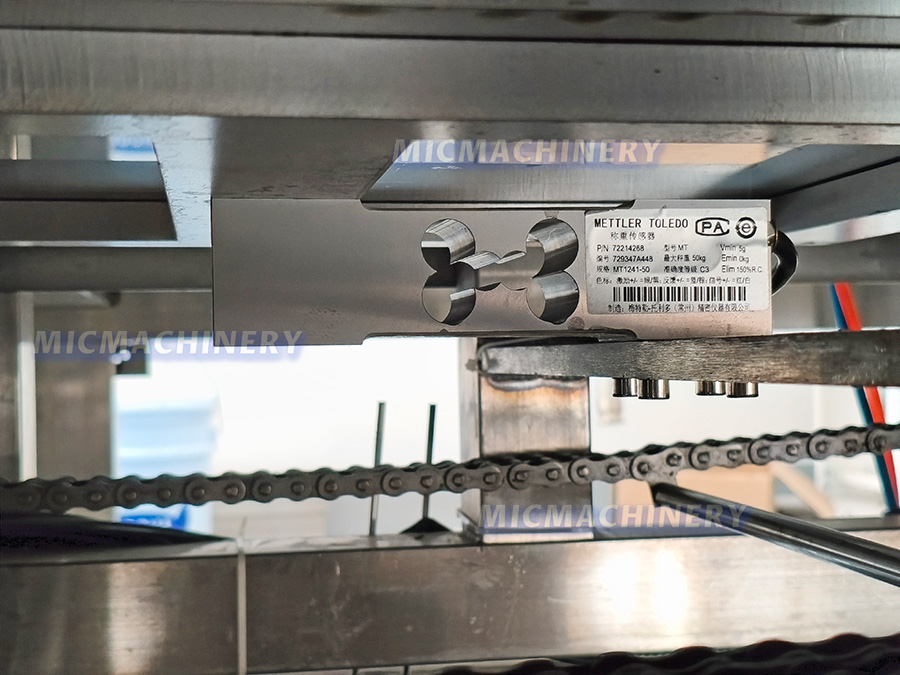
High-accuracy flowmeters improve measurement stability and reduce product loss during high-speed filling operations.
Servo Piston System
Provides enhanced control for high-viscosity lubricants and ensures stable performance across long production cycles.
Anti-Foam Filling Nozzles
Special nozzle designs reduce turbulence and prevent air entrapment during filling.
Explosion-Proof Configuration
Available for industrial environments requiring enhanced safety standards for petroleum-based products.
Multi-Format Bottle Handling
Allows quick adjustment between different bottle sizes and container shapes without major mechanical changes.
CIP Cleaning System
Facilitates efficient cleaning during product changeovers, reducing downtime and cross-contamination risk.
Full Line Integration
Can be connected with bottle unscramblers, capping machines, induction sealers, labeling systems, and palletizing equipment for fully automated production.
Maintenance and Operation
Lube oil filling systems require regular maintenance to ensure stable long-term performance, especially in high-volume production environments. Daily maintenance includes checking nozzle cleanliness, inspecting conveyor alignment, and ensuring no oil leakage at pipeline connections.
Weekly inspections should focus on flowmeter calibration, valve sealing performance, and pneumatic system stability. For piston-based systems, seal wear should be monitored and replaced when necessary to maintain filling accuracy.
Filtration systems should also be checked regularly to ensure oil purity, as contamination can affect nozzle performance and long-term system stability. Proper lubrication of mechanical components and routine inspection of electrical systems help extend equipment lifespan and reduce unexpected downtime.
FAQ
Q1: Can the machine handle different types of lubricating oils? Yes. It is suitable for engine oil, gear oil, hydraulic oil, and other industrial lubricants.
Q2: How is accuracy maintained at high speed? Flowmeter systems or servo-controlled pistons ensure stable and precise dosing.
Q3: Can it fill large containers like 5L or 20L? Yes. The system supports a wide filling range from small bottles to large industrial containers.
Q4: Is it suitable for high-viscosity oils?
Yes. Piston systems and diving nozzles are designed for thicker lubricants.
Q5: Can the machine be integrated into a full production line? Yes. It can be combined with capping, labeling, and palletizing systems.
Q6: Does it support different bottle sizes? Yes. The system allows quick adjustment for multiple container formats.
Industrial Lube Oil Filling Machine from MIC Machinery
The MIC Machinery Lube Oil Filling Machine is designed for stable, high-precision filling of industrial lubricant products. It focuses on accuracy, durability, and continuous operation, making it suitable for modern oil packaging lines that require reliable performance under demanding production conditions.